


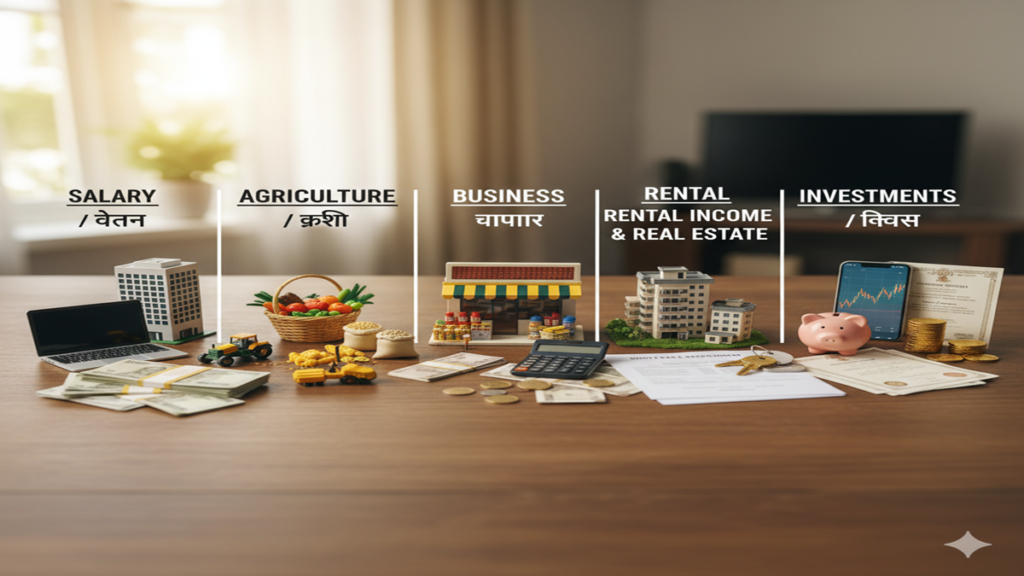
In India, a rapidly growing economy characterized by its diversity and complexity, income distribution remains a pivotal topic of discussion. As the nation progresses, understanding the landscape of high incomes becomes essential for grasping the broader economic scenario. This article delves into the top five income categories in India, exploring the profiles of the highest earners, the criteria that define their success, and the implications of their wealth on the economy. By analyzing trends and future outlooks, we aim to provide insights into the evolving nature of income distribution and its impact on society as a whole.
Overview of Income Distribution in India
Understanding Income Inequality
Income inequality in India can feel like an elephant in the room—large, visible, and rather uncomfortable to acknowledge. The rich get richer while the poor, well, they seem to be stuck in a loop of trying to make ends meet. Reports suggest that about 10% of the population holds over 77% of the nation’s wealth. This disparity isn’t just a numbers game; it’s a direct reflection of access to education, job opportunities, and social mobility. With the economy growing, one might think the gap would shrink, but it appears to be as stubborn as a goat on a hillside.
Historical Context of Income Levels
To truly grasp the current income landscape, we need to take a little trip back in time—think less “Back to the Future” and more “School History Class.” Post-Independence, India saw significant reforms aiming for equitable growth. However, decades later, liberalization in the 1990s brought about a boom, but not for everyone. Many households witnessed their fortunes change, while others got left behind. Today, the legacy of those historical decisions resonates through the economic hierarchy, influencing who is at the top and who is still struggling.
Criteria for Ranking Top Incomes
Factors Influencing Income Levels
Income levels are influenced by a multitude of factors, making the ranking process as complex as assembling IKEA furniture without the instructions. Key drivers include education, industry, geographical location, and even the socio-economic background of individuals. Essentially, it’s not just about how hard you work, but also where you start and the opportunities that come your way. And let’s be real; some industries pay much better than others—say, tech over farming—so location and field choice can be game-changers.
Data Sources and Methodology
When it comes to compiling income data, researchers employ a variety of methods. Reliable data sources like government reports, tax returns, and surveys from reputable institutions help paint a clearer picture. Think of it as the “CSI: Income Edition” where every number tells a story. Analysts often look at income brackets, the wealth spectrum, and overall economic health to rank the top earners. The ultimate aim? To provide a snapshot that is as accurate as possible, even if it means sifting through heaps of information.
The Top 5 Income Categories in India
High-Net-Worth Individuals (HNWIs)
These are the folks who make us mere mortals feel like we’re playing Monopoly rather than living in the real world. HNWIs, defined as individuals with liquid assets of over $1 million, are typically entrepreneurs, investors, and inheritors. With their financial portfolios, they can have more zeroes in their bank accounts than we have in our social media followers. They often influence markets and trends, proving that when wealth accumulates, it tends to command attention.
Top Business Owners
Business tycoons in India, from tech giants to industrial moguls, sport titles that sound like they belong in superhero comics. These titans of industry are often the faces behind successful conglomerates that dominate national and international markets. Their fortunes are tied closely to their company’s performance, and they play a significant role in driving the Indian economy forward—or at least to the next financial quarter.
Celebrities Income Levels
Ever wondered how much your favorite Bollywood star or cricket legend rakes in? Celebrity income levels can rival those of corporate moguls, thanks to endorsements, movies, and social media presence. With millions following them online, their influence is both powerful and lucrative. Not to mention, their ability to command a fee that could buy a small island (okay, maybe not quite that much, but you get the idea) makes their financial standings quite enviable.
Politicians and Public Figures
While they may not be on the A-list for films or sports, politicians and public figures in India often find their way onto income rankings. Their earnings can stem from a mix of salaries, business interests, and, let’s not forget, sometimes a dash of controversy. The public’s interest in their wealth can be as high as their stakes in winning the next election, making this category an intriguing facet of income distribution.
Professional Income Earners
This group includes doctors, lawyers, IT professionals, and others who hustle day in and day out. While they may not swing in the same income brackets as HNWIs, their earnings can still be substantial, especially in specialized fields. Their income potential often reflects their qualifications, experience, and the demand for their skills. As the saying goes, “If you’ve got it, flaunt it” — and many do, though often in less flashy ways.
Profiles of the High-Income Earners
Case Studies of Notable Individuals
Let’s dive into the lives of a few high-income earners who’ve truly made waves. From the founder of a billion-dollar startup to a celebrated actor who’s seamlessly transitioned into several revenue streams, these individuals embody the diverse paths to wealth in India. Their stories offer valuable insights into the mindset and strategies that propelled them to success, providing inspiration (and maybe a touch of jealousy) for aspiring earners.
Industry-Specific High Earners
Different industries attract different income levels, and that’s where the fun really begins. In tech, finance, and healthcare, for instance, the average salaries can be considerably higher than in agriculture or education. We’ll explore the specifics: who’s cashing in where, and why certain sectors remain financial powerhouses. Spoiler alert: innovation, demand, and a sprinkle of luck often play a role in determining who hits it big in their respective fields.
Economic Impact of High-Income Individuals
Contribution to GDP
High-income individuals in India play a pivotal role in shaping the country’s economy. Their substantial earnings contribute significantly to the Gross Domestic Product (GDP), acting as a multiplier effect across various sectors. Think of them as the sprinkles on India’s economic cupcake; while the cake itself is important, it’s the sprinkles that add flair! They invest in luxury goods, real estate, and services, spurring demand and driving growth in both established and emerging markets.
Wealth Creation and Job Opportunities
Wealthy individuals don’t just sit on their mountain of gold; they invest, create businesses, and, most importantly, generate jobs. With their knack for spotting trends and opportunities, high-income earners contribute to entrepreneurship, leading to innovation and the birth of new industries. This, in turn, fosters a more vibrant job market—because who doesn’t want to be the boss of their own startup? The job opportunities created can help reduce unemployment, boost local economies, and perhaps even afford you that fancy coffee from that hip café down the street!
Trends and Changes in Income Levels
Recent Economic Developments
In recent years, India has exhibited a dramatic shift in income levels, with the rise of a robust middle class and a growing number of ultra-high-net-worth individuals. Economic reforms, globalization, and a burgeoning tech sector have contributed to this trend. It’s like watching an episode of “Game of Thrones” where fortunes rise and fall, but thankfully, without the backstabbing (at least in business). These developments indicate a diversifying economy, where traditional industries are challenged by new-age startups and tech firms.
Impact of Technology and Globalization
Technology and globalization have been the dynamic duo disrupting income levels in India. Think of them as Batman and Robin, but with more gadgets and the ability to connect the world like never before. Online platforms have allowed skilled professionals to tap into global markets, vastly expanding their earning potential. Meanwhile, globalization has introduced competition, driving innovation while also increasing income inequality. So, while you’re sipping your chai, remember that your neighbor’s job may now be at the mercy of a freelancer halfway across the world.
Future Outlook for Income Distribution in India
Predicted Trends and Changes
Looking ahead, income distribution in India is likely to continue evolving. With advancements in technology and the increasing prevalence of the gig economy, we might see a further blurring of income boundaries. The rich could get richer, but there’s also a chance that new wealth creation avenues could benefit more individuals—like a magical garden that sprouts opportunities! However, income inequality might also remain a pressing issue that policymakers will need to address.
Policy Implications and Recommendations
To tackle potential disparities, the government can play a critical role by implementing inclusive policies that promote equitable growth. This could involve investing in education and vocational training, fostering entrepreneurship, and ensuring fair labor practices. By creating an environment where everyone can thrive, India can transform its economic landscape and empower more citizens. It’s like giving everyone a ticket to a concert—not just the VIPs in the front row!
Conclusion and Key Takeaways
Summary of Findings
High-income individuals in India are not just the wealthy elite; they are key players in the economy who contribute to GDP, create jobs, and drive innovation. Recent trends indicate a shift in income levels influenced by tech and globalization, while the future may bring both opportunities and challenges in income distribution.
Final Thoughts on Income Distribution in India
As we ponder the future of income distribution in India, it’s clear that while opportunities abound, so do the complexities. The key will be balancing growth with equity, ensuring that everyone can benefit from the country’s economic advancements. So, let’s raise a toast (preferably with a cup of chai) to inclusivity, innovation, and a brighter economic future for all!
In conclusion, the analysis of the top five income categories in India reveals not only the significant disparities in wealth but also the potential for economic growth driven by high-income individuals. As the landscape continues to evolve, understanding these dynamics is crucial for shaping policies that promote equitable growth and opportunities for all citizens. By acknowledging the contributions of high earners while addressing incom
e inequality, India can pave the way for a more prosperous future.
Frequently Asked Questions
What are the top income categories in India?
The top income categories in India typically include high-net-worth individuals (HNWIs), top business owners, celebrities, politicians, and professional income earners.
How is income inequality measured in India?
Income inequality in India is measured using various metrics, including the Gini coefficient, which assesses the distribution of income across the population, as well as data from government surveys and reports.
What impact do high-income individuals have on the Indian economy?
High-income individuals contribute significantly to the Indian economy by driving consumer spending, investing in businesses, and generating employment opportunities, which collectively enhance economic growth.
Are there any trends in income distribution in India?
Yes, recent trends indicate a growing concentration of wealth among the highest earners, influenced by factors such as globalization, technological advancements, and changes in regulatory frameworks.