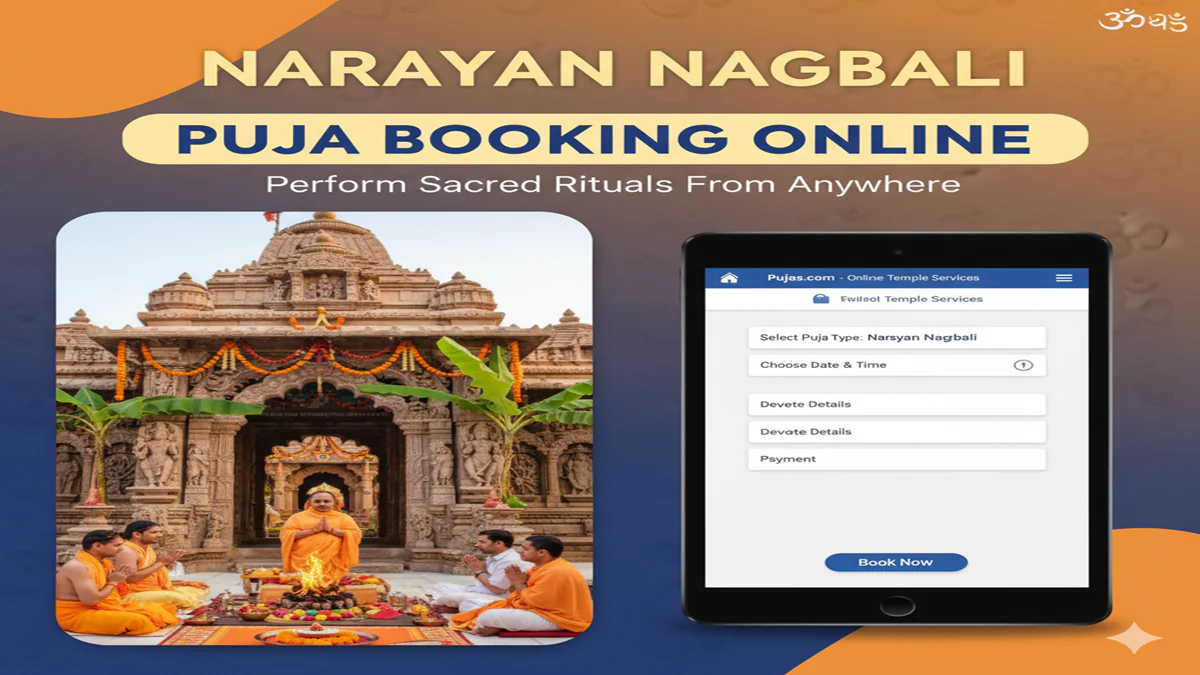
A Complete Guide to Narayan Nagbali Puja: Meaning, Process, and Online Booking
Narayan Nagbali Puja Booking Online In the vast and intricate tapestry of Hindu rituals, few ceremonies are as profound, mysterious, and spiritually significant as theNarayan Nagbali Puja. Primarily performed at the Trimbakeshwar Shiva Temple in Maharashtra and a few other select shrines, this puja is not a routine blessing but a deep karmic correction. For those seeking relief from unexplained suffering, it represents a beacon of hope. Today, the ancient process of undertaking this puja has been streamlined throughonline booking platforms, making it accessible yet demanding serious understanding. This guide delves into the essence of the puja, its procedure, and the practicalities of booking it online.
Understanding Narayan Nagbali: The Puja of Karmic Liberation
To comprehend Narayan Nagbali is to understand two intertwined concepts:“Narayan Bali“and“Nag Bali.”They are often performed together but address different ancestral and karmic issues.
- Nag Bali:This ritual is performed to appease the serpent gods (Nagas) and to atone for the sin of killing a serpent, knowingly or unknowingly. In Hindu belief, harming a Naga invites severe curses (Sarpa DoshaorKal Sarpa Dosha) leading to obstacles in progeny, health, and fortune.
- Narayan Bali:This is a more complex rite. It is performed for souls of ancestors or other beings who have died an unnatural, violent, or premature death (Akala Mrityu) and are trapped in the earthly realm as restless spirits (BhutasorPishachas). These unsettled souls can cause persistent problems in the family lineage—chronic illnesses, financial blocks, mental distress, and inability to move forward in life.
Narayan Nagbali combines these rites. It is a Shanti Karma (pacification ritual) that aims to:
- Release the trapped ancestral soul by symbolically offering it a new, virtuous body (created from rice flour and other sacred materials).
- Perform its last rites (Antim Sanskar) with Vedic mantras, enabling it to move on to the ancestral realm (Pitru Loka).
- Appease any serpent curses.
- Ultimately, free the living family from the cycle of ancestral debt (Pitru Rin) and affliction.
Who Should Consider Performing Narayan Nagbali Puja?
This puja is not for casual seekers. It is typically recommended by learned astrologers or priests after observing specific, persistent issues:
- Persistent and unexplained health problems, especially mental distress, nightmares, or feelings of being oppressed.
- Continuous financial losses and obstacles in career or business despite all efforts.
- Infertility, miscarriages, or severe delays in childbirth.
- A history of unnatural deaths (suicide, accident, murder) in the family lineage.
- Strong astrological indications like afflictedRahu-Ketu, severePitru Dosha, orKal Sarpa Doshain the birth chart.
- A feeling of being “stuck” or haunted by past events.
The Sacred Venue: Why Trimbakeshwar is Paramount
While performed in a few places like Varanasi or Ujjain, the Trimbakeshwar Temple in Nashik, Maharashtra, is the most sought-after site. The reason is deeply theological:
- Trimbakeshwar is one of the 12 Jyotirlingas, representing the supreme, limitless form of Lord Shiva.
- It is the source of the Godavari River, the most sacred river in South India. The conjunction of a Jyotirlinga and a sacred river (Tirtha) is considered supremely potent for releasing souls.
- The temple has a long-standing tradition and priests specifically trained for this intense, three-day ritual.
- The spiritual energy of the place is believed to be essential for the puja’s success, as it involves invoking and placating powerful entities.
The Three-Day Ritual: A Journey of Austerity and Surrender
Performing Narayan Nagbali is a rigorous spiritual undertaking. The devotee (Yajman) must observe strict rules (Vrat).
Day 1: Sankalp and Initial Rites
- The Yajman takes a vow (Sankalp) stating the intention behind the puja.
- A sacred thread (Kaakan) is tied on the wrist, marking the beginning of the observances.
- The Yajman must follow a strict diet (often once a day), sleep on the floor, and maintain celibacy and purity of thought.
- Preliminary homas (fire offerings) are conducted.
Day 2: The Core Ritual – Bali (Offering)
- This is the most critical day. At a designated place near a river or temple tank, the priest invokes the restless spirit.
- Using a figurine made of rice flour and barley (Pinda), the ritual symbolically provides a new body to the trapped soul.
- Through powerful Vedic chants (often from theAtharva Veda), the soul is persuaded to enter thisPinda.
- ThePindais then released into flowing water or given as an offering, representing the release of the soul.
- Simultaneously, offerings are made to the serpent gods to appease theNag Dosha.
Day 3: Narayan Nagbali and Conclusion
- The final day involves the mainNarayan Nagbaliritual at the Trimbakeshwar temple.
- Special offerings are made to Lord Vishnu (Narayan) and the Nagas.
- The ritual culminates with thePind Daan(offering of rice balls) for the ancestors at the Kushavarta Kund, a sacred tank near the temple, ensuring their peaceful journey.
- The Kaakan is removed, marking the end of the vows.
The Digital Path: Booking Narayan Nagbali Puja Online
Given the complexity, distance, and high demand, online booking has become a crucial service.
Benefits of Online Booking:
- Accessibility:Devotees from across the world can initiate the process without traveling first.
- Transparency:Reputable platforms provide clear breakdowns of costs (priest fees, temple fees, materials, accommodation).
- Guidance:They offer consultation to help you understand if the puja is necessary and guide you on prerequisites.
- Logistical Management:They handle the arduous task of securing a date from the temple authorities, which can have a waiting period of weeks or months.
- Support:Provides on-ground assistance in Trimbakeshwar, including a translator/guide, accommodation, and a step-by-step walkthrough of the process.
How to Book Online – A Step-by-Step Process:
- Research & Selection:Search for reputable and specialized online puja services. Look for companies with extensive experience in organizing Narayan Nagbali, verified customer testimonials, and clear contact information.
- Initial Consultation:Contact them. A knowledgeable representative will discuss your reasons, often asking for your birth details (Janam Kundali) to preliminarily assess the need. This is a critical step—beware of platforms that immediately push for booking without any consultation.
- Date Availability & Quotation:The service will check with their temple priests for the next available auspicious dates (typically onAmavasyaor other specific tithis). They will then provide a detailed quotation covering all costs.
- Documentation & Booking:You will need to provide photographs, full name, gotra (lineage), and birth details of yourself and the ancestors for whom the puja is being performed. Upon payment of an advance, your date is formally booked.
- Pre-Puja Guidance:You will receive detailed instructions on the vows, diet, clothing (usually white dhoti/saree), and items to bring. They will also arrange for your stay in Trimbakeshwar (often simple, spartan lodgings as per the ritual’s requirement).
- On-Ground Execution:Upon arrival, a representative will meet you, introduce you to the officiating priest, and assist you throughout the three-day process, ensuring the rituals are performed correctly.
A Note of Caution:
The solemnity of this puja demands extreme discretion. Choose services that are transparent, emphasize the spiritual gravity over commercial transaction, and have a long-standing relationship with the temple priests.
Conclusion: A Gateway to Peace, Not a Quick Fix
Narayan Nagbali Puja is a profound spiritual surgery. It is an act of tremendous responsibility, compassion for trapped ancestors, and a desire to rectify the karmic fabric of one’s lineage. The advent of online booking has made it administratively easier but has not diminished its sacred intensity. It remains a path of austerity, faith, and surrender.
If you are guided to this puja, approach it with an open heart, a prepared mind, and the willingness to undergo a transformative experience. By releasing the past, it seeks to unlock a future of peace, stability, and spiritual progress for generations—both living and departed.
Frequently Asked Questions (FAQs)
1. How long is the waiting period to book Narayan Nagbali Puja at Trimbakeshwar?
The waiting period can vary significantly from 2 weeks to 6 months, depending on the temple’s schedule, auspicious dates, and season (demand increases during Shraadh periods). A reputable online service will give you a realistic timeline after checking with the temple authorities.
2. Can women perform the Narayan Nagbali Puja?
Yes, women can and do perform this puja, often for ancestral issues affecting them or their children. However, they cannot perform it during menstruation. The puja dates are planned accordingly, or a male family member may be the primary Yajman if dates conflict. It’s best to discuss this openly with your consulting priest or service provider.
3. What is the approximate total cost involved?
Costs are structured and transparent through good online portals. They typically range from ₹ 35,000 to ₹ 75,000 or more. This includes:
- Temple and priest fees (the largest component).
- Cost of rituals materials (samagri).
- Service charge of the organizing platform.
- Basic accommodation and food for the 3-day period.
- Guidance and facilitation fees. Always ask for a detailed, itemized quote.
4. Are there any specific preparations required before traveling for the puja?
Absolutely. The Yajman must observe:
- Mental & Physical Purity:Begin a simple, sattvic diet (vegetarian, no onion/garlic) a few days prior. Practice celibacy.
- Vows (Vrat):Be prepared to sleep on the floor, eat only once a day (or as guided), and constantly chant prescribed mantras like the Maha Mrityunjaya Jaap.
- Documents:Carry original IDs, the exact birth details (date, time, place) of yourself and the ancestors, and black/white clothing (dhoti/saree) as required.
- Mindset:Approach it as a penance and spiritual journey, not a tourist activity.
5. What happens if we don’t know the name or gotra of the ancestor causing the trouble?
This is a common situation. The priests are adept at handling this. During the Sankalp (vow), you can state that the puja is for “the unknown ancestor(s) from our lineage who may be suffering and causing distress.” The mantras and rituals are universal in their intent. However, providing any known details increases the specificity and is always preferred. The priest will guide you on the correct way to frame the Sankalp in such cases.