
Ginger Garlic Benefits: बीमारियों का काल है अदरक और लहसुन की जोड़ी; जानें इसके 10 जादुई लाभ।

Ginger Garlic Daily Consumption Benefits & Side Effects

Table of Contents

Ginger and Garlic (अदरक और लहसुन): स्वाद ही नहीं, सेहत का भी खजाना! जानें इसके 10 चमत्कारी फायदे और सही उपयोग।

Ginger Garlic Benefits: Introduction: भारतीय रसोई में अगर किसी मसाले का सबसे ज्यादा दबदबा है, तो वह है अदरक और लहसुन (Ginger and Garlic)। इनका इस्तेमाल न केवल ग्रेवी को गाढ़ा और स्वादिष्ट बनाने के लिए किया जाता है, बल्कि आयुर्वेद में इन्हें ‘प्राकृतिक औषधि’ का दर्जा दिया गया है।

अदरक और लहसुन दोनों ही अपने एंटी-इंफ्लेमेटरी, एंटी-बैक्टीरियल और एंटीऑक्सीडेंट गुणों के लिए मशहूर हैं। यदि आप अपनी रोग प्रतिरोधक क्षमता (Immunity) बढ़ाना चाहते हैं या हृदय रोगों से बचना चाहते हैं, तो इनका सही सेवन आपके लिए वरदान साबित हो सकता है। इस लेख में हम Ginger and Garlic Benefits के बारे में विस्तार से चर्चा करेंगे।


  • अदरक (Ginger): इसमें ‘जिंजरोल’ (Gingerol) नामक तत्व होता है जो पाचन और सूजन में मदद करता है।
  • लहसुन (Garlic): इसमें ‘एलिसिन’ (Allicin) नामक यौगिक होता है, जो इसे सल्फर जैसी गंध और अद्भुत औषधीय गुण देता है।

2. अदरक और लहसुन के मुख्य फायदे (Key Benefits)

Ginger Garlic Benefits: १. हृदय स्वास्थ्य के लिए (Promotes Heart Health): लहसुन और अदरक दोनों ही रक्त संचार को बेहतर बनाने में मदद करते हैं। लहसुन खराब कोलेस्ट्रॉल (LDL) को कम करता है और अदरक धमनियों में थक्के जमने से रोकता है। यह संयोजन हाई ब्लड प्रेशर को नियंत्रित करने के लिए सबसे प्रभावी माना जाता है।

Ginger Garlic Benefits: २. रोग प्रतिरोधक क्षमता में वृद्धि (Immunity Booster): आजकल के बदलते मौसम में संक्रमण से बचने के लिए अदरक और लहसुन का सेवन बहुत जरूरी है। यह शरीर की श्वेत रक्त कोशिकाओं (WBC) को सक्रिय करता है, जिससे सर्दी, जुकाम और फ्लू जैसी बीमारियाँ पास नहीं आतीं।

३. पाचन तंत्र को बनाए मजबूत (Improves Digestion): अदरक पेट की गैस और अपच को दूर करने के लिए जाना जाता है, जबकि लहसुन आंतों के हानिकारक बैक्टीरिया को खत्म करता है। यदि आपको खाना न पचने की समस्या है, तो अदरक-लहसुन का पेस्ट या काढ़ा आपके लिए बहुत फायदेमंद है।

Ginger Garlic Benefits: ४. जोड़ों के दर्द और सूजन में राहत (Relief from Joint Pain): गठिया (Arthritis) या मांसपेशियों के दर्द से परेशान लोगों के लिए यह जोड़ी किसी चमत्कार से कम नहीं है। इसमें मौजूद एंटी-इंफ्लेमेटरी गुण जोड़ों की सूजन को कम करते हैं और दर्द में प्राकृतिक आराम देते हैं।

५. कैंसर से बचाव (Cancer Prevention): अनेक शोध बताते हैं कि लहसुन और अदरक में मौजूद एंटीऑक्सीडेंट गुण कैंसर की कोशिकाओं को बढ़ने से रोकने में सहायक हो सकते हैं, विशेषकर पेट और कोलन कैंसर के जोखिम को कम करने में।


3. सेवन करने का सही तरीका (How to Consume)

  • खाली पेट सेवन: सुबह खाली पेट कच्चा लहसुन और अदरक का एक छोटा टुकड़ा गुनगुने पानी के साथ लेने से मेटाबॉलिज्म तेज होता है और वजन घटाने में मदद मिलती है।
  • अदरक-लहसुन की चाय: पानी में कद्दूकस किया हुआ अदरक और लहसुन उबालें, फिर उसमें शहद और नींबू मिलाकर पिएं। यह ‘डिटॉक्स ड्रिंक’ के रूप में काम करता है।
  • खाना पकाते समय: मसालों के साथ अदरक-लहसुन का ताजा पेस्ट इस्तेमाल करें। कोशिश करें कि इन्हें बहुत ज्यादा न भूनें ताकि इनके पोषक तत्व बने रहें।

4. सावधानियां और नुकसान (Precautions & Side Effects)

Ginger Garlic Benefits: अदरक और लहसुन फायदेमंद हैं, लेकिन इनका अति सेवन नुकसानदेह भी हो सकता है:

  • गर्भावस्था: गर्भवती महिलाओं को अधिक मात्रा में अदरक का सेवन नहीं करना चाहिए क्योंकि इसकी तासीर गर्म होती है।
  • खून पतला होना: जो लोग खून पतला करने वाली दवाएं (Blood thinners) ले रहे हैं, उन्हें डॉक्टर की सलाह पर ही इनका सेवन करना चाहिए।
  • सीने में जलन: लहसुन के अधिक सेवन से कुछ लोगों को एसिडिटी या सीने में जलन की समस्या हो सकती है।

4. अक्सर पूछे जाने वाले प्रश्न (FAQs)

Q1: क्या रोजाना कच्चा लहसुन खाना सुरक्षित है?

Ans: हाँ, रोजाना लहसुन की 1-2 कलियां खाना सुरक्षित और हृदय के लिए बहुत अच्छा है।

Q2: क्या अदरक और लहसुन से वजन कम होता है?

Ans: हाँ, यह शरीर की गर्मी (Thermogenesis) बढ़ाता है और मेटाबॉलिज्म को तेज करता है, जिससे फैट बर्न करने में मदद मिलती है।

Q3: क्या मैं लहसुन और अदरक को शहद के साथ खा सकता हूँ?

Ans: बिल्कुल! लहसुन, अदरक और शहद का मिश्रण गले के संक्रमण और इम्यूनिटी के लिए एक शक्तिशाली औषधि है।


Conclusion: प्रकृति का अनमोल उपहार!

Ginger Garlic Benefits: अदरक और लहसुन (Ginger and Garlic) रसोई के सिर्फ दो मसाले नहीं हैं, बल्कि यह एक संपूर्ण घरेलू उपचार केंद्र हैं। इनका संतुलित उपयोग आपको कई बड़ी बीमारियों से बचा सकता है। अपनी दिनचर्या में इन्हें शामिल करें और एक स्वस्थ जीवन की शुरुआत करें।

The Daily Duo: Unpacking the Science, Benefits, and Cautions of Regular Ginger & Garlic Consumption

Ginger Garlic Benefits: For millennia, ginger and garlic have been more than just culinary staples. Woven into the fabric of traditional medicine systems from Ayurveda to Traditional Chinese Medicine, these potent rhizomes and bulbs have been revered as healing powerhouses.

Today, as modern science delves deeper into their biochemical complexities, the age-old wisdom is being validated in laboratories and clinical studies worldwide. Incorporating ginger and garlic into your daily diet has moved from folk remedy to a strategy backed by a growing body of nutritional science. But with such potent compounds comes the need for understanding—what are the real benefits, and when does daily consumption tip into the realm of side effects? This comprehensive guide explores the multifaceted impact of making ginger and garlic a daily ritual.

Part 1: Ginger – The Fiery Rhizome of Wellness

Ginger Garlic Benefits: The Biochemical Powerhouse: Gingerols and Shogaols
Ginger’s primary bioactive compound, gingerol, is responsible for its distinctive pungency and much of its medicinal prowess. When ginger is dried or cooked, gingerols transform into shogaols, which are even more potent antioxidants. These compounds are the engines behind ginger’s wide-ranging effects.

Documented Benefits of Daily Ginger Consumption:

  1. Master of Nausea and Digestive Soothing: This is perhaps ginger’s most celebrated benefit. Studies consistently show ginger’s efficacy in alleviating nausea from multiple sources:
    • Pregnancy: A meta-analysis in the American Journal of Obstetrics & Gynecology found ginger significantly more effective than a placebo in reducing pregnancy-related nausea and vomiting, with no increased risk of adverse outcomes at common doses (up to 1 gram daily).
    • Chemotherapy-Induced: It can help manage nausea for patients undergoing treatment.
    • Post-Surgery: Shown to be as effective as some medications.
    • General Digestion: Ginger stimulates saliva, bile, and gastric enzymes, promoting efficient digestion and reducing bloating and dyspepsia.
  2. A Potent Anti-Inflammatory and Pain Reliever: Chronic, low-grade inflammation is a root cause of many modern diseases. Gingerols inhibit the production of pro-inflammatory cytokines and prostaglandins. This makes daily ginger consumption particularly beneficial for:
    • Osteoarthritis: Multiple studies, including one in Osteoarthritis and Cartilage, found patients taking ginger extract reported significant reductions in knee pain on standing and walking.
    • Exercise-Induced Muscle Soreness: Ginger can accelerate recovery and reduce day-after pain.
    • General Aches: Its analgesic properties can provide mild relief for headaches and menstrual pain (dysmenorrhea).
  3. Ginger Garlic Benefits: Cardiovascular Guardian:Daily ginger intake supports heart health through several pathways:
    • Blood Pressure: It may act as a natural calcium channel blocker and vasodilator, helping to relax blood vessels.
    • Cholesterol: Studies suggest it can lower LDL (“bad”) cholesterol and triglyceride levels.
    • Blood Clotting: Its antiplatelet aggregation properties can reduce the risk of clot formation, though this requires caution (see side effects).
  4. Ginger Garlic Benefits: Immune System Modulation and Antimicrobial Action:Ginger is not just an antioxidant; it’s also a warming diaphoretic (promotes sweating) and has direct antimicrobial properties. Daily consumption, especially as tea during cold season, can help fend off pathogens and support the body’s innate immune response.
  5. Blood Sugar Regulation: Emerging research, including a 2015 study in the Journal of Ethnic Foods, indicates that ginger can improve insulin sensitivity, reduce fasting blood sugar, and lower HbA1c in individuals with type 2 diabetes, making it a valuable dietary adjunct.

Part 2: Garlic – The Aromatic Bulb of Vitality

Ginger Garlic Benefits: The Key to the Magic: Allicin and Sulfur Compounds
Garlic’s power lies dormant until it is crushed, chopped, or chewed. The enzyme alliinase then converts the compound alliin into allicin—the source of garlic’s iconic smell and its primary therapeutic agent. Allicin quickly breaks down into other beneficial sulfur-containing compounds like diallyl disulfide and ajoene.

Documented Benefits of Daily Garlic Consumption:

  1. Ginger Garlic Benefits: Cardiovascular Powerhouse (The Cholesterol and Blood Pressure Regulator):Garlic’s most robust scientific support lies in cardiovascular protection.
    • Hypertension: A meta-analysis in BMC Cardiovascular Disorders concluded that garlic supplements are as effective as common blood pressure medications for individuals with hypertension, with an average reduction of 7-9 mmHg in systolic pressure.
    • Cholesterol and Triglycerides: It consistently shows a modest but significant reduction (about 10-15%) in total and LDL cholesterol levels.
    • Anti-Atherosclerotic: It may slow the progression of arterial plaque formation and has potent antioxidant properties that protect LDL cholesterol from oxidation—a key step in heart disease.
  2. recovered 70% faster than the placebo group. Garlic enhances the disease-fighting response of white blood cells when encountering viruses.
  3. Natural Detoxification Support: The sulfur compounds in garlic aid Phase II detoxification in the liver. They also facilitate the synthesis of glutathione, the body’s master antioxidant, and have been shown to help protect organs from heavy metal toxicity (like lead) by increasing their excretion.
  4. Ginger Garlic Benefits: Antimicrobial and Antifungal Agent:Garlic has been called “Russian penicillin” for a reason. Its broad-spectrum activity against bacteria, viruses, fungi, and parasites makes it a time-honored remedy for infections. Allicin interferes with crucial enzyme systems in pathogens.
  5. Cancer Risk Reduction – The Promising Evidence: Population studies consistently link higher garlic consumption with a reduced risk of certain cancers, particularly those of the digestive tract (stomach, colon). The International Agency for Research on Cancer (IARC) includes garlic in its list of foods with possible cancer-preventive properties. Its mechanisms include blocking carcinogen formation, enhancing DNA repair, and inducing apoptosis (programmed death) in cancer cells.

Part 3: The Synergistic Effect: Ginger and Garlic Together

Ginger Garlic Benefits: Consuming ginger and garlic together isn’t just a flavor win; it’s a health synergy. Their combined anti-inflammatory and antioxidant effects are greater than the sum of their parts. They work in concert to:

  • Provide a broader spectrum of antimicrobial defense.
  • Offer more comprehensive cardiovascular support (ginger for clotting and blood flow, garlic for cholesterol and pressure).
  • Create a powerful digestive aid combo—ginger soothes and stimulates, while garlic supports gut flora balance and fights pathogens.

Practical Ways to Consume Them Daily:

  • Ginger Garlic Benefits: Culinary Foundation:Start soups, stews, curries, and stir-fries with a base of minced garlic and grated ginger.
  • The Wellness Shot: A small shot of blended raw ginger, garlic, lemon, and a touch of honey (for balance).
  • Infused Oils & Vinegars: Create flavorful, health-boosting condiments.
  • Tea: Steep slices of fresh ginger and a crushed garlic clove in hot water with lemon and honey. (The garlic flavor mellows significantly).
  • Supplements: For those who cannot tolerate the taste or for targeted therapeutic doses, high-quality supplements (like enteric-coated garlic pills to avoid odor, standardized ginger extracts) are an option. Always consult a healthcare provider before starting supplements.

Part 4: The Crucial Caveats – Side Effects and Contraindications

Ginger Garlic Benefits: While generally safe as food, daily consumption in medicinal amounts can pose risks for some.

Ginger Side Effects & Who Should Be Cautious:

  • Digestive Discomfort: In high doses (>5g/day), it can cause heartburn, gas, or mouth irritation.
  • Blood Thinning: Its antiplatelet effect can increase bleeding risk. Those on anticoagulants (warfarin, aspirin, clopidogrel) or facing surgery should use caution and consult a doctor.
  • Gallstones: May increase bile production, potentially problematic for those with gallbladder disease.
  • Pregnancy: While effective for nausea, doses above 1 gram per day should be medically supervised.

Garlic Side Effects & Who Should Be Cautious:

  • Ginger Garlic Benefits: Digestive Issues:Raw garlic, especially on an empty stomach, can cause heartburn, gas, nausea, and diarrhea in some.
  • Bleeding Risk: A more potent blood thinner than ginger. A critical contraindication for those on anticoagulants or before surgical procedures.
  • Odor: The obvious social side effect—garlic breath and body odor.
  • Drug Interactions: Can interfere with the efficacy of some HIV and transplant (immunosuppressant) medications.
  • Ginger Garlic Benefits: Autoimmune & Low Blood Pressure:May overstimulate the immune system in autoimmune conditions and can potentially lower blood pressure too much in those already on medication.

The Golden Rule: Moderation is key. A daily dose of 1-3 grams of fresh ginger (approx. ½ to 1 teaspoon grated) and 1-2 cloves of garlic is generally considered safe and beneficial for most adults.

Conclusion

Ginger Garlic Benefits: Ginger and garlic are exemplary bridges between the kitchen and the medicine cabinet. Their daily consumption, rooted in ancient tradition, is now a practice illuminated by modern scientific validation. From taming inflammation and guarding the heart to bolstering immunity and aiding digestion, this dynamic duo offers a formidable, natural defense against many ailments of modern life.

Ginger Garlic Benefits: However, their potency demands respect. They are food, but they are also medicine. By embracing them with mindful moderation, an awareness of personal health conditions, and a commitment to consult healthcare professionals when in doubt, you can safely harness their remarkable power. Making ginger and garlic a daily ritual is a simple, flavorful, and profoundly wise investment in long-term vitality.


Frequently Asked Questions (FAQ)

1. Can I take ginger and garlic together every day on an empty stomach?

Ginger Garlic Benefits: While some advocate for this to maximize absorption, raw garlic and ginger on an empty stomach can be harsh, causing irritation, heartburn, or nausea for many people. It is generally better tolerated when consumed with or as part of a meal. If you wish to try it on an empty stomach, start with a very small amount (a sliver of ginger, half a small garlic clove) in a large glass of warm water and monitor your body’s response.

2. Do cooking ginger and garlic destroy their health benefits?

Ginger Garlic Benefits: Cooking does alter the beneficial compounds but doesn’t eliminate benefits entirely. Heat deactivates the enzyme that creates garlic’s allicin. To maximize garlic’s benefits, crush or chop it and let it sit for 10 minutes before cooking to allow allicin to form. For ginger, cooking converts gingerols to shogaols, which are still beneficial and potent. A mix of both raw (in dressings, shots) and cooked consumption is ideal for a full spectrum of compounds.

3. What is a safe and effective daily dose for general health?

Ginger Garlic Benefits: Forginger, 1-3 grams (about ½ to 1 teaspoon of freshly grated ginger) per day is a common therapeutic range. Forgarlic, 1-2 fresh cloves (approximately 4 grams) daily is considered effective and safe for most. Always start at the lower end to assess tolerance.

4. I’m on blood pressure medication. Can I still consume garlic daily?

Ginger Garlic Benefits: Garlic has a proven blood pressure-lowering effect. If you are on medication, daily consumption of medicinal amounts (like supplements or large quantities of raw garlic) could potentially cause your blood pressure to drop too low (hypotension). It iscrucial to consult your doctor. They may need to monitor your levels and adjust your medication. Culinary amounts used in cooking are typically less concerning but should still be discussed.

5. Are ginger and garlic supplements as good as the fresh forms?

Ginger Garlic Benefits: Supplements (like aged garlic extract or standardized ginger capsules) offer consistent, odor-controlled dosing and are backed by significant research for specific conditions (e.g., cardiovascular support). They are excellent for therapeutic use. However, fresh forms provide a wider array of complementary phytonutrients and fibers. For general daily health, incorporating the fresh forms into food is ideal. Supplements are best used for targeted benefits under guidance, especially if you have health conditions or take other medications.
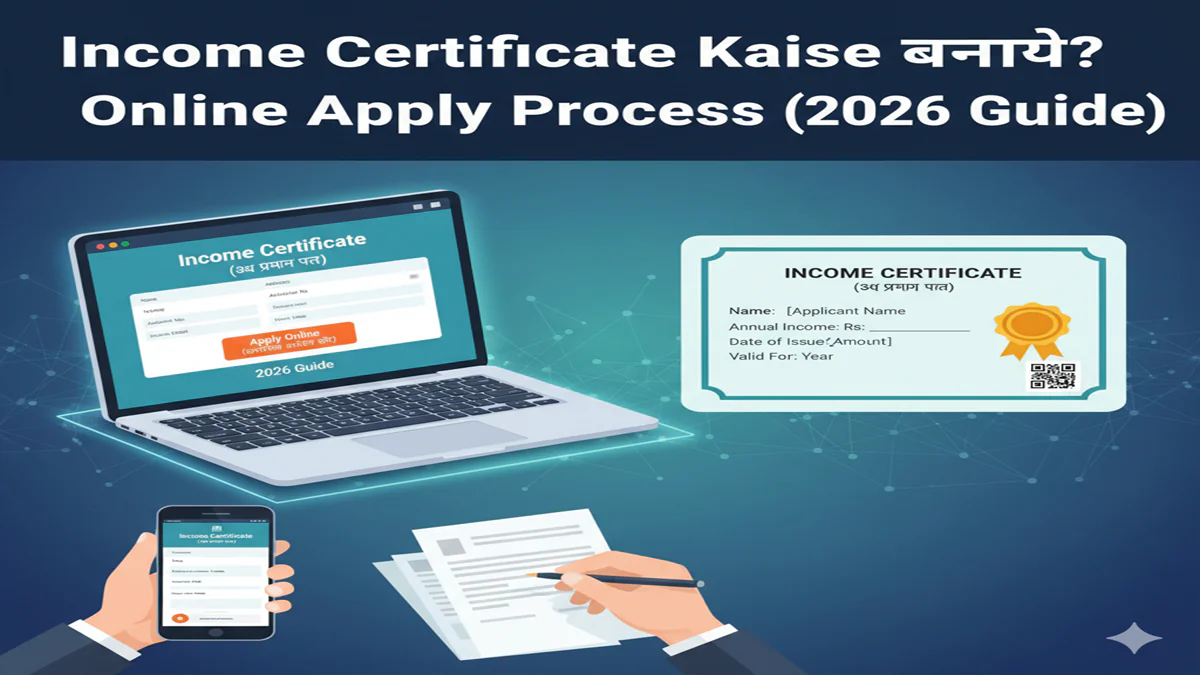

Income Certificate Online: उत्पन्नाचा दाखला घरबसल्या कसा काढायचा? पहा नवीन सोपी पद्धत २०२६

Income Certificate Kaise Banaye Online Apply Process (2026 Guide)

Table of Contents

Income Certificate Online: उत्पन्नाचा दाखला कसा काढायचा? आवश्यक कागदपत्रे आणि ऑनलाईन अर्जाची संपूर्ण प्रक्रिया!

Income Certificate Online: आजच्या काळात विद्यार्थ्यांचे ॲडमिशन असो, स्कॉलरशिप मिळवणे असो किंवा ‘लाडकी बहीण’, ‘सुभद्रा योजना’ यांसारख्या सरकारी योजनांचा लाभ घेणे असो—उत्पन्नाचा दाखला (Income Certificate) हे सर्वात महत्त्वाचे कागदपत्र आहे. पूर्वी हा दाखला मिळवण्यासाठी तहसील कार्यालयाचे अनेक फेरे मारावे लागायचे, पण आता तुम्ही घरबसल्या मोबाईल किंवा लॅपटॉपवरून यासाठी अर्ज करू शकता.

या लेखात आपण Income Certificate संदर्भात सर्व तांत्रिक माहिती, लागणारी कागदपत्रे आणि ऑनलाईन अर्जाची स्टेप-बाय-स्टेप पद्धत पाहणार आहोत.


१. उत्पन्नाचा दाखला म्हणजे काय? (What is Income Certificate?)

Income Certificate Online: उत्पन्नाचा दाखला हे एक अधिकृत दस्तऐवज आहे जे एखाद्या व्यक्तीचे किंवा त्याच्या कुटुंबाचे सर्व मार्गांनी होणारे वार्षिक उत्पन्न प्रमाणित करते. हा दाखला राज्याच्या महसूल विभागामार्फत (तहसीलदार/प्रांताधिकारी) दिला जातो.

२. आवश्यक कागदपत्रे (Documents Required 2026)

अर्ज करण्यापूर्वी खालील कागदपत्रे स्कॅन करून तयार ठेवा:

  • ओळखीचा पुरावा: आधार कार्ड, पॅन कार्ड किंवा मतदान कार्ड.
  • पत्त्याचा पुरावा: रेशन कार्ड, वीज बिल किंवा भाडे करार.
  • उत्पन्नाचा पुरावा (सर्वात महत्त्वाचे):
    • पगारदार व्यक्ती असल्यास: फॉर्म १६ किंवा गेल्या ३ महिन्यांची सॅलरी स्लिप.
    • शेतकरी असल्यास: ७/१२ आणि ८-अ चा उतारा.
    • इतर असल्यास: नगरसेवक किंवा ग्रामपंचायत यांचा उत्पन्नाचा दाखला / स्वयंघोषणापत्र.
  • फोटो: पासपोर्ट आकाराचा फोटो.

३. ऑनलाईन अर्ज करण्याची प्रक्रिया (Step-by-Step Guide)

Income Certificate Online: महाराष्ट्रात हा दाखला ‘आपले सरकार’ (Aaple Sarkar) पोर्टलवरून मिळतो.

स्टेप १: नोंदणी (Registration)

सर्वात आधी aaplesarkar.mahaonline.gov.in या वेबसाईटवर जा. जर तुम्ही नवीन युजर असाल, तर ‘New User? Register Here’ वर क्लिक करून तुमचे प्रोफाईल तयार करा.

स्टेप २: सेवेची निवड करा

लॉगिन केल्यानंतर, डाव्या बाजूला असलेल्या ‘Revenue Department’ (महसूल विभाग) वर क्लिक करा. त्यानंतर ‘Revenue Services’ निवडा आणि त्यात ‘Income Certificate’ हा पर्याय निवडा.

स्टेप ३: अर्ज भरा (Application Form)

तुमची वैयक्तिक माहिती, पत्ता आणि ज्या वर्षाचा दाखला हवा आहे (१ वर्ष किंवा ३ वर्षे) ती माहिती भरा. उत्पन्नाचे साधन (शेती, व्यापार किंवा नोकरी) अचूक नमूद करा.

स्टेप ४: कागदपत्रे अपलोड करा

विचारलेली सर्व कागदपत्रे (आधार, रेशन कार्ड, उत्पन्नाचा पुरावा) दिलेल्या साईजमध्ये अपलोड करा.

स्टेप ५: शुल्क भरा (Payment)

उत्पन्नाच्या दाखल्यासाठी शासनाची ठराविक फी (साधारण ₹३३.६०) ऑनलाईन भरा. पेमेंट झाल्यानंतर तुम्हाला एक ‘ॲक्नॉलेजमेंट पावती’ (Acknowledgement Receipt) मिळेल.


४. दाखला मिळण्यासाठी किती वेळ लागतो?

Income Certificate Online: नियमानुसार, ऑनलाईन अर्ज केल्यानंतर १५ दिवसांच्या आत तुम्हाला उत्पन्नाचा दाखला मिळणे आवश्यक आहे. डिजिटल स्वाक्षरी असलेला हा दाखला तुम्ही तुमच्या ‘आपले सरकार’ लॉगिनमधून कधीही डाउनलोड करू शकता.

५. उत्पन्नाच्या दाखल्याची वैधता (Validity)

  • १ वर्षाचा दाखला: हा दाखला ज्या आर्थिक वर्षात काढला आहे, त्याच वर्षाच्या ३१ मार्चपर्यंत वैध असतो.
  • ३ वर्षांचा दाखला: हा दाखला पुढील ३ आर्थिक वर्षांसाठी ग्राह्य धरला जातो. स्कॉलरशिपसाठी बहुदा ३ वर्षांचा दाखला विचारला जातो.

निष्कर्ष (Conclusion)

Income Certificate काढण्याची प्रक्रिया आता पारदर्शक आणि सोपी झाली आहे. लक्षात ठेवा, चुकीचे उत्पन्न दर्शवणे हा गुन्हा आहे, त्यामुळे अर्जात खरी माहिती भरा. जर तुम्हाला तातडीने दाखला हवा असेल, तर तुम्ही जवळच्या ‘महा-ई-सेवा’ केंद्रावर जाऊनही अर्ज करू शकता.


Quick Info Table

वैशिष्ट्यमाहिती
कोण देतो?महसूल विभाग (तहसीलदार)
वेबसाईटaaplesarkar.mahaonline.gov.in
वेळ१५ दिवस (कमाल)
शासकीय फी₹३३.६० (अंदाजे)
उपयोगस्कॉलरशिप, ॲडमिशन, रेशन कार्ड, सरकारी योजना

Income Certificate Kaise Banaye? 2026 Mein Online Apply Ka Complete Guide, Documents Aur FAQs

An Income Certificate is a crucial government document that serves as official proof of the annual financial earnings of an individual or a family. In an era where access to subsidies, scholarships, reservations, and welfare schemes is streamlined, this certificate acts as a key that unlocks these benefits. Whether you are applying for a college scholarship under the EWS (Economically Weaker Sections) quota, seeking a fee waiver, availing healthcare benefits, or applying for a housing scheme, a valid Income Certificate is often the first and most important requirement.

This comprehensive guide for 2026 will walk you through the entire process of obtaining an Income Certificate online—a method that has become faster, more transparent, and user-friendly thanks to digital India initiatives. We will cover the step-by-step application process, required documents, common reasons for rejection, and solutions to frequent problems.

An Income Certificate is an official document issued by the relevant state government’s Revenue Department (Tehsildar/Naib Tehsildar/SDM) or, in some cases, local municipal authorities. It certifies the total annual income of an individual or a family from all sources—salary, business, agriculture, rent, etc.

Key Uses and Importance:

  • Educational Scholarships: Mandatory for state and central government scholarships (e.g., Post-Matric, Pre-Matric, National Means-cum-Merit).
  • EWS/SEBC Quota Admission: Essential for admission under the Economically Weaker Sections or Socially and Educationally Backward Classes quota in educational institutions.
  • Government Welfare Schemes: Required to avail benefits of schemes like Ayushman Bharat (health insurance), PM Awas Yojana (housing), Ujjwala Yojana (LPG connection), and many more.
  • Legal and Financial Purposes: Sometimes needed for court cases, loan applications from cooperative banks, or to seek legal aid.
  • Tax Exemptions: Can be used to claim certain tax benefits or exemptions designed for lower-income groups.

Who Can Apply for an Income Certificate?

Any citizen of India whose annual family income is below a specified threshold (which varies from state to state) can apply. The “family” typically includes the applicant, their spouse, unmarried minor children, and dependent parents.

Income Slabs (Vary by State, Indicative for 2026):

  • EWS Category: Generally for families with an annual income below ₹8 lakh (as per current central guidelines, but states may have their own limits).
  • BPL (Below Poverty Line) Category: For families with income below the state-defined poverty line.
  • Non-Creamy Layer OBC: For OBC certificates, income limits apply (often around ₹8 lakh annually).

Prerequisites Before Applying Online in 2026

Before you start the online application, gather the following:

  1. Aadhaar Card: Linked with your current mobile number for OTP verification. This is the most critical ID.
  2. Ration Card or Domicile Certificate: For address and family composition proof.
  3. PAN Card: For income verification (if applicable).
  4. Bank Statement/Salary Slips: For the last 6 months to 1 year.
  5. Employer’s Certificate/Form 16: If employed.
  6. Business Income Proof: GST returns, audited accounts, or self-declaration for small businesses.
  7. Agriculture Income Proof: Land records (7/12 extract) and self-declaration.
  8. Passport-sized Photograph: Digital copy.
  9. Scanned Signatures: Digital copy.
  10. A Functional Email ID: For communication and document receipt.

Step-by-Step Online Application Process for Income Certificate (2026)

The primary portal for most state-level services is the State’s e-District or Sewa/SSDG Portal. The process is largely similar across states. We’ll outline the generic process and then give state-specific examples.

Generic Step-by-Step Process:

Step 1: Visit the Official Portal
Go to your state’s official e-District portal. For example:

Step 2: Register or Log In

  • Provide details like Aadhaar number, name, mobile number (linked to Aadhaar), and email ID.
  • Verify using the OTP sent to your mobile.
  • Create a secure username and password.

Step 3: Find the Service

  • Search for “Income Certificate” or look under the “Revenue Department” services.
  • Click on “Apply Online” or the equivalent button.

Step 4: Fill the Application Form
This is the most detailed part. Fill in all the fields accurately:

  • Applicant Details: Name, gender, date of birth (as per Aadhaar).
  • Family Details: Names, ages, and relationship of all family members.
  • Address Details: Permanent and current address.
  • Income Details:Breakdown is crucial. Declare income from:
    • Salary/Wages
    • Business/Profession
    • Agriculture
    • Rent
    • Any other source (pensions, interest, etc.)
  • Purpose of Application: Select from dropdown (e.g., Scholarship, EWS, Scheme Availment).

Step 5: Upload Required Documents
Upload clear, legible scanned copies or photographs of the documents. Ensure file size and format (PDF/JPG/PNG) are as per the portal’s specifications.

  • Typical uploads: Aadhaar, Ration Card, Address Proof, Income Proofs, Photograph, Signature.

Step 6: Review and Submit

Step 7: Payment of Fees

  • In most states, the Income Certificate is issued free of cost. However, some states may levy a minimal processing fee.
  • If applicable, pay online via net banking, debit/credit card, or UPI.

Step 8: Track Application Status
Use the provided Application Number on the portal’s “Track Application” section to see the status:

  • Submitted > Under Verification > Approved/Rejected > Certificate Ready for Download.

Step 9: Verification Process
A revenue official (like a Patwari or Clerk) may be assigned to verify the details. They might conduct a field verification or call you for an inquiry. Keep all original documents handy.

Step 10: Download the e-Certificate
Once the status shows “Approved” or “Certificate Issued,” you can download the digitally signed e-Certificate directly from the portal. You can also opt to collect it from the concerned Tehsil office.

State-Specific Nuances (2026 Update)

  • Uttar Pradesh: Uses the e-District UP portal. Integration with PARIVESH for official workflows. Often requires biometric authentication at CSC (Common Service Centre) for final submission in some cases.
  • Maharashtra: Leverages the Aaple Sarkar portal. The “Income Certificate from Tahsildar” service is prominently listed. SMS updates are quite efficient.
  • Delhi: The e-District Delhi portal is streamlined. After online application, you might need to visit the concerned SDM office with originals for physical verification.
  • Karnataka: The ‘ಮೈಸೆರ್ವ್’ (Mai Serve) portal or ‘ಸಾಕ್ಷಿ’ (Sakala) portal is used. The process is well-integrated with the ‘ಬಿಲ್ಲವಣಿ’ (Bilivani) land records system for agriculture income cross-checking.

Common Reasons for Rejection & How to Avoid Them

  1. Incorrect or Mismatched Information: Difference between Aadhaar details and application form. Solution: Double-check all entries.
  2. Insufficient or Unclear Income Proof: Bank statements not covering the period or being illegible. Solution: Provide comprehensive, clear proofs from all sources.
  3. Solution: Apply for the correct category, if available.
  4. Failed Field Verification: If the revenue official cannot verify your details at the provided address. Solution: Ensure someone is available at home during verification or provide correct contact numbers.
  5. Document Format Issues: Uploaded files are too large, blurry, or in the wrong format. Solution: Adhere strictly to the portal’s specified format and size.

Applying Through Common Service Centres (CSCs)

If you are not comfortable with the online process, visit your nearest Common Service Centre (CSC). The Village Level Entrepreneur (VLE) will assist you in filling the form, uploading documents, and submitting the application for a nominal service charge. Biometric authentication via the micro-ATM device at the CSC is often done here.


Frequently Asked Questions (FAQs)

1. क्या आय प्रमाण पत्र के लिए ऑनलाइन आवेदन करने के लिए आधार कार्ड अनिवार्य है? (Is Aadhaar Card mandatory for online application of Income Certificate?)

हां, वर्ष 2026 में लगभग सभी राज्यों के ऑनलाइन पोर्टल के लिए आधार कार्ड अनिवार्य है। यह आपकी पहचान और आवास के प्रमुख प्रमाण के रूप में कार्य करता है और ओटीपी सत्यापन के लिए आवश्यक है। आधार से लिंक मोबाइल नंबर होना भी जरूरी है।

2. आय प्रमाण पत्र बनने में कितना समय लगता है? (How much time does it take to make an Income Certificate?)

सामान्य परिस्थितियों में, ऑनलाइन आवेदन जमा करने के बाद प्रमाण पत्र जारी होने में7 से 15 कार्यदिवसलगते हैं। यह समय राज्य, तहसील में आवेदनों की संख्या और फील्ड सत्यापन की आवश्यकता पर निर्भर करता है। आप अपने आवेदन संख्या से पोर्टल पर स्थिति की जांच कर सकते हैं।

3. क्या मैं पारिवारिक आय के बजाय केवल व्यक्तिगत आय का प्रमाण पत्र प्राप्त कर सकता हूँ? (Can I get a certificate for only personal income instead of family income?)

नहीं, आय प्रमाण पत्र आमतौर परपारिवारिक आयके लिए ही जारी किया जाता है। “परिवार” की परिभाषा में आवेदक, पति/पत्नी, अविवाहित नाबालिग बच्चे और आश्रित माता-पिता शामिल होते हैं। अधिकांश सरकारी योजनाओं और कोटा के लिए पारिवारिक आय ही महत्वपूर्ण है।

4. अगर मेरा आवेदन अस्वीकार कर दिया गया है तो मुझे क्या करना चाहिए?

पोर्टल पर आमतौर पर अस्वीकृति काकारणबताया जाता है (जैसे दस्तावेज अपर्याप्त, आय सीमा से अधिक)। आप सुधार करकेपुनः आवेदनकर सकते हैं। अस्वीकृति के आदेश के खिलाफ संबंधित तहसीलदार या एसडीएम कार्यालय मेंअपीलभी दायर कर सकते हैं। नया आवेदन जमा करने से पहले त्रुटि को ठीक करना सुनिश्चित करें।

5. क्या ऑनलाइन जारी डाउनलोड करने योग्य ई-प्रमाणपत्र मान्य है? (Is the downloadable e-Certificate issued online valid?)

हां,बिल्कुल मान्य है। ऑनलाइन जारी किया गया ई-प्रमाणपत्र एकडिजिटली हस्ताक्षरित दस्तावेजहोता है और यह भौतिक (हार्ड कॉपी) प्रमाणपत्र के समान ही कानूनी रूप से मान्य होता है। इसमें एक यूनिक QR कोड होता है जिसे स्कैन करके इसकी सत्यता को किसी भी सरकारी अधिकारी द्वारा ऑनलाइन सत्यापित किया जा सकता है।


(Yes, as of 2026, Aadhaar Card is mandatory for online portals in almost all states. It serves as the primary proof of identity and residence and is required for OTP verification. A mobile number linked to Aadhaar is also essential.)

(Under normal circumstances, it takes7 to 15 working daysfor the certificate to be issued after submitting the online application. This time depends on the state, the volume of applications in the Tehsil, and the need for field verification. You can check the status on the portal using your application number.)


(No, an Income Certificate is typically issued for family income. The definition of “family” includes the applicant, spouse, unmarried minor children, and dependent parents. Family income is the critical factor for most government schemes and quotas.)


(The portal usually states thereasonfor rejection (e.g., documents insufficient, income exceeds limit). You canre-applyafter making corrections. You can also file anappealwith the concerned Tehsildar or SDM office against the rejection order. Ensure you rectify the error before submitting a fresh application.)
(Yes,absolutely valid. The e-Certificate issued online is adigitally signed documentand is legally valid at par with the physical (hard copy) certificate. It contains a unique QR code that can be scanned to verify its authenticity online by any government official.)

Conclusion

Obtaining an Income Certificate in 2026 is a predominantly online, systematic, and citizen-centric process. The key to a hassle-free experience lies in accurate information, clear documentation, and careful follow-up. By leveraging the digital infrastructure of the e-District portals, you can secure this vital document from the comfort of your home, ensuring you and your family can access the rights and benefits you are entitled to. Always rely on your state’s official portal for the most up-to-date and accurate information, as processes and requirements can evolve.

How To Open A Cafe With A Low Budget In India: कम बजट में अपना कैफे कैसे शुरू करें? स्टेप-बाय-स्टेप बिजनेस प्लान।

How To Open A Cafe With A Low Budget In India

Table of Contents

How To Open A Cafe With A Low Budget In India: कम बजट में अपना ड्रीम कैफे कैसे शुरू करें? जानें पूरी प्रक्रिया और बिजनेस प्लान!

Introduction:

How To Open A Cafe With A Low Budget In India: आजकल के युवाओं के बीच कैफे कल्चर बहुत तेजी से लोकप्रिय हो रहा है। चाहे दोस्तों के साथ गपशप करनी हो या ऑफिस का काम, लोग कैफे जाना पसंद करते हैं। कई लोग अपना खुद का कैफे शुरू करना चाहते हैं, लेकिन बजट की कमी के कारण पीछे हट जाते हैं। लेकिन क्या आप जानते हैं कि सही योजना के साथ भारत में Low Budget में भी एक सफल कैफे खोला जा सकता है?

यदि आप भी जानना चाहते हैं कि “How To Open A Cafe With A Low Budget In India”, तो यह लेख आपके लिए है। यहाँ हम लोकेशन चुनने से लेकर लाइसेंस और मार्केटिंग तक की पूरी जानकारी देंगे।


1. कैफे का कॉन्सेप्ट और प्रकार (Concept & Type)

How To Open A Cafe With A Low Budget In India: कम बजट में शुरुआत करने के लिए आपको सबसे पहले अपने कैफे का मॉडल चुनना होगा:

  • कियोस्क मॉडल (Kiosk): यह सबसे छोटा होता है, जहाँ केवल टेक-अवे (Take-away) की सुविधा होती है।
  • क्विक सर्विस रेस्टोरेंट (QSR): कम बैठने की जगह और सीमित मेनू के साथ।
  • थीम कैफे: पुराने फर्नीचर और क्रिएटिविटी का उपयोग करके कम खर्च में बनाया गया कैफे।

2. सही लोकेशन का चुनाव (Selecting the Right Location)

How To Open A Cafe With A Low Budget In India: कैफे की सफलता उसकी लोकेशन पर निर्भर करती है। बजट कम रखने के लिए:

  • मुख्य सड़क के बजाय किसी कॉलेज, कोचिंग सेंटर या ऑफिस कॉम्प्लेक्स के पास छोटी गली में जगह लें।
  • ऐसी जगह चुनें जहाँ फुटफॉल (लोगों का आना-जाना) ज्यादा हो।
  • शुरुआत में 200 से 400 स्क्वायर फीट की जगह काफी है।

3. आवश्यक लाइसेंस और कानूनी प्रक्रिया (Licenses Required)

How To Open A Cafe With A Low Budget In India: भारत में कैफे शुरू करने के लिए कुछ अनिवार्य लाइसेंस की जरूरत होती है:

  1. FSSAI लाइसेंस: खाद्य सुरक्षा के लिए सबसे महत्वपूर्ण।
  2. Trade License: स्थानीय नगर निगम से।
  3. Fire Safety Certificate: सुरक्षा के लिए।
  4. GST Registration: यदि आपका टर्नओवर सीमा से अधिक है।

4. कम बजट में इंटीरियर डिजाइन (Low-Cost Interior Ideas)

How To Open A Cafe With A Low Budget In India: इंटीरियर पर लाखों खर्च करने के बजाय ‘मिनिमलिस्ट’ (Minimalist) एप्रोच अपनाएं:

  • पुरानी वस्तुओं का उपयोग: पुरानी साइकिल, टायर्स या लकड़ी के पैलेट्स को फर्नीचर और सजावट के लिए उपयोग करें।
  • दीवारों पर आर्ट: लोकल आर्टिस्ट से दीवारों पर पेंटिंग करवाएं या वॉलपेपर का उपयोग करें।
  • लाइटिंग: वॉर्म लाइट्स (Warm lights) कैफे को एक प्रीमियम लुक देती हैं।

5. मेनू और उपकरण (Menu and Equipment)

How To Open A Cafe With A Low Budget In India: मेनू को छोटा और प्रभावी रखें। कम बजट के लिए:

  • केवल उन डिशेज को रखें जो जल्दी बनती हों और जिनकी डिमांड ज्यादा हो (जैसे- सैंडविच, पास्ता, मोमोज, कॉफी)।
  • उपकरण (जैसे ओवन, कॉफी मशीन, फ्रिज) आप सेकंड-हैंड भी खरीद सकते हैं, बशर्ते वे अच्छी स्थिति में हों।

6. मार्केटिंग और प्रमोशन (Marketing & Promotion)

How To Open A Cafe With A Low Budget In India: आज के दौर में डिजिटल मार्केटिंग सबसे सस्ता और अच्छा विकल्प है:

  • सोशल मीडिया: इंस्टाग्राम और फेसबुक पर कैफे के खाने और इंटीरियर के अच्छे फोटो डालें।
  • गूगल माय बिजनेस (Google My Business): अपने कैफे को गूगल मैप पर रजिस्टर करें ताकि स्थानीय लोग आपको ढूंढ सकें।
  • ओपनिंग ऑफर्स: ‘Buy 1 Get 1 Free’ जैसे ऑफर्स से शुरुआत में भीड़ जुटाएं।

4. बजट का अनुमान (Estimated Investment)

मद (Head)अनुमानित खर्च (₹)
जगह का डिपॉजिट (Rent Deposit)50,000 – 1,00,000
इंटीरियर और फर्नीचर70,000 – 1,50,000
किचन उपकरण50,000 – 1,00,000
लाइसेंस और मार्केटिंग20,000 – 30,000
कुल (Total)2.5 लाख – 4.5 लाख

5. अक्सर पूछे जाने वाले प्रश्न (FAQs)

Q1: क्या 2 लाख रुपये में कैफे शुरू किया जा सकता है?

Ans: हाँ, यदि आप कियोस्क या टेक-अवे मॉडल पर काम करते हैं और इंटीरियर पर कम खर्च करते हैं, तो 2 लाख में शुरुआत संभव है।

Q2: कैफे बिजनेस में कितना मुनाफा होता है?

Ans: आमतौर पर कैफे बिजनेस में 30% से 50% तक का प्रॉफिट मार्जिन होता है।

Q3: क्या मुझे शेफ रखने की जरूरत है?

Ans: शुरुआत में आप खुद या एक सहायक के साथ काम कर सकते हैं। मेनू को सरल रखें ताकि कोई भी उसे आसानी से बना सके।


Conclusion: सफलता का मंत्र!

How To Open A Cafe With A Low Budget In India: भारत में कम बजट में कैफे खोलना (How To Open A Cafe With A Low Budget In India) कोई मुश्किल काम नहीं है। जरूरत है तो बस एक अच्छी प्लानिंग, स्वाद और बेहतरीन सर्विस की। छोटे स्तर से शुरुआत करें और जैसे-जैसे मुनाफा बढ़े, अपने बिजनेस को विस्तार दें।

How to Open a Cafe With A Low Budget In India: A Step-by-Step Guide for Aspiring Entrepreneurs

How To Open A Cafe With A Low Budget In India: Opening a cafe is a cherished dream for many in India—a place where the aroma of freshly brewed coffee mingles with the warmth of conversation. However, the perception that launching a cafe requires substantial capital often deters passionate individuals. The truth is, with strategic planning, creativity, and frugal execution, you can open a charming, profitable cafe on a surprisingly low budget. This comprehensive 2000+ word guide will walk you through the entire process, from ideation to launch, tailored for the Indian market.

Chapter 1: The Foundation – Planning & Conceptualization (Budget: Minimal to None)

How To Open A Cafe With A Low Budget In India: Before spending a single rupee, invest your time in meticulous planning. This phase is crucial for low-budget success.

Instead of a generic cafe, consider:

  • Theme-Based: A board game cafe, a used-book cafe, a pet-friendly courtyard cafe, or a cafe showcasing local art.
  • Cuisine-Focused: Dedicated to single-origin Indian coffee, traditional kadak chai and bun-maska, homemade desserts, or healthy, organic snacks.
  • Community-Oriented: A co-working cafe for freelancers, a poetry-reading hub, or a cultural space for local musicians.
    A focused concept helps in targeted marketing and reduces initial inventory costs.

2. Craft a Lean Business Plan: You don’t need a 50-page document. Create a lean plan covering:

  • The Idea: Your concept, mission, and vision.
  • Target Audience: College students, office professionals, young families?
  • Menu & Pricing: A sample menu with key items and competitive pricing.
  • Budget & Financials: A detailed estimate of one-time startup costs and monthly operational expenses (more on this below).
  • Marketing Strategy: How you’ll attract customers with minimal spend.

3. The Low-Budget Budget: Estimating Costs Realistically
A low-budget cafe in India can be launched for ₹5-10 lakhs, depending on city and scale. Here’s a rough breakup:

CategoryEstimated Cost (₹)Low-Budget Tips
Licenses & Legal50,000 – 1,00,000Start with FSSAI, GST, and local municipal trade license.
Space (Security Deposit)1,00,000 – 3,00,000Biggest variable. Opt for shared spaces, suburbs, or first-floor locations.
Interior & Furniture1,00,000 – 2,00,000Use refurbished, rented, or DIY furniture. Thrift stores are your friend.
Kitchen Equipment1,50,000 – 3,00,000Prioritize second-hand equipment. Buy core items only (brewer, grinder, fridge).
Initial Inventory50,000 – 1,00,000Start with a limited menu; buy in bulk from wholesale markets.
Pre-Launch Marketing20,000 – 50,000Rely heavily on free digital marketing.
Contingency50,000Absolutely essential.
TOTAL6,00,000 – 12,00,000Can be optimized to the lower end with smart choices.

Chapter 2: The Hunt – Location & Licenses (Budget: High Impact, High Negotiation)

1. The Art of Securing a Low-Cost, High-Potential Location:

  • Look Beyond High Streets: Prime footfall areas come with prime rents. Explore:
    • Residential Neighborhoods: Near parks, fitness centers, or residential complexes.
    • Educational Hubs: Streets adjacent to colleges/universities.
    • Office Catchments: In business districts but on side lanes or first floors.
    • Shared Spaces & Kiosks: Rent a corner in a bookstore, library, or co-working space.
  • Consider a Home Cafe: If you have a ground-floor space with separate entry in a good locality, this is the ultimate budget saver.
  • Negotiate Hard: Offer to pay a higher security deposit for lower monthly rent. Seek a lock-in period and rent-free months for fit-out.

2. Navigating the Legal Maze (Licenses & Registrations):

  • How To Open A Cafe With A Low Budget In India: Entity Registration:Start as a Sole Proprietorship (easiest and cheapest). Upgrade to LLP or Pvt Ltd later.
  • FSSAI License: Mandatory. The basic license costs approx. ₹3,000/year for a small eatery.
  • GST Registration: Required if you expect annual turnover above ₹20 lakhs (₹10 lakhs for special category states). Voluntary registration is beneficial for input tax credit.
  • How To Open A Cafe With A Low Budget In India: Local Municipal Health/Trade License:Obtain from your local municipal corporation.
  • Check with your landlord/local authorities.
  • Music License: From PPL & Novex if you play recorded music.

Chapter 3: Frugal Fit-Out & Equipment (Budget: Creativity Over Cash)

How To Open A Cafe With A Low Budget In India: This is where your personality and smart shopping can shine.

1. Interior Design on a Dime:

  • How To Open A Cafe With A Low Budget In India: Embrace the “Shabby Chic” or Industrial Look:Exposed bricks, polished cement floors, and pipes are stylish and save on plaster and paint.
  • DIY & Upcycle: Paint old furniture, use wooden crates as shelves, turn tyres into side tables. Involve artist friends for murals.
  • Lighting is Key: Inexpensive fairy lights, second-hand lamps, and good use of natural light can create magic.
  • Plants, Plants, Plants: The most affordable decor. Use indoor plants, terracotta pots, and hanging planters.
  • Source Second-Hand: Scout OLX, Facebook Marketplace, and local chor bazaars for tables, chairs, and display units.

2. Kitchen & Equipment: The Heart of Your Cafe

  • The Non-Negotiables (Buy Smart):
    • Coffee Machine: Consider a good-quality second-hand machine or a robust South Indian filter coffee brewer for a fraction of the cost.
    • Refrigerator: A second-hand commercial fridge or a large, new domestic one to start.
    • Grinder: A reliable coffee bean grinder.
    • Cooking Station: A simple LPG burner setup or a second-hand induction cooktop.
    • Storage: Basic shelving and containers.
  • How To Open A Cafe With A Low Budget In India: Rent or Lease:Explore equipment leasing options for high-ticket items.
  • Borrow & Barter: For the initial launch, can you borrow a microwave or a juicer from family?

Chapter 4: The Menu & Operations – Where Quality Meets Thrift

1. Crafting a Killer, Cost-Effective Menu:

  • How To Open A Cafe With A Low Budget In India: Start Small, Start Signature:Have 5-7 drink options and 7-10 food items. Perfect them. A famous “Maggi Point” or “Special Chai” can become your identity.
  • Leverage Local & Seasonal: Source fruits, vegetables, and dairy locally. Seasonal produce is cheaper and fresher.
  • How To Open A Cafe With A Low Budget In India: In-House is the Way:Avoid ready-made mixes and frozen foods. Make your syrups, batter, and dough. It’s cheaper and a great selling point.
  • Cost Control: Use a simple spreadsheet to calculate the cost of each ingredient per serving. Aim for a food cost of 30-40%.

2. Building Your Supply Chain:

  • Coffee/Tea: Approach local roasters or distributors for competitive prices. Buy in bulk.
  • Groceries: Establish accounts with wholesale dealers (like METRO, Booker) or local kirana wholesalers.
  • Daily Produce: Tie up with a local subziwala for daily deliveries at market rates.

3. The Human Element – Staffing:

  • Start Solo/With Family: Be your own first barista, server, and cashier.
  • Hire Multi-Taskers: For your first 1-2 employees, look for enthusiastic individuals willing to handle counter, serving, and basic cleaning.
  • Train Thoroughly: Invest time in training them on your recipes, customer service, and cost-saving mindset.

Chapter 5: The Grand (Frugal) Launch & Marketing

1. The Soft Launch:
How To Open A Cafe With A Low Budget In India: Before a grand opening, have a 1-2 week soft launch. Invite friends, family, and local influencers for free tastings in exchange for honest feedback and social media posts. This helps iron out operational kinks without the pressure.

2. Low-Cost, High-Impact Marketing Strategies:

  • Instagram & Facebook are Your Best Friends: Create an appealing page. Post daily—behind-the-scenes stories, menu highlights, customer photos. Use local hashtags.
  • Collaborate with Micro-Influencers: Offer them a free meal for a post. They have highly engaged local followers.
  • Loyalty Programs: A simple “Buy 9 coffees, get the 10th free” punch card works wonders.
  • Engage with the Local Community: Sponsor a local sports team, host a book club meeting, or display artwork from a nearby college.
  • Google My Business: ESSENTIAL. 

Chapter 6: The Road Ahead – Sustainability & Growth

How To Open A Cafe With A Low Budget In India: Opening is just the beginning. Monitor your cash flow daily. Track best-selling items and discontinue slow movers. Listen to customer feedback religiously. Reinvest your initial profits back into the business—maybe in that espresso machine you originally dreamed of.

Your cafe’s success hinges not on how much you spend, but on the experience you create. In India, where warmth and connection are valued as much as the beverage, a personal touch, consistent quality, and a welcoming atmosphere will always beat sterile extravagance.


FAQs: Opening a Cafe on a Low Budget in India

Q1. What is the absolute minimum budget required to open a small cafe in India?

How To Open A Cafe With A Low Budget In India: A: With extreme frugality, a home cafe or a very small kiosk-style setup can be started with as little as₹3-5 lakhs. This would involve a minimal menu (e.g., chai, coffee, 3-4 snacks), used equipment, basic home-style interiors, and handling most operations yourself. However, a more sustainable standalone model typically requires₹6-10 lakhs.

Q2. Which is the most profitable item on a cafe menu in India?

How To Open A Cafe With A Low Budget In India: A: Traditionally,beverages—especially tea, coffee, and packaged drinks—have the highest profit margins (often 60-80%). Food items have lower margins (30-50%) due to ingredient costs. A focus on perfecting your signature drinks and pairing them with a few high-margin snacks (like cookies, cakes, or sandwiches) is a solid low-budget strategy.

Q3. Can I run a cafe from home legally in India?

How To Open A Cafe With A Low Budget In India: A:Yes, but with conditions.You must comply with all regulations:
Secure anFSSAI License(Home Catering/Business).
Check your local municipalzoning lawsand obtain aTrade License.
Ensure you have aseparate, hygienic kitchen spaceused only for commercial purposes.
Inform yourResident Welfare Association (RWA), as some societies have rules against commercial activities.

Q4. How can I save money on the biggest expense—rent?

How To Open A Cafe With A Low Budget In India: A:Negotiate, negotiate, negotiate.Offer to pay 6 months to a year’s rent as a security deposit for a lower monthly rate. Look for spaces that have been vacant for a while. Considerrevenue-sharing modelswith complementary businesses (like a bookshop or gallery). Opt for asub-leaseor look for locations slightly away from the main road but with good visibility.

Q5. What are the most common mistakes first-time cafe owners make on a budget?

How To Open A Cafe With A Low Budget In India: A: The key pitfalls to avoid are:
Undercapitalization:Not having a 20-25% contingency fund for unexpected expenses.
Over-investing in Interiors:Splurging on theme-based decor before ensuring operational funds.
An Overly Large Menu:Increasing inventory costs and complexity without guaranteed sales.
Ignoring Digital Marketing:In today’s world, a strong, organic social media presence is non-negotiable and free.
Poor Location Choice:Choosing a cheap rent in an area with zero footfall or accessibility.

By navigating these steps carefully and focusing on passion over perfection, you can turn your dream of owning a charming Indian cafe into a thriving, budget-conscious reality.

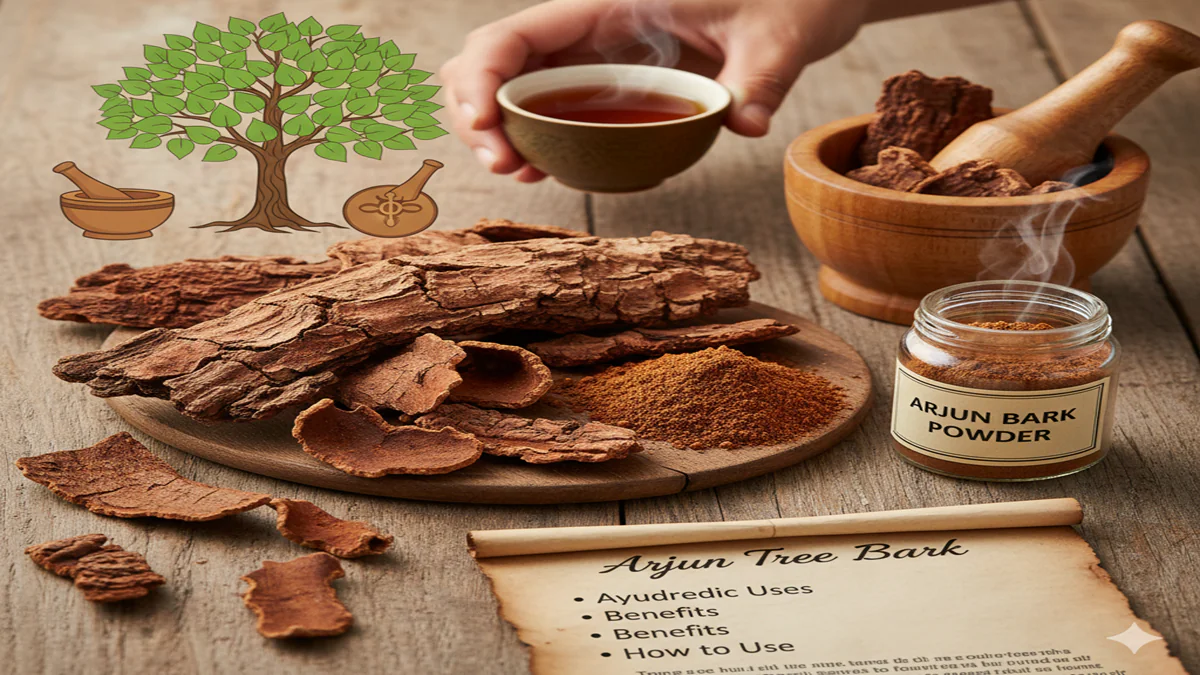
Arjun Tree Benefits: हृदयासाठी वरदान आहे अर्जुन वृक्ष! जाणून घ्या याचे ५ चमत्कारी फायदे

Arjun Tree Bark Ayurvedic Uses, Benefits & How To Use

Table of Contents

Arjun Tree (अर्जुन वृक्ष): हृदय रोगों के लिए प्रकृति का वरदान! जानें इसके फायदे, उपयोग और सही तरीका।

Arjun Tree Benefits: Introduction: आयुर्वेद में अर्जुन वृक्ष (Arjun Tree) को हृदय के लिए सबसे उत्तम औषधि माना गया है। हजारों सालों से ऋषि-मुनि और आयुर्वेदिक चिकित्सक दिल की बीमारियों के इलाज के लिए ‘अर्जुन की छाल’ का उपयोग करते आ रहे हैं। आधुनिक विज्ञान भी अब अर्जुन के पेड़ (Terminalia Arjuna) में मौजूद औषधीय गुणों को स्वीकार कर चुका है।

यदि आप बढ़ते कोलेस्ट्रॉल, हाई ब्लड प्रेशर या दिल की कमजोरी से परेशान हैं, तो Arjun Tree Benefits आपके लिए जीवनदायी साबित हो सकते हैं। इस लेख में हम विस्तार से जानेंगे कि अर्जुन की छाल का उपयोग कैसे करें और इसके स्वास्थ्य लाभ क्या हैं।


1. अर्जुन वृक्ष के मुख्य स्वास्थ्य लाभ (Health Benefits)

Arjun Tree Benefits: १. हृदय के लिए ‘हार्ट टॉनिक’ (Excellent Heart Tonic): अर्जुन की छाल में ‘कोएंजाइम Q10’ प्रचुर मात्रा में होता है, जो हृदय की मांसपेशियों को मजबूती देता है। यह हार्ट बीट को नियमित करता है और हृदय में रक्त के संचार (Blood Circulation) को सुधारता है।

२. हाई ब्लड प्रेशर और कोलेस्ट्रॉल (High BP & Cholesterol): यह शरीर से खराब कोलेस्ट्रॉल (LDL) को कम करने और अच्छे कोलेस्ट्रॉल (HDL) को बढ़ाने में मदद करता है। इसके सेवन से धमनियों (Arteries) में जमा हुआ ‘प्लाक’ साफ होता है, जिससे ब्लड प्रेशर नियंत्रित रहता है और हार्ट अटैक का खतरा कम होता है।

Arjun Tree Benefits: ३. मधुमेह में राहत (Diabetes Management): अर्जुन की छाल में एंटी-डायबिटिक गुण होते हैं। यह किडनी और लीवर की कार्यक्षमता को बढ़ाकर ब्लड शुगर लेवल को स्थिर रखने में मदद करता है।

४. वजन घटाने में सहायक (Weight Loss): अक्सर मेटाबॉलिज्म धीमा होने के कारण वजन बढ़ता है। अर्जुन की छाल का काढ़ा पीने से शरीर का मेटाबॉलिज्म तेज होता है और अतिरिक्त चर्बी बर्न करने में मदद मिलती है।

Arjun Tree Benefits: ५. हड्डियों की मजबूती (Healing Fractures): आयुर्वेद के अनुसार, अर्जुन की छाल हड्डियों को जोड़ने (Bone Healing) में बहुत प्रभावी है। कैल्शियम की कमी को दूर करने के लिए इसका दूध के साथ सेवन करना फायदेमंद होता है।


2. अर्जुन की छाल का उपयोग कैसे करें? (How to Use)

१. अर्जुन की छाल की चाय/काढ़ा: एक चम्मच अर्जुन की छाल के पाउडर को दो गिलास पानी में उबालें। जब पानी आधा रह जाए, तो उसे छानकर चाय की तरह पिएं।

Arjun Tree Benefits: २. दूध के साथ सेवन (Best for Heart): आधा चम्मच अर्जुन की छाल का पाउडर एक गिलास दूध में डालकर उबालें। रात को सोने से पहले इसका सेवन करना हृदय के लिए सबसे लाभकारी माना जाता है।

३. अर्जुनारिष्ट (Arjunarishta): यह एक तरल आयुर्वेदिक दवा है जो बाजार में आसानी से उपलब्ध है। इसे चिकित्सक की सलाह पर पानी के साथ लिया जा सकता है।


3. अर्जुन की छाल लेते समय सावधानियां (Precautions)

  • गर्भावस्था: गर्भवती महिलाओं को इसका सेवन करने से पहले डॉक्टर की सलाह लेनी चाहिए।
  • अति सेवन: इसकी तासीर शीतल होती है, इसलिए बहुत अधिक मात्रा में सेवन करने से पाचन संबंधी समस्या हो सकती है।
  • लो ब्लड प्रेशर: जिनका बीपी पहले से ही बहुत कम रहता है, उन्हें इसका सेवन सावधानी से करना चाहिए।

4. अक्सर पूछे जाने वाले प्रश्न (FAQs)

Q1: अर्जुन की छाल कितने समय तक लेनी चाहिए?

Ans: आमतौर पर इसे 1 से 2 महीने तक लिया जा सकता है, लेकिन किसी भी गंभीर बीमारी में आयुर्वेदिक चिकित्सक की सलाह जरूर लें।

Q2: क्या अर्जुन की छाल खून साफ करती है?

Ans: हाँ, इसमें मौजूद एंटीऑक्सीडेंट्स खून को साफ करने और शरीर से टॉक्सिन्स बाहर निकालने में मदद करते हैं।

Q3: क्या मैं रोजाना अर्जुन की चाय पी सकता हूँ?

Ans: हाँ, हृदय स्वास्थ्य को बनाए रखने के लिए रोजाना एक बार इसका सेवन करना सुरक्षित और लाभकारी है।


Conclusion: हृदय का सच्चा मित्र – अर्जुन!

Arjun Tree प्रकृति का एक अनमोल उपहार है। खराब खान-पान और तनाव के इस दौर में अपने दिल का ख्याल रखना हमारी जिम्मेदारी है। अर्जुन की छाल को अपनी जीवनशैली में शामिल करना दिल की बीमारियों से बचने का एक सरल और प्राकृतिक तरीका है।

Arjun Tree Bark: Ayurvedic Uses, Benefits & How To Use

Introduction: The Heart’s Ancient Guardian

Arjun Tree Benefits: In the rich tapestry of Ayurvedic medicine, few herbs are as revered for cardiovascular health as the Arjun tree. Known scientifically asTerminalia arjuna, this majestic deciduous tree has been a cornerstone of traditional Indian healing for over three millennia. Its distinctive, smooth, grey-white bark peels off in large flat sheets, revealing a core that has been meticulously documented in ancient texts like the Charaka Samhita and Sushruta Samhita for its profound healing properties.

The Arjun tree is often found lining the banks of rivers and streams across the Indian subcontinent, its presence both calming and vital. In Ayurveda, it is classified as a “Rasayana” (rejuvenator) and specifically a “Hridya” – a herb that strengthens and nourishes the heart. Beyond its physical applications, the tree holds cultural and spiritual significance, often associated with strength and resilience in Indian mythology.

This comprehensive guide explores the multifaceted world of Arjun bark, delving into its traditional uses, modern scientific validations, practical applications, and important considerations for safe use.

Historical & Ayurvedic Perspective

The Ayurvedic Profile: Rasa, Virya, and Vipaka

Arjun Tree Benefits: According to the principles of Ayurveda, every substance possesses a unique combination of qualities that determine its therapeutic effect. Arjun bark is characterized by:

  • Rasa (Taste): Kashaya (astringent), Madhura (sweet)
  • Guna (Qualities): Laghu (light), Ruksha (dry)
  • Virya (Potency): Sheeta (cooling)
  • Vipaka (Post-digestive effect): Katu (pungent)

This combination makes it exceptionally effective in balancing both Pitta and Kapha doshas. Its cooling nature soothes Pitta-related inflammation and heat, while its drying, light qualities help reduce excess Kapha, which can manifest as congestion, heaviness, and high cholesterol. It has a neutral effect on Vata in normal doses but can aggravate it if used in excess due to its drying quality.

Traditional Indications

Arjun Tree Benefits: Classical Ayurvedic texts prescribe Arjuna for a wide range of conditions, primarily but not exclusively related to the circulatory system:

  • Hridroga: All types of heart disease, including pain, palpitations, and weakness of the cardiac muscle.
  • Raktapitta: Bleeding disorders such as hemoptysis (coughing up blood) and hemorrhages, thanks to its potent astringent action.
  • Bhagna: Bone fractures, used as a paste to accelerate healing.
  • Kshaya: General debility and wasting diseases, as a restorative tonic.
  • Medoroga: Conditions related to lipid metabolism, akin to modern hyperlipidemia and obesity.

Modern Scientific Benefits & Active Constituents

Arjun Tree Benefits: Modern phytochemical research has identified the key bioactive compounds in Arjun bark responsible for its therapeutic fame. These include:

  • Tannins (especially Arjunic acid, Ellagic acid, Gallic acid): Provide antioxidant, anti-inflammatory, and astringent properties.
  • Triterpenoid saponins (Arjunetin, Arjungenin): Contribute to its cardioprotective and hypolipidemic effects.
  • Flavonoids (Arjunone, Luteolin): Offer strong antioxidant protection.
  • Minerals: Rich in calcium, magnesium, zinc, and copper, essential for cardiac and bone health.

Here’s how these compounds translate into evidence-based benefits:

1. Cardioprotective & Heart Tonic

  • Improves Cardiac Muscle Function: It acts as a natural inotrope, gently strengthening the heart’s contractile force without overstimulating it. Studies show it can be beneficial in managing congestive heart failure (CHF), improving ejection fraction and reducing angina symptoms.
  • Antianginal: By improving coronary artery blood flow and reducing ischemia, it helps alleviate chest pain.
  • Hypotensive: Exhibits a mild blood pressure-lowering effect, primarily through a diuretic action and possible vasodilation.
  • Antioxidant for the Heart: Protects cardiac tissues from oxidative damage caused by free radicals, a key factor in many chronic heart diseases.

2. Hypolipidemic Agent

Arjun bark has demonstrated a consistent ability to support healthy lipid profiles.

  • It helps reduce serum levels of total cholesterol, LDL (“bad” cholesterol), and triglycerides.
  • The mechanism is believed to involve reduced cholesterol synthesis in the liver and increased fecal bile acid excretion.

3. Supports Mental Health & Stress Resilience

Ayurveda intrinsically links the heart and mind. Arjuna’s calming (sattvic) nature is used for:

  • Emotional Heartache: Used traditionally for grief and emotional trauma held in the heart.
  • Stress & Anxiety: Its adaptogenic properties may help modulate the stress response, particularly stress that manifests with palpitations or high blood pressure.

4. Promotes Wound Healing & Skin Health

The high tannin content gives Arjuna bark potent astringent and antimicrobial properties.

  • Topical Application: A paste of the bark powder can be applied to wounds, ulcers, and acne to promote faster healing, reduce inflammation, and control infection.
  • Internal Use for Bleeding: Its hemostatic action helps manage bleeding gums, hemorrhoids, and excessive menstrual bleeding (menorrhagia).

5. Strengthens Bones

While less known, Arjuna’s high mineral content, particularly calcium and magnesium, supports bone density and recovery. Traditionally, its decoction is given to accelerate the healing of fractures.

How to Use Arjun Bark: Forms & Methods

Arjun bark is available in several forms. The quality of the source is paramount—look for organic, sustainably harvested products from reputable suppliers.

1. Powder (Churna)

The most common and versatile form.

  • Dosage: Typically 1-3 grams, twice daily, taken with an adjuvant (anupana) to enhance effects and digestibility.
  • How to Take:
    • For Heart Health: With warm milk (balances Vata), honey (enhances tonic effect), or ghee.
    • For High Cholesterol/Weight: With warm water and a teaspoon of honey.
    • For Bleeding Disorders: With cold water or rice wash water (kanji).
  • Preparation: The powder can be mixed directly into the liquid. It’s often recommended to start with a lower dose (500 mg) and gradually increase.

2. Decoction (Kashayam/Kwath)

A stronger, more concentrated water-based extract.

  • Recipe: Boil 1 teaspoon (approx. 5 grams) of coarse Arjun bark powder in 2 cups (approx. 500 ml) of water.
  • Dosage: 30-60 ml, once or twice daily on an empty stomach.
  • Use: Preferred in acute conditions or for a more potent effect.

3. Arjunarishta

An Ayurvedic fermented liquid preparation (medicated wine). It is more palatable, easily absorbable, and preserved.

  • Dosage: 10-20 ml, twice daily, diluted with an equal amount of water, usually after meals.
  • Note: Contains a small amount of naturally occurring alcohol from fermentation.

4. Tablets/Capsules

A convenient, standardized form. Follow the manufacturer’s dosage instructions, which usually align with 1-3 grams of bark powder daily.

5. External Use

  • Paste: Mix powder with rose water, honey, or plain water to make a thick paste. Apply on wounds, ulcers, or acne-prone skin. Leave for 15-20 minutes before rinsing.
  • Mouthwash/Gargle: Use a cooled decoction to soothe bleeding gums or mouth ulcers.

Safety, Precautions & Contraindications

Arjun bark is generally safe for long-term use when taken at recommended doses. However, careful consideration is needed.

  • Drug Interactions: It may potentiate the effects of blood pressure medications, antiplatelet/anticoagulant drugs (like warfarin, aspirin), and other cardiac medicinesConcurrent use should only be under medical supervision.
  • Pre-existing Conditions: Use with caution in individuals with severe liver or kidney disease.
  • Side Effects: High doses may cause constipation, gastritis, or headaches due to its strong astringent and drying nature. Always start with a low dose.
  • Vata Imbalance: Those with severe Vata aggravation (extreme dryness, emaciation, anxiety) should use it cautiously, always combined with a suitable anupana like ghee or oil.

The Golden Rule: Do not self-prescribe Arjun bark for serious heart conditions. It is a powerful supportive herb, not a replacement for conventional cardiology. Always consult with both your cardiologist and a qualified Ayurvedic practitioner to create an integrated, safe plan.

Integrating Arjuna into a Holistic Lifestyle

For optimal results, Arjuna should be part of a heart-healthy lifestyle (Hridya lifestyle), as per Ayurveda:

  • Diet (Ahar): Follow a Pitta-Kapha pacifying diet—favor leafy greens, apples, pears, oats, and lean proteins. Minimize fried, processed, and excessively salty or sour foods.
  • Lifestyle (Vihar): Engage in gentle, regular exercise like walking or swimming. Practice stress-reducing techniques such as yoga (especially gentle backbends and heart-opening postures), pranayama (Bhramari, Anulom Vilom), and meditation.
  • Timing: Ayurveda often recommends taking heart tonics like Arjuna in the early morning on an empty stomach for better absorption.

Conclusion

Arjun tree bark stands as a timeless testament to the wisdom of Ayurveda—a natural, holistic cardioprotective agent whose traditional uses are increasingly validated by modern science. It embodies the Ayurvedic principle of supporting the body’s innate healing intelligence, offering a multifaceted approach to heart health that encompasses the physical, emotional, and energetic realms.

Whether used as a powdered churna, a fortified arishta, or a simple decoction, its integration into daily life promises strength and vitality. By honoring its power, respecting its precautions, and using it under informed guidance, we can harness the strength of the mighty Arjun tree to nurture one of our most vital organs—the heart.


Frequently Asked Questions (FAQs)

1. Can Arjun bark replace my prescription heart medication?

No.Arjun bark is a potent herbal supplement that can be an excellentsupportive therapy, but it shouldnotbe used to replace prescribed cardiac medications unless explicitly advised and monitored by both your cardiologist and a qualified Ayurvedic doctor. Abruptly stopping prescription medication can be dangerous.

2. How long does it take to see the benefits of Arjun bark?

This depends on the individual and the condition being addressed. For subjective feelings of well-being and mild stress-related palpitations, some may notice effects within 2-4 weeks. For measurable changes like improved lipid profile or blood pressure, it may take 2-3 months of consistent use. Chronic conditions require longer-term use as part of a holistic regimen.

3. Can someone with a normal, healthy heart take Arjun bark?

In Ayurveda, Arjuna is also classified as aRasayana(rejuvenative tonic). A low maintenance dose (e.g., 500mg-1g daily) can be used by healthy individuals as a preventive measure to support cardiovascular strength and resilience, particularly during stressful periods. However, it’s best to cycle its use (e.g., 5 days a week or for 3 months, then a break).

4. What is the best time to take Arjun bark?

The classic Ayurvedic recommendation is to take iton an empty stomach in the morningfor optimal absorption. If taking twice daily, the second dose can be taken in the late afternoon or before dinner, at least 30 minutes before a meal. Taking it with an adjuvant (anupana) like warm milk or water is crucial.

5. Are there any common side effects?

The most common issues arise from its drying (Ruksha) quality and include:
Constipation:Counteract by drinking plenty of water and including ghee or healthy oils in your diet.
Mild gastric discomfort or dryness:Taking it with milk or a small amount of ghee usually prevents this.
If you experience persistent side effects, reduce the dose or discontinue use and consult your practitioner.

IndiaS Republic Day: क्यों मनाया जाता है गणतंत्र दिवस? जानिए इतिहास, महत्व और इस साल की स्पेशल थीम।

IndiaS Republic Day

Table of Contents

India’s Republic Day 2026: भारत का 77वां गणतंत्र दिवस! जानिए इतिहास, महत्व और इस साल के भव्य आयोजन की पूरी जानकारी।

IndiaS Republic Day: Introduction: dDosto, हर साल 26 जनवरी को पूरा भारत बड़े ही गर्व और उत्साह के साथ अपना गणतंत्र दिवस (Republic Day) मनाता है। यह वह दिन है जब 1950 में भारत का संविधान (Constitution of India) लागू हुआ था और हमारा देश एक ‘संप्रभु लोकतांत्रिक गणराज्य’ (Sovereign Democratic Republic) बना था।

2026 में भारत अपना 77वां गणतंत्र दिवस मनाने जा रहे है। दिल्ली के ‘कर्तव्यपथ’ (पुराना नाम राजपथ) पर होने वाली भव्य परेड से लेकर स्कूलों के सांस्कृतिक कार्यक्रमों तक, यह दिन देशप्रेम की भावना से भरा होता है। आज के इस आर्टिकल में हम India’s Republic Day 2026 के इतिहास, इस साल के चीफ गेस्ट और परेड की खासियतों के बारे में विस्तार से जानेंगे।


1. गणतंत्र दिवस का इतिहास (History of Republic Day)

IndiaS Republic Day: भारत को आजादी 15 अगस्त 1947 को मिली थी, लेकिन तब हमारे पास अपना कोई स्थाई संविधान नहीं था।

  • डॉ. बी.आर. अंबेडकर की अध्यक्षता में ड्राफ्टिंग कमेटी ने संविधान तैयार किया।
  • 26 नवंबर 1949 को संविधान को अपनाया गया, लेकिन इसे लागू करने के लिए 26 जनवरी 1950 का दिन चुना गया।
  • 26 जनवरी ही क्यों?

2. Republic Day 2026 की थीम और मुख्य अतिथि (Chief Guest)

हर साल भारत किसी दूसरे देश के राष्ट्रप्रमुख को मुख्य अतिथि (Chief Guest) के रूप में आमंत्रित करता है, जो हमारे राजनयिक संबंधों (Diplomatic Relations) को दर्शाता है।

  • 2026 Chief Guest: इस साल सरकार ने [अतिथि का नाम – उदा. फ्रांस के राष्ट्रपति या ASEAN नेता] को आमंत्रित किया है (आधिकारिक घोषणा के अनुसार)।
  • Theme: इस साल की थीम ‘विकसित भारत’ और ‘भारत: लोकतंत्र की जननी’ पर आधारित रखी गई है, जो आत्मनिर्भर भारत के बढ़ते कदमों को दर्शाती है।

3. कर्तव्यपथ पर भव्य परेड (Republic Day Parade Highlights)

IndiaS Republic Day: गणतंत्र दिवस का सबसे मुख्य आकर्षण दिल्ली में होने वाली परेड होती है:

  1. ध्वजारोहण (Flag Hoisting): भारत के राष्ट्रपति तिरंगा फहराते हैं, जिसके बाद 21 तोपों की सलामी दी जाती है।
  2. सैन्य शक्ति का प्रदर्शन: भारतीय सेना, नौसेना और वायु सेना के जवान अपनी ताकत का प्रदर्शन करते हैं। साथ ही लेटेस्ट मिसाइलें और टैंक दिखाए जाते हैं।
  3. झांकियां (Tableaux): देश के विभिन्न राज्यों की संस्कृति और विकास को दर्शाने वाली झांकियां निकाली जाती हैं।
  4. Flypast: वायुसेना के लड़ाकू विमानों (जैसे राफेल, सुखोई) का हैरतअंगेज प्रदर्शन आसमान में तिरंगा बनाता है।

4. परेड के लिए ऑनलाइन टिकट कैसे बुक करें? (Online Ticket Booking)

IndiaS Republic Day: अगर आप दिल्ली में लाइव परेड देखना चाहते हैं, तो आप घर बैठे टिकट बुक कर सकते हैं:

  1. आधिकारिक पोर्टल aamantran.mod.gov.in पर जाएं।
  2. अपना मोबाइल नंबर डालें और OTP से रजिस्टर करें।
  3. अपनी पसंद का टिकट (General/Reserved) चुनें।
  4. फोटो आईडी (आधार कार्ड) अपलोड करें और ऑनलाइन पेमेंट करें।
  5. अपना ई-टिकट डाउनलोड करें और उसका प्रिंट ले लें।

5. गणतंत्र दिवस का महत्व (Significance)

यह दिन हमें याद दिलाता है कि भारत की शक्ति उसके संविधान में है। यह हमें मौलिक अधिकारों (Fundamental Rights) और कर्तव्यों (Duties) के प्रति जागरूक करता है। यह दिन उन वीर शहीदों को श्रद्धांजलि देने का भी है जिन्होंने देश की अखंडता के लिए अपने प्राण न्यौछावर कर दिए।


Conclusion: गर्व से मनाएं राष्ट्र का उत्सव!

IndiaS Republic Day: केवल एक छुट्टी का दिन नहीं है, बल्कि यह हमारे लोकतंत्र का जश्न है। आइए, 2026 के इस गणतंत्र दिवस पर हम संकल्प लें कि हम अपने

जय हिन्द! जय भारत!

India’s Republic Day Explained For Students: Celebrating the Spirit of Democracy

Introduction: More Than Just a Parade

IndiaS Republic Day: Every year on January 26th, India transforms into a canvas of vibrant colors, proud displays, and patriotic fervor. Schools close, families gather around televisions, and the nation’s attention turns to New Delhi’s Rajpath, where an incredible parade showcases India’s military might, cultural diversity, and technological achievements.

But Republic Day is far more than spectacular performances and impressive tank displays. It represents the very soul of modern India—the day when “We, the People” gave ourselves a remarkable framework for governance. For students across India and around the world, understanding Republic Day means understanding how India became the world’s largest democracy and what makes this celebration profoundly significant.

India’S Republic Day Explained For Students

Part 1: The Historical Journey to Republic

Colonial Rule and the Struggle for Self-Governance

IndiaS Republic Day: To appreciate Republic Day, we must first travel back to India before independence. For nearly 200 years, the British East India Company and later the British Crown ruled the Indian subcontinent. During this period, Indians had limited say in their own governance. Laws were made in London, resources flowed outward, and the aspirations of millions remained unaddressed. The freedom struggle, led by figures like Mahatma Gandhi, Jawaharlal Nehru, Sardar Patel, and countless others, wasn’t just about removing British rule—it was about the right to self-determination.

Independence: The First Step, Not the Destination

IndiaS Republic Day: When India finally gained independence at midnight on August 15, 1947, the nation rejoiced. However, independence alone didn’t complete the journey. The country was governed by the Government of India Act 1935 (modified), essentially a colonial-era law. India was a constitutional monarchy, with King George VI as head of state, represented by Governor-General Lord Mountbatten. The crucial task of creating India’s own governing document—one that reflected its unique civilization, diverse population, and democratic aspirations—still lay ahead.

The Constitutional Assembly: An Extraordinary Gathering

IndiaS Republic Day: On December 9, 1946, before independence was even officially achieved, the Constituent Assembly began its historic work. This wasn’t a typical political body; it included 299 members from diverse backgrounds—lawyers, farmers, social reformers, and educators. Notably, it included 15 women, remarkable for the time. Dr. Rajendra Prasad served as President, but the intellectual and philosophical leadership came from Dr. B.R. Ambedkar, who chaired the Drafting Committee.

IndiaS Republic Day: For nearly three years, these representatives debated, discussed, and deliberated. They studied constitutions from around the world—the United States, Britain, Ireland, Canada, Australia—but sought to create something uniquely Indian. They met for 166 days over 2 years, 11 months, and 18 days. The debates fill 12 bulky volumes, totaling over 2,000 pages. Every word, every comma, was weighed for its implications for future generations.

Why January 26th? The Purna Swaraj Connection

IndiaS Republic Day: The choice of January 26th is deeply symbolic. On this date in 1930, the Indian National Congress issued the Declaration of Purna Swaraj (Complete Self-Rule), declaring independence from British rule. By adopting the Constitution on this date, independent India honored that earlier pledge, linking the struggle for freedom with the establishment of self-governance.

Part 2: The Constitution: India’s Governing Blueprint

What is a Constitution?

IndiaS Republic Day: Imagine building a magnificent, complex structure—a nation with over a billion people, dozens of languages, multiple religions, and varied geography. You wouldn’t begin without an architectural plan. A constitution is precisely that—a master blueprint for governance. It defines:

  • The Structure of Government: How power is divided between central and state governments (federal structure)
  • Citizens’ Rights and Duties: What the government cannot take away from you (Fundamental Rights) and what you owe to the nation (Fundamental Duties)
  • The Rules of Politics: How laws are made, implemented, and interpreted
  • Guiding Principles: The values and aspirations that should guide governance (Directive Principles)

Extraordinary Features of the Indian Constitution

IndiaS Republic Day: 1. Length and Detail: At its adoption, it was the world’s longest written constitution for any sovereign nation, with 395 articles and 8 schedules (now 470 articles and 12 schedules after amendments). This detail was necessary to address India’s immense diversity and complex social realities.

2. A Living Document: The Constitution included Article 368, providing for its own amendment. This foresight has allowed it to evolve through 105 amendments (as of 2023) to address changing times, from abolishing privy purses to establishing the Right to Education.

IndiaS Republic Day: 3. The Preamble: The Soul of the Document: Perhaps the most famous part begins with “WE, THE PEOPLE OF INDIA,” establishing that all authority flows from citizens. It declares India as a “SOVEREIGN SOCIALIST SECULAR DEMOCRATIC REPUBLIC” and secures for all citizens “JUSTICE, LIBERTY, EQUALITY, and FRATERNITY.”

4. Balancing Rigidity and Flexibility: Some provisions are easy to amend (simple majority), while others protecting federal structure or fundamental rights require special majorities, creating stability while allowing evolution.

5. Single Citizenship: Unlike some federal nations, Indians have single citizenship, reinforcing national unity alongside diverse identities.

Fundamental Rights and Duties: The Citizen-State Compact

IndiaS Republic Day: Six Fundamental Rights guarantee:

  1. Right to Equality (Articles 14-18)
  2. Right to Freedom (Articles 19-22)
  3. Right against Exploitation (Articles 23-24)
  4. Right to Freedom of Religion (Articles 25-28)
  5. Cultural and Educational Rights (Articles 29-30)
  6. Right to Constitutional Remedies (Article 32)

IndiaS Republic Day: Eleven Fundamental Duties (added in 1976) remind citizens of their responsibilities, including respecting the Constitution, national flag, and anthem; upholding unity; and protecting public property.

Part 3: Republic Day Celebrations: Symbols and Significance

The Grand Parade: A National Showcase

IndiaS Republic Day: Parade along Rajpath (now Kartavya Path) is the celebration’s centerpiece, watched by millions worldwide. Each element carries symbolic meaning:

1. The Presidential Arrival: As the Constitutional head, the President’s arrival in a cavalry escort represents the transfer of military authority to civilian leadership.

2. The Wreath-Laying at Amar Jawan Jyoti: The Prime Minister honoring the unknown soldier at India Gate places the nation’s gratitude for sacrifice above all ceremony.

3. The Gallantry Awards: Children and adults receiving awards for bravery from the President highlight that courage isn’t limited to battlefields but exists in everyday life.

4. The March Past: The synchronised marches by the Army, Navy, Air Force, and paramilitary forces demonstrate discipline and dedication to protecting the Republic.

5. The Tableaux: States and ministries present their cultural heritage, development projects, and themes through moving exhibits, showcasing India’s “Unity in Diversity.”

6. The Flypast: The Indian Air Force’s aerial display concludes the parade, a breathtaking reminder of technological prowess and national security.

Beyond Delhi: Celebrations Across India

IndiaS Republic Day: While Delhi hosts the main event, Republic Day is celebrated nationwide:

  • State Capitals: Governors take the salute at parades showcasing local culture
  • Schools and Colleges: Flag hoisting, cultural programs, and patriotic song competitions
  • Government Offices: Simple ceremonies reaffirming commitment to constitutional values
  • Villages: Community gatherings that connect local governance (Panchayats) to the constitutional framework

The Beating Retreat: A Musical Farewell

IndiaS Republic Day: On January 29th, the Beating Retreat ceremony at Vijay Chowk formally concludes Republic Day celebrations. Military bands, pipes and drums, and traditional instruments like the shehnai perform together, symbolizing the harmonious coordination between different forces. The playing of “Abide With Me” (a favorite of Mahatma Gandhi) and the final bugle call of “Sare Jahan Se Achha” create a poignant moment of reflection.

Part 4: Republic vs. Independence Day: Understanding the Difference

IndiaS Republic Day: Students often confuse Republic Day with Independence Day (August 15). While both are national celebrations, they mark different milestones:

Independence Day (August 15):

  • Marks liberation from British rule in 1947
  • Celebrates freedom FROM foreign domination
  • Prime Minister addresses the nation from Red Fort
  • Symbol: Raising the national flag

Republic Day (January 26):

  • Marks the adoption of the Constitution in 1950
  • Celebrates freedom TO govern ourselves
  • President takes salute; guest of honor often a foreign leader
  • Symbol: Display of constitutional governance and national capabilities

Think of it this way: Independence Day was India’s birth as a free nation; Republic Day was India coming of age with its own rulebook for democracy.

Part 5: Why Republic Day Matters for Students

Understanding Your Rights and Responsibilities

IndiaS Republic Day: As students, you are both beneficiaries and future guardians of the Constitution. Knowing your Fundamental Rights helps you recognize when they’re protected or violated. Understanding your Fundamental Duties reminds you that citizenship involves active participation, not just passive benefits.

Appreciating India’s Democratic Framework

IndiaS Republic Day: The Constitution created institutions that protect democracy: an independent judiciary, election commission, comptroller and auditor general, and union public service commission. These institutions, when functioning properly, ensure that no single person or group can easily undermine democratic principles.

Recognizing the Ongoing Journey

IndiaS Republic Day: The Constitution’s preamble begins with “WE, THE PEOPLE” – present tense, implying an ongoing project. India’s republic isn’t a finished achievement but a continuous effort to achieve justice, liberty, equality, and fraternity for all citizens. As students, you will soon join this effort to address contemporary challenges: environmental protection, digital privacy, gender equality, and social justice.

Global Significance

IndiaS Republic Day: India’s successful democratic experiment has global importance. In a world where many predicted that a poor, diverse, and newly independent nation couldn’t sustain democracy, India has proven otherwise. Republic Day celebrates not just India’s democracy, but democracy’s potential everywhere.

Conclusion: Your Role in the Republic

IndiaS Republic Day: As you watch the parade this Republic Day, look beyond the spectacular visuals. See the constitutional principles in action: the civilian control of the military, the celebration of diversity, the recognition of bravery, and the display of unity.

The Constitution begins with “We, the People” – not “We, the Government” or “We, the Leaders.” This places ultimate responsibility on citizens. As students, you can honor Republic Day by:

  1. Reading the Preamble and understanding its values
  2. Learning about your rights and duties
  3. Participating respectfully in democratic processes, starting with school elections
  4. Appreciating India’s diversity while strengthening its unity
  5. Thinking critically about how to make constitutional values real in everyday life

IndiaS Republic Day: India’s Republic Day isn’t just about commemorating the past; it’s about recommitting to the constitutional vision for India’s future—a future that you will help build.


Frequently Asked Questions (FAQs)

1. Why does India have both Republic Day and Independence Day?

India celebrates Independence Day on August 15 to mark freedom from British rule in 1947. Republic Day on January 26 celebrates the adoption of the Constitution in 1950, which made India a sovereign democratic reIndiaS Republic Day: public. Independence Day is about liberation from foreign rule, while Republic Day is about establishing our own system of self-governance.

2. Who was the chief architect of the Indian Constitution?

As Chairman of the Drafting Committee, he played the most significant role in shaping the document. However, he emphasized that the Constitution incorporated inputs from many members of the Constituent Assembly and drew upon various global constitutional traditions.

3. How is Republic Day different from national celebrations in other countries?

Many countries have national days celebrating independence or revolution. India’s Republic Day is unique because it specifically celebrates the adoption of a comprehensive constitutional framework that created the world’s largest democracy. The scale and symbolism of the parade—which showcases both military strength and cultural diversity within a democratic framework—is particularly distinctive.

4. Why is there always a chief guest from another country at the Republic Day parade?

Inviting a foreign leader as chief guest serves multiple purposes: it strengthens diplomatic relations, showcases India’s democratic traditions to the world, and reflects India’s engagement with the international community. The choice of chief guest often indicates current foreign policy priorities and relationships.

5. Can the Indian Constitution be changed? How does this process work?

Yes, the Indian Constitution can be amended, making it a “living document.” The amendment process is outlined in Article 368. Amendments require:
A majority of total membership and at least 2/3 of members present and voting in both Houses of Parliament
For some articles affecting federal structure, also ratification by at least half of state legislatures
This balanced process allows the Constitution to evolve while protecting its basic structure from easy alteration. There have been 105 amendments as of 2023.

badaudyog

Oh hi there
It’s nice to meet you.

Sign up to receive awesome content in your inbox, every month.

We don’t spam! Read our privacy policy for more info.