Indian Gooseberry Benefits: रोज एक आंवला खाने के ये 5 फायदे जानकर दंग रह जाएंगे आप!

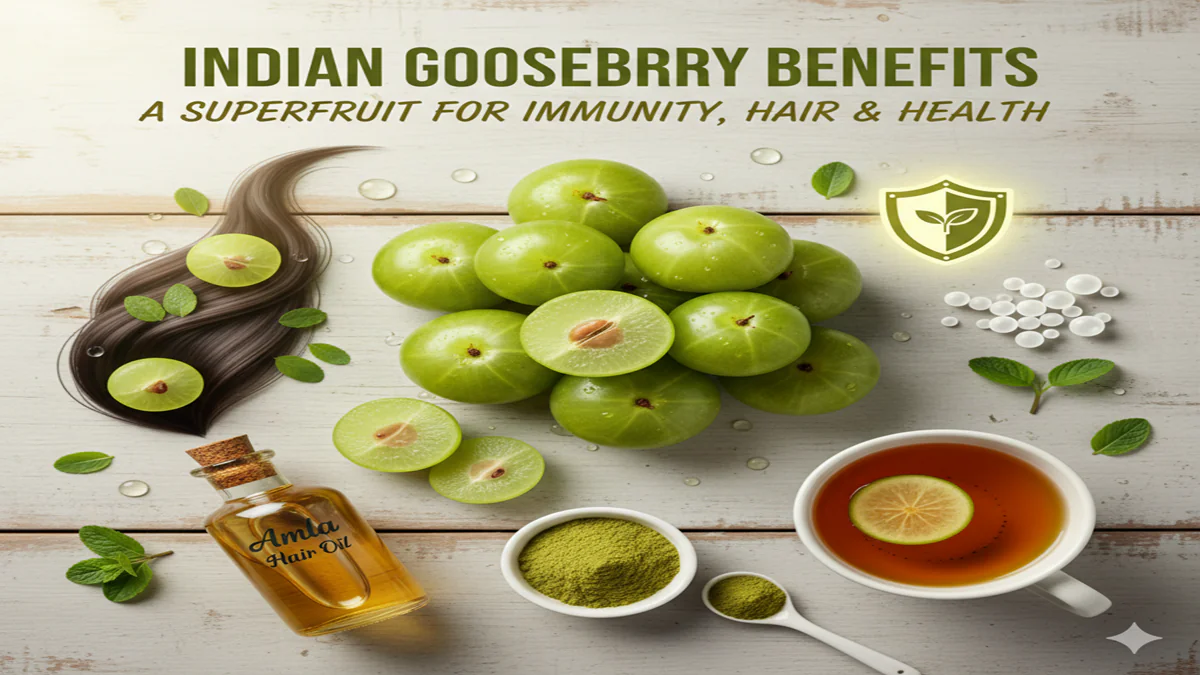
Indian Gooseberry Benefits A Superfruit For Immunity, Hair & Health

Indian Gooseberry (Amla): सेहत का वरदान! आंवला खाने के जबरदस्त फायदे और उपयोग करने का सही तरीका।

Indian Gooseberry (Amla): Introduction: भारतीय आयुर्वेद में Indian Gooseberry यानी ‘आंवला’ को ‘अमृतफल’ माना गया है। स्वाद में खट्टा, कसैला और थोड़ा मीठा यह फल केवल एक फल नहीं, बल्कि सैकड़ों बीमारियों की एक दवा है। आंवला विटामिन C का सबसे बड़ा प्राकृतिक स्रोत है। आपको जानकर हैरानी होगी कि एक छोटे से आंवले में एक संतरे की तुलना में 20 गुना अधिक विटामिन C होता है।

आज की भागदौड़ भरी जिंदगी में अपनी रोग प्रतिरोधक क्षमता (Immunity) बढ़ाने के लिए Indian Gooseberry Benefits को जानना बहुत जरूरी है। इस लेख में हम आंवले के फायदे, इसके पोषक तत्व और इसे खाने के सही तरीके के बारे में विस्तार से चर्चा करेंगे।


1. आंवले के पोषक तत्व (Nutrition Facts)

Indian Gooseberry (Amla): 100 ग्राम ताजे आंवले में निम्नलिखित पोषक तत्व पाए जाते हैं:

  • विटामिन C: 450-600 मिलीग्राम (प्रचुर मात्रा में)
  • फाइबर: 3.4 ग्राम
  • कैलोरी: 58
  • अन्य: आयरन, कैल्शियम, फास्फोरस और एंटीऑक्सीडेंट्स।

2. आंवला खाने के मुख्य फायदे (Health Benefits)

Indian Gooseberry (Amla): 1. रोग प्रतिरोधक क्षमता बढ़ाना (Immunity Booster): आंवले में एंटी-बैक्टीरियल और एंटी-वायरल गुण होते हैं। रोजाना आंवले का सेवन करने से शरीर को सर्दी, खांसी और बार-बार होने वाले संक्रमणों से लड़ने की शक्ति मिलती है।

2. बालों की समस्याओं का समाधान (Hair Growth): बालों का झड़ना, समय से पहले सफेद होना या डैंड्रफ की समस्या में आंवला रामबाण है। इसमें मौजूद आयरन और कैरोटीन बालों की जड़ों को मजबूत बनाते हैं। आंवले का तेल या पाउडर लगाने से बाल काले, घने और चमकदार होते हैं।

Indian Gooseberry (Amla): 3. पाचन तंत्र में सुधार (Digestion): आंवले में फाइबर की मात्रा अधिक होती है, जो कब्ज (Constipation) और एसिडिटी की समस्या में राहत दिलाता है। सुबह खाली पेट आंवले का जूस पीने से पेट पूरी तरह साफ होता है और मेटाबॉलिज्म बढ़ता है।

4. आंखों की रोशनी के लिए (Eye Health): विटामिन A और C से भरपूर आंवला आंखों की रोशनी बढ़ाने में मदद करता है। यह मोतियाबिंद के खतरे को कम करने और आंखों की जलन को शांत करने के लिए बहुत फायदेमंद है।

Indian Gooseberry (Amla): 5. शुगर लेवल को नियंत्रित करना (Diabetes Control): मधुमेह के रोगियों के लिए आंवला बहुत लाभकारी है। यह इंसुलिन के कार्य को सक्रिय करता है, जिससे रक्त में शुगर का स्तर बना रहता है।


3. आंवले का उपयोग कैसे करें? (How to Consume)

  • ताजा आंवला: थोड़ा नमक लगाकर आप इसे सीधे खा सकते हैं।
  • आंवला जूस: रोजाना सुबह 10-20 मिली आंवला जूस गुनगुने पानी में मिलाकर पिएं।
  • आंवला चूर्ण: रात को सोने से पहले आधा चम्मच चूर्ण पानी के साथ लेने से पाचन ठीक रहता है।
  • आंवला कैंडी/मुरब्बा: अगर आपको खट्टा पसंद नहीं है, तो आप मुरब्बा या सूखी कैंडी खा सकते हैं।

4. सावधानियां और नुकसान (Side Effects)

  • जरूरत से ज्यादा आंवला खाने से कुछ लोगों को एसिडिटी या कब्ज की शिकायत हो सकती है।
  • जिनकी सर्जरी होने वाली हो, उन्हें कुछ दिन पहले आंवला बंद कर देना चाहिए क्योंकि यह रक्त के बहाव को प्रभावित कर सकता है।

5. अक्सर पूछे जाने वाले प्रश्न (FAQs)

Q1: एक दिन में कितने आंवले खाने चाहिए?

Ans: एक स्वस्थ व्यक्ति दिन में 1 से 2 ताजे आंवले खा सकता है। जूस की मात्रा 20 मिली से ज्यादा न रखें।

Q2: क्या खाली पेट आंवला खाना सही है?

Ans: हाँ, सुबह खाली पेट आंवला खाना सबसे ज्यादा फायदेमंद माना जाता है क्योंकि यह शरीर को डिटॉक्स करने में मदद करता है।

Q3: क्या आंवला खाने से बाल काले होते हैं?

Ans: नियमित रूप से आंवला खाने और बालों में आंवले का लेप लगाने से सफेद बाल धीरे-धीरे प्राकृतिक रूप से काले होने लगते हैं।


Conclusion: स्वस्थ जीवन की कुंजी ‘आंवला’!

Indian Gooseberry एक प्राकृतिक चमत्कार है। अगर आप लंबे समय तक जवान दिखना चाहते हैं और बीमारियों से दूर रहना चाहते हैं, तो आंवले को अपनी डाइट का हिस्सा जरूर बनाएं। यह सिर्फ एक फल नहीं, बल्कि संपूर्ण स्वास्थ्य का सुरक्षा कवच है।

Indian Gooseberry Benefits: A Superfruit for Immunity, Hair & Health

Indian Gooseberry Benefits: In the lush, biodiverse landscapes of India, a humble fruit has been venerated for millennia, not just as food but as a fundamental pillar of wellness. The Indian gooseberry, known as Amla in Hindi and Sanskrit, and scientifically as Phyllanthus emblica, is a small, greenish-yellow berry that punches far above its weight in nutritional and therapeutic value.

From ancient Ayurvedic texts like the Charaka Samhita to modern scientific journals, Amla’s reputation as a “superfruit” has only solidified with time. This article delves into the profound, multifaceted benefits of this remarkable fruit, exploring its role as a powerhouse for immunity, a boon for hair health, and a cornerstone for overall vitality.

Indian Gooseberry Benefits:

The Amla Legacy: From Ancient Wisdom to Modern Science

Indian Gooseberry (Amla): Amla holds a sacred place in Indian culture and Ayurveda, where it is considered aRasayana—a rejuvenating substance that promotes longevity and vitality.Traditionally, every part of the plant—fruit, seed, leaves, root, and bark—has been used to treat a spectrum of ailments, from digestive issues to chronic disease. Modern science has begun to validate this ancient wisdom, uncovering a dense profile of bioactive compounds responsible for its effects.

The Nutritional Powerhouse

Indian Gooseberry (Amla): What makes this tart, fibrous berry so special? Its benefits stem from an exceptional nutritional composition:

  • Vitamin C in Abundance: Amla is one of the richest natural sources of vitamin C. Remarkably, it contains up to 600-700 mg per fruit—nearly 20 times that of an orange. Crucially, its vitamin C is heat-stable, surviving cooking and processing due to the presence of tannins, which protect it from degradation.
  • Antioxidant Arsenal: Beyond vitamin C, Amla is loaded with potent antioxidants like flavonoids (quercetin), polyphenols (gallic acid, ellagic acid), and tannins (emblicanin A & B). These compounds neutralize harmful free radicals, reducing oxidative stress—a root cause of aging and chronic diseases.
  • Mineral-Rich: It provides essential minerals such as chromium, zinc, copper, and iron.
  • Phytonutrients: It contains other vital phytonutrients and is a good source of dietary fiber.

Unpacking the Benefits: A Multisystem Tonic

1. The Immunity Colossus

Indian Gooseberry (Amla): In an age where immune resilience is paramount, Amla stands as a natural fortress-builder.

  • White Blood Cell Booster: Its high vitamin C content stimulates the production and activity of white blood cells (leukocytes), the body’s primary defense against pathogens.
  • Antimicrobial Properties: Studies show extracts of Amla possess antibacterial and antiviral properties, helping the body fend off common infections.
  • Anti-Inflammatory Action: Chronic, low-grade inflammation weakens the immune system. Amla’s polyphenols effectively modulate inflammatory pathways in the body.
  • Adaptogenic Support: In Ayurveda, Amla is known to help the body adapt to stress (physical and mental), which is crucial since chronic stress is a known suppressant of immune function.

2. Hair Health: The Natural Elixir

Indian Gooseberry (Amla): Amla is a cornerstone of traditional Indian hair care for compelling reasons:

  • Prevents Premature Greying: Its powerful antioxidants combat oxidative stress that can lead to the loss of hair pigment (melanin).
  • Strengthens and Promotes Growth: Vitamin C is essential for collagen production, a protein vital for hair structure and strength. The iron content helps prevent anemia, a common cause of hair loss.
  • Conditions and Reduces Dandruff: Amla oil or paste is a superb natural conditioner that adds shine and softness without heaviness. Its antibacterial and antifungal properties help maintain a healthy scalp, reducing dandruff.
  • Traditional Use: For generations, Amla powder has been used in hair masks or with Shikakai for cleansing, preserving hair’s natural luster and strength.

3. Digestive and Metabolic Health

Indian Gooseberry (Amla): Amla is a classic digestive tonic (DeepanaandPachanain Ayurveda).

  • Digestive Fire: It kindles Agni (digestive fire), enhancing appetite and improving the breakdown and assimilation of nutrients.
  • Detoxification: It supports gentle liver detoxification, aiding in the elimination of toxins. Research indicates it has a hepatoprotective effect.
  • Blood Sugar Regulation: Several studies suggest Amla can help lower blood sugar levels by improving insulin sensitivity and slowing carbohydrate absorption, making it beneficial for managing type 2 diabetes.
  • Cholesterol Management: The fruit’s antioxidants help reduce the oxidation of LDL (“bad”) cholesterol, a key step in plaque formation. It also can help lower overall serum cholesterol and triglyceride levels.

4. Heart Health Guardian

Indian Gooseberry (Amla): By addressing oxidative stress, inflammation, cholesterol, and blood pressure, Amla offers comprehensive cardiovascular support. Its chromium content is also believed to contribute to heart muscle strengthening.

5. Vision and Eye Health

Rich in vitamin A and carotene, Amla is traditionally used to improve eyesight and prevent cataracts.

6. Skin Radiance from Within

Indian Gooseberry (Amla): The same antioxidant and vitamin C prowess that benefits hair also revitalizes the skin. Amla promotes collagen synthesis for firmness, fights free radicals that cause wrinkles, and helps purify the blood, leading to a clearer complexion.

7. Cognitive Function

Ayurvedic texts hail Amla as a Medhya Rasayana (brain rejuvenator). Preliminary research suggests its antioxidants may protect against neurodegenerative processes, potentially enhancing memory and slowing age-related cognitive decline.

How to Incorporate Amla into Your Daily Routine

Indian Gooseberry (Amla): The versatility of Amla allows for easy integration into your diet and wellness regimen:

  • Fresh Fruit: The most potent form, though extremely tart. Can be eaten with a pinch of salt or in chutneys.
  • Powder (Churna): Dried and powdered Amla is widely available. Mix ½ to 1 teaspoon in warm water, honey, or smoothies.
  • Juice: A concentrated source of benefits. Dilute 1-2 tablespoons in water, preferably on an empty stomach in the morning.
  • Pickles and Candies (Murabba): Traditional preparations that preserve the fruit. Be mindful of added sugar in murabba.
  • Supplements: Available in capsule or tablet form for standardized dosage.
  • Topical Application: Use Amla oil for hair massage or mix the powder with water/honey for hair and face masks.

Important Note: While Amla is generally safe for most, individuals on blood-thinning medication or with specific kidney stone concerns should consult a doctor before high-dose supplementation due to its potential vitamin K and vitamin C content, respectively.

Conclusion

Indian Gooseberry is not a fleeting health fad but a timeless superfruit whose efficacy is woven into ancient tradition and increasingly backed by modern science. It exemplifies a holistic approach to health, offering not a single magic bullet but a symphony of benefits that harmonize immunity, enhance beauty from hair to skin, and foster foundational wellness. By embracing Amla, we connect with a legacy of natural wisdom and empower our bodies with one of nature’s most complete and potent gifts.


Frequently Asked Questions (FAQs)

1. Can Amla really help prevent colds and flu?
Yes, due to its exceptionally high and bioavailable vitamin C content and immune-modulating properties, regular consumption of Amla can significantly bolster your body’s natural defenses. It helps reduce the severity and duration of common infections by enhancing white blood cell function and providing direct antimicrobial effects.

2. What is the best way to take Amla for hair growth?
For holistic hair benefits, a two-pronged approach works best:

  • Internal: Consume 1 tsp of Amla powder daily with water or in a smoothie to nourish hair follicles from within.
  • Topical: Apply Amla oil (infused with the fruit extract) to your scalp and hair 1-2 times a week, leaving it on for at least an hour or overnight before washing. You can also make a paste with Amla powder and water for a deep-conditioning hair mask.

3. Is it safe to consume Amla daily?
Yes, consuming Amla in food-grade quantities (e.g., 1 fruit, 1 tsp powder, or 10-20 ml juice daily) is generally very safe for most people. However, if you are considering high-dose supplements for therapeutic purposes, have a known medical condition (like diabetes, where it can lower blood sugar), or are on medication (especially blood thinners), it is advisable to consult with a healthcare provider first.

4. Does cooking or processing destroy the nutrients in Amla?
A unique property of Amla is that its vitamin C is remarkably heat-stable, largely protected from destruction during cooking or processing by its natural tannins. While some nutrient loss is possible with extreme processing, products like dried powder, preserves (murabba), and cooked dishes still retain significant therapeutic value.

5. Can Amla help with weight loss?
Amla can be a supportive component in a weight management plan. Its high fiber content promotes satiety, aids digestion, and helps regulate blood sugar spikes that can lead to cravings. Furthermore, by improving metabolism and detoxification, it supports the body’s natural weight-regulating mechanisms. However, it is not a “magic pill” for weight loss and should be combined with a balanced diet and regular exercise.
Cassia vs Cinnamon: क्या आप असली दालचीनी खा रहे हैं? कैसिया के फायदे और इसके छिपे हुए राज।

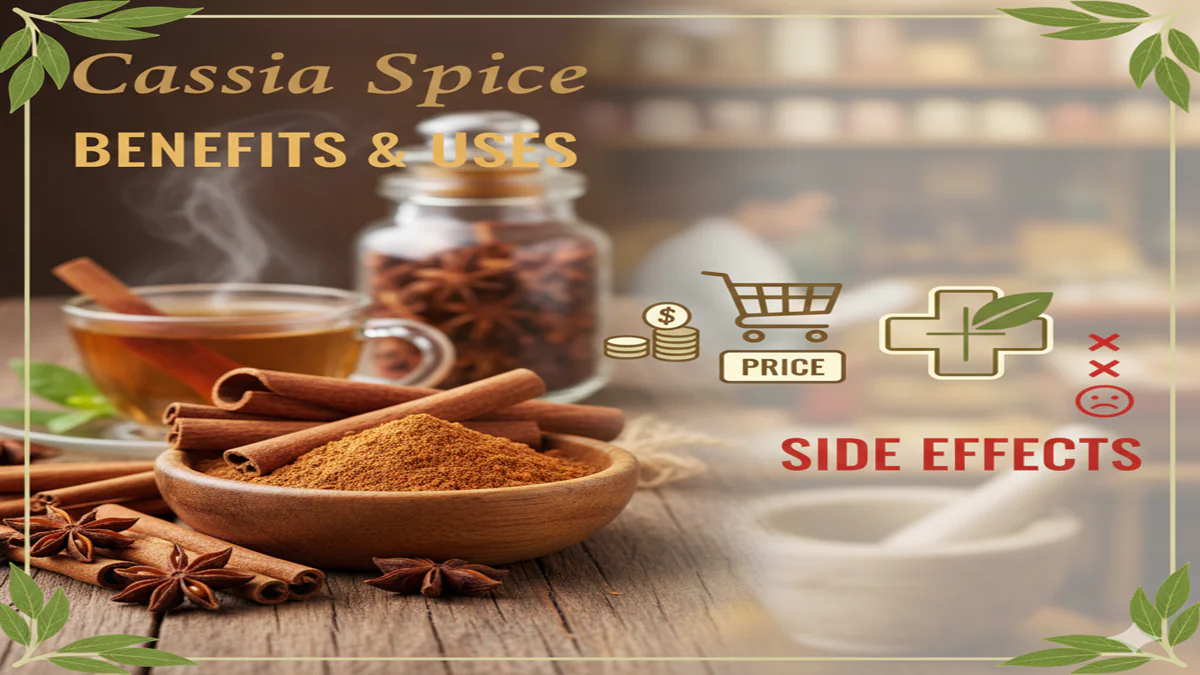
Cassia Spice Benefits: Uses, Price & Side Effects

Table of Contents

Cassia (कैसिया) क्या है? इसके फायदे, उपयोग और असली दालचीनी से इसका अंतर; पूरी जानकारी!

Cassia vs Cinnamon: Introduction: जब भी हम रसोई में मसालों की बात करते हैं, तो ‘दालचीनी’ का नाम सबसे पहले आता है। लेकिन क्या आप जानते हैं कि बाजार में मिलने वाली ज्यादातर दालचीनी असल में कैसिया (Cassia) होती है? कैसिया, जिसे ‘चीनी दालचीनी’ भी कहा जाता है, अपनी तेज खुशबू और औषधीय गुणों के लिए दुनिया भर में मशहूर है।

Cassia Benefits केवल खाने का स्वाद बढ़ाने तक सीमित नहीं हैं, बल्कि आयुर्वेद में इसे कई बीमारियों के इलाज के लिए इस्तेमाल किया जाता है। इस लेख में हम जानेंगे कि कैसिया क्या है, यह हमारी सेहत के लिए कितनी फायदेमंद है और खरीदते समय आपको किन बातों का ध्यान रखना चाहिए।


1. कैसिया (Cassia) क्या है?

कैसिया ‘सिनामोमम कैसिया’ (Cinnamomum cassia) नामक पेड़ की छाल से प्राप्त होता है। यह मुख्य रूप से चीन, वियतनाम और इंडोनेशिया में पाया जाता है। इसकी छाल असली दालचीनी (Ceylon Cinnamon) की तुलना में थोड़ी मोटी और सख्त होती है। इसका रंग गहरा भूरा होता है और स्वाद काफी तीखा होता है।

2. कैसिया के जबरदस्त स्वास्थ्य लाभ (Health Benefits of Cassia)

१. ब्लड शुगर को नियंत्रित करना (Blood Sugar Control): कैसिया का सबसे बड़ा फायदा डायबिटीज के मरीजों के लिए है। शोध बताते हैं कि कैसिया में मौजूद तत्व इंसुलिन सेंसिटिविटी को बढ़ाते हैं, जिससे शरीर में ग्लूकोज का स्तर नियंत्रित रहता है।

२. पाचन तंत्र में सुधार (Digestive Health): कैसिया पेट की समस्याओं जैसे गैस, कब्ज और मरोड़ में बहुत राहत देता है। यह मेटाबॉलिज्म को तेज करता है, जिससे खाना आसानी से पचता है।

३. वजन घटाने में सहायक (Weight Loss): कैसिया शरीर की चर्बी को कम करने में मदद करता है। इसके सेवन से भूख कम लगती है और शरीर की कैलोरी बर्न करने की क्षमता बढ़ती है। सुबह गुनगुने पानी और शहद के साथ कैसिया पाउडर का सेवन वजन कम करने का एक प्रभावी तरीका है।

४. संक्रमण से लड़ने की शक्ति (Anti-Microbial Properties): कैसिया में एंटी-बैक्टीरियल और एंटी-फंगल गुण होते हैं। यह दांतों के संक्रमण, सांस की बदबू और त्वचा की समस्याओं को दूर करने में बहुत प्रभावी है।

५. जोड़ों के दर्द में राहत (Joint Pain): इसमें एंटी-इंफ्लेमेटरी गुण होते हैं, जो शरीर की सूजन और अर्थराइटिस (गठिया) के दर्द को कम करने में मदद करते हैं।


3. कैसिया और असली दालचीनी में अंतर (Cassia vs Ceylon Cinnamon)

विशेषताकैसिया (Cassia)असली दालचीनी (Ceylon)
रंगगहरा भूरा और लालिमा लिए हुएहल्का भूरा
छालमोटी और एक ही परत में मुड़ी हुईपतली और कई परतों वाली
स्वादतेज और तीखामीठा और हल्का
कौमारिन (Coumarin)अधिक मात्रा में (ज्यादा सेवन नुकसानदेह)बहुत कम मात्रा में (सुरक्षित)

4. कैसिया का उपयोग कैसे करें? (How to Use Cassia)

  • मसाले के रूप में: पुलाव, सब्जी या मीट करी में साबुत कैसिया की छाल का उपयोग करें।
  • काढ़ा या चाय: पानी में कैसिया की छाल उबालकर उसकी चाय पिएं। यह सर्दी-खांसी में बहुत असरदार है।
  • फेस पैक: कैसिया पाउडर और शहद मिलाकर चेहरे पर लगाने से कील-मुहासे ठीक होते हैं।

5. सावधानी और नुकसान (Side Effects)

कैसिया में ‘कौमारिन’ (Coumarin) नामक तत्व होता है। अगर इसे बहुत अधिक मात्रा में लिया जाए, तो यह लिवर को नुकसान पहुंचा सकता है। इसलिए दिन भर में 1-2 ग्राम से ज्यादा कैसिया का सेवन न करें। गर्भवती महिलाओं और लिवर के मरीजों को इसके सेवन से पहले डॉक्टर की सलाह जरूर लेनी चाहिए।


4. अक्सर पूछे जाने वाले प्रश्न (FAQs)

Q1: क्या कैसिया और दालचीनी एक ही हैं?

Ans: ये दोनों एक ही परिवार के हैं, लेकिन अलग-अलग हैं। कैसिया सस्ता और तीखा होता है, जबकि सीलोन दालचीनी महंगी और अधिक औषधीय गुणों वाली होती है।

Q2: क्या कैसिया लिवर के लिए बुरा है?

Ans: केवल तभी जब आप इसका बहुत अधिक मात्रा में सेवन करें। इसमें मौजूद कौमारिन लिवर के लिए भारी हो सकता है।

Q3: क्या कैसिया से वजन कम होता है?

Ans: हाँ, यह मेटाबॉलिज्म बढ़ाकर वजन कम करने में मदद करता है, लेकिन इसके साथ सही डाइट और एक्सरसाइज भी जरूरी है।


Conclusion: सेहत के लिए सही चुनाव करें!

Cassia एक बेहतरीन मसाला और औषधि है, बशर्ते इसका उपयोग सीमित मात्रा में किया जाए। अगर आप केवल स्वाद के लिए इसका उपयोग कर रहे हैं, तो कैसिया बेहतरीन है, लेकिन यदि आप गहरे स्वास्थ्य लाभ चाहते हैं, तो सीलोन दालचीनी की तलाश करें। अपनी डाइट में इसे शामिल करें और इसके औषधीय गुणों का लाभ उठाएं!

Cassia Spice: The Pungent Ancient Healer in Your Kitchen Cabinet

Nestled among the cinnamon, nutmeg, and cloves in spice racks worldwide, cassia often goes unnoticed, frequently mistaken for its more celebrated cousin, “true cinnamon” (Cinnamomum verum). Yet, this humble, robust bark has carved a deep and enduring legacy across millennia and continents. Known for its bold, sweet, and slightly pungent warmth, cassia is more than just a flavoring agent; it is a botanical powerhouse woven into the fabric of traditional medicine, global cuisine, and modern wellness. This comprehensive guide delves into the world of cassia spice, exploring its rich history, multifaceted benefits, diverse uses, economic considerations, and important safety precautions.

What is Cassia? Untangling the Cinnamon Confusion

First, a crucial distinction. The term “cinnamon” in most Western grocery stores, especially in North America, is almost always Cassia (Cinnamomum cassia, also called Chinese cinnamon). True cinnamon, or Ceylon cinnamon, is a different species with a milder, more complex flavor and a crumbly, multi-layered quill structure.

Key Identifiers:

  • Cassia: Thick, hard, single-scroll quills with a rough texture. Rusty brown color. Strong, spicy-sweet flavor with a notable “kick.”
  • Ceylon Cinnamon: Thin, brittle, multiple layers of bark rolled into a quill. Tan-brown color. Delicate, sweet, and nuanced flavor.

While both share a family and core aromatic compounds, cassia is the workhorse—more affordable, more intensely flavored, and the cornerstone of many classic dishes. Its potency extends beyond taste into its chemical profile, which is rich in cinnamaldehyde, the compound responsible for most of its health effects and the primary reason for its noted safety considerations.

A Historical Journey: From Ancient Herbals to Global Trade

Cassia’s history is as rich as its aroma. Mentioned in Chinese herbals as early as 2700 BC (like the Shennong Ben Cao Jing), it was revered as a remedy for colds, flu, digestion, and circulatory issues. In ancient Egypt, it was used in embalming and as a precious incense. The Romans held it in such high regard that Emperor Nero famously burned a year’s supply at his wife’s funeral as an extravagant tribute.

For centuries, the source of cassia was a closely guarded secret by Chinese and Arab traders. The quest for this spice, along with its cousin cinnamon, fueled exploration and shaped trade routes. Today, China, Indonesia, and Vietnam are the primary producers, supplying the world with this indispensable spice.

The Multifaceted Benefits of Cassia: Modern Science Meets Ancient Wisdom

Cassia’s benefits stem primarily from its high concentration of bioactive compounds, especially cinnamaldehyde, along with antioxidants, anti-inflammatory agents, and essential oils.

1. Metabolic Powerhouse: Blood Sugar Regulation
This is one of cassia’s most researched and celebrated benefits. Numerous studies suggest it can improve insulin sensitivity and help lower blood sugar levels.

  • Mechanism: Compounds in cassia appear to mimic insulin, increase glucose uptake by cells, and inhibit enzymes that break down carbohydrates in the gut, slowing the rush of sugar into the bloodstream.
  • Evidence: A meta-analysis in the Annals of Family Medicine concluded that cinnamon (predominantly cassia in these studies) significantly reduced fasting blood glucose and improved lipid profiles in patients with type 2 diabetes. It is considered a valuable adjunct therapy, never a replacement for prescribed medication.

2. Guardian of the Heart: Cholesterol and Blood Pressure
Closely tied to metabolic health, cassia shows promise in supporting cardiovascular function.

  • Lipid Profile: Research indicates it can help reduce levels of total cholesterol, LDL (“bad”) cholesterol, and triglycerides, while potentially maintaining or boosting HDL (“good”) cholesterol.
  • Circulation & Pressure: Its mild anti-inflammatory and circulatory-stimulating properties may contribute to healthy blood pressure, though evidence is more preliminary. The improvement in overall metabolic markers indirectly benefits heart health.

3. Potent Antioxidant and Anti-inflammatory Agent
Cassia is loaded with polyphenol antioxidants that combat oxidative stress—the cellular damage caused by free radicals that underlies aging and chronic diseases like cancer, heart disease, and neurodegenerative disorders.

  • Inflammation: Cinnamaldehyde exhibits significant anti-inflammatory properties, potentially helping to alleviate conditions linked to chronic inflammation, such as arthritis and certain bowel diseases.

4. Antimicrobial and Antifungal Warrior
Long used as a natural food preservative, cassia’s essential oils are effective against a broad spectrum of pathogens.

  • Scope: It has demonstrated activity against bacteria like E. coli and Salmonella, fungi like Candida albicans, and even some viruses.
  • Application: This makes it useful not just in food safety but also in traditional applications for oral health (fighting bad breath and cavities) and topical treatments for minor fungal infections.

5. Digestive Support and Relief
A classic remedy in many cultures, cassia carminative properties help alleviate gas, bloating, and indigestion. It stimulates digestive enzymes and may help soothe stomach discomfort.

6. Cognitive and Neurological Potential
Emerging research is exploring cassia’s role in brain health. Its antioxidants may help protect neurons, and some studies suggest compounds in cinnamon (including cassia) can inhibit the buildup of tau protein, a hallmark of Alzheimer’s disease. While far from conclusive, it points to a fascinating area of future study.

Culinary and Practical Uses: Unleashing Cassia in Kitchen and Home

Cassia’s bold flavor makes it a versatile star in both sweet and savory dishes.

  • Baking & Desserts: The definitive spice for classic apple pies, snickerdoodle cookies, cinnamon rolls, rice puddings, and churros. Its robust flavor stands up well to baking.
  • Beverages: Essential in mulled wine, chai tea, apple cider, and coffee blends.
  • Savory Applications: A key component in Chinese five-spice powder, Moroccan ras el hanout, and Indian garam masala. It adds depth to meat rubs (especially for lamb and pork), hearty stews, curries, and pilafs.
  • Breakfast Staples: Sprinkled on oatmeal, yogurt, or toast.
  • Preserving: Used in pickling and chutneys.
  • Fragrance & Home: A staple in potpourri, holiday simmers (orange, cloves, cassia), and natural DIY cleaning solutions for its fresh scent and antimicrobial properties.

Tip: For maximum flavor and benefit, buy whole cassia quills (or “cinnamon sticks”) and grind them as needed. Pre-ground spice loses potency much faster.

Price and Market: An Accessible Luxury

Cassia is remarkably affordable, contributing to its global popularity.

  • Whole Quills: $3-$8 per ounce, depending on origin and quality (Vietnamese/Cassia Vera often commands a premium).
  • Ground Cassia: $2-$5 per ounce.
  • Comparison: It is generally 2-5 times cheaper than true Ceylon cinnamon. When a recipe simply calls for “cinnamon,” especially in baked goods or robust dishes, cassia is the intended and economical choice.
  • Forms: Available as quills, chips (for decoctions/teas), powder, and essential oil (for aromatherapy or topical dilution—never ingest pure essential oil).

Critical Considerations: Side Effects and Safe Consumption

The very potency of cassia demands respect and caution. The primary concern is its high concentration of coumarin, a natural compound that can be liver toxic and cause damage in high doses over time.

  • Coumarin Content: Cassia contains approximately 1-5% coumarin. Ceylon cinnamon contains only trace amounts (about 0.004%).
  • Tolerable Daily Intake (TDI): The European Food Safety Authority sets a TDI of 0.1 mg of coumarin per kilogram of body weight per day. For a 70 kg (154 lb) adult, this is just 7 mg.
  • Practical Translation: Just 1-2 teaspoons of ground cassia can exceed this daily limit. Chronic excessive intake has been linked to liver toxicity in sensitive individuals.

Who Should Exercise Extra Caution?

  1. Individuals with Liver Conditions: Those with hepatitis, cirrhosis, or other liver diseases should avoid high, regular intake.
  2. People on Medication: Especially blood thinners (like warfarin, as coumarin also has anticoagulant properties), diabetes drugs (risk of hypoglycemia), and hepatotoxic drugs. Consult a doctor.
  3. Pregnant and Breastfeeding Women: While culinary amounts are safe, therapeutic doses or supplements should be avoided due to a lack of comprehensive safety data.
  4. Children: Their lower body weight makes them more susceptible. Moderate culinary use is fine; supplements are not recommended.

Recommendation: Enjoy cassia liberally as a spice in food. Avoid consuming it in large, concentrated quantities daily (e.g., multiple teaspoons of powder in smoothies or tea). If you wish to consume cinnamon daily for therapeutic reasons (e.g., blood sugar management), switch to Ceylon cinnamon (Cinnamomum verum) for its low coumarin content.

Conclusion: A Spice of Power and Prudence

Cassia spice stands as a testament to nature’s pharmacy—a common bark with uncommon benefits. From flavoring our festive pies to offering potential support for modern metabolic ailments, it bridges the gap between the ancient and the contemporary. Its bold taste and potent effects make it a kitchen essential and a subject of ongoing scientific interest.

However, its power is double-edged, requiring informed and mindful use. By appreciating cassia for what it is—a delicious, potent culinary spice with beneficial properties that must be enjoyed in culinary, not megadose, quantities—we can safely harness its warmth and wellness potential. Let it spice your food, but let prudence guide your pursuit of its health benefits, opting for the safer Ceylon variety when regular, concentrated consumption is the goal. In this balance, the ancient healer can continue to enhance our health and our meals for generations to come.


Frequently Asked Questions (FAQ)

Q1: Is cassia the same as cinnamon I buy at the store?

A:In the United States, Canada, and many parts of Europe, the “cinnamon” sold in grocery stores is almost always Cassia (Cinnamomum cassia). True cinnamon, Ceylon cinnamon (Cinnamomum verum), is a different, milder, and often more expensive product typically found in specialty stores. Always check the label if you need a specific type.

Q2: What is the main health benefit of cassia?

A:Its most well-researched benefit is supporting healthy blood sugar metabolism. Compounds in cassia can improve insulin sensitivity and slow the absorption of sugar in the gut, making it a popular complementary approach for managing type 2 diabetes. However, it should not replace prescribed medication.

Q3: Why is there a warning about cassia and liver damage?

A:Cassia contains high levels of coumarin, a natural compound that can cause liver toxicity and damage when consumed in large amounts over time. Regular, high-dose cassia supplementation poses a risk. For daily therapeutic use, Ceylon cinnamon (very low in coumarin) is the safer choice.

Q4: How much cassia is safe to consume daily?

A:As a culinary spice in foods (e.g., in oatmeal, baked goods, curries), it is generally safe. For concentrated, daily intake, the European safety guideline suggests a limit of 0.1 mg of coumarin per kg of body weight. Since 1 tsp of cassia powder can contain 5-10 mg of coumarin, it’s easy to exceed this limit with supplements. Stick to culinary amounts.

Q5: Can I use cassia essential oil for health benefits?

A:Cassia essential oil is extremely potent and high in cinnamaldehyde. It shouldnever be ingested. It can be used in highly diluted form for aromatherapy (it’s very warming) or in topical applications (always diluted in a carrier oil) with caution, as it can be a skin irritant. For internal benefits, using the whole spice in food is the preferred and safer method.


Amaltas Tree Benefits, Uses & Ayurvedic Importance: औषधी अमलतास! पोटाचे विकार आणि त्वचा रोगांवर ‘हे’ झाड आहे अत्यंत प्रभावी; पाहा फायदे

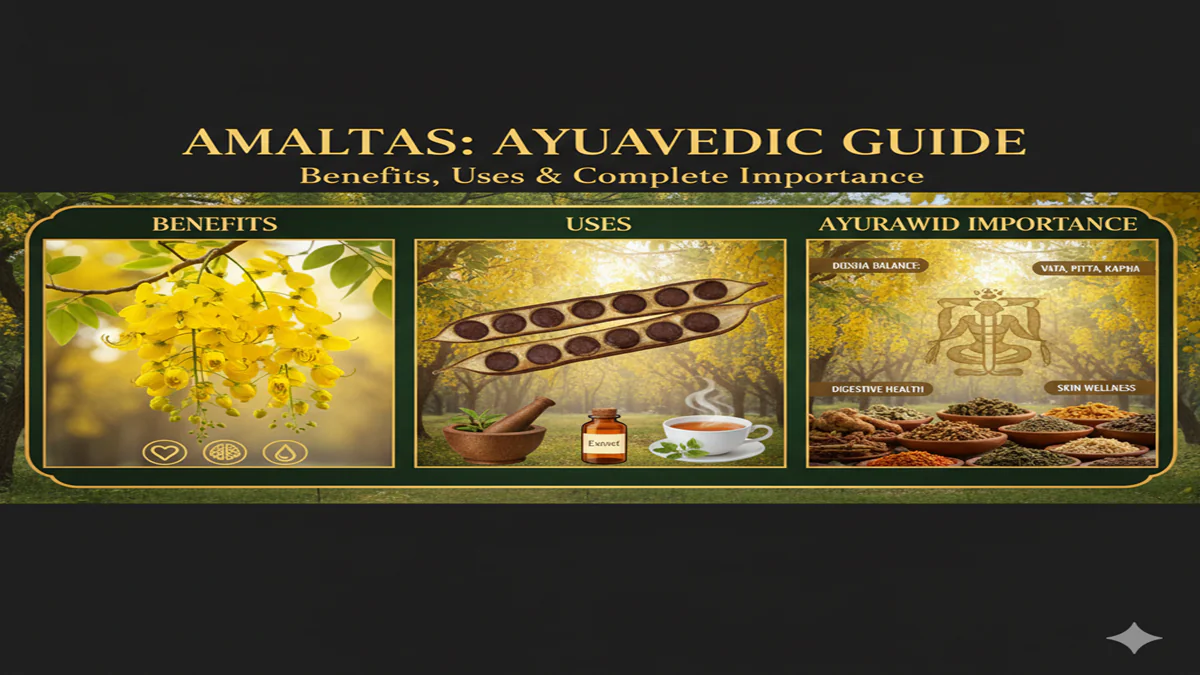
Amaltas Tree Benefits, Uses & Ayurvedic Importance (Complete Guide)

Amaltas Tree: बागेचे सौंदर्य वाढवणारे आणि आरोग्याचे रक्षण करणारे ‘अमलतास’; जाणून घ्या फायदे आणि लागवड पद्धत!

Amaltas Tree उन्हाळ्याच्या दिवसात जेव्हा सर्व झाडे सुकलेली दिसतात, तेव्हा रस्त्याच्या कडेला सोन्यासारख्या पिवळ्याधमक फुलांनी डवरलेले एक झाड सर्वांचे लक्ष वेधून घेते—ते म्हणजे ‘अमलतास’ (Amaltas Tree). याला इंग्रजीमध्ये ‘Golden Shower Tree’ आणि शास्त्रीय भाषेत ‘Cassia fistula’ असे म्हणतात. हे झाड केवळ शोभेचे नसून, आयुर्वेदात याला ‘आरोग्य देणारे झाड’ मानले जाते.+1

या लेखात आपण अमलतास झाडाचे महत्त्व, त्याचे औषधी उपयोग आणि ते आपल्या बागेत कसे वाढवावे, याबद्दल सविस्तर माहिती पाहणार आहोत.


१. अमलतास झाडाची ओळख (Introduction)

Amaltas Tree अमलतास हे मध्यम आकाराचे पानझडी झाड आहे. उन्हाळ्यात (एप्रिल ते जून) या झाडाला पानांपेक्षा फुले जास्त येतात. लांबसडक लोंबणाऱ्या पिवळ्या फुलांच्या माळांमुळे याला ‘सुवर्ण वर्षा’ (Golden Shower) असेही म्हटले जाते. ही फुले सुकल्यानंतर याला लांब, काळ्या रंगाच्या शेंगा येतात, ज्यामध्ये औषधी गर असतो.


२. अमलतासचे औषधी फायदे (Medicinal Benefits)

Amaltas Tree आयुर्वेदात अमलतासला ‘शमन’ आणि ‘विरेचन’ गुणधर्मांसाठी ओळखले जाते.

  • पोटाच्या विकारांवर प्रभावी: अमलतासच्या शेंगेचा गर बद्धकोष्ठतेच्या (Constipation) त्रासावर गुणकारी आहे. रात्री कोमट पाण्यासोबत याचा गर घेतल्यास पोट साफ होण्यास मदत होते.
  • त्वचेचे विकार: जर तुम्हाला खाज, पुरळ किंवा त्वचेवर डाग असतील, तर अमलतासच्या पानांची पेस्ट लावल्याने आराम मिळतो.
  • रोगप्रतिकारशक्ती: या झाडामध्ये अँटी-ऑक्सिडंट्स मुबलक प्रमाणात असतात, जे शरीराची प्रतिकारशक्ती वाढवण्यासाठी मदत करतात.
  • ताप आणि सांधेदुखी: अमलतासच्या मुळांचा काढा तापावर आणि सूज कमी करण्यासाठी वापरला जातो.

३. घराच्या बागेत लागवड कशी करावी? (How to Grow)

Amaltas Tree जर तुम्हाला तुमच्या बागेत किंवा घरासमोर अमलतास लावायचे असेल, तर खालील गोष्टी लक्षात ठेवा:

  1. हवामान: हे झाड उष्ण हवामानात चांगले वाढते. कडक उन्हाचा यावर चांगला परिणाम होतो.
  2. लागवड पद्धत: बियांपासून किंवा कलमाद्वारे याची लागवड करता येते. पावसाळ्याच्या सुरुवातीला बिया लावणे उत्तम ठरते.
  3. पाणी आणि खत: सुरुवातीच्या काळात झाडाला नियमित पाणी द्यावे लागते. एकदा झाड मोठे झाले की, याला खूप कमी पाण्याची गरज भासते.
  4. जागा: हे झाड मोठे होत असल्याने याला मोकळी जागा आणि भरपूर सूर्यप्रकाश आवश्यक असतो.

४. अमलतासचे सांस्कृतिक महत्त्व

Amaltas Tree भारतात अमलतासला ‘सोनसळा’ असेही म्हणतात. केरळमध्ये ‘विशू’ सणादरम्यान या फुलांचा वापर मोठ्या प्रमाणावर केला जातो. हे झाड थायलंडचे राष्ट्रीय फूल देखील आहे. निसर्गाचे संतुलन राखण्यासाठी आणि पक्ष्यांना आकर्षित करण्यासाठी अमलतास झाड लावणे अत्यंत फायदेशीर आहे.


निष्कर्ष (Conclusion)

Amaltas Tree हे निसर्गाचा एक अमूल्य ठेवा आहे. हे केवळ डोळ्यांना सुखद वाटत नाही, तर मानवी आरोग्यासाठी एक नैसर्गिक फार्मसी आहे. जर तुमच्याकडे मोकळी जागा असेल, तर एक अमलतासचे झाड नक्की लावा. हे केवळ तुम्हाला सावली आणि फुले देणार नाही, तर तुमच्या आरोग्याचेही रक्षण करेल.


Quick Facts Table

वैशिष्ट्य (Features)माहिती (Details)
मराठी नावअमलतास / बावा / बहावा
इंग्रजी नावGolden Shower Tree / Indian Laburnum
फुलांचा हंगामएप्रिल ते जून (उन्हाळा)
औषधी भागपाने, मुळे, शेंगांचा गर
उपयोगसौंदर्य, औषध आणि सावली

The Amaltas Tree: A Golden Legacy of Health, Healing, and Harmony (Complete Guide)

Amaltas Tree, a name that evokes images of cascading golden sunshine, is far more than just a visual spectacle. Known botanically asCassia fistulaand colloquially as the Indian Laburnum, Golden Shower, or Pudding-Pipe Tree, it is a living testament to nature’s pharmacy and India’s profound Ayurvedic wisdom.

When summer reaches its peak and the earth thirsts, the Amaltas tree defiantly bursts into vibrant, pendulous yellow blooms, a breathtaking contrast to the parched landscape. But beneath this ornamental grandeur lies a deep reservoir of therapeutic power, ecological significance, and cultural reverence. This comprehensive guide delves into the myriad benefits, traditional uses, and profound Ayurvedic importance of the Amaltas tree, offering a holistic understanding of this golden marvel.

The Botanical Emissary: An Introduction to Amaltas

Amaltas Tree Cassia fistulais a medium-sized, deciduous tree native to the Indian subcontinent and Southeast Asia. It belongs to the Fabaceae (legume) family. Its most striking feature is the long (30-60 cm), cylindrical, hanging racemes of bright yellow flowers, which give it the “Golden Shower” moniker. Following the flowers come the fruit: long, cylindrical, blackish-brown pods containing numerous seeds, embedded in a sticky, sweetish-black pulp. This pulp, along with other parts of the tree, is the primary source of its medicinal value.

The tree is hardy, drought-resistant, and thrives in well-drained soil under full sun, making it a common sight along roadsides, in gardens, and in dry forests across India. Its beauty has led to its adoption as the national flower of Thailand and the state flower of Kerala in India.

Ayurvedic Importance: A Pillar of Traditional Healing

Amaltas Tree In Ayurveda, India’s ancient system of holistic medicine, Amaltas holds a place of high esteem. It is known by several Sanskrit names, each revealing its properties:

  • Aragvadha: “Disease Destroyer”
  • Chaturangula: Referring to its four-angled pods
  • Rajataru: “The King of Trees”
  • Shampaka: Indicating its use for purification

Rasa (Taste): Madhura (Sweet), Amla (Sour)
Guna (Qualities): Guru (Heavy), Snigdha (Unctuous, Oily)
Virya (Potency): Sheeta (Cooling)
Vipaka (Post-Digestive Effect): Madhura (Sweet)
Dosha Effect: Primarily pacifies Pitta and Kapha doshas due to its cooling and cleansing properties. In excess, its sweet and heavy qualities may aggravate Kapha and Vata.

Primary Actions (Karma): Amaltas is celebrated as one of the best Rechana (mild, laxative) herbs. It is not a harsh purgative but rather a Virechana or Sramsana dravya—a substance that promotes gradual, natural evacuation and cleansing of the intestines, particularly the colon (Purishashaya). This deep cleansing action forms the cornerstone of its therapeutic applications in Panchakarma detox therapies.

Therapeutic Benefits and Medicinal Uses of Different Parts

Amaltas Tree Every part of the Amaltas tree, from root to flower, offers distinct health benefits.

1. The Fruit Pulp (The Most Prized Part):
Amaltas Tree The dark, sticky pulp from the ripe pods is the most extensively used part in medicine.

  • Natural Laxative & Digestive Aid: Its most renowned use is for treating chronic constipation. Unlike harsh chemical laxatives, Amaltas pulp softens stools, increases bulk, and stimulates peristalsis without causing dependency or cramping. It is a classic remedy for Vata-type constipation (dry, hard stools).
  • Detoxification (Virechana): In Panchakarma, specially processed Amaltas pulp (Suvarnarakta Aragvadha) is administered to induce therapeutic purgation, eliminating excess Pitta and toxins (Ama) from the liver, gallbladder, and small intestines.
  • Cardiac Tonic (Hridya): Ayurvedic texts highlight its benefits for heart health, helping to maintain healthy cholesterol levels and circulation.
  • Skin Health: By cleansing the blood and reducing Pitta-related heat, it helps manage skin conditions like acne, rashes, and inflammation.
  • Anti-pyretic: Its cooling nature helps reduce fever, especially those of Pitta origin.

2. The Flowers:
Amaltas Tree The beautiful yellow flowers are more than ornamental.

  • Anti-hemorrhoidal: A decoction of flowers is used to treat bleeding piles (hemorrhoids).
  • Laxative: Milder than the fruit, flower infusion can be used for mild constipation.
  • Antimicrobial: Traditional uses include managing infections and purifying wounds.

3. The Leaves:

  • Skin Applications: Leaf paste is applied topically to manage skin infections, ringworm, swelling, and joint pain.
  • Anti-malarial: In some folk traditions, leaf extracts are used for managing malaria symptoms.

4. The Bark:

  • Astringent & Anti-microbial: Bark decoction is used for gargling in sore throat, mouth ulcers, and as a wash for skin infections and wounds.
  • Anti-diabetic: Some studies and traditional practices indicate its potential in helping regulate blood sugar levels.

5. The Root:
Amaltas Tree Used in specific formulations for itsPitta-reducing and anti-inflammatory properties, often for severe fevers and systemic conditions.

Modern Scientific Perspectives

Contemporary research has begun to validate many of Amaltas’s traditional claims.

  • Phytochemistry: The plant is rich in bioactive compounds including anthraquinones (like rhein, fistulin), flavonoids, tannins, and glycosides, which contribute to its pharmacological effects.
  • Pharmacological Studies: Research indicates promising laxative, hepatoprotective (liver-protecting), anti-inflammatory, antimicrobial, antioxidant, and anti-diabetic activities. Studies on rhein, a key component, show potential anti-arthritic effects.
  • Important Note: While research is promising, it often focuses on isolated compounds or extracts. The holistic synergy of the whole herb, as emphasized in Ayurveda, is a distinct paradigm.

Practical Uses and Home Remedies

1. For Chronic Constipation:

  • Take 1-2 teaspoons of the ripe, clean fruit pulp (available as Aragvadha Ghana or pulp extract) with a cup of warm water or milk at bedtime.
  • Classic Recipe: Aragvadha Ksheera Paka – Soak 5-10 grams of pulp in a cup of water for 4-5 hours. Strain, add ½ cup of milk, boil until reduced to half. Consume warm at bedtime.

2. For Skin Health & Pitta Reduction:

  • Consume 1 tsp of pulp with 1 tsp of aloe vera gel and a pinch of turmeric in warm water, once daily.

3. For Sore Throat:

  • Gargle with a decoction made from Amaltas bark (boil 10g bark in 2 cups water until reduced to half).

4. As a Gentle Detox:

  • Under guidance, a short course (3-7 days) of Amaltas pulp with warm water in the morning can support seasonal cleansing.

Ecological and Cultural Significance

  • Ecological Role: As a legume, it fixes nitrogen in the soil, improving soil fertility. It provides shade and serves as a food source for bees, birds, and insects. Its hardy nature makes it excellent for afforestation in dry regions.
  • Cultural Symbolism: In Indian literature and art, the blooming Amaltas symbolizes the arrival of the hot season and is often associated with beauty, joy, and the vibrancy of life. Its wood is used in religious ceremonies, and its flowers are offered to deities.

Precautions and Contraindications

Amaltas Tree While a safe and gentle herb when used correctly, certain precautions are essential:

  • Dosage is Key: Overuse can lead to excessive purgation, cramps, electrolyte imbalance, and aggravation of Vata.
  • Not for Everyone: Avoid during pregnancy, lactation, acute diarrhea, and in cases of intestinal obstruction or inflammatory bowel diseases (like Crohn’s, ulcerative colitis).
  • Medical Conditions: Those with pre-existing gastrointestinal conditions, dehydration, or on medication (especially diuretics or heart medications) should consult a healthcare provider.
  • Consult an Expert: For therapeutic use, especially for Panchakarma or chronic conditions, always seek guidance from a qualified Ayurvedic practitioner. Self-prescribing for serious conditions is not advised.

Conclusion: Embracing the Golden Healer

Amaltas Tree The Amaltas tree is a perfect embodiment of the Ayurvedic principle that nature provides in abundance for human health and well-being. It moves beyond being a mere “laxative tree” to a holistic healer that offers detoxification, cooling, and rejuvenation.

In an era dominated by harsh pharmaceuticals and hurried lifestyles, Amaltas reminds us of the gentle, yet profound, power of botanicals aligned with natural bodily rhythms. By understanding and respectfully incorporating this “Disease Destroyer” into our wellness paradigms—under expert guidance—we can harness its golden legacy to cultivate a state of balanced, vibrant health, just as its blossoms herald the resilient beauty of nature.


Frequently Asked Questions (FAQs)

1. Is Amaltas safe for daily use as a laxative?

No, it is not recommended for daily long-term use. Amaltas is a therapeutic laxative best used for short periods to address chronic constipation or as part of a guided detox program. Daily use without supervision can lead to dependency, electrolyte loss, and Vata aggravation. For habitual constipation, focus on dietary (high-fiber), lifestyle, and root-cause corrections with an Ayurvedic doctor.

2. Can Amaltas help in weight loss?

While it is not a direct weight-loss herb, its detoxifying and bowel-regulating properties can support weight management efforts. By cleansing the digestive tract (Kostha Shuddhi), it may improve metabolism (Agni) and eliminate accumulated toxins (Ama), which can be a barrier to weight loss. However, it should be used as part of a comprehensive plan involving diet and exercise.

3. What is the difference between Amaltas (Cassia fistula) and Senna (Cassia angustifolia)?

Both are laxative herbs from the Cassia genus, but they differ in potency and action. Senna (Indian Senna) contains stronger anthraquinones and acts as a more potent, stimulant laxative, often causing cramping. Amaltas is considered a milder, gentler, and more cooling laxative (Sramsana) that also nourishes the intestines. Ayurveda generally prefers Amaltas for sustainable, long-term management of Vata-type constipation.

4. How can I identify and use raw Amaltas pods at home?

Mature pods are long, cylindrical, and turn dark brown to black. They should rattle when shaken (seeds inside). To use, break open the pod, scrape out the sticky, dark-brown pulp. Soak this pulp in warm water for several hours, then strain through a muslin cloth to separate the fibrous seeds. This liquid or the strained pulp can be used in the recommended doses. However, due to variability in potency, commercially prepared and standardized pulp or tablets from a reputable Ayurvedic brand are often safer and more reliable.

5. Can Amaltas be used for children?

It can be used for children, butonly under strict medical supervisionfrom a qualified Ayurvedic pediatrician (Kaumarabhrityaexpert). The dosage is critically small and age-dependent. Commonly, a very small amount of the mildAragvadha Ksheera Paka(milk decoction) might be prescribed for infantile constipation. Never self-administer to children.

How To Get Rich In India: भारत में अमीर बनने के 5 अचूक तरीके; आज ही से शुरू करें ये निवेश।

How To Get Rich In India: 17 Practical Ways That Actually Work

Table of Contents

How To Get Rich In India: भारत में अमीर बनने का रोडमैप; वेल्थ बनाने के 7 सबसे प्रभावी तरीके!

Introduction:

How To Get Rich In India: अमीर बनना कोई जादुई चमत्कार नहीं है, बल्कि यह अनुशासन, सही समय पर लिए गए निर्णय और धैर्य का परिणाम है। भारत जैसी तेजी से बढ़ती अर्थव्यवस्था में आज पहले के मुकाबले अमीर बनने के अवसर कहीं ज्यादा हैं। लेकिन सवाल यह है कि— “How To Get Rich In India?”

ज्यादातर लोग सोचते हैं कि केवल ज्यादा पैसा कमाना ही अमीर बनने का रास्ता है, लेकिन असलियत यह है कि आप उस कमाए हुए पैसे को कैसे बचाते हैं और कहाँ निवेश करते हैं, वही आपको अमीर बनाता है। इस लेख में हम भारत के संदर्भ में वेल्थ क्रिएशन (Wealth Creation) के सबसे सफल तरीकों पर चर्चा करेंगे।


1. अपनी मानसिकता बदलें (Change Your Mindset)

How To Get Rich In India: अमीर बनने की शुरुआत आपकी जेब से नहीं, बल्कि आपके दिमाग से होती है।

  • Assets vs Liabilities: अमीर लोग ‘Assets’ (संपत्ति) खरीदते हैं जो उन्हें पैसा कमा कर देते हैं (जैसे शेयर, रेंट वाली प्रॉपर्टी), जबकि गरीब लोग ‘Liabilities’ (दायित्व) खरीदते हैं जो उनकी जेब से पैसा निकालते हैं (जैसे महंगा फोन, कार लोन)।
  • सीखने पर निवेश: खुद पर निवेश करना सबसे बड़ा निवेश है। नई स्किल सीखें जो आपकी इनकम बढ़ा सके।

2. शेयर बाजार और म्यूचुअल फंड (Stock Market & Mutual Funds)

How To Get Rich In India: भारत में लंबी अवधि में वेल्थ बनाने का सबसे बेहतरीन तरीका शेयर बाजार है।

  • Power of Compounding: यदि आप 25 साल की उम्र से ₹5,000 की SIP शुरू करते हैं, तो 15% के औसत रिटर्न के साथ आप 55 की उम्र तक करोड़पति बन सकते हैं।
  • Index Funds: यदि आपको बाजार की ज्यादा समझ नहीं है, तो निफ्टी 50 जैसे इंडेक्स फंड में निवेश करना सुरक्षित और लाभदायक है।

3. रियल एस्टेट में निवेश (Real Estate Investment)

How To Get Rich In India: भारत में जमीन और मकान हमेशा से ही वेल्थ बनाने का भरोसेमंद जरिया रहे हैं।

  • Rental Income: ऐसी प्रॉपर्टी खरीदें जहाँ से आपको हर महीने किराया मिल सके।
  • REITs: यदि आपके पास बड़ी रकम नहीं है, तो आप ‘REITs’ के जरिए कम पैसे में भी रियल एस्टेट सेक्टर में निवेश कर सकते हैं।

4. साइड हसल और पैसिव इनकम (Side Hustle & Passive Income)

How To Get Rich In India: केवल एक इनकम सोर्स पर निर्भर रहना जोखिम भरा है।

  • डिजिटल बिजनेस: ब्लॉगिंग, यूट्यूब, फ्रीलांसिंग या ऑनलाइन कोर्स के जरिए आप अपनी मुख्य नौकरी के साथ अतिरिक्त पैसा कमा सकते हैं।
  • पैसिव इनकम: ऐसा सिस्टम बनाएं जहाँ आप सो रहे हों तब भी पैसा आता रहे (जैसे बुक रॉयल्टी, डिविडेंड स्टॉक्स)।

5. फिजूलखर्ची पर लगाम और बजट (Budgeting)

How To Get Rich In India: अमीर वो नहीं जो बहुत खर्च करता है, बल्कि वो है जिसके पास बहुत बचा हुआ है।

  • 50/30/20 नियम: अपनी आय का 50% जरूरतों पर, 30% चाहतों पर और कम से कम 20% निवेश पर खर्च करें।
  • कर्ज से बचें: क्रेडिट कार्ड के जाल और महंगे पर्सनल लोन से दूर रहें। ये आपकी वेल्थ को दीमक की तरह खा जाते हैं।

6. टैक्स प्लानिंग (Smart Tax Planning)

How To Get Rich In India: भारत में टैक्स बचाना भी पैसा कमाने जैसा ही है।

  • 80C और अन्य धाराएं: PPF, ELSS और NPS जैसे विकल्पों का इस्तेमाल करें जो आपको टैक्स में छूट भी देते हैं और शानदार रिटर्न भी।

4. भारत में अमीर बनने के लिए मुख्य निवेश विकल्प (Investment Options)

निवेश का प्रकारजोखिम (Risk)संभावित रिटर्न (p.a.)
म्यूचुअल फंड्स (Equity)मध्यम से उच्च12% – 15%
गोल्ड (Gold)कम8% – 10%
रियल एस्टेटमध्यम10% – 12% + रेंट
फिक्स्ड डिपॉजिट (FD)बहुत कम6% – 7%

5. अक्सर पूछे जाने वाले प्रश्न (FAQs)

Q1: क्या नौकरी पेशा व्यक्ति भारत में अमीर बन सकता है?

Ans: बिल्कुल! सही इन्वेस्टमेंट (SIP) और टैक्स प्लानिंग के जरिए एक आम कर्मचारी भी 15-20 साल में बड़ी वेल्थ बना सकता है।

Q2: अमीर बनने के लिए कम से कम कितना निवेश करना चाहिए?

Ans: राशि से ज्यादा निवेश की निरंतरता (Consistency) मायने रखती है। आप ₹500 की SIP से भी शुरुआत कर सकते हैं।

Q3: भारत में सबसे ज्यादा रिटर्न देने वाला निवेश कौन सा है?

Ans: ऐतिहासिक रूप से शेयर बाजार (Equity) ने लंबी अवधि में अन्य सभी विकल्पों की तुलना में सबसे ज्यादा रिटर्न दिया है।


Conclusion: अनुशासन ही सफलता की कुंजी है!

How To Get Rich In India कोई रातों-रात होने वाली प्रक्रिया नहीं है। इसके लिए आपको धैर्य, अनुशासन और निरंतर सीखने की जरूरत है। आज से ही छोटे निवेश की शुरुआत करें और कंपाउंडिंग की शक्ति को अपना काम करने दें। याद रखें, अमीर बनने का सबसे अच्छा समय ‘आज’ है।

How To Get Rich In India: 17 Practical Ways That Actually Work

How To Get Rich In India: The dream of financial abundance is universal, but in a dynamic, diverse, and rapidly evolving economy like India’s, the path to wealth is uniquely patterned. The narrative is shifting from the traditional “get a safe job” to one of entrepreneurship, strategic investment, and leveraging digital revolution. Getting rich in India is no longer a distant fantasy reserved for inheritors of family wealth; it’s an attainable goal for those willing to combine discipline, knowledge, and action.

However, “getting rich” is less about overnight lottery wins and more about the systematic building of assets, creation of value, and harnessing the power of compounding. It’s a marathon, not a sprint. Here are 17 practical, actionable ways that work in the Indian context, grounded in reality and proven strategies.

The Foundational Pillars: Mindset & Discipline

How To Get Rich In India: Before diving into the methods, internalize these non-negotiable principles:

  • Commit to learning about money, markets, taxes, and investments.
  • Live Below Your Means: High earnings are futile if offset by lavish spending. Frugality, not miserliness, creates the capital for investment.
  • Goal-Based Planning: Define “rich” numerically. Is it a ₹10 Crore portfolio? A debt-free life with passive income? Clarity directs strategy.
  • Embrace Calculated Risk: Parking all money in savings accounts guarantees erosion by inflation. Wealth creation requires intelligent risk-taking.

17 Practical Ways To Build Wealth In India

Category 1: Building on Your Active Income (The Engine)

How To Get Rich In India: While a job may not make you ultra-wealthy alone, it provides the essential fuel: capital. Focus on high-growth sectors:

  • Tech & IT: Specialize in AI/ML, Data Science, Cybersecurity, or Cloud Architecture.
  • Emerging Sectors: Digital Marketing, Product Management, Supply Chain Analytics.
  • Action: Don’t just work. Continuously upskill, build a professional brand, negotiate salaries aggressively, and seek performance-linked roles.

2. The Side-Hustle Economy
How To Get Rich In India: Leverage your skills outside your 9-to-5. This accelerates capital accumulation and can evolve into a full business.

  • Freelancing: Offer writing, design, coding, or consulting services on platforms like Upwork, Toptal, or Fiverr.
  • Content Creation: Build a niche YouTube channel, blog, or Instagram page. Monetize via ads, sponsorships, and affiliate marketing (Amazon, Flipkart affiliates work well in India).
  • Micro-Entrepreneurship: Sell handmade products on Etsy or Meesho, become a home chef, or offer online tutoring.

3. Transition to Value-Based Entrepreneurship
How To Get Rich In India: This is the most potent wealth creator. Identify a problem and build a scalable solution.

  • Start a D2C (Direct-to-Consumer) Brand: India’s e-commerce boom allows you to sell everything from organic snacks to ethnic wear online.
  • Leverage SaaS (Software-as-a-Service): Build a niche software tool for Indian businesses—inventory management for Kirana stores, GST compliance tools, etc.
  • Franchising: Buy into a proven franchise model in F&B, education, or retail. It mitigates some risks of starting from scratch.

4. Excelling in a Traditional Profession
How To Get Rich In India: Scaling a traditional practice can be highly lucrative.

  • Medical Professionals: After establishing a reputation, consider starting a niche clinic or diagnostic chain.
  • Chartered Accountants/Lawyers: Move from individual practice to building a firm with multiple partners and clients. Specialize in high-demand areas like corporate law, tax arbitration, or insolvency.

Category 2: Investing Your Money Wisely (The Accelerator)

How To Get Rich In India: 5. Equity Investments: Own a Piece of Business

  • Long-Term Stock Market Investing: Not trading. Practice SIP (Systematic Investment Plan) in fundamentally strong companies or Index Funds (Nifty 50, Sensex). Historically, Indian equities have delivered 12-15% CAGR over long periods. Use a Demat account and invest consistently.
  • SIP in Mutual Funds: The quintessential Indian wealth-building tool. Equity Mutual Funds (especially flexi-cap or small-cap for long horizons) allow you to invest small amounts regularly, benefiting from rupee-cost averaging and professional management.

6. Real Estate: The Tangible Asset
Beyond emotional ownership, real estate can generate wealth.

  • Strategic Purchase: Focus on location, upcoming infrastructure (metros, highways), and legal clarity. Buy for the long term (10+ years).
  • REITs (Real Estate Investment Trusts): A revolutionary tool for retail investors. You can invest in income-generating commercial properties (malls, offices) with as little as ₹10,000, earning regular dividends without managing properties.

7. Systematic Debt Instruments
For stability and predictable returns.

  • Public Provident Fund (PPF): The gold standard for tax-free, safe returns (E-E-E status). 15-year lock-in enforces discipline.
  • Debt Mutual Funds: For goals 3+ years away, they often offer better post-tax returns than FDs, especially for those in higher tax brackets.
  • Corporate Bonds & NCDs: For higher interest than FDs, but assess credit ratings (AAA, AA+) carefully.

8. The Power of Gold
Not just jewelry. Use modern, efficient instruments.

  • Gold ETFs: Trade like stocks on the exchange, offering liquidity and purity assurance.

9. Invest in Yourself
The highest-return investment. Use funds for courses, certifications, networking events, or health and wellness, which enhances your earning capability and longevity.

Category 3: Leveraging Systems & Opportunities

10. Harness the Digital Public Infrastructure
India’s digital stack is a wealth-building enabler.

  • Use UPI & Apps: For seamless cashless transactions, tracking expenses, and investing (via platforms like Groww, Zerodha).
  • Explore ONDC: The Open Network for Digital Commerce may offer new opportunities for sellers in the future.

11. Build & Monetize Intellectual Property
Create assets that earn while you sleep.

  • Write a Book or Create a Course: Package your expertise. Platforms like Udemy, Teachable, or self-publishing on Amazon KDP allow global reach.
  • Patents & Royalties: If you have an inventive idea, patent it. Royalties can provide lifelong income.

12. Network Relentlessly
In India, relationships open doors. Build a genuine network not just for transactions, but for knowledge, partnerships, and opportunities that aren’t publicly advertised.

13. Explore Agro-Business & Allied Sectors
With a large population to feed, agriculture and its value chain present opportunities—from tech-driven farming (hydroponics) and food processing to export of specialty spices and organic produce.

The future is green. Opportunities exist in EV dealerships, charging station networks, solar panel installation services, and waste management/recycling ventures.

Category 4: Prudence & Protection

15. Master Tax Efficiency
Keeping what you earn is crucial.

  • Utilize 80C, 80D, HRA, NPS: Maximize deductions legally. Consult a CA for complex situations.
  • Understand Capital Gains Tax: Structure your stock and real estate sales to optimize for long-term capital gains (LTCG) which are taxed lower.

16. Insure to Secure
Wealth protection is paramount.

  • Term Life Insurance: High cover, low premium. Essential for dependents.
  • Health Insurance: A robust family floater plan (min. ₹10 Lakh) is non-negotiable. Consider super top-ups.
  • Asset & Liability Insurance: Home, motor, and professional indemnity as needed.

17. Estate & Succession Planning
Wealth means little if it causes disputes later.

  • Create a Will: A legal, clear will is essential for all asset owners.
  • Nominate Beneficiaries: For all bank accounts, Demat, and insurance policies.
  • Consider Family Trusts: For complex estates, to manage and distribute wealth as per your wishes.

The Blueprint in Action: A 20-Year Vision

Imagine a 25-year-old professional, Aarav, starting with a ₹50,000 monthly salary.

  • Years 1-5 (Accumulation): He lives modestly, saves 30%. He starts a ₹5,000 SIP in equity funds, invests in PPF, and learns digital marketing for a side hustle. He buys adequate term and health insurance.
  • Years 6-10 (Growth): His income rises. He increases his SIP, allocates some capital to direct stocks and SGBs. His side hustle now brings consistent income, which he reinvests. He networks aggressively.
  • He explores angel investing in startups. His equity portfolio compounds significantly. He may start his own venture. He creates a will and ensures his portfolio is tax-optimized.

By 45, through consistent action on multiple fronts, Aarav is not just comfortable; he is on a firm path to being genuinely wealthy.

Conclusion

Getting rich in India is a multifaceted endeavor. It requires discarding get-rich-quick myths and embracing a philosophy of consistent value creation and intelligent capital allocation. There is no single “secret.” It is the synergy of earning more, saving diligently, investing wisely, and protecting ruthlessly.

Start where you are. Use your skills to boost active income. Automate your investments to harness compounding. Stay endlessly curious about new opportunities. The Indian growth story offers a fertile ground; it is up to you to plant the seeds of discipline and strategy to reap the harvest of financial freedom.


FAQs: How To Get Rich In India

1. What is the fastest way to get rich in India?

There is no ethical “fastest way” that is also sustainable. High-risk paths like day trading, crypto speculation, or lottery-winning are akin to gambling and often lead to losses. The most reliableacceleratedpath is combining a high income (from a skilled profession or business) with aggressive, disciplined investment in growth assets like equities and reinvesting all profits. Building a scalable business that solves a large problem offers the highest speed potential, but it requires immense effort and carries risk.

2. Can I become rich just by doing a job and saving?

It is challenging to become “rich” (in the multi-crore sense) solely from a salaried job if you only save in traditional instruments like FDs or RD. However, a high-paying job combined withaggressive investing in equity markets (via SIPs in mutual funds/stocks)over 20-25 years can certainly lead to significant wealth (e.g., a corpus of several crores) due to the power of compounding. The job provides the capital; the equity markets provide the growth multiplier.

3. How much money do I need to start investing to get rich?

You can start with as little as₹500 per monththrough a mutual fund SIP. The key is not the initial amount, but theconsistency, the time in the market, and the gradual increase inthe investment amountas your income grows. A ₹5,000 monthly SIP at 12% annual return grows to over ₹1 Crore in 25 years.

4. Is real estate still a good way to build wealth in India?

Yes, but with caveats. The era of guaranteed 5x returns in 5 years is over. Real estate now requiresstrategic, long-term investmentin locations with upcoming infrastructure, good legal title, and growth potential. For most retail investors,REITsare a more accessible, liquid, and hassle-free way to gain exposure to income-generating commercial real estate.

5. What is the single biggest mistake people make when trying to build wealth?

Letting lifestyle inflation consume all salary hikes.As income increases, spending often expands to match it, leaving no extra capital for investments. The wealth-building process stalls. The antidote is toautomate investing—set up SIPs the day your salary arrives—and then live on the remainder. Secondly,seeking quick profits and timing the marketinstead of staying invested for the long term through market cycles.

Ginger Powder Benefits: चुटकी भर सोंठ का कमाल! जानें खाली पेट अदरक पाउडर खाने के 5 बड़े फायदे।

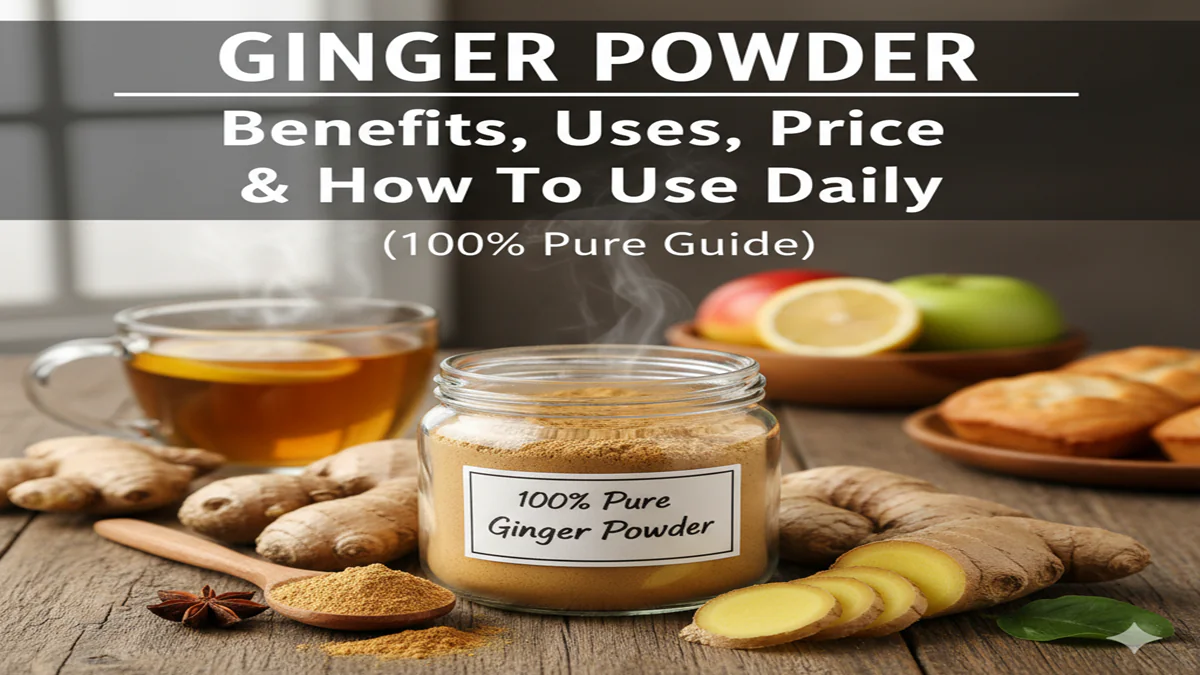
Ginger Powder Benefits, Uses, Price & How To Use Daily (100% Pure Guide)

Table of Contents

Ginger Powder (सोंठ): सेहत का खजाना है अदरक का पाउडर! जानें इसके बेमिसाल फायदे, उपयोग और बनाने की विधि।

Introduction: ताजी अदरक के फायदों के बारे में तो हम सभी जानते हैं, लेकिन जब अदरक को सुखाकर उसका पाउडर बनाया जाता है, तो इसके औषधीय गुण और भी बढ़ जाते हैं। इसे हिंदी में ‘सोंठ’ (Sonth) कहा जाता है। आयुर्वेद में सोंठ को ‘विश्वरोग निवारक’ माना गया है, यानी कई रोगों को दूर करने वाली औषधि।

मसालों के रूप में इस्तेमाल होने वाला Ginger Powder केवल स्वाद ही नहीं बढ़ाता, बल्कि यह गंभीर बीमारियों से लड़ने में भी शरीर की मदद करता है। इस लेख में हम विस्तार से जानेंगे कि Ginger Powder Benefits क्या हैं और आप इसका सही तरीके से उपयोग कैसे कर सकते हैं।


1. सोंठ का पोषण मूल्य (Nutritional Value of Ginger Powder)

ताजी अदरक की तुलना में सोंठ में ‘जिंजरोल’ (Gingerol) और ‘शोगोल’ (Shogaol) जैसे सक्रिय तत्व अधिक केंद्रित मात्रा में होते हैं। इसमें भरपूर मात्रा में:

  • एंटी-इंफ्लेमेटरी गुण
  • एंटीऑक्सीडेंट्स
  • विटामिन B6 और मैग्नीशियम
  • फाइबर पाए जाते हैं।

2. सोंठ (Ginger Powder) के मुख्य फायदे (Key Benefits)

१. पाचन तंत्र के लिए वरदान (Improves Digestion): सोंठ का सबसे बड़ा फायदा पाचन को सुधारने में है। यह पेट की गैस, सूजन (Bloating) और अपच की समस्या को दूर करता है। भोजन के बाद एक चुटकी सोंठ पाउडर गुनगुने पानी के साथ लेने से मेटाबॉलिज्म तेज होता है।

२. वजन घटाने में सहायक (Aid in Weight Loss): अदरक पाउडर शरीर में गर्मी पैदा करता है (Thermogenesis), जो फैट को बर्न करने में मदद करती है। यह भूख को नियंत्रित करता है और शुगर लेवल को स्थिर रखता

३. जोड़ों के दर्द और अर्थराइटिस में राहत (Relief from Joint Pain): सोंठ में प्राकृतिक सूजनरोधी (Anti-inflammatory) गुण होते हैं। घुटनों या जोड़ों के दर्द से परेशान लोगों के लिए सोंठ का सेवन और इसके लेप का इस्तेमाल दर्द को काफी हद तक कम कर सकता है।

४. सर्दी, खांसी और गले की खराश (Cure for Cold & Cough): बदलते मौसम में होने वाली सर्दी और खांसी के लिए सोंठ और शहद का मिश्रण सबसे पुराना और प्रभावी घरेलू नुस्खा है। यह फेफड़ों से कफ को बाहर निकालने में मदद करता है।

५. पीरियड्स के दर्द में कमी (Reduces Menstrual Pain): महिलाओं के लिए सोंठ बहुत फायदेमंद है। मासिक धर्म के दौरान होने वाले पेट दर्द और मरोड़ को कम करने में सोंठ की चाय बहुत राहत देती है।


3. सोंठ का उपयोग कैसे करें? (How to Use Ginger Powder)

  • सोंठ की चाय: उबलते पानी में आधा चम्मच सोंठ पाउडर और थोड़ा सा गुड़ मिलाएं। इसे पीने से थकान और तनाव दूर होता है।
  • सोंठ और शहद: खांसी होने पर आधा चम्मच सोंठ पाउडर में एक चम्मच शहद मिलाकर दिन में दो बार लें।
  • दूध के साथ: रात को सोने से पहले गरम दूध में एक चुटकी सोंठ पाउडर डालकर पिएं। यह रोग प्रतिरोधक क्षमता (Immunity) बढ़ाने के लिए बेहतरीन है।
  • खाना पकाने में: दाल, सब्जी या सूप में सोंठ पाउडर का इस्तेमाल स्वाद और सेहत दोनों बढ़ाता है।

4. घर पर सोंठ पाउडर कैसे बनाएं? (How to Make at Home)

बाजार के मिलावटी पाउडर से बचने के लिए आप घर पर शुद्ध अदरक पाउडर बना सकते हैं:

  1. ताजी अदरक को अच्छे से धोकर छील लें।
  2. इसे पतले स्लाइस में काट लें।
  3. २-३ दिन तक तेज धूप में सुखाएं जब तक कि वह पूरी तरह कुरकुरी न हो जाए।
  4. अब इसे मिक्सी में पीसकर बारीक पाउडर बना लें और एयरटाइट जार में स्टोर करें।

5. सावधानियां और नुकसान (Precautions & Side Effects)

  • गर्भावस्था: गर्भवती महिलाएं सोंठ का सेवन सीमित मात्रा में करें या डॉक्टर से सलाह लें।
  • अधिक सेवन: एक दिन में १-२ ग्राम से ज्यादा सोंठ का सेवन न करें, वरना सीने में जलन या पेट में गर्मी हो सकती है।
  • मधुमेह: जो लोग शुगर की दवा ले रहे हैं, वे सावधानी बरतें क्योंकि यह ब्लड शुगर को कम कर सकता है।

4. अक्सर पूछे जाने वाले प्रश्न (FAQs)

Q1: क्या सोंठ ताजी अदरक से बेहतर है?

Ans: दोनों के अपने फायदे हैं, लेकिन सोंठ में औषधीय गुण अधिक केंद्रित होते हैं और इसे लंबे समय तक स्टोर किया जा सकता है।

Q2: क्या सोंठ पाउडर से बालों का झड़ना रुकता है?

Ans: सोंठ पाउडर का पेस्ट नारियल तेल के साथ स्कैल्प पर लगाने से रक्त संचार बढ़ता है, जो बालों की ग्रोथ में मदद कर सकता है।

Q3: सोंठ की तासीर क्या है?

Ans: सोंठ की तासीर ‘गर्म’ होती है, इसलिए इसे सर्दियों में या बरसात के मौसम में लेना अधिक फायदेमंद होता है।


Conclusion: सेहत का छोटा पैकेट, बड़ा धमाका!

Ginger Powder (सोंठ) आपकी रसोई का वह मसाला है जो औषधि के रूप में काम करता है। पाचन से लेकर इम्यूनिटी बढ़ाने तक, इसके फायदे अनगिनत हैं। बस ध्यान रखें कि इसका सेवन संतुलित मात्रा में करें। आज ही शुद्ध सोंठ पाउडर को अपनी जीवनशैली का हिस्सा बनाएं।

The Complete Guide to Ginger Powder: Benefits, Uses, Daily Integration & Price Guide (100% Pure)

Introduction

For thousands of years, ginger has been celebrated as both a culinary treasure and a medicinal powerhouse. Today, its powdered form offers the same remarkable benefits in a convenient, shelf-stable format that can transform your health, cooking, and daily wellness routines. This comprehensive guide explores everything you need to know about 100% pure ginger powder—from its impressive health benefits and versatile uses to practical daily integration strategies and fair pricing insights.

Ginger powder isn’t simply dried ginger; it’s a concentrated form of the root’s bioactive compounds, including gingerol, shogaol, and zingerone, which are responsible for its distinctive flavor and therapeutic properties. Whether you’re seeking digestive relief, anti-inflammatory support, or simply a warming spice for your culinary creations, ginger powder delivers in ways that make it an indispensable addition to any modern kitchen or wellness regimen.

What is Ginger Powder?

Ginger powder is made by peeling, drying, and finely grinding fresh ginger rhizomes (Zingiber officinale). The drying process concentrates both the flavor and the beneficial compounds, creating a versatile powder that retains approximately 2-4% of the essential oils found in fresh ginger. High-quality ginger powder should be pale yellow to light brown with the characteristic aromatic, slightly sweet, and pungent flavor profile of fresh ginger.

The Production Process

  1. Harvesting: Mature ginger roots (9-10 months old) are harvested
  2. Cleaning and peeling: Roots are thoroughly washed and peeled
  3. Slicing: Ginger is sliced thinly for uniform drying
  4. Drying: Slices are dried using sun-drying, air-drying, or dehydrators at controlled temperatures (typically 60-70°C) to preserve active compounds
  5. Grinding: Dried slices are ground into fine powder
  6. Packaging: Powder is stored in airtight, light-resistant containers

The quality of ginger powder depends on the ginger variety, cultivation methods, drying technique, and storage conditions. Organic ginger powder ensures the absence of pesticide residues and often contains higher concentrations of beneficial compounds.

Health Benefits of Ginger Powder

1. Powerful Anti-Inflammatory and Antioxidant Properties

Ginger powder contains over 100 identified compounds, with gingerols being the most prominent bioactive components. These compounds inhibit the production of pro-inflammatory cytokines and prostaglandins, making ginger powder particularly beneficial for:

  • Arthritis relief: Multiple studies demonstrate ginger’s effectiveness in reducing osteoarthritis and rheumatoid arthritis symptoms
  • Chronic inflammation: Regular consumption may lower markers of inflammation like CRP (C-reactive protein)

The antioxidant capacity of ginger powder helps neutralize free radicals, potentially reducing oxidative stress associated with chronic diseases and aging.

2. Digestive Health Superstar

Ginger powder has been used for centuries to address digestive issues:

  • Nausea relief: Particularly effective for morning sickness, chemotherapy-induced nausea, and motion sickness
  • Gastric emptying: Accelerates stomach emptying, which can benefit those with indigestion and functional dyspepsia
  • Antispasmodic effects: Relaxes intestinal muscles, reducing cramping and discomfort
  • Prebiotic properties: Some research suggests ginger may support beneficial gut bacteria

3. Cardiovascular Support

Regular ginger powder consumption may contribute to heart health through:

  • Blood pressure regulation: Mild hypotensive effects through calcium channel blockade
  • Cholesterol management: May reduce LDL cholesterol and triglyceride levels
  • Blood thinning: Natural antiplatelet activity that may reduce clotting risk (consult doctor if on blood thinners)

4. Immune System Enhancement

Ginger powder’s antimicrobial properties and ability to promote sweating make it valuable for:

  • Cold and flu prevention: May reduce severity and duration of respiratory infections
  • Fever reduction: Promotes sweating which can help lower fever
  • Antimicrobial action: Effective against various bacteria and viruses in laboratory studies

5. Metabolic and Weight Management Benefits

Emerging research suggests ginger powder may support metabolic health by:

  • Appetite regulation: May increase satiety and reduce hunger
  • Thermogenic effect: Slightly increases body temperature and metabolic rate
  • Blood sugar regulation: May improve insulin sensitivity and fasting blood sugar levels

6. Cognitive Function and Mood

The antioxidants in ginger powder may protect brain health by:

  • Neuroprotection: Reducing oxidative stress in brain tissue
  • Memory enhancement: Animal studies show improved cognitive function
  • Anti-depressant effects: May boost serotonin and dopamine levels

Culinary and Practical Uses of Ginger Powder

In the Kitchen

Ginger powder’s concentrated flavor makes it ideal for numerous culinary applications:

Baking:

  • Gingerbread, cookies, cakes, and muffins
  • Add 1/2 to 1 teaspoon per cup of flour in recipes
  • Pairs wonderfully with cinnamon, nutmeg, and cloves

Cooking:

  • Marinades for meats, tofu, and vegetables
  • Soups, stews, and curries (add early in cooking for deeper flavor)
  • Stir-fries and sauces
  • Salad dressings and vinaigrettes

Beverages:

  • Golden milk (with turmeric and black pepper)
  • Herbal teas and infusions
  • Smoothies and juices
  • Cocktails and mocktails

Preservation:

  • Pickling spice blends
  • Fruit preserves and chutneys

Home Remedies and Wellness Applications

Digestive aid tea: 1/2 teaspoon ginger powder, juice of 1/2 lemon, hot water, and raw honey
Inhalation for congestion: Add 1 tablespoon ginger powder to bowl of hot water, cover head with towel, and inhale steam
Anti-inflammatory paste: Mix ginger powder with coconut oil for topical application on sore joints (patch test first)
Morning wellness shot: 1/4 teaspoon ginger powder, 1 tablespoon apple cider vinegar, splash of lemon juice, and water

Beauty and Personal Care

Face mask: Mix with honey and yogurt for brightening effect
Hair growth treatment: Combine with carrier oil for scalp massage

How to Use Ginger Powder Daily: Practical Integration Strategies

Starting Your Day

Morning Ginger Tea:

  • Add 1/4 to 1/2 teaspoon ginger powder to cup of hot water
  • Steep for 5-10 minutes
  • Add lemon and raw honey to taste
  • Benefits: Kickstarts digestion, provides antioxidant boost, and enhances mental clarity

Golden Morning Smoothie:

  • 1/2 teaspoon ginger powder
  • 1/2 teaspoon turmeric
  • Pinch of black pepper (enhances absorption)
  • 1 cup plant-based milk
  • 1/2 banana
  • 1 tablespoon almond butter
  • Blend until smooth

With Meals

Ginger-Infused Cooking Oil:

  • Add 1 tablespoon ginger powder to 1 cup olive or coconut oil
  • Heat gently for 5 minutes (do not boil)
  • Strain and use for cooking or dressings
  • Lasts 2-3 weeks refrigerated

Universal Seasoning Blend:

  • 3 tablespoons ginger powder
  • 2 tablespoons garlic powder
  • 1 tablespoon onion powder
  • 2 teaspoons sea salt
  • 1 teaspoon black pepper
  • Use on vegetables, proteins, and grains

Evening Routine

Digestive After-Dinner Tea:

  • 1/4 teaspoon ginger powder
  • 1/4 teaspoon fennel seeds
  • 1/4 teaspoon chamomile
  • Steep in hot water for 10 minutes
  • Benefits: Reduces bloating and prepares body for rest

Warming Nighttime Drink:

  • 1/4 teaspoon ginger powder
  • 1/4 teaspoon cinnamon
  • Warm milk of choice
  • Optional: dash of nutmeg and honey

Recommended Daily Intake

For general wellness: 1/4 to 1 teaspoon daily (approximately 1-4 grams)
For therapeutic purposes: Up to 2 teaspoons daily (8 grams), preferably divided into 2-3 doses
Maximum recommended: 4 grams daily for general population; pregnant women should limit to 1 gram daily

Important: Start with smaller amounts and increase gradually. Those with gallstone issues, bleeding disorders, or scheduled surgeries should consult healthcare providers before regular use.

Price Guide: What Should You Pay for Quality Ginger Powder?

Factors Influencing Price

  1. Organic certification: Organic ginger powder typically costs 20-50% more than conventional
  2. Origin: Indian and Jamaican ginger often command premium prices
  3. Processing method: Freeze-dried ginger retains more volatile oils but costs more than conventionally dried
  4. Packaging: Light-resistant, airtight packaging adds to cost but preserves quality
  5. Quantity: Bulk purchases (1 lb or more) offer better value per ounce

Price Ranges (2024 Market)

Conventional ginger powder:

  • Small quantities (2-4 oz): $4-$8
  • Medium quantities (8-16 oz): $8-$15
  • Bulk (1 lb or more): $12-$25 per pound

Organic ginger powder:

  • Small quantities (2-4 oz): $6-$12
  • Medium quantities (8-16 oz): $12-$22
  • Bulk (1 lb or more): $18-$35 per pound

Specialty ginger powder:

  • Freeze-dried: $25-$45 per pound
  • Specific origin (Jamaican, Indian): 20-40% premium
  • Therapeutic grade: $30-$60 per pound

How to Identify Quality Ginger Powder

  1. Color: Pale yellow to light brown (not bright yellow or white)
  2. Aroma: Strong, fresh, spicy scent without mustiness
  3. Texture: Fine powder without clumps (clumping may indicate moisture contamination)
  4. Taste: Pungent, warm, slightly sweet with characteristic ginger heat
  5. Certifications: Look for USDA Organic, Non-GMO Project Verified, or third-party testing
  6. Packaging: Airtight, light-resistant container with manufacturing/expiration date

Value Tips

  • Buy in bulk if you use regularly (properly stored, ginger powder lasts 2-3 years)
  • Consider growing and drying your own ginger for ultimate control and freshness
  • Compare price per ounce rather than package price
  • Subscribe-and-save programs often offer 10-15% discounts

Storage and Preservation

Proper storage maximizes shelf life and preserves bioactive compounds:

  1. Container: Airtight glass jar with tight-fitting lid
  2. Location: Cool, dark pantry away from heat sources and sunlight
  3. Temperature: Ideally below 70°F (21°C)
  4. Moisture protection: Add rice grains or silica packets to absorb humidity
  5. Shelf life: 2-3 years with proper storage, though potency gradually decreases

Signs of deterioration: Loss of aroma, faded color, musty smell, or clumping.

Safety Considerations and Potential Side Effects

Ginger powder is generally safe for most people but consider these precautions:

Contraindications

  • Gallstones: May increase bile production
  • Bleeding disorders: May enhance bleeding risk
  • Diabetes: May lower blood sugar (monitor levels if on medication)
  • Heart conditions: May interact with blood pressure and heart medications
  • Pregnancy: Limit to 1 gram daily and consult healthcare provider
  • Surgery: Discontinue at least 2 weeks before scheduled procedures

Possible Side Effects (typically with excessive consumption)

  • Heartburn or gastrointestinal discomfort
  • Mouth irritation
  • Increased menstrual flow
  • Skin irritation with topical use (always patch test)

Drug Interactions

  • Anticoagulants (warfarin, aspirin)
  • Diabetes medications
  • Blood pressure medications
  • Antacids and H2 blockers (may increase acid production)

Always consult your healthcare provider before beginning any new supplement regimen, especially if you have existing health conditions or take medications.

Ginger Powder vs. Fresh Ginger: When to Use Which

Choose Ginger Powder When:

  • Convenience and long shelf life are priorities
  • You want uniform flavor distribution in baked goods
  • Making spice blends or rubs
  • Traveling or need portable option
  • You prefer milder, less fibrous texture

Choose Fresh Ginger When:

  • You need the enzymatic activity for certain recipes
  • Preparing Asian stir-fries or dishes where texture matters
  • Making juices or fresh preparations
  • Maximum potency of gingerol is desired
  • Preparing traditional remedies that call specifically for fresh ginger

Conversion: 1 tablespoon fresh grated ginger ≈ 1/4 teaspoon ginger powder (adjust to taste as powder is more concentrated)

Frequently Asked Questions

1. How much ginger powder should I take daily for health benefits?

For general wellness, 1/4 to 1 teaspoon (1-4 grams) daily is recommended. For specific therapeutic purposes like arthritis pain or nausea relief, up to 2 teaspoons (8 grams) daily in divided doses may be used. Always start with smaller amounts and consult with a healthcare provider for personalized recommendations, especially if you have underlying health conditions.

2. Can ginger powder help with weight loss?

Ginger powder may support weight management through several mechanisms: its thermogenic properties slightly increase metabolism, it may help regulate blood sugar levels reducing cravings, and it can promote feelings of satiety. However, it should be considered a supplement to a balanced diet and regular exercise rather than a standalone solution. Some studies suggest ginger may help reduce waist-to-hip ratio and fasting blood sugar when combined with lifestyle changes.

3. Is there a difference between regular and organic ginger powder?

Yes, the primary differences are cultivation methods and potential contaminant levels. Organic ginger is grown without synthetic pesticides, herbicides, or fertilizers, which may result in higher concentrations of beneficial compounds and absence of chemical residues. Conventional ginger may contain pesticide residues, though usually within “safe” limits. Organic certification also typically involves stricter processing standards. If budget allows or if you consume ginger powder regularly, organic is generally recommended.

4. Can I use ginger powder on my skin?

Yes, ginger powder has topical applications but should be used cautiously. Its antioxidant and anti-inflammatory properties may benefit the skin when used in masks or scrubs. Always perform a patch test first: apply a small amount of your ginger preparation to your inner forearm and wait 24 hours to check for irritation. Popular applications include mixing with honey for an antibacterial face mask or with oil for a circulation-boosting body scrub. Avoid using on broken skin or sensitive areas.

5. How long does ginger powder last and how can I tell if it’s gone bad?

Properly stored in an airtight container in a cool, dark place, ginger powder maintains optimal quality for 2-3 years. Signs of deterioration include: faded color (from golden to dull tan), loss of characteristic spicy aroma, musty smell, or clumping from moisture exposure. While expired ginger powder isn’t typically dangerous, it loses potency and flavor. To maximize shelf life, buy in smaller quantities if you use it infrequently, and always seal the container immediately after use.

Conclusion

Ginger powder represents one of nature’s most versatile and potent wellness tools, offering centuries of traditional use supported by growing scientific validation. From its remarkable anti-inflammatory properties to its culinary flexibility, this humble spice delivers exceptional value whether measured in health benefits, flavor enhancement, or cost-effectiveness.

By integrating high-quality ginger powder into your daily routine—through morning teas, culinary creations, or targeted wellness applications—you harness an accessible form of preventive healthcare that bridges ancient wisdom with modern needs. The key lies in selecting pure, quality powder, starting with moderate amounts, and consistently incorporating it into your lifestyle.

As with any wellness practice, individual responses vary, so listen to your body and consult healthcare professionals when needed. With proper knowledge and application, ginger powder can become more than just another spice in your cabinet—it can transform into a daily ritual supporting your journey toward sustained vitality and well-being.

Disclaimer : This article is for informational ,purposes only &

does not, constitute medical advice.

Always consult with a qualified healthcare professional before making changes to your diet, supplement regimen, or health practices, particularly if you have pre-existing conditions or are taking medications.

badaudyog

Oh hi there
It’s nice to meet you.

Sign up to receive awesome content in your inbox, every month.

We don’t spam! Read our privacy policy for more info.