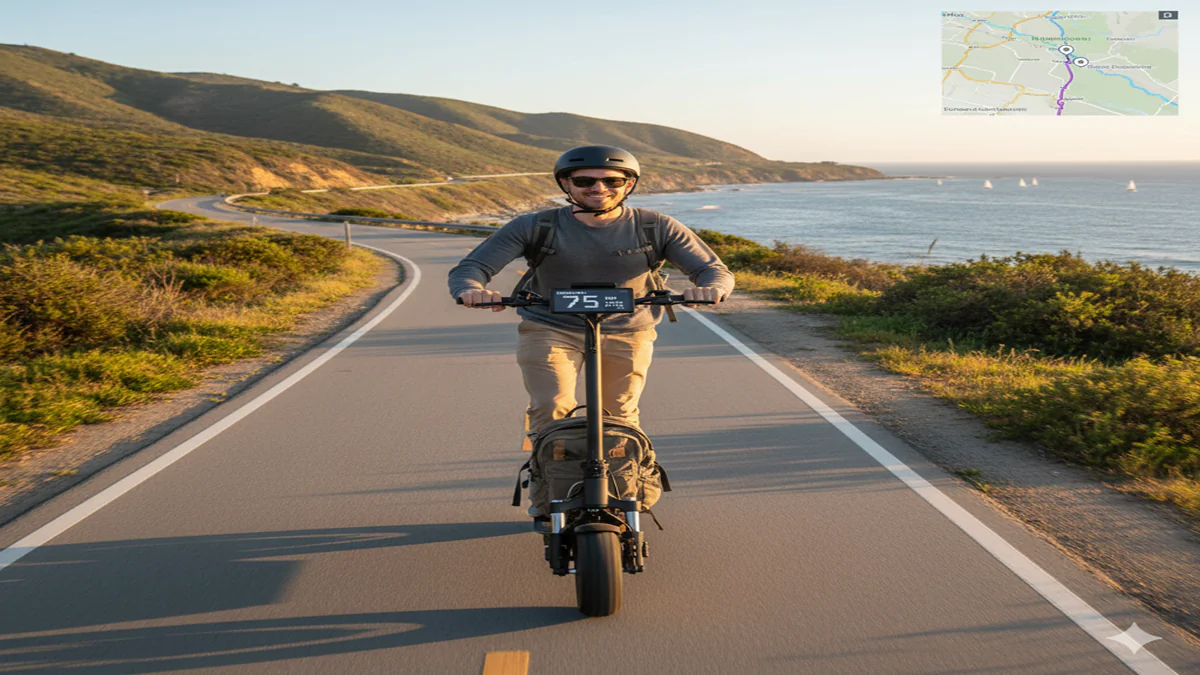
Electric Scooter Range In Real Life As electric scooters continue to gain popularity as a convenient and eco-friendly mode of transportation, understanding their real-world range becomes essential for potential riders. While manufacturers often provide estimated ranges under ideal conditions, the actual performance of electric scooters can vary significantly based on numerous factors.
From riding styles and terrain to weather conditions and battery specifications, this article delves into the complexities of electric scooter range, equipping you with the knowledge needed to make informed choices for your daily commutes or leisurely rides. Whether you’re a seasoned rider or considering your first purchase, grasping these nuances will enhance your overall riding experience.
Electric Scooter Range In Real Life
Understanding Electric Scooter Range: Key Factors
Battery Technology and Capacity
When it comes to electric scooters, the battery is basically the heart; without it, you’re just a funny-looking bicycle. The capacity, typically measured in amp-hours (Ah), determines how much energy the battery can store, directly impacting the distance you can travel. Lithium-ion batteries are the rockstars here, offering higher energy density and longer lifespans compared to their older counterparts. Just remember, bigger capacity usually means a heavier battery, but it also means more miles on the road—it’s a trade-off, much like choosing between that extra slice of pizza and fitting into your jeans.
Motor Efficiency and Performance
Not all motors are created equal. The efficiency of the motor can greatly influence how far you can go on a single charge. More efficient motors convert energy into motion better, which means less battery drain per mile. If your scooter’s motor could apply for a job, it should aim for “energy-saving superhero” status. Look for brushless motors, as they tend to be more efficient and run smoother—no one wants a scooter that sounds like it’s auditioning for a horror movie soundtrack.
Weight of the Rider and Cargo
Every extra pound counts when it comes to electric scooters. If you’re carrying a backpack full of books, a grocery haul, or, let’s be honest, snacks for a Netflix binge, you’ll see a dip in range. The more weight your scooter has to move, the more energy it consumes. So, if you want to maximize your miles, think about ditching that extra weight—sorry, snacks!
Real-World Conditions Impacting Range
Weather Conditions: Wind, Rain, and Temperature
Mother Nature plays a big role in your scooter adventures. Wind can act as your biggest frenemy; a headwind can zap your range faster than you can say “I should’ve checked the weather.” Rain might create a splashy vibe, but it can also lead to reduced traction and require more energy for stability. Cold temps? They can drain your battery quicker than you can say “frozen fingers.” The moral of the story? Check the forecast before you head out, and maybe invest in some weatherproof gear.
Road Surface and Quality
The smoothness of the ride can make or break your scooter’s range. Potholes, gravel, and your neighbor’s questionable DIY projects can all decrease efficiency. Well-paved roads allow you to glide effortlessly, while bumpy surfaces require more effort (and energy) to navigate. So, if you find yourself on a questionable path, remember: that’s not just your confidence wobbling—it’s your battery life taking a hit.
Urban vs. Rural Riding Scenarios
Where you ride can dramatically impact your range. Urban environments often mean more stops, starts, and sudden turns to avoid that guy in a hurry on his phone. All this stop-and-go action can chew through your battery. On the flip side, rural riding often allows for smoother, longer stretches, but if you’re not careful, the lack of charging stations might leave you stranded sooner than you’d like. Choose your scenery wisely!
Battery Capacity vs. Actual Performance
Understanding Battery Ratings and Specifications
Let’s demystify those battery ratings, shall we? Manufacturers will often boast about a battery’s capacity, but that number alone doesn’t tell the full story. Efficiency, discharge rate, and even temperature can impact how that battery performs in real life. Think of it like looking at a car’s horsepower without considering how it handles in traffic—sure, it sounds good on paper, but can it deliver when you need to merge?
Charging Cycles and Longevity
Every time you charge, you go through a cycle which gradually diminishes the overall capacity of your battery. A higher-quality battery may endure more cycles before its performance drops. It’s like aging gracefully—some batteries do it better than others. Regularly charging your scooter and avoiding extreme discharges will help extend your battery’s life, giving you more miles before it’s time for a retirement party.
Degradation Over Time and Usage Patterns
Like that pair of jeans you swore you’d fit into again, batteries degrade over time, and how you use them matters. Frequent short trips can lead to a phenomenon called “shallow cycling,” which can be detrimental for your battery’s health. Whereas long, full discharges followed by full charges help maintain capacity. It’s a delicate dance of usage and care—so treat your battery like a fine wine, and it’ll reward you with longevity (and less range anxiety).
Riding Style and Its Effect on Range
Acceleration and Braking Habits
How you start and stop can either help or harm your range. Quick acceleration and sudden braking can drain your battery faster than a surprise dance-off at a wedding. Smooth, gradual starts and stops are the way to go; think of it as cruising through life rather than running a sprint. Embrace your inner tortoise, and you’ll find yourself racking up those extra miles.
Speed Choices and Their Consequences
Speed demons beware—while zooming can be thrilling, it can also be a major drain on your battery. Most scooters are optimized for a certain speed range, usually between 15-25 mph. Staying within this sweet spot helps maximize efficiency. So, if you find yourself on a deserted road, resist the urge to channel your inner race car driver; your battery will thank you.
Use of Cruise Control Features
If your scooter has a cruise control feature, consider yourself lucky; it’s like having a personal chauffeur for those long stretches. Using cruise control can help maintain a consistent speed, which is much more energy-efficient than constantly accelerating and decelerating. So, sit back, relax, and let your scooter do the work, but don’t forget to keep an eye on the road—safety first, even when you’re living large on wheels!
Terrain and Environmental Influences
Climbing Hills vs. Flat Surfaces
When it comes to electric scooters, incline can be a cruel mistress. Riding uphill? You might as well be pedaling a boulder. Most scooters are tested on flat surfaces with minimal resistance, so if your ride is sprinkled with hills, be prepared for a significant range drop. Flat surfaces, on the other hand, are like an electric scooter’s happy place—a wide, open terrain where it can stretch its proverbial legs and really show off how far it can go.
Obstacles and Stop-and-Go Conditions
Get ready for a rollercoaster of range anxiety in urban environments. Frequent stops at traffic lights and dodging pedestrians can sap your battery faster than a phone with a cracked screen. Each time you brake and accelerate, you’re draining that precious battery juice. Urban riders beware: all that stop-and-go can reduce your range, transforming your sleek ride into a reluctant couch potato.
Impact of Elevation Changes
Elevation changes can throw a wrench in your electric scooter dreams. Riding from a low valley to a high summit? Your range will take a nosedive faster than you can say “altitude adjustment.” The higher you go, the more power your scooter needs to fight gravity. If you live in a hilly area, consider the elevation when estimating your range, or you might find yourself making a new friend in the form of a passing cyclist who has to see you wheeling back home.
Manufacturer Claims vs. Real-Life Experience
Testing Methods Used by Manufacturers
Manufacturers often flaunt impressive range numbers, but don’t rush to drop your life savings just yet. Their testing typically involves ideal conditions: a lightweight rider, smooth surfaces, no wind, and, let’s be honest, probably a robot holding the throttle steady. If you’ve ever tried to replicate that scenario while dodging potholes and squirrels, you’ll know how unrealistic it really is. Always take those glossy promises with a grain of salt.
Consumer Reviews and Feedback
If you want the real scoop, look no further than the user reviews. Actual riders will spill the beans on how far their scooters went before they felt the need for a tow. These reviews offer a treasure trove of experiences that can range from “This thing glides forever” to “My scooter has new aspirations as a decorative lawn ornament.” Gather insights from seasoned riders and save yourself the heartache of a disappointing joyride.
Range Estimates: What to Trust
Navigating range estimates can be a minefield of misinformation. Some brands provide conservative numbers, while others set expectations so high that you might as well be dreaming. The safest bet? Focus on a combination of manufacturer claims, consumer feedback, and real-life test rides. When in doubt, always aim for lower than the manufacturer’s heavenly claims—because living with range anxiety is less fun than you’d think.
Tips to Maximize Electric Scooter Range
Maintenance and Care of Your Scooter
Just like your car needs oil changes and tire rotations, your electric scooter requires some TLC too. Regularly check the tire pressure, keep it clean, and ensure the battery is healthy to maximize performance. Even something as simple as a dirty motor can slow you down. Treat your scooter like the loyal steed it is, and it will reward you with miles upon miles of effortless cruising.
Optimal Riding Techniques
Your riding style can make or break your range. Smooth, steady acceleration is your best friend—think of it like the tortoise from that tale! Avoid sudden starts and stops, and if you can, coasting down a hill gives your battery a little break. Channel your inner Zen master and find the balance between speed and energy conservation. Who knew riding could be a meditative experience?
Choosing the Right Accessories
The right accessories can elevate your riding experience and add a few extra miles to your range. Lightweight gear, such as a compact helmet or a minimal backpack, keeps you agile. Consider investing in a high-quality battery pack for emergency boosts—nothing screams “I’m prepared” like being the one who glides smoothly past a bunch of stalled scooters. Plus, a cellphone holder can save you from pulling over to check directions. Efficiency, here we come!
Conclusion: Making Informed Choices for Your Ride
Summarizing Key Takeaways
In summary, the electric scooter range is a magical tapestry woven from various factors including terrain, riding style, and maintenance. When evaluating range claims, remember to look beyond the manufacturer’s shiny brochures, and lean on real-world experiences. Understanding these elements empowers you to make informed choices and plan routes accordingly.
Future Considerations for Electric Scooter Users
Looking ahead, electric scooters are evolving, and so will their ranges. Keep an eye out for advancements in battery technology, improved aerodynamics, and perhaps even smarter scooters that can adapt to their riding environment. As scooters become more reliable, so will our guilt-free quests for adventure.
The future is bright, and it’s zipping along on two wheels!In conclusion, understanding the various factors that influence electric scooter range is crucial for maximizing your riding experience. By considering elements such as battery capacity, riding style, and environmental conditions, you can make informed decisions that enhance your scooter’s performance. With the right knowledge and tips in hand, you can enjoy longer rides and get the most out of your electric scooter, making it a practical and enjoyable mode of transportation for everyday use.
FAQs
Does weight affect the range of an electric scooter?
Yes, the weight of the rider and any additional cargo can significantly impact the range of an electric scooter. Heavier loads require more power, reducing the overall distance the scooter can travel on a single charge.
What should I do if my scooter’s range decreases over time?
If you notice a decrease in your scooter’s range, consider checking the battery health, ensuring proper maintenance, and evaluating your riding habits. Replacing an aging battery may also be necessary to restore optimal performance.