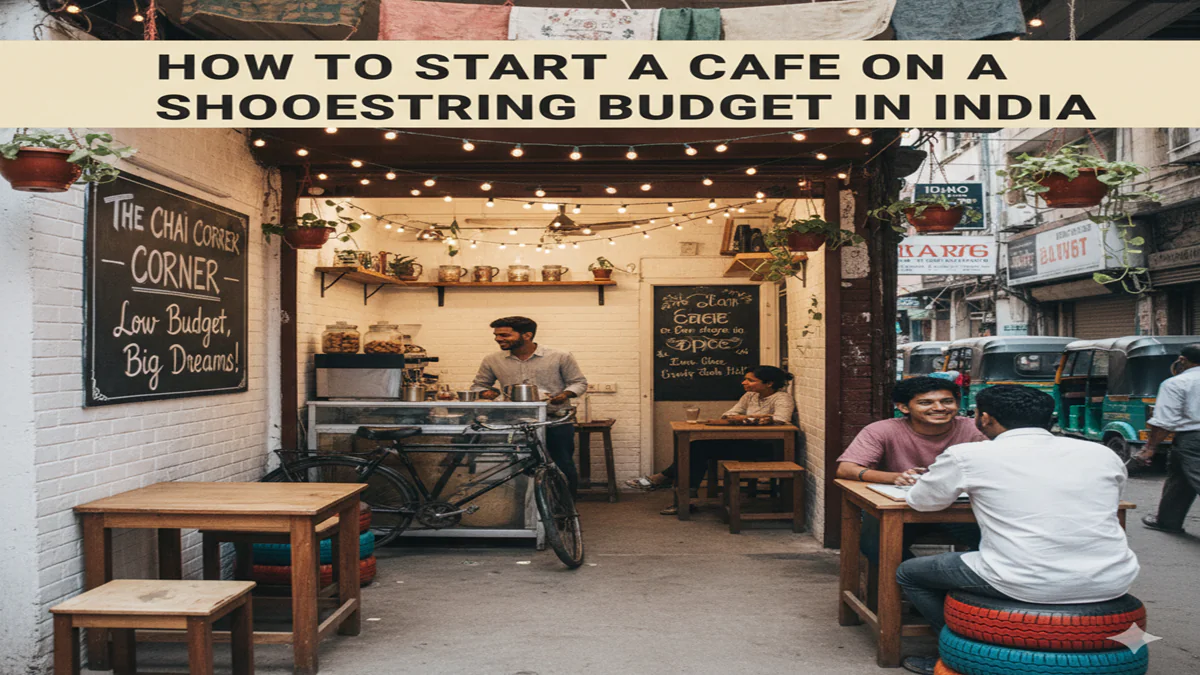
How To Open A Cafe With A Low Budget In India

How To Open A Cafe With A Low Budget In India

How to Open a Cafe With A Low Budget In India: A Step-by-Step Guide for Aspiring Entrepreneurs

Opening a cafe is a cherished dream for many in India—a place where the aroma of freshly brewed coffee mingles with the warmth of conversation. However, the perception that launching a cafe requires substantial capital often deters passionate individuals. The truth is, with strategic planning, creativity, and frugal execution, you can open a charming, profitable cafe on a surprisingly low budget. This comprehensive 2000+ word guide will walk you through the entire process, from ideation to launch, tailored for the Indian market.

Chapter 1: The Foundation – Planning & Conceptualization (Budget: Minimal to None)

Before spending a single rupee, invest your time in meticulous planning. This phase is crucial for low-budget success.

Instead of a generic cafe, consider:

  • Theme-Based:A board game cafe, a used-book cafe, a pet-friendly courtyard cafe, or a cafe showcasing local art.
  • Cuisine-Focused:Dedicated to single-origin Indian coffee, traditionalkadak chaiandbun-maska, homemade desserts, or healthy, organic snacks.
  • Community-Oriented:A co-working cafe for freelancers, a poetry-reading hub, or a cultural space for local musicians.
    A focused concept helps in targeted marketing and reduces initial inventory costs.

2. Craft a Lean Business Plan: You don’t need a 50-page document. Create a lean plan covering:

  • The Idea:Your concept, mission, and vision.
  • Target Audience:College students, office professionals, young families?
  • Menu & Pricing:A sample menu with key items and competitive pricing.
  • Budget & Financials:A detailed estimate of one-time startup costs and monthly operational expenses (more on this below).
  • Marketing Strategy:How you’ll attract customers with minimal spend.

3. The Low-Budget Budget: Estimating Costs Realistically
A low-budget cafe in India can be launched for ₹5-10 lakhs, depending on city and scale. Here’s a rough breakup:

CategoryEstimated Cost (₹)Low-Budget Tips
Licenses & Legal50,000 – 1,00,000Start with FSSAI, GST, and local municipal trade license.
Space (Security Deposit)1,00,000 – 3,00,000Biggest variable. Opt for shared spaces, suburbs, or first-floor locations.
Interior & Furniture1,00,000 – 2,00,000Use refurbished, rented, or DIY furniture. Thrift stores are your friend.
Kitchen Equipment1,50,000 – 3,00,000Prioritize second-hand equipment. Buy core items only (brewer, grinder, fridge).
Initial Inventory50,000 – 1,00,000Start with a limited menu; buy in bulk from wholesale markets.
Pre-Launch Marketing20,000 – 50,000Rely heavily on free digital marketing.
Contingency50,000Absolutely essential.
TOTAL6,00,000 – 12,00,000Can be optimized to the lower end with smart choices.

Chapter 2: The Hunt – Location & Licenses (Budget: High Impact, High Negotiation)

1. The Art of Securing a Low-Cost, High-Potential Location:

  • Look Beyond High Streets:Prime footfall areas come with prime rents. Explore:
    • Residential Neighborhoods:Near parks, fitness centers, or residential complexes.
    • Educational Hubs:Streets adjacent to colleges/universities.
    • Office Catchments:In business districts but on side lanes or first floors.
    • Shared Spaces & Kiosks:Rent a corner in a bookstore, library, or co-working space.
  • Consider a Home Cafe:If you have a ground-floor space with separate entry in a good locality, this is the ultimate budget saver.
  • Negotiate Hard:Offer to pay a higher security deposit for lower monthly rent. Seek a lock-in period and rent-free months for fit-out.

2. Navigating the Legal Maze (Licenses & Registrations):

  • Entity Registration:Start as a Sole Proprietorship (easiest and cheapest). Upgrade to LLP or Pvt Ltd later.
  • FSSAI License:Mandatory.The basic license costs approx. ₹3,000/year for a small eatery.
  • GST Registration:Required if you expect annual turnover above ₹20 lakhs (₹10 lakhs for special category states). Voluntary registration is beneficial for input tax credit.
  • Local Municipal Health/Trade License:Obtain from your local municipal corporation.
  • Check with your landlord/local authorities.
  • Music License:From PPL & Novex if you play recorded music.

Chapter 3: Frugal Fit-Out & Equipment (Budget: Creativity Over Cash)

This is where your personality and smart shopping can shine.

1. Interior Design on a Dime:

  • Embrace the “Shabby Chic” or Industrial Look:Exposed bricks, polished cement floors, and pipes are stylish and save on plaster and paint.
  • DIY & Upcycle:Paint old furniture, use wooden crates as shelves, turn tyres into side tables. Involve artist friends for murals.
  • Lighting is Key:Inexpensive fairy lights, second-hand lamps, and good use of natural light can create magic.
  • Plants, Plants, Plants:The most affordable decor. Use indoor plants, terracotta pots, and hanging planters.
  • Source Second-Hand:Scout OLX, Facebook Marketplace, and local chor bazaars for tables, chairs, and display units.

2. Kitchen & Equipment: The Heart of Your Cafe

  • The Non-Negotiables (Buy Smart):
    • Coffee Machine:Consider a good-quality second-hand machine or a robust South Indian filter coffee brewer for a fraction of the cost.
    • Refrigerator:A second-hand commercial fridge or a large, new domestic one to start.
    • Grinder:A reliable coffee bean grinder.
    • Cooking Station:A simple LPG burner setup or a second-hand induction cooktop.
    • Storage:Basic shelving and containers.
  • Rent or Lease:Explore equipment leasing options for high-ticket items.
  • Borrow & Barter:For the initial launch, can you borrow a microwave or a juicer from family?

Chapter 4: The Menu & Operations – Where Quality Meets Thrift

1. Crafting a Killer, Cost-Effective Menu:

  • Start Small, Start Signature:Have 5-7 drink options and 7-10 food items. Perfect them. A famous “Maggi Point” or “Special Chai” can become your identity.
  • Leverage Local & Seasonal:Source fruits, vegetables, and dairy locally. Seasonal produce is cheaper and fresher.
  • In-House is the Way:Avoid ready-made mixes and frozen foods. Make your syrups, batter, and dough. It’s cheaper and a great selling point.
  • Cost Control:Use a simple spreadsheet to calculate the cost of each ingredient per serving. Aim for a food cost of 30-40%.

2. Building Your Supply Chain:

  • Coffee/Tea:Approach local roasters or distributors for competitive prices. Buy in bulk.
  • Groceries:Establish accounts with wholesale dealers (like METRO, Booker) or localkiranawholesalers.
  • Daily Produce:Tie up with a localsubziwalafor daily deliveries at market rates.

3. The Human Element – Staffing:

  • Start Solo/With Family:Be your own first barista, server, and cashier.
  • Hire Multi-Taskers:For your first 1-2 employees, look for enthusiastic individuals willing to handle counter, serving, and basic cleaning.
  • Train Thoroughly:Invest time in training them on your recipes, customer service, and cost-saving mindset.

Chapter 5: The Grand (Frugal) Launch & Marketing

1. The Soft Launch:
Before a grand opening, have a 1-2 week soft launch. Invite friends, family, and local influencers for free tastings in exchange for honest feedback and social media posts. This helps iron out operational kinks without the pressure.

2. Low-Cost, High-Impact Marketing Strategies:

  • Instagram & Facebook are Your Best Friends:Create an appealing page. Post daily—behind-the-scenes stories, menu highlights, customer photos. Use local hashtags.
  • Collaborate with Micro-Influencers:Offer them a free meal for a post. They have highly engaged local followers.
  • Loyalty Programs:A simple “Buy 9 coffees, get the 10th free” punch card works wonders.
  • Engage with the Local Community:Sponsor a local sports team, host a book club meeting, or display artwork from a nearby college.
  • Google My Business:ESSENTIAL.

Chapter 6: The Road Ahead – Sustainability & Growth

Opening is just the beginning. Monitor your cash flow daily. Track best-selling items and discontinue slow movers. Listen to customer feedback religiously. Reinvest your initial profits back into the business—maybe in that espresso machine you originally dreamed of.

Your cafe’s success hinges not on how much you spend, but on the experience you create. In India, where warmth and connection are valued as much as the beverage, a personal touch, consistent quality, and a welcoming atmosphere will always beat sterile extravagance.


FAQs: Opening a Cafe on a Low Budget in India

Q1. What is the absolute minimum budget required to open a small cafe in India?

A: With extreme frugality, a home cafe or a very small kiosk-style setup can be started with as little as₹3-5 lakhs. This would involve a minimal menu (e.g., chai, coffee, 3-4 snacks), used equipment, basic home-style interiors, and handling most operations yourself. However, a more sustainable standalone model typically requires₹6-10 lakhs.

Q2. Which is the most profitable item on a cafe menu in India?

A: Traditionally,beverages—especially tea, coffee, and packaged drinks—have the highest profit margins (often 60-80%). Food items have lower margins (30-50%) due to ingredient costs. A focus on perfecting your signature drinks and pairing them with a few high-margin snacks (like cookies, cakes, or sandwiches) is a solid low-budget strategy.

Q3. Can I run a cafe from home legally in India?

A:Yes, but with conditions.You must comply with all regulations:
Secure anFSSAI License(Home Catering/Business).
Check your local municipalzoning lawsand obtain aTrade License.
Ensure you have aseparate, hygienic kitchen spaceused only for commercial purposes.
Inform yourResident Welfare Association (RWA), as some societies have rules against commercial activities.

Q4. How can I save money on the biggest expense—rent?

A:Negotiate, negotiate, negotiate.Offer to pay 6 months to a year’s rent as a security deposit for a lower monthly rate. Look for spaces that have been vacant for a while. Considerrevenue-sharing modelswith complementary businesses (like a bookshop or gallery). Opt for asub-leaseor look for locations slightly away from the main road but with good visibility.

Q5. What are the most common mistakes first-time cafe owners make on a budget?

A: The key pitfalls to avoid are:
Undercapitalization:Not having a 20-25% contingency fund for unexpected expenses.
Over-investing in Interiors:Splurging on theme-based decor before ensuring operational funds.
An Overly Large Menu:Increasing inventory costs and complexity without guaranteed sales.
Ignoring Digital Marketing:In today’s world, a strong, organic social media presence is non-negotiable and free.
Poor Location Choice:Choosing a cheap rent in an area with zero footfall or accessibility.

By navigating these steps carefully and focusing on passion over perfection, you can turn your dream of owning a charming Indian cafe into a thriving, budget-conscious reality.


Vata Pitta Kapha : आरोग्याची गुरुकिल्ली आहे ‘त्रिदोष’ संतुलन; जाणून घ्या तुमची शरीर प्रकृती आणि उपाय!

Vata Pitta Kapha Test In Hindi Free Body Type Check

Vata, Pitta, Kapha: आरोग्याची गुरुकिल्ली आहे ‘त्रिदोष’ संतुलन; जाणून घ्या तुमची शरीर प्रकृती आणि उपाय!

Vata Pitta Kapha : आयुर्वेदामध्ये शरीराला निरोगी ठेवण्यासाठी ‘त्रिदोष’ म्हणजेच वात (Vata), पित्त (Pitta) आणि कफ (Kapha) यांचे संतुलन असणे अत्यंत आवश्यक मानले जाते. जेव्हा या तीनपैकी कोणताही एक दोष बिघडतो, तेव्हा शरीरात आजार निर्माण होतात. म्हणूनच, प्रत्येक व्यक्तीने आपली प्रकृती कोणती आहे हे जाणून घेणे गरजेचे आहे.

या लेखात आपण Vata, Pitta, Kapha बद्दल सविस्तर माहिती आणि ते संतुलित ठेवण्याचे उपाय पाहणार आहोत.


१. वात दोष (Vata Dosha) – हालचालींचे प्रतीक

Vata Pitta Kapha : वात हा आकाश आणि वायू या तत्त्वांपासून बनलेला असतो. शरीरातील सर्व प्रकारच्या हालचाली (रक्तभिसरण, श्वासोच्छवास) वात नियंत्रित करतो.

  • लक्षणे: त्वचा कोरडी पडणे, सांधेदुखी, बद्धकोष्ठता (Constipation), झोप न लागणे आणि सतत चिंता वाटणे.
  • संतुलित ठेवण्याचे उपाय:
    • नेहमी ताजे आणि गरम अन्न खावे.
    • आहारात तूप आणि तेलाचा योग्य वापर करावा.
    • नियमित शरीराला तिळाच्या तेलाने मालिश करावी.
    • भरपूर पाणी प्यावे आणि पुरेशी झोप घ्यावी.

२. पित्त दोष (Pitta Dosha) – ऊर्जेचे प्रतीक

Vata Pitta Kapha : पित्त हे अग्नी आणि जल तत्त्वांनी बनलेले असते. शरीरातील पचनक्रिया, चयापचय (Metabolism) आणि तापमान पित्त नियंत्रित करते.

  • लक्षणे: ॲसिडिटी, छातीत जळजळ, जास्त राग येणे, त्वचेवर पुरळ येणे किंवा डोळे लाल होणे.
  • संतुलित ठेवण्याचे उपाय:
    • मसालेदार, तळलेले आणि अति तिखट पदार्थ टाळावेत.
    • थंड प्रवृत्तीचे पदार्थ जसे की दूध, तूप आणि काकडी यांचा आहारात समावेश करावा.
    • उन्हात जास्त फिरणे टाळावे.
    • शीतली प्राणायाम करणे फायदेशीर ठरते.

३. कफ दोष (Kapha Dosha) – स्थिरतेचे प्रतीक

Vata Pitta Kapha : कफ हा पृथ्वी आणि जल तत्त्वांनी बनलेला असतो. शरीराची रचना, मजबुती आणि वंगण (Lubrication) राखण्याचे काम कफ करतो.

  • लक्षणे: शरीरात जडपणा जाणवणे, अति झोप येणे, वजन वाढणे, सर्दी-खोकला आणि आळस.
  • संतुलित ठेवण्याचे उपाय:
    • हलका आणि उष्ण आहार घ्यावा.
    • नियमित व्यायाम आणि योगासने करणे अनिवार्य आहे.
    • मध आणि कोमट पाण्याचे सेवन करावे.
    • दिवसा झोपणे टाळावे.

त्रिदोष संतुलित ठेवण्यासाठी ५ सुवर्ण नियम (2026 Health Guide)

  1. वेळेवर जेवण: भूक लागल्यावरच जेवा आणि रात्रीचे जेवण हलके ठेवा.
  2. ऋतुचर्या: ऋतूनुसार आपल्या आहारात बदल करा (उदा. हिवाळ्यात गरम, उन्हाळ्यात थंड).
  3. पाणी पिण्याची पद्धत: नेहमी बसून आणि कोमट पाणी पिणे त्रिदोषांसाठी उत्तम आहे.
  4. प्राणायाम: दररोज किमान १५ मिनिटे कपालभाती आणि अनुलोम-विलोम करा.
  5. नैसर्गिक वेग रोखू नका: शौच, लघवी किंवा शिंक यांसारखे नैसर्गिक वेग कधीही रोखून धरू नका.

निष्कर्ष (Conclusion)

Vata, Pitta, Kapha हे आपल्या शरीराचे आधारस्तंभ आहेत. तुमची प्रकृती कोणतीही असो, संयमित जीवनशैली आणि योग्य आहार घेतल्यास तुम्ही १०० वर्षे निरोगी जगू शकता. जर तुम्हाला गंभीर समस्या जाणवत असतील, तर जवळच्या आयुर्वेदिक तज्ज्ञांचा सल्ला नक्की घ्या.


Tridosha Comparison Table

वैशिष्ट्यवात (Vata)पित्त (Pitta)कफ (Kapha)
तत्ववायू + आकाशअग्नी + जलपृथ्वी + जल
स्वभावचंचल / कोरडाउष्ण / तीक्ष्णशांत / जड
मुख्य स्थानमोठे आतडेजठर (पोट)छाती / फुफ्फुस
असंतुलनाचे मुख्य फळवेदना (Pain)जळजळ (Inflammation)सूज / कफ (Congestion)

वात, पित्त, कफ टेस्ट: मुफ्त शरीर प्रकृति जांच और संपूर्ण मार्गदर्शन

परिचय: आयुर्वेद क्या है और दोष क्यों महत्वपूर्ण हैं?

Vata Pitta Kapha आयुर्वेद, जिसका अर्थ है “जीवन का विज्ञान”, 5000 साल पुरानी भारतीय चिकित्सा पद्धति है जो समग्र स्वास्थ्य और कल्याण पर केंद्रित है। इसकी नींव तीन मौलिक ऊर्जाओं या दोषों – वात, पित्त और कफ – के संतुलन में निहित है। ये दोष केवल शारीरिक विशेषताओं तक सीमित नहीं हैं, बल्कि ये हमारी मानसिक प्रवृत्ति, भावनात्मक प्रतिक्रियाओं और हमारे पर्यावरण के साथ संबंध को भी निर्धारित करते हैं।

Vata Pitta Kapha : प्रत्येक व्यक्ति में इन तीनों दोषों का अनूठा संयोजन होता है, जिसेप्रकृतिकहा जाता है। यह प्रकृति हमारे गर्भाधान के समय निर्धारित होती है और जीवन भर अपेक्षाकृत स्थिर रहती है। जब हमारी प्रकृति के अनुरूप जीवन जीते हैं, तो हम स्वास्थ्य, ऊर्जा और संतुलन का अनुभव करते हैं। जब हम इससे दूर हो जाते हैं, तो असंतुलन और बीमारी उत्पन्न होती है।

इस लेख में, हम आपकी शरीर प्रकृति की पहचान करने के लिए एक मुफ्त वात, पित्त, कफ टेस्ट प्रदान करेंगे, साथ ही प्रत्येक दोष की विस्तृत व्याख्या, संतुलन और असंतुलन के लक्षण, और उचित आहार एवं जीवनशैली संबंधी सिफारिशें देंगे।


भाग 1: तीन दोषों की गहन समझ

वात दोष: गति और परिवर्तन का सिद्धांत

Vata Pitta Kapha : वातसंस्कृत के मूल “वा” से आया है, जिसका अर्थ है “गति करना”। यह वायु और अंतरिक्ष तत्वों से बना है और शरीर में सभी गतियों के लिए जिम्मेदार है।

वात प्रधान व्यक्ति की विशेषताएं:

  • शारीरिक लक्षण: पतला, हल्का शरीर, त्वचा रुखी, ठंडे हाथ-पैर, अनियमित भूख और पाचन, हल्की नींद, तेज चलना
  • मानसिक लक्षण: रचनात्मक, उत्साही, तेज सीखने की क्षमता, लेकिन चिंता, भय और घबराहट की प्रवृत्ति
  • जब संतुलित हो: ऊर्जावान, रचनात्मक, अनुकूलनीय, उत्साही
  • जब असंतुलित हो: चिंता, अनिद्रा, कब्ज, सूखी त्वचा, जोड़ों में दर्द, वजन कम होना

पित्त दोष: परिवर्तन और चयापचय का सिद्धांत

Vata Pitta Kapha : पित्तअग्नि और जल तत्वों से बना है। यह शरीर में सभी चयापचय प्रक्रियाओं, पाचन और ऊर्जा उत्पादन को नियंत्रित करता है।

पित्त प्रधान व्यक्ति की विशेषताएं:

  • शारीरिक लक्षण: मध्यम निर्माण, गर्म शरीर, त्वचा संवेदनशील और मुहांसे prone, तेज पाचन, अच्छी भूख, पसीना अधिक आना
  • मानसिक लक्षण: तीक्ष्ण बुद्धि, नेतृत्व क्षमता, निर्णय लेने की क्षमता, लेकिन क्रोध, चिड़चिड़ापन और आलोचनात्मक होने की प्रवृत्ति
  • जब संतुलित हो: बुद्धिमान, नेतृत्व क्षमता, निर्णायक, उत्साही
  • जब असंतुलित हो: क्रोध, सूजन, अम्लता, त्वचा रोग, भड़काऊ स्थितियां

कफ दोष: संरचना और स्थिरता का सिद्धांत

Vata Pitta Kapha : कफपृथ्वी और जल तत्वों से बना है। यह शरीर की संरचना, स्थिरता और स्नेहन के लिए जिम्मेदार है।

कफ प्रधान व्यक्ति की विशेषताएं:

  • शारीरिक लक्षण: मजबूत, भारी शरीर, चिकनी त्वचा, बाल घने, धीमा लेकिन स्थिर पाचन, भरपूर नींद
  • मानसिक लक्षण: शांत, दयालु, वफादार, क्षमाशील, लेकिन आलस्य, लगाव और ईर्ष्या की प्रवृत्ति
  • जब संतुलित हो: शांत, स्थिर, वफादार, दयालु, क्षमाशील
  • जब असंतुलित हो: आलस्य, अवसाद, वजन बढ़ना, कफ जमाव, एलर्जी, मधुमेह

भाग 2: मुफ्त वात, पित्त, कफ टेस्ट (शरीर प्रकृति जांच)

Vata Pitta Kapha : निम्नलिखित प्रश्नावली में, प्रत्येक खंड के लिए वह विकल्प चुनें जो आप पर सबसे अधिक लागू होता है। ईमानदारी से उत्तर दें कि आप वास्तव में कैसे हैं, न कि आप कैसे होना चाहते हैं।

शारीरिक विशेषताएं

  1. आपके शरीर का प्रकार कैसा है?
    • क: पतला, हल्का, तेजी से वजन घटता-बढ़ता है
    • ख: मध्यम, अच्छी मांसपेशियों वाला, संतुलित
    • ग: बड़ा, भारी, वजन बढ़ने की प्रवृत्ति
  2. आपकी त्वचा की प्रकृति कैसी है?
    • क: पतली, शुष्क, ठंडी, रूखी
    • ख: गर्म, नम, लालिमा या मुहांसे prone
    • ग: मोटी, तैलीय, ठंडी, चिकनी
  3. आपके बाल कैसे हैं?
    • क: पतले, शुष्क, घुंघराले या भंगुर
    • ख: पतले, समय से पहले सफेद या गंजेपन की प्रवृत्ति
    • ग: मोटे, घने, तैलीय, गहरे रंग के

पाचन और आहार संबंधी प्रवृत्तियां

  1. आपकी भूख कैसी है?
    • क: अनियमित, कभी तो बहुत कम, कभी अचानक तेज भूख
    • ख: तीव्र, यदि भोजन समय पर न मिले तो चिड़चिड़ापन
    • ग: स्थिर लेकिन कमजोर, भोजन छूट जाए तो चिंता नहीं
  2. आपका पाचन तंत्र कैसा है?
    • क: अनियमित, गैस, सूजन, कब्ज की प्रवृत्ति
    • ख: तेज, अम्लता, जलन, दस्त की प्रवृत्ति
    • ग: धीमा लेकिन स्थिर, भारीपन महसूस होना

मानसिक और भावनात्मक विशेषताएं

  1. आपकी स्मरण शक्ति कैसी है?
    • क: तेज लेकिन अल्पकालिक, जल्दी सीखना और भूलना
    • ख: तीक्ष्ण, स्पष्ट, लक्ष्य-केंद्रित
    • ग: धीमी लेकिन दीर्घकालिक, एक बार सीखा हुआ लंबे समय तक याद रहता है
  2. भावनात्मक रूप से आपकी प्रवृत्ति क्या है?
    • क: चिंता, घबराहट, अत्यधिक उत्साह के बाद थकान
    • ख: क्रोध, चिड़चिड़ापन, आलोचनात्मक
    • ग: शांत, संतुष्ट, लेकिन आलस्य या उदासीनता
  3. आपकी नींद की गुणवत्ता कैसी है?
    • क: हल्की, टूटी-टूटी, अनिद्रा की प्रवृत्ति
    • ख: मध्यम, कम घंटों की आवश्यकता
    • ग: गहरी, लंबी, सुबह उठने में कठिनाई

पर्यावरण संबंधी प्रतिक्रियाएं

  1. आप मौसम के प्रति कैसे प्रतिक्रिया करते हैं?
    • क: ठंड बर्दाश्त नहीं, हमेशा गर्म कपड़े चाहिए
    • ख: गर्मी बर्दाश्त नहीं, पसीना अधिक आता है
    • ग: ठंड और नमी बर्दाश्त नहीं, आर्द्र मौसम में बेचैनी
  2. आपकी बोलने की शैली कैसी है?
    • क: तेज, अस्थिर, उत्साहपूर्ण
    • ख: तीक्ष्ण, स्पष्ट, प्रभावशाली
    • ग: धीमी, मधुर, विचारपूर्वक

परिणामों की गणना:

  • ज्यादातर क: आपकी प्रकृति वात प्रधान है
  • ज्यादातर ख: आपकी प्रकृति पित्त प्रधान है
  • ज्यादातर ग: आपकी प्रकृति कफ प्रधान है
  • दो या तीनों समान रूप से: आप द्विदोषी (जैसे वात-पित्त) या त्रिदोषी हैं

भाग 3: आपकी प्रकृति के अनुरूप आहार और जीवनशैली

Vata Pitta Kapha : वात प्रधान के लिए संतुलन योजना

Vata Pitta Kapha : आहार संबंधी सिफारिशें:

  • पसंद करें: गर्म, पकाया हुआ, नम और पौष्टिक भोजन। मीठे, खट्टे और नमकीन स्वाद। दूध, दही, घी, सूप, स्ट्यू, अनाज (चावल, गेहूं), पके हुए मीठे फल।
  • परहेज करें: ठंडा, सूखा, कच्चा भोजन। कड़वे, कसैले और तीखे स्वाद। ज्यादा सलाद, कच्ची सब्जियां, ठंडे पेय।
  • भोजन की आदतें: नियमित समय पर भोजन, शांत वातावरण में, भोजन के बीच में न ज्यादा पानी पिएं।

जीवनशैली सुझाव:

  • नियमित दिनचर्या बनाए रखें
  • पर्याप्त आराम और नींद लें
  • तेल की मालिश (विशेषकर तिल का तेल)
  • योग: धीमे, grounding आसन जैसे ताड़ासन, वृक्षासन
  • श्वास क्रिया: नाड़ी शोधन, भ्रामरी
  • गर्म, आरामदायक वातावरण में रहें

पित्त प्रधान के लिए संतुलन योजना

Vata Pitta Kapha : आहार संबंधी सिफारिशें:

  • पसंद करें: ठंडा या कमरे के तापमान का, मीठा, कड़वा और कसैला स्वाद। ताजे फल और सब्जियां, दूध, घी, सेम, दालें।
  • परहेज करें: गर्म, तीखा, तला हुआ और नमकीन भोजन। मिर्च, खट्टे फल, खमीर वाले भोजन, कॉफी, अल्कोहल।
  • भोजन की आदतें: भोजन को अच्छी तरह चबाएं, भोजन के समय काम न करें।

जीवनशैली सुझाव:

  • दिन के सबसे गर्म समय में आराम करें
  • ठंडे पानी से नहाएं
  • प्रकृति में समय बिताएं (विशेषकर ठंडे, हरे स्थान)
  • योग: शीतलन आसन जैसे चंद्र नमस्कार, शीतली प्राणायाम
  • मन को शांत रखने वाली गतिविधियाँ जैसे पढ़ना, संगीत सुनना
  • सहनशीलता और क्षमा का अभ्यास करें

कफ प्रधान के लिए संतुलन योजना

Vata Pitta Kapha : आहार संबंधी सिफारिशें:

  • पसंद करें: हल्का, गर्म, सूखा भोजन। कड़वे, कसैले और तीखे स्वाद। उबली हुई सब्जियां, सेम, दालें, हल्के अनाज (जौ, मक्का), शहद।
  • परहेज करें: भारी, तैलीय, ठंडा और मीठा भोजन। डेयरी उत्पाद, तला हुआ भोजन, मीठे फल, नमक।
  • भोजन की आदतें: दिन का मुख्य भोजन दोपहर में करें, रात में हल्का भोजन लें।

जीवनशैली सुझाव:

  • सुबह जल्दी उठें (6 बजे से पहले)
  • नियमित व्यायाम (विशेषकर कार्डियो)
  • गर्म पानी पिएं
  • योग: ऊर्जावान आसन जैसे सूर्य नमस्कार, कपालभाति
  • नई चुनौतियाँ और गतिविधियाँ तलाशें
  • सक्रिय और उत्साही बने रहें

भाग 4: दोष असंतुलन को पहचानना और सुधारना

Vata Pitta Kapha : असंतुलन के सामान्य कारण:

  • मौसमी परिवर्तन
  • तनाव और भावनात्मक उथल-पुथल
  • अनुचित आहार और जीवनशैली
  • उम्र के विभिन्न चरण (वात बढ़ती उम्र में बढ़ता है)

असंतुलन के लक्षण:

वात असंतुलन: कब्ज, गैस, सूखी त्वचा, चिंता, अनिद्रा, थकान

पित्त असंतुलन: अम्लता, सूजन, त्वचा में जलन, क्रोध, अधिक गर्मी लगना

कफ असंतुलन: वजन बढ़ना, आलस्य, अवसाद, कफ जमाव, एलर्जी

असंतुलन दूर करने के उपाय:

  1. वात असंतुलन के लिए:
    • गर्म तेल मालिश (विशेषकर तिल या बादाम का तेल)
    • गर्म, नम भोजन
    • नियमित दिनचर्या
    • आराम और ध्यान
  2. पित्त असंतुलन के लिए:
    • ठंडे तेल मालिश (नारियल या सूरजमुखी का तेल)
    • ठंडा, मीठा भोजन
    • प्रकृति में समय बिताना
    • शीतलन श्वास क्रिया
  3. कफ असंतुलन के लिए:
    • सूखी मालिश (सूखे ब्रश से)
    • हल्का, गर्म, सूखा भोजन
    • नियमित व्यायाम
    • उत्तेजक गतिविधियाँ

भाग 5: मौसमी दोष संतुलन

Vata Pitta Kapha : आयुर्वेद के अनुसार, विभिन्न मौसम विशेष दोषों को बढ़ाते हैं:

  • वसंत ऋतु (मार्च-मई): कफ बढ़ता है – हल्का, सूखा भोजन लें
  • ग्रीष्म ऋतु (जून-अगस्त): पित्त बढ़ता है – ठंडा, मीठा भोजन लें
  • शरद ऋतु (सितंबर-नवंबर): वात बढ़ता है – गर्म, नम भोजन लें
  • हेमंत ऋतु (दिसंबर-फरवरी): कफ फिर से बढ़ सकता है – गर्म, हल्का भोजन लें

निष्कर्ष

Vata Pitta Kapha : अपनीवात, पित्त, कफ प्रकृतिको समझना आयुर्वेदिक ज्ञान की पहली और सबसे महत्वपूर्ण सीढ़ी है। यह आत्म-जागरूकता की यात्रा है जो आपको अपने शरीर, मन और आत्मा की अनूठी आवश्यकताओं को समझने में मदद करती है। याद रखें कि शुद्ध प्रकृति (केवल एक दोष) वाले लोग दुर्लभ हैं; अधिकांश लोग द्विदोषी या त्रिदोषी होते हैं।

Vata Pitta Kapha : इस ज्ञान को दैनिक जीवन में लागू करके, आप न केवल बीमारियों को रोक सकते हैं, बल्कि इष्टतम स्वास्थ्य, ऊर्जा और जीवन संतुष्टि भी प्राप्त कर सकते हैं। आयुर्वेद कोई त्वरित समाधान नहीं है, बल्कि जीवन जीने का एक तरीका है जो प्रकृति के साथ सामंजस्य बनाता है।

स्वस्थ्यम् सर्वार्थ साधनम् – स्वास्थ्य सभी लक्ष्यों को प्राप्त करने का साधन है।


अक्सर पूछे जाने वाले प्रश्न (FAQs)

1. क्या मेरी दोष प्रकृति समय के साथ बदल सकती है?

Vata Pitta Kapha : आपकी मूल प्रकृति (प्रकृति) जन्म से निर्धारित होती है और जीवन भर स्थिर रहती है। हालांकि, आपकी वर्तमान स्थिति (विकृति) – दोषों का असंतुलन – लगातार बदलती रहती है। मौसम, आहार, जीवनशैली, उम्र और भावनात्मक स्थिति के आधार पर विभिन्न दोष बढ़ या घट सकते हैं। आयुर्वेद का लक्ष्य इन अस्थायी असंतुलनों को सही करना है।

2. अगर मेरे तीनों दोष बराबर हैं तो क्या करूं?

Vata Pitta Kapha : यदि आपकी प्रकृति त्रिदोषी (तीनों दोष समान) है, तो आप दुर्लभ और भाग्यशाली हैं! त्रिदोषी लोग आमतौर पर मजबूत स्वास्थ्य और लचीलेपन के साथ पैदा होते हैं। हालांकि, जब असंतुलन होता है, तो यह अधिक जटिल हो सकता है। सलाह है कि वर्तमान मौसम और अपनी वर्तमान लक्षणों के आधार पर जो दोष सबसे अधिक प्रभावित हो रहा है, उस पर ध्यान केंद्रित करें। मौसमी दोष संतुलन का पालन करना विशेष रूप से त्रिदोषी लोगों के लिए फायदेमंद है।

3. दोष परीक्षण कितना सटीक है?

Vata Pitta Kapha : यह स्व-मूल्यांकन परीक्षण एक उत्कृष्ट प्रारंभिक बिंदु है, लेकिन यह एक योग्य आयुर्वेदिक चिकित्सक द्वारा किए गए निदान की जगह नहीं ले सकता। एक चिकित्सक नाड़ी परीक्षण (पल्स डायग्नोसिस), जीभ, आंख और समग्र परीक्षण सहित अधिक गहन मूल्यांकन करते हैं। यदि आप गंभीर स्वास्थ्य समस्याओं का सामना कर रहे हैं, तो हमेशा एक पेशेवर से परामर्श लें।

4. क्या मैं अपनी प्रकृति के विपरीत भोजन खा सकता हूँ?

सामयिक रूप से हाँ, लेकिन नियमित रूप से नहीं। उदाहरण के लिए, एक पित्त प्रकृति व्यक्ति गर्मी में ठंडा भोजन करके लाभ उठाएगा, जबकि सर्दियों में वह अपने प्रकृति के विपरीत कुछ गर्म भोजन संतुलित रूप से ले सकता है। मुख्य सिद्धांत यह है:जो बढ़ा हुआ है उसे कम करो। यदि आपको लगता है कि कोई विशेष दोष बढ़ रहा है, तो उस दोष को शांत करने वाले खाद्य पदार्थ चुनें, भले ही वे आपकी मूल प्रकृति के अनुकूल न हों।

5. क्या आयुर्वेदिक प्रकृति आधुनिक चिकित्सा उपचार के साथ संगत है?

हाँ, बिल्कुल। आयुर्वेद आधुनिक चिकित्सा के पूरक के रूप में काम कर सकता है। कई स्वास्थ्य पेशेवर अब एकीकृत दृष्टिकोण अपना रहे हैं। हालांकि, यदि आप किसी चिकित्सा उपचार पर हैं या गंभीर स्वास्थ्य स्थितियां हैं, तो कोई भी आयुर्वेदिक उपचार शुरू करने से पहले अपने चिकित्सक और एक योग्य आयुर्वेदिक चिकित्सक से परामर्श करना आवश्यक है। दवाओं के साथ हर्बल पूरकों की संभावित अंतःक्रिया के बारे में सचेत रहें।

Joint Pain Ka Permanent Ilaj Gharelu Ayurvedic Tips

Joint Pain Ka Permanent Ilaj Gharelu Ayurvedic Tips

Joint Pain Ka Permanent Ilaj: 10 Gharelu Ayurvedic Tips aur Prakritik Upchar

Prakriti Se Judkar: Ayurvedic Drishtikon

Ayurved mein, sandhiyon ka dard (joint pain) ko “Aamvata” ya “Sandhigat Vata” ke naam se jaana jaata hai. Iska sambandh directly Vata dosha ke imbalance se hota hai. Vata, jo ki hawa aur aakash tatva se banta hai, sharir mein gati aur sansaran ka karya karta hai. Jab yeh prakrit se bahar ho jaata hai, toh yeh sandhiyon ko sookhata, dard aur akadpan ka karan banta hai. Parantu, Ayurved ka vishwas hai ki prakritik upchar, aahar-vihar mein sudhar aur ghar par upalabdh samaadhiyon ke prayog se is disha ko permanently theek kiya ja sakta hai.

Yeh keval dard ki davai nahi, balki ek poorn jeevan shaili ka transformation hai.

Mool Karan: Kyun Hota Hai Sandhiyon Mein Dard?

Gharelu ilaj shuru karne se pehle, yeh samajhna ati avashyak hai ki aapke sandhiyon mein dard ka karan kya hai:

  • Vata Dosha Prakop:Ati sheet, sookha ya tikshna aahar, ati chintan, aniyamit dincharya.
  • Aam (Toxins) ka Nirman:Kharaab pachan kriya, bhojan mein viruddha aahar ke sevan se sharir mein vishaelu padarth jama ho jaate hain, jo sandhiyon mein phans kar dard aur soojan paida karte hain.
  • Dhatu Kshaya:Asthi (bones) aur Majja (bone marrow) dhatu ka kshay ho jana, jiske liye poshak aahar ki kami ya pachan shakti kamjor hona jimmedar hai.
  • Age ya Injury:Parantu Ayurved kehta hai ki sahi dekhbhaal se in karanon ko bhi niyantrit kiya ja sakta hai.

10 Gharelu Ayurvedic Tips: Permanent Sukh ki Aur Kadam

Yeh gharelu nuskhe aapke kitchin aur backyard se hi aaye hain, par inme woh takat hai jo aapke jeevan ka dard door kar sake.

1.Haldi aur Dudh ka “Sona Doodh

  • Upyogita:Haldi mein curcumin hai, jo ek shaktishaali anti-inflammatory hai. Dudh iske gunon ko badhata hai aur Vata ko santulit karta hai.
  • Vidhi:Ek cup garam dudh mein aadha chammach haldi powder, chutki bhar kali mirch (jo iske gunon ko 2000% tak badha deti hai) aur thoda-sa ghee ya shahad milayein. Raat ko sone se pehle peeyein.
  • Permanent Fayda:Roz ke isewan se soojan kam hoti hai, rakt saf hota hai aur sandhiyon mein natural chiknai (lubrication) badhti hai.

2. Sonth (Sukha Adrak) ka Mahatva

  • Upyogita:Yeh ek uttam Vata shamak aur anti-inflammatory dravya hai. Yeh aam ko ghatati hai aur pachan agni ko tej karti hai.
  • Vidhi:Ek chammach sonth powder ko ek cup pani mein 5 minute tak ubaalein. Thanda hone par, isme shahad milakar peeyein. Iska lep banakar dard wale sandhiyon par bhi laga sakte hain (sarson ke tel ke saath).
  • Permanent Fayda:Pachan shakti sudharti hai, jisse naye toxins bannana band hote hain aur purane toxins ghatne lagte hain.

3. Maharashtriya Lep: Erand Tel aur Ajwain

  • Upyogita:Erand ka tel (castor oil) Vata dosha par gahara asar dalti hai. Ajwain se dard mein aashu aaram milta hai.
  • Vidhi:Do chammach erand tel ko garam karein, isme ek chammach ajwain daalein. Thanda hone par, is tel se dard wale sthan ki halki malish karein. Fir ek kapde ko garam pani mein bhigo kar nichodein aur use 10-15 minute tak sandhi par rakh kar seep karayein.
  • Permanent Fayda:Yeh tel gehrai tak jaa kar sandhiyon ko chikna karta hai, akadpan kam karta hai aur flexibility laata hai.

4. Ashwagandha: Shatav evam Bal Pradata

  • Upyogita:Yeh ek adaptogenic herb hai jo stress (jo Vata badhata hai) kam karti hai, immunity badhati hai aur anti-inflammatory gun rakhti hai.
  • Vidhi:Ek cup garam dudh ya pani mein aadha chammach ashwagandha powder milayein. Din mein ek baar, khaane ke baad peeyein.
  • Permanent Fayda:Yeh asthi dhatu ko majboot banati hai, sharir ki thakaan door karti hai aur dard ke prati sharir ki sahanshakta badhati hai.

5. Metthidana: Chhota Drava, Bada Asar

  • Upyogita:Metthi (fenugreek) ke beej rakta ki gandi safai karte hain, soojan kam karte hain aur sandhiyon ke liye lubrication ka kaam karte hain.
  • Vidhi:Ek chammach metthi ke dane raat bhar ek cup pani mein bhigoyein. Subah khali pet in danton ko chabayein ya pani ke saath nigal lein.
  • Permanent Fayda:Yeh sharir se toxic elements ko bahar nikalta hai aur naye joint tissue ke nirmaan mein madad karta hai.

6. Lahsun ka Tel: Prakritik Pain Relief

  • Upyogita:Lahsun mein sulfur-based compounds hote hain jo anti-inflammatory hote hain aur cartilage ke kshay ko rokne mein madad karte hain.
  • Vidhi:Sarso ya til ke tel mein 8-10 lahsun ki kaliyan daal kar dheemi aanch par kala hone tak pakayein. Tel thanda hone par chaan lein. Is tel se roz malish karein.
  • Permanent Fayda:Yeh rakta ki pravah ko sudhar kar sandhiyon tak poshak tatva pahunchane mein madad karta hai.

7. Aam Nashak Kadha

  • Upyogita:Giloy, haridra, sonth jaise dravya mil kar sharir ke toxins (aam) ko pighlate hain aur bahar nikalte hain.
  • Vidhi:Ek patili mein 2 cup pani, ek inch giloy ka tana, aadha inch sonth, aadha inch haldi daal kar taab dein. Jab ek cup rah jaaye, chaan kar thoda sa shahad milayein. Din mein ek baar peeyein.
  • Permanent Fayda:Yeh aamvata ke mool karan ko hatane ka kaam karta hai, jisse dard ka source hi khatm ho jaata hai.

8. Sahi Aahar: Apni Thali Badlein, Apna Dard Bhagayein

Kya Chhodein:Teekha, khatta, bhoona hua, fast food, cold drinks, besan, aalu, chana. Ati sheetal ya fridge ka thanda pani bilkul nahi peena chahiye.

Sevana:Vata ko santulit karne ke liye garam, narm aur thoda-sa sneh (chiknai) wala aahar lena chahiye.

Kya Khayein:Moong ki dal, basmati chawal, patali sabziyan (kaddu, tori, shalgam), pakke aam, jaggery, badam, doodh, ghee.

9. Vyayam aur Yog: Gati Hi Jeevan Hai

  • Upyogita:Vyayam se rakta pravah badhta hai, muscles majboot hote hain aur sandhiyon mein flexibility aati hai.
  • Suvidha:Vata prakriti ke liye kshamata anusar vyayam hi uchit hai. Ati vyayam se Vata badh sakta hai.
  • Yogasan:Tad-asana, Marjariasana, Setu Bandhasana, Pavanmuktasana (wind-relieving pose) dard mein aashu aaram dete hain. Surya Namaskar poorn sharir ke liye uttam hai.
  • Permanent Fayda:Yog na keval shareerik bal deta hai, balki man ko shaant karke Vata ko santulit karta hai.

10. Dinacharya: Niyamit Jeevan Hi Ilaj Hai

  • Abhyanga (Tel se Malish):Roz subah nahaane se pehle til ya mahua ke garam tel se po sharir ki malish karein. 15-20 minute baad garam pani se nahayein. Yeh Vata ko shant karne ka sarvottam tareeka hai.
  • Niyamit Nidra:Raat 10 baje tak sone ka prayas karein. Vata imbalance ko niyantrit karne ke liye 7-8 ghante ki nind ati avashyak hai.
  • Parmanu:Panchkarma jaise “Basti” (medicated enema) Vata nivaaran ki param upchaar paddhati hai, parantu iske liye kisi anubhavi Ayurvedic chikitsak se salah lein.

Nishkarsh: Dhairya aur Samay Lagta Hai

Yaad rakhiye, Ayurved ka ilaj tez davai nahi, balki mool se sudhar ka marg hai. Isme samay lagta hai, dhairya ki aavashyakta hoti hai. Par jo fayda milta hai, woh kewal dard se aazaadi nahi, balki ek nayi sehat, nayi urja aur naya jeevan hota hai. Ye gharelu upchar aapke sharir ko andar se majboot banate hain, taki aap bina kisi rok-tok ke apni zindagi ke har pal ka anand le saken.

Sawadhan: Agar aapka dard atyadhik hai, sandhiyaan deform ho rahi hain, ya aap kisi anya bimari se grasit hain, toh kisi qualified Ayurvedic vaidya ya doctor se avashya sampark karein. Ye gharelu upchar chikitsa ka ek hissa hain, poorn chikitsa nahi.


5 Aam Prashn aur Unke Uttar (FAQ)

1. Kya yeh gharelu nuskhe arthritis (gathiya) ke liye bhi kaam karte hain?

  • Jawaab:Ha, bilkul. Ayurved ke anusar “Aamvata” hi modern arthritis ke samaan hai. Ye upchar, khaas kar haldi, sonth, metthi aur ashwagandha, arthritis ke karan inflammation aur dard ko kam karne mein bada yogdaan dete hain. Parantu, kisi badi samasya mein Vaidya ki salah avashyak hai.

2. In upcharon se fayda dikhne mein kitna samay lagta hai?

  • Jawaab:Ye aapki samasya ke gambhirta aur aapki dincharya par nirbhar karta hai. Lagatar 3-4 hafto mein aap dard mein kami mehsoos kar sakte hain. Parantu, permanent aur gehre fayde ke liye kam se kam 3-6 mahine tak inhe apni jeevan shaili ka hissa banana hoga.

3. Kya main in sabhi dravyon ka ek saath prayog kar sakta hoon?

  • Jawaab:Nahi, aisa karne ki salah nahi di jaati. Ek saath bahut sare dravya aapake pachan tantra par bhojar daal sakte hain. Ek ya do upchar (jaise Haldi-Doodh aur Sonth ka Kadha) se shuru karein. Ek mahina tak prayog karein, fayda dekhein, phir anya upchar shamil karein. “Abhyanga” (tel malish) sabke saath jaari rakh sakte hain.

4. Kya diabetes ya high BP ke mareez bhi in nushkon ka prayog kar sakte hain?

  • Jawaab:Kuch savdhiyon ke saath haan. Jaise, diabetes mein shahad ki jagay gud (jaggery) bhi kam matra mein istemal karein ya chini bilkul na lein. High BP ke mareez ashwagandha ka istemal karne se pehle apne doctor se salah lein, kyunki ye BP ko thoda badha sakti hai. Hamesha kisi chikitsak se salah karna uchit rahega.

5. Kya aahar mein sirf Vata shamak bhojan hi khana hoga?

  • Jawaab:Hamesha nahi, lekin aapki thali ka mukhya hissa (takraib 60%) Vata ko santulit karne wala hona chahiye. Baki aap saatvik, hazme aasan aahar shamil kar sakte hain. Jyadhatar Vata prakop un logon ko hota hai jo aniyamit, sookha, fast food ya viruddha aahar (jaise dahi raat ko, fish ke saath doodh) lete hain. Inse parhej karna hi sabse bada kadam hoga.

How To Lose Weight Fast In 2 Weeks 10 Kg Safe Indian Plan

How To Lose Weight Fast In 2 Weeks 10 Kg Safe Indian Plan

The 2-Week Indian Weight Loss Challenge: A Safe & Sustainable Guide to Lose Up to 10 Kg

How To Lose Weight Fast In 2 Weeks 10 Kg Safe Indian Plan The desire to lose weight quickly, especially for a special event or to kickstart a healthier lifestyle, is a common goal. The target of losing10 kg (22 lbs) in 2 weeksis ambitious and sits at the extreme end of safe, rapid weight loss. It’s crucial to understand that a significant portion of this initial loss will be water weight and glycogen stores, not pure fat. However, with a disciplined, science-backed approach tailored to Indian dietary and lifestyle habits, it is possible to achieve a dramatic transformation and set a powerful foundation for continued loss.

Important Disclaimer:This plan is intensive. Consult with a physician before starting, especially if you have any pre-existing health conditions like diabetes, thyroid issues, or heart concerns. This is not a long-term maintenance plan but a short-termjumpstart.

The Core Philosophy: Caloric Deficit with Indian Nutritional Wisdom

Rapid weight loss boils down to creating a significantcaloric deficitburning more calories than you consume. To lose 1 kg of fat, you need a deficit of approximately 7,700 calories. For 10 kg in 14 days, that’s an average daily deficit of ~5,500 calories, which is extreme and not achievable through diet alone without professional supervision. Therefore, our safe plan combines a sharp but manageable dietary deficit with intense activity to maximize fat loss and water shedding.

We will achieve this by:

  1. Drastic Reduction in Simple Carbs and Sodium:To deplete glycogen and flush out water retention.
  2. High Protein Intake:To preserve muscle mass, boost metabolism, and increase satiety.
  3. Smart Use of Indian Spices:Leveraging their natural thermogenic and digestive properties.
  4. Strategic Hydration:To flush toxins and control hunger.
  5. Intense, Varied Exercise:To burn maximum calories and boost afterburn effect (EPOC).

Phase 1: The Dietary Blueprint (Days 1-14)

Forget starving. This plan is about strategic eating.

Foods to Eliminate Completely (For 2 Weeks):

  • Unhealthy Fats:Deep-fried snacks (samosa, pakora, chips), vadas, poori, bhatura.
  • Sugary Beverages:Packaged juices, sodas, sweetened lassi, shakes, alcohol.
  • High-Sodium Processed Foods:Pickles (achar), papad, ready-made sauces, canned foods, processed meats.

Foods to Embrace Wholeheartedly:

1. Proteins (The Star of the Plan):

  • Vegetarian:Skim milk paneer (tofu can be added), lentils (dal – avoid heavy tadka), chana, rajma, moong, sprouts, low-fat dahi (curd), Greek yogurt.
  • Non-Vegetarian:Egg whites, whole eggs (in moderation), skinless chicken breast, fish (especially rohu, katla, surmai – grilled or steamed), lean turkey.

2. Fibrous Vegetables (Eat Liberally):

  • All leafy greens: Spinach (palak), fenugreek (methi), mustard greens (sarson), amaranth (chaulai).
  • Cruciferous vegetables: Cauliflower (gobi), cabbage, broccoli.
  • Others: Bottle gourd (lauki), bitter gourd (karela), pumpkin (kaddu), cucumbers, tomatoes, bell peppers (shimla mirch), onions (in moderation), french beans, bhindi (okra).

3. Complex Carbs (In Controlled Portions):

  • Grains:Oats, quinoa, broken wheat (daliya), millets (jowar, bajra, ragi atta for rotis).
  • Legumes:Whole lentils, chickpeas.
  • Replace white ricewithcauliflower riceor100-150g of cooked brown rice/quinoaonly post-workout.

4. Healthy Fats (In Very Small Amounts):

  • Cooking: Mustard oil, coconut oil, ghee (1 tsp), groundnut oil.
  • Others: A handful of nuts (almonds, walnuts), seeds (flax, chia).

5. Indian Spices (Your Metabolic Boosters):

  • Turmeric (Haldi):Anti-inflammatory, aids fat metabolism.
  • Cumin (Jeera):Aids digestion, boosts metabolism.
  • Black Pepper (Kali Mirch):Enhances nutrient absorption.
  • Cinnamon (Dalchini):Helps regulate blood sugar.
  • Ginger (Adrak) & Garlic (Lehsun):Thermogenic properties.
  • Green Chilies/Cayenne Pepper:Contains capsaicin to boost calorie burn.
  • Fenugreek Seeds (Methi Dana):Helps control appetite and blood sugar.

Sample 2-Week Meal Plan (Vegetarian & Non-Veg Options)

Pre-Breakfast (6:30 AM): 1 glass lukewarm water with juice of half a lemon + 1 tsp apple cider vinegar (optional) + a pinch of cinnamon.

Breakfast (8:00 AM):

  • Option 1:3 egg white omelette with spinach, tomatoes, and mushrooms, cooked in 1 tsp ghee.
  • Option 2:1 bowl of vegetable daliya (broken wheat) with lots of veggies.
  • Option 3:Moong dal chilla (2 medium) with mint chutney.
  • Beverage:Black coffee or green tea without sugar.

Mid-Morning (11:00 AM):

  • A bowl of cucumber/carrot sticks with black salt and lemon OR 1 glass of buttermilk (chaas) with roasted jeera powder.

Lunch (1:30 PM):

  • Base:1 large bowl of salad (cucumber, tomato, onion, lettuce) with lemon dressing.
  • Main:1 big bowl of vegetable + dal sabzi (e.g., lauki dal, palak chana).OR1 grilled chicken breast (150g) / 2 pieces of fish.
  • Carb:1 small bajra/jowar/ragi roti (no ghee) OR 100g of cooked quinoa/brown rice (only on heavy workout days).
  • Side:1 small bowl of low-fat curd (dahi).

Evening Snack (5:00 PM):

  • Green tea + a handful of roasted chana OR 1 cup of masala sprouts.

Dinner (7:30 PM – LATEST):

  • Light & Protein-Rich:A large bowl of vegetable and paneer/chicken clear soup.
  • Or:Grilled fish with stir-fried vegetables.
  • Or:A big bowl of vegetable salad with roasted paneer cubes (100g) or boiled chana.
  • Absolutely no carbs at dinner.

Hydration (Throughout the Day):

  • Target:4-5 liters of water.
  • Tips:Infuse with cucumber, mint, or ginger. Herbal teas (unsweetened) count.

Phase 2: The Accelerator – Exercise Regimen

Diet alone won’t create the necessary deficit. Your exercise plan must be intense and consistent.

Morning (6:00 AM – 45-60 mins): FASTED CARDIO

  • Activity:Brisk walking, jogging, cycling, or swimming.
  • Why Fasted?In a fasted state, your body is more likely to tap into fat stores for energy.

Evening (6:00 PM – 60 mins): HIGH-INTENSITY INTERVAL TRAINING (HIIT) & STRENGTH

  • Structure:5-min warm-up (jumping jacks, dynamic stretches). 20-25 mins of HIIT (e.g., 30 secs sprinting/30 secs rest, or burpees, high knees, mountain climbers). 25-30 mins of bodyweight strength (squats, lunges, push-ups, planks, tricep dips). 5-min cool down and stretch.
  • Why HIIT?It burns massive calories in short time and elevates metabolism for hours after (EPOC).

Daily Non-Exercise Activity: Take 5-10 minute walking breaks every 90 minutes, use stairs, stay active.


Phase 3: The Mind & Body Support System

  1. Sleep (7-8 hours):Non-negotiable. Poor sleep increases cortisol (stress hormone), which promotes belly fat storage and hunger.
  2. Stress Management:Practice 10 mins of meditation or deep breathing. High cortisol hinders weight loss.
  3. Meal Timing:Stick to the schedule. No eating after 8 PM.
  4. Track Progress:Weigh yourself every 3 days at the same time (morning, after bathroom). Take body measurements (waist, hips) weekly.

Realistic Expectations & Safety First

  • Week 1 Loss:You may lose3-5 kg. This is largely water and glycogen. You’ll feel lighter and less bloated.
  • Week 2 Loss:A further2-4 kgof more substantive weight loss (fat and water).Hitting 10 kg is possible but not guaranteed for everyone;6-8 kg is a highly successful and safe outcome.
  • Listen to Your Body:Extreme fatigue, dizziness, or brain fog means you need to adjust—perhaps add a small complex carb portion.
  • The “After” Plan:Do not return to old habits after Day 14. Gradually increase calorie intake by adding healthy carbs and fats over the next 2-3 weeks to transition into a sustainable maintenance plan, or continue with a less aggressive version for further loss.

Frequently Asked Questions (FAQs)

1. Is losing 10 kg in 2 weeks really safe?
For most healthy individuals, as a short-term, one-time intensive effort, it can be safe if done exactly as outlined—with a nutrient-dense diet, high protein, and no severe calorie starvation. It isnot safefor pregnant/breastfeeding women, adolescents, or those with chronic illnesses without direct medical supervision. The primary risk is muscle loss if protein is inadequate, and potential gallstones with extremely rapid loss.

2. I’m a vegetarian. How can I get enough protein?
The Indian vegetarian pantry is rich in protein sources. Focus on:

  • Dairy:Low-fat paneer, Greek yogurt (strained curd), skim milk.
  • Soy:Tofu is an excellent addition.
  • Others:Sprouts are a powerhouse—moong, chana, matki. Include a handful of nuts and seeds.
  • Supplement:Consider a plant-based protein powder (pea or brown rice protein) added to buttermilk or water if you struggle to meet targets.

3. Can I follow this plan without going to the gym?
Absolutely. The exercise regimen provided is designed to be done at home. Fasted cardio can be a brisk walk or jog in your neighborhood or park. The HIIT and strength training section uses bodyweight exercises (squats, lunges, burpees, planks) that require no equipment. Consistency and intensity are key, not the gym location.

4. What do I do after the 2 weeks are over to avoid regaining weight?
This is the most critical phase. Do not shock your system with old foods.

  • Week 3 & 4:Gradually reintroduce complex carbs (like whole wheat roti, brown rice, sweet potato) in your lunch and later in breakfast. Increase healthy fat portions slightly (more nuts, ghee).
  • Establish a New Baseline:Find your maintenance calories (online calculators can help) and eat at that level. Continue exercising 5-6 days a week, mixing cardio and strength.
  • Keep Habits:Continue drinking ample water, avoiding processed foods and sugar, and having early, light dinners.

5. I have hypothyroidism (PCOS, diabetes). Can I follow this?
The core principles—low glycemic index foods, high protein, high fiber, no processed foods—are excellent for these conditions. However, the extreme deficit and carb restriction may need modification. Consultation with your doctor and a registered dietitian is mandatory. They may adjust calorie levels, ensure medications are aligned, and tailor the plan (e.g., specific carb cycling for PCOS) to your health needs safely.


Final Motivation: This 2-week plan is as much a mental challenge as a physical one. It’s about breaking patterns, proving your discipline, and jumpstarting a healthier relationship with food and your body. Embrace the Indian flavors, spices, and ingredients that make this journey authentic and sustainable. Your transformation begins not just in the kitchen, but in your mind. Commit, plan, and execute. All the best

Cotton Textile Industry In India: History Types, Scope & Future

Cotton Textile Industry In India History Types, Scope & Future

The Loom of Life: An In-Depth Exploration of India’s Cotton Textile Industry

A Tapestry Woven Through Time
The cotton textile industry in India is not merely an economic sector; it is the very fabric of the nation’s identity, history, and socio-economic landscape. From the gossamer-thin Muslin of Bengal, coveted by Roman emperors, to the vibrant, block-printed fabrics of Rajasthan that tell stories of ancient craftsmanship, cotton has been intertwined with Indian civilization for over five millennia. Today, India stands as the world’s largest producer of cotton and the second-largest exporter of textiles and apparel, a testament to an enduring legacy and a dynamic, evolving force. This comprehensive article explores the rich history, diverse types, vast scope, and promising yet challenging future of this cornerstone industry.


I. History: From the Looms of Harappa to Global Dominance

The story of Indian cotton is a chronicle of innovation, colonial disruption, and resilient resurgence.

1. The Ancient and Pre-Colonial Glory (c. 2500 BCE – 18th Century CE):

  • Indus Valley Civilization:Evidence from Mohenjo-Daro and Harappa reveals the use of cotton textiles as early as 2500 BCE, marking some of the world’s first cotton cultivation and weaving.
  • The Golden Age of Indian Textiles:For centuries, India was the undisputed global hub for exquisite cotton textiles. Regions specialized in unique fabrics:
    • Bengal:Produced the legendaryMuslin, called “woven air” for its incredible fineness. Dhaka (in modern Bangladesh) was its epicenter.
    • Gujarat:Famous for itsBrocades,Bandhani(tie-dye), and trade with the Middle East and Africa via the port of Surat.
    • South India:Renowned for its luxuriousCotton Silksand intricateKalamkari(hand-painted) fabrics.
  • Global Demand:Indian cottons were prized from Rome to China. The British East India Company initially came to trade in these textiles, which accounted for a staggering 25% of the world’s textile trade in the 17th-18th centuries.

2. Colonial Disruption and De-Industrialization (18th – Mid-20th Century):

  • Systematic Destruction:Following the Battle of Plassey (1757), British colonial policy shifted from trade to conquest. Heavy duties were imposed on Indian textiles in Britain, while raw Indian cotton was forcibly exported to feed the mills of Manchester and Lancashire.
  • The Birth of the Modern Mill System:The first successful modern cotton textile mill,The Bombay Spinning and Weaving Company, was established in1854 in Mumbaiby Cowasjee Nanabhoy Davar. This marked the beginning of the organized sector, primarily in western India (Mumbai, Ahmedabad) due to proximity to ports and capital availability.
  • Swadeshi Movement:The industry became a symbol of national self-reliance during the Indian independence movement. Mahatma Gandhi’s promotion of thecharkha(spinning wheel) andkhadi(homespun cloth) was a powerful political and economic tool against British rule.

3. Post-Independence Growth and Policy Evolution (1947 – 1990):

  • Key Role in Planning:The industry was a central pillar of India’s initial Five-Year Plans, focusing on import substitution, self-sufficiency, and employment generation.
  • The Dominance of the Organized Sector:Mills flourished under a protected economy. However, stringent labor laws and theTextile Policy of 1985(aimed at modernizing machinery) also led to the infamous “sick mill” phenomenon, where many large mills became unprofitable.
  • Rise of the Powerloom Sector:From the 1970s onwards, the decentralizedpowerloom sector(small-scale units with semi-automatic looms) began to grow exponentially, driven by lower costs, flexibility, and less regulation. It eventually came to dominate cloth production in volume.

4. Liberalization and Global Integration (1991 – Present):

  • The 1991 economic reforms dismantled the license raj, attracting foreign investment and technology.
  • TheNational Textile Policy (2000)aimed to make the industry globally competitive, focusing on quality, productivity, and diversification.
  • The phasing out of theMulti-Fibre Arrangement (MFA)in 2005 ended export quotas, presenting both a massive opportunity (access to global markets) and a challenge (intense competition from China, Bangladesh, Vietnam).

II. Types and Structure: A Complex Ecosystem

India’s cotton textile industry is uniquely characterized by its multi-fiber base and a dual structure of organized and decentralized sectors.

1. Based on Fiber:

  • 100% Cotton:The core of the industry, used in everything from apparel to home textiles.
  • Cotton Blends:Cotton blended with polyester (poly-cotton), rayon, linen, etc., to enhance durability, reduce wrinkling, or lower cost.

2. Based on Sector Structure (The “Layered” Industry):

  • Organized Mill Sector:Comprises large, integrated mills (spinning, weaving, processing under one roof) and spinning mills. They use modern machinery (like ring frames, rotors, and shuttleless looms) and account for the majority of high-quality yarn production and exports.
  • Decentralized Sectors:This is the heart of India’s fabric production and employment.
    • Powerlooms:Millions of small units, primarily engaged in weaving. They produce over 60% of India’s total cloth and are hubs like Surat, Bhiwandi, and Ichalkaranji.
    • Handlooms:The cottage industry, representing India’s cultural heritage. Employing over 4 million weavers, it produces unique, handmade fabrics like Kanjeevaram, Chanderi, Pochampally, etc. Protected under theHandloom (Reservation of Articles for Production) Act, 1985.
    • Hosiery and Knitting:Concentrated in clusters like Tiruppur (Tamil Nadu) and Ludhiana (Punjab), famous for knitwear and garment production.
    • Garmenting Units:Ranging from large export-oriented units (EOUs) to small subcontracting shops.

3. Key Product Categories:

  • Yarn:Both coarse and fine counts, exported globally.
  • Fabrics:Woven (denim, shirting, suiting, voile) and knitted (single jersey, interlock).
  • Apparel:A vast range from ethnic wear (kurtas, sarees) to western wear (jeans, t-shirts, dresses).
  • Home Textiles:One of India’s strongest export segments—bed linens, towels, curtains, etc.
  • Technical Textiles:A high-growth sunrise segment (e.g., medical textiles, geotextiles, agrotextiles).

III. Scope and Economic Significance: The Fabric of the Nation

The scope of the Indian cotton textile industry is monumental, touching every aspect of the economy and society.

1. Economic Pillar:

  • Contribution to Economy:Contributes about 2.3% to India’s GDP, 7% to industrial output (by value), and 12% to the country’s export earnings.
  • Employment Generator:It is thesecond-largest employerafter agriculture, providing direct livelihood to over45 million peopleand indirect employment to around 60 million. It is a critical source of jobs for semi-skilled and rural populations, especially women.
  • Value Chain Integration:Spans a long value chain fromfarm-to-fashion: Cotton farming → Ginning → Spinning → Weaving/Knitting → Processing/Finishing → Garmenting/Made-ups → Retail. Each stage supports ancillary industries (machinery, dyes, chemicals, logistics).

2. Global Footprint:

  • Largest Producer of Cotton:Consistently the top global producer (alongside China), with a diverse range from short to extra-long staple.
  • Major Exporter:A leading exporter ofraw cotton, cotton yarn, fabrics, home textiles, and apparel. Key markets include the USA, EU, Bangladesh, UAE, and China.
  • Competitive Advantages:Abundant raw material, low labor costs, skilled manpower, entrepreneurial spirit, and a strong domestic market that provides a buffer against global shocks.

3. Cultural and Social Scope:

  • Preservation of Heritage:Sustains ancient crafts, handloom weaving traditions, and regional artistic identities.
  • Women Empowerment:Employs a significant female workforce, particularly in garmenting and handloom sectors, promoting financial independence.
  • Rural Development:Ginning, spinning, and handloom units are often located in semi-urban and rural areas, driving localized economic development.

The future of the Indian cotton textile industry is poised at a critical juncture, filled with immense potential but requiring strategic navigation.

1. Key Challenges:

  • Fragmented Infrastructure:Poor logistics, outdated technology in powerlooms, and erratic power supply increase costs.
  • Scale and Productivity:Average mill size is smaller than competitors like China and Vietnam, leading to lower productivity and economies of scale.
  • Compliance and Sustainability Pressures:Increasing global demand for sustainable, ethically produced, and environmentally friendly textiles. Indian units, especially in the decentralized sector, struggle with water usage, chemical management, and labor compliance.
  • Trade Agreements:Competitors like Bangladesh, Vietnam, and Pakistan enjoy preferential duty access to key markets (EU, Canada) due to Free Trade Agreements (FTAs). India’s delay in signing major FTAs has been a disadvantage.
  • Fluctuating Cotton Prices:Domestic volatility in cotton prices and quality issues impact yarn and fabric cost stability.
  • Skill Gap:Need for upskilling in digital manufacturing, design, and technical areas.

2. Future Opportunities and Government Initiatives:

  • Production Linked Incentive (PLI) Scheme:A landmark ₹10,683 crore scheme for Man-Made Fiber (MMF) and technical textiles to boost domestic manufacturing and attract large investments.
  • PM-MITRA Parks:The government plans to set up7 Mega Integrated Textile Region and Apparel (PM-MITRA) Parkswith world-class infrastructure to create scale, reduce logistics costs, and attract FDI.
  • Focus on Technical Textiles:A mission-mode focus on this high-value segment, projected to grow to $40 billion by 2024-26.
  • Sustainability as a Brand:Leveraging traditional sustainable practices (natural dyes, handlooms) and adopting new ones (waterless dyeing, zero-liquid discharge, recycling) to cater to the conscious consumer.
  • Domestic Market Growth:A young, aspirational population and rising disposable incomes are driving robust domestic demand for branded apparel and home textiles.
  • Digital Transformation:Adoption of Industry 4.0 technologies (AI for demand forecasting, IoT in manufacturing, blockchain for traceability) to enhance efficiency and transparency.
  • China+1 Strategy:Global buyers looking to diversify supply chains away from China present a massive opportunity for India to capture a larger share of apparel and fabric exports.

The Road Ahead: The future belongs to integrated, scalable, sustainable, and technology-driven enterprises. Success will hinge on consolidating the fragmented sectors, embracing circular economy principles, investing in design and branding (moving from “Made in India” to “Designed in India”), and aggressively pursuing strategic trade agreements.


Conclusion

From the delicate threads of ancient Muslin to the denim of modern metropolises, India’s cotton textile industry has woven a narrative of unparalleled resilience and adaptation. It encapsulates the nation’s past glory, its complex present, and its ambitious future. By strategically addressing its challenges and capitalizing on its inherent strengths and new opportunities, India is poised to not just retain its title as the “Fabric Store of the World” but to redefine it for the 21st century—combining scale with sustainability, tradition with technology, and economic growth with inclusive employment. The loom continues to hum, now integrating smart sensors with the timeless skill of the weaver, ready to create the next chapter in its illustrious history.


Frequently Asked Questions (FAQs)

1. Why is the cotton textile industry often called the “Swadeshi Industry”?
The industry earned this title during the Indian independence struggle. Mahatma Gandhi transformed khadi (hand-spun and hand-woven cotton) into a potent symbol of self-reliance (Swadeshi) and non-violent resistance against British rule. The act of spinning the charkha became a political act, promoting economic self-sufficiency and boycotting British mill-made cloth.

2. What is the difference between the organized mill sector and the powerloom sector?
The organized mill sector consists of large, registered factories that are typically integrated (handling spinning, weaving, processing) or focused on spinning. They use advanced machinery, are subject to stricter labor laws, and produce consistent, high-quality yarn and fabric. The powerloom sector is decentralized, comprising millions of small-scale, often unregistered units that primarily focus on weaving fabric using semi-automatic power looms. They are more flexible, have lower costs, and produce the bulk of India’s cloth volume, but often face issues of quality consistency and technology obsolescence.

3. What are India’s main strengths and weaknesses in global cotton textile trade?

  • Strengths:Largest cotton producer, complete value chain presence, low labor cost, strong domestic market, rich heritage in design and craftsmanship, and a democratic, English-speaking business environment.
  • Weaknesses:Fragmented infrastructure, lower scale/productivity compared to rivals, high logistics costs, delays in signing key FTAs, compliance issues on sustainability, and volatility in domestic cotton supply and pricing.

4. How are government schemes like PLI and PM-MITRA expected to transform the industry?
The PLI Scheme specifically targets the MMF and technical textiles segments, aiming to reduce India’s import dependence and boost manufacturing of high-value products. It will attract large-scale investment and create champion companies. The PM-MITRA Parks aim to solve the core issue of fragmentation by creating integrated world-class industrial parks with ready infrastructure, plug-and-play facilities, and streamlined clearances. This will enhance scale, reduce logistics costs by 5-7%, and make Indian textiles more globally competitive.

5. Is the handloom sector dying in the age of fast fashion and automation?
No, but it is evolving. While it faces challenges from cheap powerloom imitations and changing consumer habits, the handloom sector is experiencing a renaissance driven by:

  • Conscious Consumerism:Growing global demand for unique, sustainable, and ethically made products.
  • Design Intervention:Designers and institutions are innovating with traditional weaves for contemporary markets.
  • E-commerce and Direct Marketing:Platforms like Google’s “Bazaar” and dedicated websites help weavers reach consumers directly.
  • Government Support:Schemes like theHandloom Mark, GI tags, and marketing support protect and promote authentic handlooms. It is repositioning itself from a commodity to a luxury, heritage brand.

badaudyog

Oh hi there
It’s nice to meet you.

Sign up to receive awesome content in your inbox, every month.

We don’t spam! Read our privacy policy for more info.