


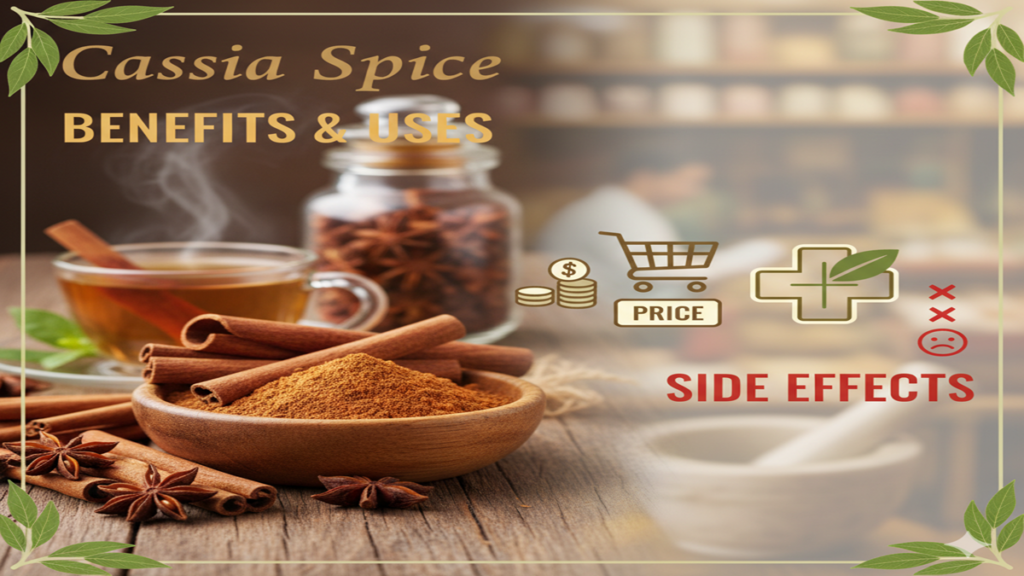
Cassia (कैसिया) क्या है? इसके फायदे, उपयोग और असली दालचीनी से इसका अंतर; पूरी जानकारी!
Cassia vs Cinnamon: Introduction: जब भी हम रसोई में मसालों की बात करते हैं, तो ‘दालचीनी’ का नाम सबसे पहले आता है। लेकिन क्या आप जानते हैं कि बाजार में मिलने वाली ज्यादातर दालचीनी असल में कैसिया (Cassia) होती है? कैसिया, जिसे ‘चीनी दालचीनी’ भी कहा जाता है, अपनी तेज खुशबू और औषधीय गुणों के लिए दुनिया भर में मशहूर है।
Cassia Benefits केवल खाने का स्वाद बढ़ाने तक सीमित नहीं हैं, बल्कि आयुर्वेद में इसे कई बीमारियों के इलाज के लिए इस्तेमाल किया जाता है। इस लेख में हम जानेंगे कि कैसिया क्या है, यह हमारी सेहत के लिए कितनी फायदेमंद है और खरीदते समय आपको किन बातों का ध्यान रखना चाहिए।
1. कैसिया (Cassia) क्या है?
कैसिया ‘सिनामोमम कैसिया’ (Cinnamomum cassia) नामक पेड़ की छाल से प्राप्त होता है। यह मुख्य रूप से चीन, वियतनाम और इंडोनेशिया में पाया जाता है। इसकी छाल असली दालचीनी (Ceylon Cinnamon) की तुलना में थोड़ी मोटी और सख्त होती है। इसका रंग गहरा भूरा होता है और स्वाद काफी तीखा होता है।
2. कैसिया के जबरदस्त स्वास्थ्य लाभ (Health Benefits of Cassia)
१. ब्लड शुगर को नियंत्रित करना (Blood Sugar Control): कैसिया का सबसे बड़ा फायदा डायबिटीज के मरीजों के लिए है। शोध बताते हैं कि कैसिया में मौजूद तत्व इंसुलिन सेंसिटिविटी को बढ़ाते हैं, जिससे शरीर में ग्लूकोज का स्तर नियंत्रित रहता है।
२. पाचन तंत्र में सुधार (Digestive Health): कैसिया पेट की समस्याओं जैसे गैस, कब्ज और मरोड़ में बहुत राहत देता है। यह मेटाबॉलिज्म को तेज करता है, जिससे खाना आसानी से पचता है।
३. वजन घटाने में सहायक (Weight Loss): कैसिया शरीर की चर्बी को कम करने में मदद करता है। इसके सेवन से भूख कम लगती है और शरीर की कैलोरी बर्न करने की क्षमता बढ़ती है। सुबह गुनगुने पानी और शहद के साथ कैसिया पाउडर का सेवन वजन कम करने का एक प्रभावी तरीका है।
४. संक्रमण से लड़ने की शक्ति (Anti-Microbial Properties): कैसिया में एंटी-बैक्टीरियल और एंटी-फंगल गुण होते हैं। यह दांतों के संक्रमण, सांस की बदबू और त्वचा की समस्याओं को दूर करने में बहुत प्रभावी है।
५. जोड़ों के दर्द में राहत (Joint Pain): इसमें एंटी-इंफ्लेमेटरी गुण होते हैं, जो शरीर की सूजन और अर्थराइटिस (गठिया) के दर्द को कम करने में मदद करते हैं।
3. कैसिया और असली दालचीनी में अंतर (Cassia vs Ceylon Cinnamon)
| विशेषता | कैसिया (Cassia) | असली दालचीनी (Ceylon) |
| रंग | गहरा भूरा और लालिमा लिए हुए | हल्का भूरा |
| छाल | मोटी और एक ही परत में मुड़ी हुई | पतली और कई परतों वाली |
| स्वाद | तेज और तीखा | मीठा और हल्का |
| कौमारिन (Coumarin) | अधिक मात्रा में (ज्यादा सेवन नुकसानदेह) | बहुत कम मात्रा में (सुरक्षित) |
4. कैसिया का उपयोग कैसे करें? (How to Use Cassia)
- मसाले के रूप में: पुलाव, सब्जी या मीट करी में साबुत कैसिया की छाल का उपयोग करें।
- काढ़ा या चाय: पानी में कैसिया की छाल उबालकर उसकी चाय पिएं। यह सर्दी-खांसी में बहुत असरदार है।
- फेस पैक: कैसिया पाउडर और शहद मिलाकर चेहरे पर लगाने से कील-मुहासे ठीक होते हैं।
5. सावधानी और नुकसान (Side Effects)
कैसिया में ‘कौमारिन’ (Coumarin) नामक तत्व होता है। अगर इसे बहुत अधिक मात्रा में लिया जाए, तो यह लिवर को नुकसान पहुंचा सकता है। इसलिए दिन भर में 1-2 ग्राम से ज्यादा कैसिया का सेवन न करें। गर्भवती महिलाओं और लिवर के मरीजों को इसके सेवन से पहले डॉक्टर की सलाह जरूर लेनी चाहिए।
4. अक्सर पूछे जाने वाले प्रश्न (FAQs)
Q1: क्या कैसिया और दालचीनी एक ही हैं?
Ans: ये दोनों एक ही परिवार के हैं, लेकिन अलग-अलग हैं। कैसिया सस्ता और तीखा होता है, जबकि सीलोन दालचीनी महंगी और अधिक औषधीय गुणों वाली होती है।
Q2: क्या कैसिया लिवर के लिए बुरा है?
Ans: केवल तभी जब आप इसका बहुत अधिक मात्रा में सेवन करें। इसमें मौजूद कौमारिन लिवर के लिए भारी हो सकता है।
Q3: क्या कैसिया से वजन कम होता है?
Ans: हाँ, यह मेटाबॉलिज्म बढ़ाकर वजन कम करने में मदद करता है, लेकिन इसके साथ सही डाइट और एक्सरसाइज भी जरूरी है।
Conclusion: सेहत के लिए सही चुनाव करें!
Cassia एक बेहतरीन मसाला और औषधि है, बशर्ते इसका उपयोग सीमित मात्रा में किया जाए। अगर आप केवल स्वाद के लिए इसका उपयोग कर रहे हैं, तो कैसिया बेहतरीन है, लेकिन यदि आप गहरे स्वास्थ्य लाभ चाहते हैं, तो सीलोन दालचीनी की तलाश करें। अपनी डाइट में इसे शामिल करें और इसके औषधीय गुणों का लाभ उठाएं!
Cassia Spice: The Pungent Ancient Healer in Your Kitchen Cabinet
Nestled among the cinnamon, nutmeg, and cloves in spice racks worldwide, cassia often goes unnoticed, frequently mistaken for its more celebrated cousin, “true cinnamon” (Cinnamomum verum). Yet, this humble, robust bark has carved a deep and enduring legacy across millennia and continents. Known for its bold, sweet, and slightly pungent warmth, cassia is more than just a flavoring agent; it is a botanical powerhouse woven into the fabric of traditional medicine, global cuisine, and modern wellness. This comprehensive guide delves into the world of cassia spice, exploring its rich history, multifaceted benefits, diverse uses, economic considerations, and important safety precautions.
What is Cassia? Untangling the Cinnamon Confusion
First, a crucial distinction. The term “cinnamon” in most Western grocery stores, especially in North America, is almost always Cassia (Cinnamomum cassia, also called Chinese cinnamon). True cinnamon, or Ceylon cinnamon, is a different species with a milder, more complex flavor and a crumbly, multi-layered quill structure.
Key Identifiers:
- Cassia: Thick, hard, single-scroll quills with a rough texture. Rusty brown color. Strong, spicy-sweet flavor with a notable “kick.”
- Ceylon Cinnamon: Thin, brittle, multiple layers of bark rolled into a quill. Tan-brown color. Delicate, sweet, and nuanced flavor.
While both share a family and core aromatic compounds, cassia is the workhorse—more affordable, more intensely flavored, and the cornerstone of many classic dishes. Its potency extends beyond taste into its chemical profile, which is rich in cinnamaldehyde, the compound responsible for most of its health effects and the primary reason for its noted safety considerations.
A Historical Journey: From Ancient Herbals to Global Trade
Cassia’s history is as rich as its aroma. Mentioned in Chinese herbals as early as 2700 BC (like the Shennong Ben Cao Jing), it was revered as a remedy for colds, flu, digestion, and circulatory issues. In ancient Egypt, it was used in embalming and as a precious incense. The Romans held it in such high regard that Emperor Nero famously burned a year’s supply at his wife’s funeral as an extravagant tribute.
For centuries, the source of cassia was a closely guarded secret by Chinese and Arab traders. The quest for this spice, along with its cousin cinnamon, fueled exploration and shaped trade routes. Today, China, Indonesia, and Vietnam are the primary producers, supplying the world with this indispensable spice.
The Multifaceted Benefits of Cassia: Modern Science Meets Ancient Wisdom
Cassia’s benefits stem primarily from its high concentration of bioactive compounds, especially cinnamaldehyde, along with antioxidants, anti-inflammatory agents, and essential oils.
1. Metabolic Powerhouse: Blood Sugar Regulation
This is one of cassia’s most researched and celebrated benefits. Numerous studies suggest it can improve insulin sensitivity and help lower blood sugar levels.
- Mechanism: Compounds in cassia appear to mimic insulin, increase glucose uptake by cells, and inhibit enzymes that break down carbohydrates in the gut, slowing the rush of sugar into the bloodstream.
- Evidence: A meta-analysis in the Annals of Family Medicine concluded that cinnamon (predominantly cassia in these studies) significantly reduced fasting blood glucose and improved lipid profiles in patients with type 2 diabetes. It is considered a valuable adjunct therapy, never a replacement for prescribed medication.
2. Guardian of the Heart: Cholesterol and Blood Pressure
Closely tied to metabolic health, cassia shows promise in supporting cardiovascular function.
- Lipid Profile: Research indicates it can help reduce levels of total cholesterol, LDL (“bad”) cholesterol, and triglycerides, while potentially maintaining or boosting HDL (“good”) cholesterol.
- Circulation & Pressure: Its mild anti-inflammatory and circulatory-stimulating properties may contribute to healthy blood pressure, though evidence is more preliminary. The improvement in overall metabolic markers indirectly benefits heart health.
3. Potent Antioxidant and Anti-inflammatory Agent
Cassia is loaded with polyphenol antioxidants that combat oxidative stress—the cellular damage caused by free radicals that underlies aging and chronic diseases like cancer, heart disease, and neurodegenerative disorders.
- Inflammation: Cinnamaldehyde exhibits significant anti-inflammatory properties, potentially helping to alleviate conditions linked to chronic inflammation, such as arthritis and certain bowel diseases.
4. Antimicrobial and Antifungal Warrior
Long used as a natural food preservative, cassia’s essential oils are effective against a broad spectrum of pathogens.
- Scope: It has demonstrated activity against bacteria like E. coli and Salmonella, fungi like Candida albicans, and even some viruses.
- Application: This makes it useful not just in food safety but also in traditional applications for oral health (fighting bad breath and cavities) and topical treatments for minor fungal infections.
5. Digestive Support and Relief
A classic remedy in many cultures, cassia carminative properties help alleviate gas, bloating, and indigestion. It stimulates digestive enzymes and may help soothe stomach discomfort.
6. Cognitive and Neurological Potential
Emerging research is exploring cassia’s role in brain health. Its antioxidants may help protect neurons, and some studies suggest compounds in cinnamon (including cassia) can inhibit the buildup of tau protein, a hallmark of Alzheimer’s disease. While far from conclusive, it points to a fascinating area of future study.
Culinary and Practical Uses: Unleashing Cassia in Kitchen and Home
Cassia’s bold flavor makes it a versatile star in both sweet and savory dishes.
- Baking & Desserts: The definitive spice for classic apple pies, snickerdoodle cookies, cinnamon rolls, rice puddings, and churros. Its robust flavor stands up well to baking.
- Beverages: Essential in mulled wine, chai tea, apple cider, and coffee blends.
- Savory Applications: A key component in Chinese five-spice powder, Moroccan ras el hanout, and Indian garam masala. It adds depth to meat rubs (especially for lamb and pork), hearty stews, curries, and pilafs.
- Breakfast Staples: Sprinkled on oatmeal, yogurt, or toast.
- Preserving: Used in pickling and chutneys.
- Fragrance & Home: A staple in potpourri, holiday simmers (orange, cloves, cassia), and natural DIY cleaning solutions for its fresh scent and antimicrobial properties.
Tip: For maximum flavor and benefit, buy whole cassia quills (or “cinnamon sticks”) and grind them as needed. Pre-ground spice loses potency much faster.
Price and Market: An Accessible Luxury
Cassia is remarkably affordable, contributing to its global popularity.
- Whole Quills: $3-$8 per ounce, depending on origin and quality (Vietnamese/Cassia Vera often commands a premium).
- Ground Cassia: $2-$5 per ounce.
- Comparison: It is generally 2-5 times cheaper than true Ceylon cinnamon. When a recipe simply calls for “cinnamon,” especially in baked goods or robust dishes, cassia is the intended and economical choice.
- Forms: Available as quills, chips (for decoctions/teas), powder, and essential oil (for aromatherapy or topical dilution—never ingest pure essential oil).
Critical Considerations: Side Effects and Safe Consumption
The very potency of cassia demands respect and caution. The primary concern is its high concentration of coumarin, a natural compound that can be liver toxic and cause damage in high doses over time.
- Coumarin Content: Cassia contains approximately 1-5% coumarin. Ceylon cinnamon contains only trace amounts (about 0.004%).
- Tolerable Daily Intake (TDI): The European Food Safety Authority sets a TDI of 0.1 mg of coumarin per kilogram of body weight per day. For a 70 kg (154 lb) adult, this is just 7 mg.
- Practical Translation: Just 1-2 teaspoons of ground cassia can exceed this daily limit. Chronic excessive intake has been linked to liver toxicity in sensitive individuals.
Who Should Exercise Extra Caution?
- Individuals with Liver Conditions: Those with hepatitis, cirrhosis, or other liver diseases should avoid high, regular intake.
- People on Medication: Especially blood thinners (like warfarin, as coumarin also has anticoagulant properties), diabetes drugs (risk of hypoglycemia), and hepatotoxic drugs. Consult a doctor.
- Pregnant and Breastfeeding Women: While culinary amounts are safe, therapeutic doses or supplements should be avoided due to a lack of comprehensive safety data.
- Children: Their lower body weight makes them more susceptible. Moderate culinary use is fine; supplements are not recommended.
Recommendation: Enjoy cassia liberally as a spice in food. Avoid consuming it in large, concentrated quantities daily (e.g., multiple teaspoons of powder in smoothies or tea). If you wish to consume cinnamon daily for therapeutic reasons (e.g., blood sugar management), switch to Ceylon cinnamon (Cinnamomum verum) for its low coumarin content.
Conclusion: A Spice of Power and Prudence
Cassia spice stands as a testament to nature’s pharmacy—a common bark with uncommon benefits. From flavoring our festive pies to offering potential support for modern metabolic ailments, it bridges the gap between the ancient and the contemporary. Its bold taste and potent effects make it a kitchen essential and a subject of ongoing scientific interest.
However, its power is double-edged, requiring informed and mindful use. By appreciating cassia for what it is—a delicious, potent culinary spice with beneficial properties that must be enjoyed in culinary, not megadose, quantities—we can safely harness its warmth and wellness potential. Let it spice your food, but let prudence guide your pursuit of its health benefits, opting for the safer Ceylon variety when regular, concentrated consumption is the goal. In this balance, the ancient healer can continue to enhance our health and our meals for generations to come.
Frequently Asked Questions (FAQ)
Q1: Is cassia the same as cinnamon I buy at the store?
A: In the United States, Canada, and many parts of Europe, the “cinnamon” sold in grocery stores is almost always Cassia (Cinnamomum cassia). True cinnamon, Ceylon cinnamon (Cinnamomum verum), is a different, milder, and often more expensive product typically found in specialty stores. Always check the label if you need a specific type.
Q2: What is the main health benefit of cassia?
A: Its most well-researched benefit is supporting healthy blood sugar metabolism. Compounds in cassia can improve insulin sensitivity and slow the absorption of sugar in the gut, making it a popular complementary approach for managing type 2 diabetes. However, it should not replace prescribed medication.
Q3: Why is there a warning about cassia and liver damage?
A: Cassia contains high levels of coumarin, a natural compound that can cause liver toxicity and damage when consumed in large amounts over time. Regular, high-dose cassia supplementation poses a risk. For daily therapeutic use, Ceylon cinnamon (very low in coumarin) is the safer choice.
Q4: How much cassia is safe to consume daily?
A: As a culinary spice in foods (e.g., in oatmeal, baked goods, curries), it is generally safe. For concentrated, daily intake, the European safety guideline suggests a limit of 0.1 mg of coumarin per kg of body weight. Since 1 tsp of cassia powder can contain 5-10 mg of coumarin, it’s easy to exceed this limit with supplements. Stick to culinary amounts.
Q5: Can I use cassia essential oil for health benefits?
A: Cassia essential oil is extremely potent and high in cinnamaldehyde. It should never be ingested. It can be used in highly diluted form for aromatherapy (it’s very warming) or in topical applications (always diluted in a carrier oil) with caution, as it can be a skin irritant. For internal benefits, using the whole spice in food is the preferred and safer method.