The Fine Print: Demystifying Electric Scooter Battery Warranty Terms
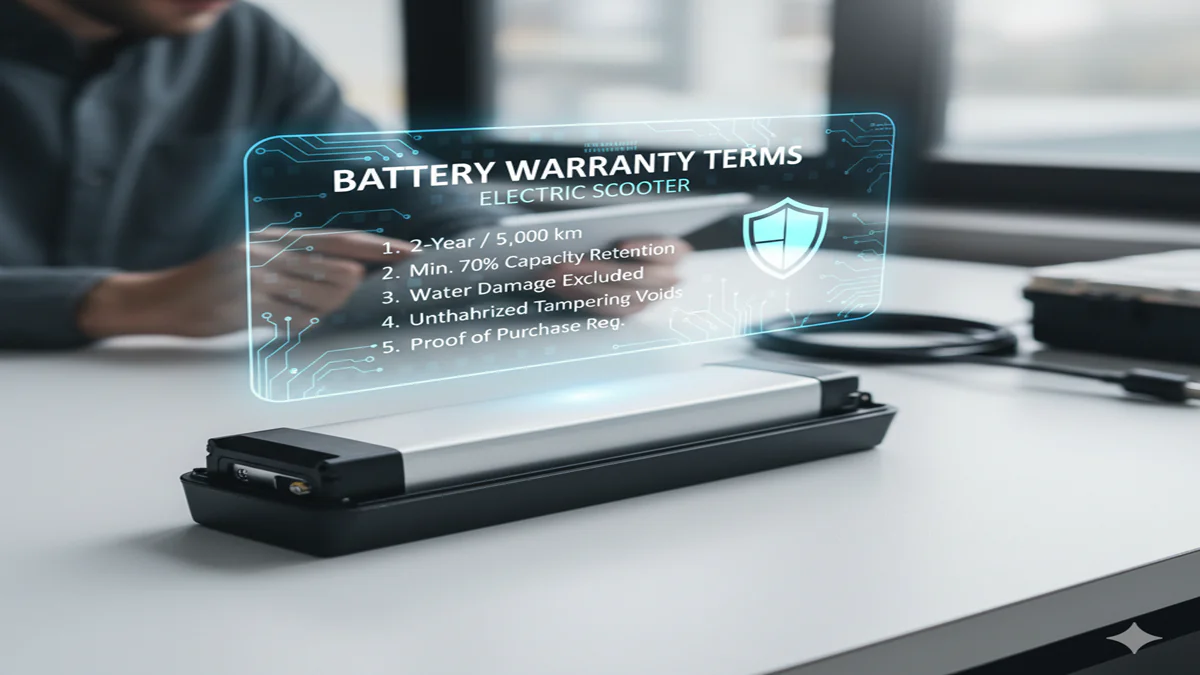
Battery Warranty Terms Electric Scooter For the modern urban commuter, the electric scooter has evolved from a trendy gadget into a genuine cornerstone of daily transportation. Its heart, soul, and most significant investment is no longer just the frame or the motor, but the battery pack. This complex assembly of lithium-ion cells is what defines your scooter’s range, performance, and ultimately, its lifespan. When you purchase an e-scooter, you’re not just buying a vehicle; you’re entering into a long-term relationship with its battery. The terms governing this relationship are spelled out in the often-overlooked battery warranty—a document fraught with technicalities, conditions, and crucial details that can mean the difference between a free replacement and a $500 surprise bill.
Understanding these terms isn’t merely an exercise in due diligence; it’s an essential part of responsible ownership. This guide will unpack the complexities of e-scooter battery warranties, empowering you to make informed purchases and protect your investment.
The Core Promise: What is a Battery Warranty?
At its simplest, a battery warranty is the manufacturer’s guarantee that the battery will perform to a specified standard for a defined period. It is a contractual obligation separate from, and often shorter than, the warranty for the scooter’s frame or motor. Unlike a return policy, it doesn’t mean you can send back a battery that’s simply worn out from use. Instead, it protects againstdefects in materials and workmanshipthat cause the battery to fail prematurely.
The two most critical numbers on the warranty card are:
- Time Period: Typically ranging from 6 months to 2 years, with 1 year being a common standard for mid-tier models and 2 years appearing on premium brands.
- Cycle Count:This is the more technical, and often more revealing, metric. A “cycle” is defined as one complete discharge from 100% to 0% and back to 100%. The warranty often guarantees the battery will retain a minimum (e.g., 70% or 80%) for a specified number of cycles (e.g., 500 cycles). This is crucial because battery degradation is normal; the warranty defines what level of degradation is considered acceptable within the coverage period.
Decoding the Key Clauses: A Section-by-Section Breakdown
Navigating a warranty document requires knowing what to look for. Here are the pivotal sections and their implications.
1. Capacity Retention Threshold (The “Degradation Clause“)
This is arguably the most important specification. It states how much capacity loss is considered a defect.
- What it means: If after 300 cycles and 8 months your scooter’s range has dropped by 40%, you likely have a valid claim. If it has dropped by 25%, you probably don’t, as that’s within expected degradation.
- Watch out for: Vague language like “protects against premature degradation” without a defined percentage. A robust warranty will state a clear percentage.
2. Covered Components
Does the warranty cover just the battery cells, or the entire Battery Management System (BMS), wiring, casing, and connectors? A comprehensive warranty covers the entire battery pack assembly. The BMS is the brain of the battery, regulating charge, discharge, and temperature. Its failure can render the pack useless, so its inclusion is vital.
3. Exclusions: The “Void Your Warranty” Landmines
This section is where manufacturers define the limits of their responsibility. Common and often strictly enforced exclusions include:
- Physical Damage: Any crack, dent, puncture, or water ingress (beyond the stated IP rating) from a crash or misuse.
- Improper Charging: Using a non-original, third-party, or incompatible charger is a nearly universal warranty killer. It can cause overcharging, overheating, and severe damage.
- Extreme Temperature Exposure: Leaving your scooter or battery in a car in direct sunlight (high heat) or storing it in sub-freezing temperatures can cause irreversible chemical damage. Many warranties specify safe storage and operating temperature ranges.
- Lack of Maintenance: For scooters with user-serviceable batteries, failure to maintain clean contacts or proper storage can be grounds for denial.
- Unauthorized Repair or Tampering: Opening the battery casing, attempting to replace cells, or bypassing the BMS immediately voids the warranty. These seals are there for safety and are taken very seriously.
- Commercial Use: Using a consumer-grade scooter for rental fleets or food delivery (intensive, daily deep-cycling) often voids the warranty.
- Normal Wear and Tear: Gradual loss of capacity over time and use, down to the defined threshold, is not covered.
4. Claim Process & Customer Obligations
This outlines the steps you must take to make a claim. It may require:
- Proof of Purchase: Always keep your original receipt.
- Product Registration: Registering your scooter online after purchase, often within a limited time window.
- Diagnostic Steps: Troubleshooting with customer support (e.g., verifying the charger output, checking connections).
- This can be a significant hidden cost. The best warranties offer prepaid labels.
5. Remedies: What You Actually Get
If your claim is approved, what is the outcome?
- Repair or Replacement: The manufacturer chooses which. You will typically receive a refurbished or reconditioned battery pack, not necessarily a brand-new one. This is standard industry practice.
- Prorated Warranty: Some warranties become prorated after the first year, meaning you pay a percentage of the replacement cost based on the age of the original battery.
- Labor Coverage: Does the warranty cover the cost of a technician replacing the battery, or just the part itself?
Proactive Ownership: Maximizing Battery Health and Warranty Validity
Your behavior directly impacts both your battery’s longevity and your ability to make a successful warranty claim.
Best Practices for Battery Health:
- Avoid Extreme Depletions: Try not to regularly drain the battery to 0%. Recharge when it drops to 20-30%.
- Don’t Always “Top Off”: For daily use, charging to 80-90% is gentler on lithium-ion chemistry than constantly charging to 100%. Use a timer plug if your charger lacks a customizable cutoff.
- Mind the Temperature: Never charge a battery that is very hot or very cold. Allow it to reach room temperature.
- Use the Right Charger: Only use the manufacturer-provided charger. Its output voltage and amperage are designed specifically for your battery pack.
- Long-Term Storage: If storing the scooter for weeks, leave the battery charged at approximately 60-70%. Check and top up every few months.
Maintaining Your Warranty:
- Document Everything: Keep your receipt, warranty booklet, and a digital copy of the terms. Take photos of your scooter and its serial numbers.
- Follow the Manual: Adhere to all operating, charging, and storage guidelines.
- Report Issues Promptly: Don’t wait until the warranty is about to expire to report a gradual loss of range. Document your concerns with customer support via email (creating a paper trail).
Red Flags vs. Green Flags in Warranty Language
Red Flags (Be Cautious):
- “Lifetime Warranty”: Almost always refers to the frame, not the battery. The battery warranty will be separate and limited.
- Overly Vague Language: No specific cycle count or capacity retention percentage.
- Excessively Short Periods: 3 or 6-month battery warranties offer little real protection.
- Customer Pays All Shipping: This can be prohibitively expensive for a heavy battery pack.
- No Clear Claim Process: Unclear how to contact support or initiate a return.
Green Flags (Good Signs):
- Clear, Quantifiable Metrics: “70% capacity retention over 500 cycles.”
- Comprehensive Coverage: Includes the BMS and entire pack.
- Reasonable Exclusions: Clearly defined but not overly punitive.
- Prepaid Return Shipping: The company stands behind its product.
- Responsive Support: A dedicated warranty claims portal or well-regarded customer service.
The Reality of Claims: What to Expect
Filing a claim is rarely as simple as mailing back a part. Expect a diagnostic process. Customer support may ask for videos of the issue, charger output readings, or other evidence. Patience and clear communication are key. If you are denied, politely ask for the specific clause under which the claim was rejected. Sometimes, escalation to a manager can resolve misunderstandings.
Conclusion: An Informed Rider is a Protected Rider
The battery is the lifeblood of your electric scooter, representing a major portion of its value and your experience. Its warranty is your shield against premature failure. By looking beyond the marketing and meticulously examining the warranty terms before you buy, you can choose a brand that stands behind its product. By understanding the exclusions and practicing proper battery care, you not only extend the useful life of your scooter but also ensure that if a legitimate defect arises, you are positioned for a smooth and successful claim.
Ultimately, a strong battery warranty is a marker of a confident manufacturer. It signals faith in the quality of their battery cells, BMS, and assembly process. In the fast-evolving world of electric micro-mobility, where the product is subjected to daily real-world stresses, that confidence is perhaps the most valuable feature of all. Invest the time to read the fine print—it’s the contract that protects your freedom to ride.