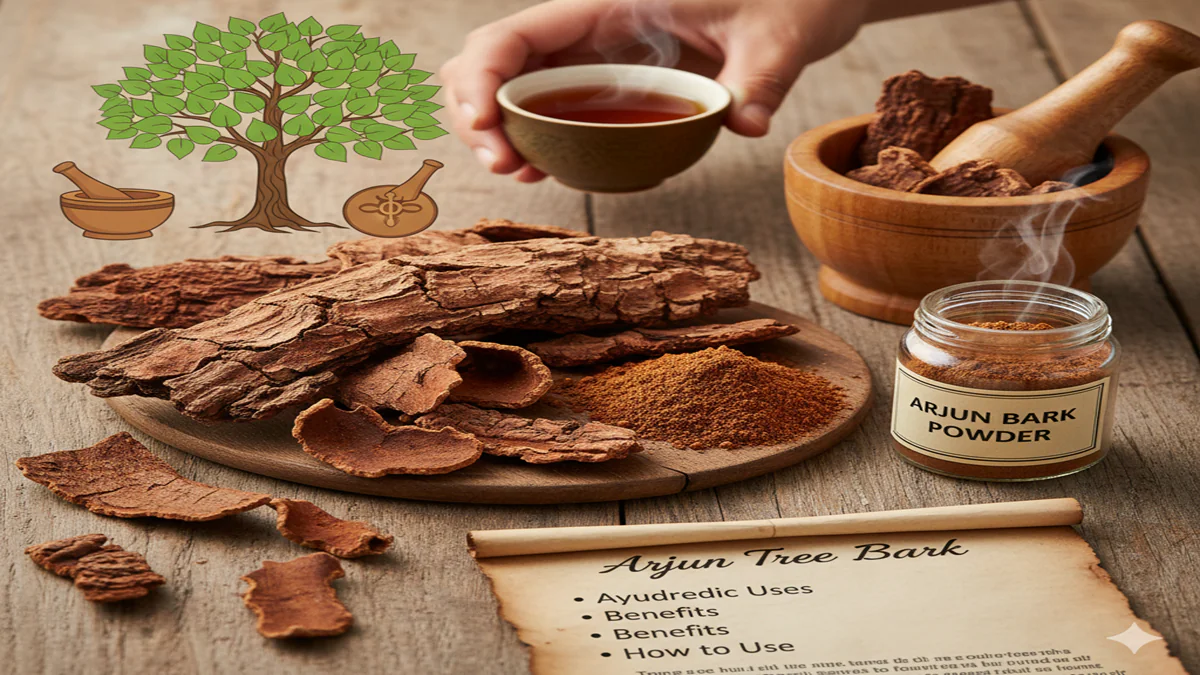
Arjun Tree Benefits: हृदयासाठी वरदान आहे अर्जुन वृक्ष! जाणून घ्या याचे ५ चमत्कारी फायदे

Arjun Tree Bark Ayurvedic Uses, Benefits & How To Use

Arjun Tree (अर्जुन वृक्ष): हृदय रोगों के लिए प्रकृति का वरदान! जानें इसके फायदे, उपयोग और सही तरीका।

Arjun Tree Benefits: Introduction: आयुर्वेद में अर्जुन वृक्ष (Arjun Tree) को हृदय के लिए सबसे उत्तम औषधि माना गया है। हजारों सालों से ऋषि-मुनि और आयुर्वेदिक चिकित्सक दिल की बीमारियों के इलाज के लिए ‘अर्जुन की छाल’ का उपयोग करते आ रहे हैं। आधुनिक विज्ञान भी अब अर्जुन के पेड़ (Terminalia Arjuna) में मौजूद औषधीय गुणों को स्वीकार कर चुका है।

यदि आप बढ़ते कोलेस्ट्रॉल, हाई ब्लड प्रेशर या दिल की कमजोरी से परेशान हैं, तो Arjun Tree Benefits आपके लिए जीवनदायी साबित हो सकते हैं। इस लेख में हम विस्तार से जानेंगे कि अर्जुन की छाल का उपयोग कैसे करें और इसके स्वास्थ्य लाभ क्या हैं।


1. अर्जुन वृक्ष के मुख्य स्वास्थ्य लाभ (Health Benefits)

Arjun Tree Benefits: १. हृदय के लिए ‘हार्ट टॉनिक’ (Excellent Heart Tonic): अर्जुन की छाल में ‘कोएंजाइम Q10’ प्रचुर मात्रा में होता है, जो हृदय की मांसपेशियों को मजबूती देता है। यह हार्ट बीट को नियमित करता है और हृदय में रक्त के संचार (Blood Circulation) को सुधारता है।

२. हाई ब्लड प्रेशर और कोलेस्ट्रॉल (High BP & Cholesterol): यह शरीर से खराब कोलेस्ट्रॉल (LDL) को कम करने और अच्छे कोलेस्ट्रॉल (HDL) को बढ़ाने में मदद करता है। इसके सेवन से धमनियों (Arteries) में जमा हुआ ‘प्लाक’ साफ होता है, जिससे ब्लड प्रेशर नियंत्रित रहता है और हार्ट अटैक का खतरा कम होता है।

Arjun Tree Benefits: ३. मधुमेह में राहत (Diabetes Management): अर्जुन की छाल में एंटी-डायबिटिक गुण होते हैं। यह किडनी और लीवर की कार्यक्षमता को बढ़ाकर ब्लड शुगर लेवल को स्थिर रखने में मदद करता है।

४. वजन घटाने में सहायक (Weight Loss): अक्सर मेटाबॉलिज्म धीमा होने के कारण वजन बढ़ता है। अर्जुन की छाल का काढ़ा पीने से शरीर का मेटाबॉलिज्म तेज होता है और अतिरिक्त चर्बी बर्न करने में मदद मिलती है।

Arjun Tree Benefits: ५. हड्डियों की मजबूती (Healing Fractures): आयुर्वेद के अनुसार, अर्जुन की छाल हड्डियों को जोड़ने (Bone Healing) में बहुत प्रभावी है। कैल्शियम की कमी को दूर करने के लिए इसका दूध के साथ सेवन करना फायदेमंद होता है।


2. अर्जुन की छाल का उपयोग कैसे करें? (How to Use)

१. अर्जुन की छाल की चाय/काढ़ा: एक चम्मच अर्जुन की छाल के पाउडर को दो गिलास पानी में उबालें। जब पानी आधा रह जाए, तो उसे छानकर चाय की तरह पिएं।

Arjun Tree Benefits: २. दूध के साथ सेवन (Best for Heart): आधा चम्मच अर्जुन की छाल का पाउडर एक गिलास दूध में डालकर उबालें। रात को सोने से पहले इसका सेवन करना हृदय के लिए सबसे लाभकारी माना जाता है।

३. अर्जुनारिष्ट (Arjunarishta): यह एक तरल आयुर्वेदिक दवा है जो बाजार में आसानी से उपलब्ध है। इसे चिकित्सक की सलाह पर पानी के साथ लिया जा सकता है।


3. अर्जुन की छाल लेते समय सावधानियां (Precautions)

  • गर्भावस्था: गर्भवती महिलाओं को इसका सेवन करने से पहले डॉक्टर की सलाह लेनी चाहिए।
  • अति सेवन: इसकी तासीर शीतल होती है, इसलिए बहुत अधिक मात्रा में सेवन करने से पाचन संबंधी समस्या हो सकती है।
  • लो ब्लड प्रेशर: जिनका बीपी पहले से ही बहुत कम रहता है, उन्हें इसका सेवन सावधानी से करना चाहिए।

4. अक्सर पूछे जाने वाले प्रश्न (FAQs)

Q1: अर्जुन की छाल कितने समय तक लेनी चाहिए?

Ans: आमतौर पर इसे 1 से 2 महीने तक लिया जा सकता है, लेकिन किसी भी गंभीर बीमारी में आयुर्वेदिक चिकित्सक की सलाह जरूर लें।

Q2: क्या अर्जुन की छाल खून साफ करती है?

Ans: हाँ, इसमें मौजूद एंटीऑक्सीडेंट्स खून को साफ करने और शरीर से टॉक्सिन्स बाहर निकालने में मदद करते हैं।

Q3: क्या मैं रोजाना अर्जुन की चाय पी सकता हूँ?

Ans: हाँ, हृदय स्वास्थ्य को बनाए रखने के लिए रोजाना एक बार इसका सेवन करना सुरक्षित और लाभकारी है।


Conclusion: हृदय का सच्चा मित्र – अर्जुन!

Arjun Tree प्रकृति का एक अनमोल उपहार है। खराब खान-पान और तनाव के इस दौर में अपने दिल का ख्याल रखना हमारी जिम्मेदारी है। अर्जुन की छाल को अपनी जीवनशैली में शामिल करना दिल की बीमारियों से बचने का एक सरल और प्राकृतिक तरीका है।

Arjun Tree Bark: Ayurvedic Uses, Benefits & How To Use

Introduction: The Heart’s Ancient Guardian

Arjun Tree Benefits: In the rich tapestry of Ayurvedic medicine, few herbs are as revered for cardiovascular health as the Arjun tree. Known scientifically asTerminalia arjuna, this majestic deciduous tree has been a cornerstone of traditional Indian healing for over three millennia. Its distinctive, smooth, grey-white bark peels off in large flat sheets, revealing a core that has been meticulously documented in ancient texts like the Charaka Samhita and Sushruta Samhita for its profound healing properties.

The Arjun tree is often found lining the banks of rivers and streams across the Indian subcontinent, its presence both calming and vital. In Ayurveda, it is classified as a “Rasayana” (rejuvenator) and specifically a “Hridya” – a herb that strengthens and nourishes the heart. Beyond its physical applications, the tree holds cultural and spiritual significance, often associated with strength and resilience in Indian mythology.

This comprehensive guide explores the multifaceted world of Arjun bark, delving into its traditional uses, modern scientific validations, practical applications, and important considerations for safe use.

Historical & Ayurvedic Perspective

The Ayurvedic Profile: Rasa, Virya, and Vipaka

Arjun Tree Benefits: According to the principles of Ayurveda, every substance possesses a unique combination of qualities that determine its therapeutic effect. Arjun bark is characterized by:

  • Rasa (Taste): Kashaya (astringent), Madhura (sweet)
  • Guna (Qualities): Laghu (light), Ruksha (dry)
  • Virya (Potency): Sheeta (cooling)
  • Vipaka (Post-digestive effect): Katu (pungent)

This combination makes it exceptionally effective in balancing both Pitta and Kapha doshas. Its cooling nature soothes Pitta-related inflammation and heat, while its drying, light qualities help reduce excess Kapha, which can manifest as congestion, heaviness, and high cholesterol. It has a neutral effect on Vata in normal doses but can aggravate it if used in excess due to its drying quality.

Traditional Indications

Arjun Tree Benefits: Classical Ayurvedic texts prescribe Arjuna for a wide range of conditions, primarily but not exclusively related to the circulatory system:

  • Hridroga: All types of heart disease, including pain, palpitations, and weakness of the cardiac muscle.
  • Raktapitta: Bleeding disorders such as hemoptysis (coughing up blood) and hemorrhages, thanks to its potent astringent action.
  • Bhagna: Bone fractures, used as a paste to accelerate healing.
  • Kshaya: General debility and wasting diseases, as a restorative tonic.
  • Medoroga: Conditions related to lipid metabolism, akin to modern hyperlipidemia and obesity.

Modern Scientific Benefits & Active Constituents

Arjun Tree Benefits: Modern phytochemical research has identified the key bioactive compounds in Arjun bark responsible for its therapeutic fame. These include:

  • Tannins (especially Arjunic acid, Ellagic acid, Gallic acid): Provide antioxidant, anti-inflammatory, and astringent properties.
  • Triterpenoid saponins (Arjunetin, Arjungenin): Contribute to its cardioprotective and hypolipidemic effects.
  • Flavonoids (Arjunone, Luteolin): Offer strong antioxidant protection.
  • Minerals: Rich in calcium, magnesium, zinc, and copper, essential for cardiac and bone health.

Here’s how these compounds translate into evidence-based benefits:

1. Cardioprotective & Heart Tonic

  • Improves Cardiac Muscle Function: It acts as a natural inotrope, gently strengthening the heart’s contractile force without overstimulating it. Studies show it can be beneficial in managing congestive heart failure (CHF), improving ejection fraction and reducing angina symptoms.
  • Antianginal: By improving coronary artery blood flow and reducing ischemia, it helps alleviate chest pain.
  • Hypotensive: Exhibits a mild blood pressure-lowering effect, primarily through a diuretic action and possible vasodilation.
  • Antioxidant for the Heart: Protects cardiac tissues from oxidative damage caused by free radicals, a key factor in many chronic heart diseases.

2. Hypolipidemic Agent

Arjun bark has demonstrated a consistent ability to support healthy lipid profiles.

  • It helps reduce serum levels of total cholesterol, LDL (“bad” cholesterol), and triglycerides.
  • The mechanism is believed to involve reduced cholesterol synthesis in the liver and increased fecal bile acid excretion.

3. Supports Mental Health & Stress Resilience

Ayurveda intrinsically links the heart and mind. Arjuna’s calming (sattvic) nature is used for:

  • Emotional Heartache: Used traditionally for grief and emotional trauma held in the heart.
  • Stress & Anxiety: Its adaptogenic properties may help modulate the stress response, particularly stress that manifests with palpitations or high blood pressure.

4. Promotes Wound Healing & Skin Health

The high tannin content gives Arjuna bark potent astringent and antimicrobial properties.

  • Topical Application: A paste of the bark powder can be applied to wounds, ulcers, and acne to promote faster healing, reduce inflammation, and control infection.
  • Internal Use for Bleeding: Its hemostatic action helps manage bleeding gums, hemorrhoids, and excessive menstrual bleeding (menorrhagia).

5. Strengthens Bones

While less known, Arjuna’s high mineral content, particularly calcium and magnesium, supports bone density and recovery. Traditionally, its decoction is given to accelerate the healing of fractures.

How to Use Arjun Bark: Forms & Methods

Arjun bark is available in several forms. The quality of the source is paramount—look for organic, sustainably harvested products from reputable suppliers.

1. Powder (Churna)

The most common and versatile form.

  • Dosage: Typically 1-3 grams, twice daily, taken with an adjuvant (anupana) to enhance effects and digestibility.
  • How to Take:
    • For Heart Health: With warm milk (balances Vata), honey (enhances tonic effect), or ghee.
    • For High Cholesterol/Weight: With warm water and a teaspoon of honey.
    • For Bleeding Disorders: With cold water or rice wash water (kanji).
  • Preparation: The powder can be mixed directly into the liquid. It’s often recommended to start with a lower dose (500 mg) and gradually increase.

2. Decoction (Kashayam/Kwath)

A stronger, more concentrated water-based extract.

  • Recipe: Boil 1 teaspoon (approx. 5 grams) of coarse Arjun bark powder in 2 cups (approx. 500 ml) of water.
  • Dosage: 30-60 ml, once or twice daily on an empty stomach.
  • Use: Preferred in acute conditions or for a more potent effect.

3. Arjunarishta

An Ayurvedic fermented liquid preparation (medicated wine). It is more palatable, easily absorbable, and preserved.

  • Dosage: 10-20 ml, twice daily, diluted with an equal amount of water, usually after meals.
  • Note: Contains a small amount of naturally occurring alcohol from fermentation.

4. Tablets/Capsules

A convenient, standardized form. Follow the manufacturer’s dosage instructions, which usually align with 1-3 grams of bark powder daily.

5. External Use

  • Paste: Mix powder with rose water, honey, or plain water to make a thick paste. Apply on wounds, ulcers, or acne-prone skin. Leave for 15-20 minutes before rinsing.
  • Mouthwash/Gargle: Use a cooled decoction to soothe bleeding gums or mouth ulcers.

Safety, Precautions & Contraindications

Arjun bark is generally safe for long-term use when taken at recommended doses. However, careful consideration is needed.

  • Drug Interactions: It may potentiate the effects of blood pressure medications, antiplatelet/anticoagulant drugs (like warfarin, aspirin), and other cardiac medicinesConcurrent use should only be under medical supervision.
  • Pre-existing Conditions: Use with caution in individuals with severe liver or kidney disease.
  • Side Effects: High doses may cause constipation, gastritis, or headaches due to its strong astringent and drying nature. Always start with a low dose.
  • Vata Imbalance: Those with severe Vata aggravation (extreme dryness, emaciation, anxiety) should use it cautiously, always combined with a suitable anupana like ghee or oil.

The Golden Rule: Do not self-prescribe Arjun bark for serious heart conditions. It is a powerful supportive herb, not a replacement for conventional cardiology. Always consult with both your cardiologist and a qualified Ayurvedic practitioner to create an integrated, safe plan.

Integrating Arjuna into a Holistic Lifestyle

For optimal results, Arjuna should be part of a heart-healthy lifestyle (Hridya lifestyle), as per Ayurveda:

  • Diet (Ahar): Follow a Pitta-Kapha pacifying diet—favor leafy greens, apples, pears, oats, and lean proteins. Minimize fried, processed, and excessively salty or sour foods.
  • Lifestyle (Vihar): Engage in gentle, regular exercise like walking or swimming. Practice stress-reducing techniques such as yoga (especially gentle backbends and heart-opening postures), pranayama (Bhramari, Anulom Vilom), and meditation.
  • Timing: Ayurveda often recommends taking heart tonics like Arjuna in the early morning on an empty stomach for better absorption.

Conclusion

Arjun tree bark stands as a timeless testament to the wisdom of Ayurveda—a natural, holistic cardioprotective agent whose traditional uses are increasingly validated by modern science. It embodies the Ayurvedic principle of supporting the body’s innate healing intelligence, offering a multifaceted approach to heart health that encompasses the physical, emotional, and energetic realms.

Whether used as a powdered churna, a fortified arishta, or a simple decoction, its integration into daily life promises strength and vitality. By honoring its power, respecting its precautions, and using it under informed guidance, we can harness the strength of the mighty Arjun tree to nurture one of our most vital organs—the heart.


Frequently Asked Questions (FAQs)

1. Can Arjun bark replace my prescription heart medication?

No.Arjun bark is a potent herbal supplement that can be an excellentsupportive therapy, but it shouldnotbe used to replace prescribed cardiac medications unless explicitly advised and monitored by both your cardiologist and a qualified Ayurvedic doctor. Abruptly stopping prescription medication can be dangerous.

2. How long does it take to see the benefits of Arjun bark?

This depends on the individual and the condition being addressed. For subjective feelings of well-being and mild stress-related palpitations, some may notice effects within 2-4 weeks. For measurable changes like improved lipid profile or blood pressure, it may take 2-3 months of consistent use. Chronic conditions require longer-term use as part of a holistic regimen.

3. Can someone with a normal, healthy heart take Arjun bark?

In Ayurveda, Arjuna is also classified as aRasayana(rejuvenative tonic). A low maintenance dose (e.g., 500mg-1g daily) can be used by healthy individuals as a preventive measure to support cardiovascular strength and resilience, particularly during stressful periods. However, it’s best to cycle its use (e.g., 5 days a week or for 3 months, then a break).

4. What is the best time to take Arjun bark?

The classic Ayurvedic recommendation is to take iton an empty stomach in the morningfor optimal absorption. If taking twice daily, the second dose can be taken in the late afternoon or before dinner, at least 30 minutes before a meal. Taking it with an adjuvant (anupana) like warm milk or water is crucial.

5. Are there any common side effects?

The most common issues arise from its drying (Ruksha) quality and include:
Constipation:Counteract by drinking plenty of water and including ghee or healthy oils in your diet.
Mild gastric discomfort or dryness:Taking it with milk or a small amount of ghee usually prevents this.
If you experience persistent side effects, reduce the dose or discontinue use and consult your practitioner.

IndiaS Republic Day: क्यों मनाया जाता है गणतंत्र दिवस? जानिए इतिहास, महत्व और इस साल की स्पेशल थीम।

IndiaS Republic Day

India’s Republic Day 2026: भारत का 77वां गणतंत्र दिवस! जानिए इतिहास, महत्व और इस साल के भव्य आयोजन की पूरी जानकारी।

IndiaS Republic Day: Introduction: dDosto, हर साल 26 जनवरी को पूरा भारत बड़े ही गर्व और उत्साह के साथ अपना गणतंत्र दिवस (Republic Day) मनाता है। यह वह दिन है जब 1950 में भारत का संविधान (Constitution of India) लागू हुआ था और हमारा देश एक ‘संप्रभु लोकतांत्रिक गणराज्य’ (Sovereign Democratic Republic) बना था।

2026 में भारत अपना 77वां गणतंत्र दिवस मनाने जा रहे है। दिल्ली के ‘कर्तव्यपथ’ (पुराना नाम राजपथ) पर होने वाली भव्य परेड से लेकर स्कूलों के सांस्कृतिक कार्यक्रमों तक, यह दिन देशप्रेम की भावना से भरा होता है। आज के इस आर्टिकल में हम India’s Republic Day 2026 के इतिहास, इस साल के चीफ गेस्ट और परेड की खासियतों के बारे में विस्तार से जानेंगे।


1. गणतंत्र दिवस का इतिहास (History of Republic Day)

IndiaS Republic Day: भारत को आजादी 15 अगस्त 1947 को मिली थी, लेकिन तब हमारे पास अपना कोई स्थाई संविधान नहीं था।

  • डॉ. बी.आर. अंबेडकर की अध्यक्षता में ड्राफ्टिंग कमेटी ने संविधान तैयार किया।
  • 26 नवंबर 1949 को संविधान को अपनाया गया, लेकिन इसे लागू करने के लिए 26 जनवरी 1950 का दिन चुना गया।
  • 26 जनवरी ही क्यों?

2. Republic Day 2026 की थीम और मुख्य अतिथि (Chief Guest)

हर साल भारत किसी दूसरे देश के राष्ट्रप्रमुख को मुख्य अतिथि (Chief Guest) के रूप में आमंत्रित करता है, जो हमारे राजनयिक संबंधों (Diplomatic Relations) को दर्शाता है।

  • 2026 Chief Guest: इस साल सरकार ने [अतिथि का नाम – उदा. फ्रांस के राष्ट्रपति या ASEAN नेता] को आमंत्रित किया है (आधिकारिक घोषणा के अनुसार)।
  • Theme: इस साल की थीम ‘विकसित भारत’ और ‘भारत: लोकतंत्र की जननी’ पर आधारित रखी गई है, जो आत्मनिर्भर भारत के बढ़ते कदमों को दर्शाती है।

3. कर्तव्यपथ पर भव्य परेड (Republic Day Parade Highlights)

IndiaS Republic Day: गणतंत्र दिवस का सबसे मुख्य आकर्षण दिल्ली में होने वाली परेड होती है:

  1. ध्वजारोहण (Flag Hoisting): भारत के राष्ट्रपति तिरंगा फहराते हैं, जिसके बाद 21 तोपों की सलामी दी जाती है।
  2. सैन्य शक्ति का प्रदर्शन: भारतीय सेना, नौसेना और वायु सेना के जवान अपनी ताकत का प्रदर्शन करते हैं। साथ ही लेटेस्ट मिसाइलें और टैंक दिखाए जाते हैं।
  3. झांकियां (Tableaux): देश के विभिन्न राज्यों की संस्कृति और विकास को दर्शाने वाली झांकियां निकाली जाती हैं।
  4. Flypast: वायुसेना के लड़ाकू विमानों (जैसे राफेल, सुखोई) का हैरतअंगेज प्रदर्शन आसमान में तिरंगा बनाता है।

4. परेड के लिए ऑनलाइन टिकट कैसे बुक करें? (Online Ticket Booking)

IndiaS Republic Day: अगर आप दिल्ली में लाइव परेड देखना चाहते हैं, तो आप घर बैठे टिकट बुक कर सकते हैं:

  1. आधिकारिक पोर्टल aamantran.mod.gov.in पर जाएं।
  2. अपना मोबाइल नंबर डालें और OTP से रजिस्टर करें।
  3. अपनी पसंद का टिकट (General/Reserved) चुनें।
  4. फोटो आईडी (आधार कार्ड) अपलोड करें और ऑनलाइन पेमेंट करें।
  5. अपना ई-टिकट डाउनलोड करें और उसका प्रिंट ले लें।

5. गणतंत्र दिवस का महत्व (Significance)

यह दिन हमें याद दिलाता है कि भारत की शक्ति उसके संविधान में है। यह हमें मौलिक अधिकारों (Fundamental Rights) और कर्तव्यों (Duties) के प्रति जागरूक करता है। यह दिन उन वीर शहीदों को श्रद्धांजलि देने का भी है जिन्होंने देश की अखंडता के लिए अपने प्राण न्यौछावर कर दिए।


Conclusion: गर्व से मनाएं राष्ट्र का उत्सव!

IndiaS Republic Day: केवल एक छुट्टी का दिन नहीं है, बल्कि यह हमारे लोकतंत्र का जश्न है। आइए, 2026 के इस गणतंत्र दिवस पर हम संकल्प लें कि हम अपने

जय हिन्द! जय भारत!

India’s Republic Day Explained For Students: Celebrating the Spirit of Democracy

Introduction: More Than Just a Parade

IndiaS Republic Day: Every year on January 26th, India transforms into a canvas of vibrant colors, proud displays, and patriotic fervor. Schools close, families gather around televisions, and the nation’s attention turns to New Delhi’s Rajpath, where an incredible parade showcases India’s military might, cultural diversity, and technological achievements.

But Republic Day is far more than spectacular performances and impressive tank displays. It represents the very soul of modern India—the day when “We, the People” gave ourselves a remarkable framework for governance. For students across India and around the world, understanding Republic Day means understanding how India became the world’s largest democracy and what makes this celebration profoundly significant.

India’S Republic Day Explained For Students

Part 1: The Historical Journey to Republic

Colonial Rule and the Struggle for Self-Governance

IndiaS Republic Day: To appreciate Republic Day, we must first travel back to India before independence. For nearly 200 years, the British East India Company and later the British Crown ruled the Indian subcontinent. During this period, Indians had limited say in their own governance. Laws were made in London, resources flowed outward, and the aspirations of millions remained unaddressed. The freedom struggle, led by figures like Mahatma Gandhi, Jawaharlal Nehru, Sardar Patel, and countless others, wasn’t just about removing British rule—it was about the right to self-determination.

Independence: The First Step, Not the Destination

IndiaS Republic Day: When India finally gained independence at midnight on August 15, 1947, the nation rejoiced. However, independence alone didn’t complete the journey. The country was governed by the Government of India Act 1935 (modified), essentially a colonial-era law. India was a constitutional monarchy, with King George VI as head of state, represented by Governor-General Lord Mountbatten. The crucial task of creating India’s own governing document—one that reflected its unique civilization, diverse population, and democratic aspirations—still lay ahead.

The Constitutional Assembly: An Extraordinary Gathering

IndiaS Republic Day: On December 9, 1946, before independence was even officially achieved, the Constituent Assembly began its historic work. This wasn’t a typical political body; it included 299 members from diverse backgrounds—lawyers, farmers, social reformers, and educators. Notably, it included 15 women, remarkable for the time. Dr. Rajendra Prasad served as President, but the intellectual and philosophical leadership came from Dr. B.R. Ambedkar, who chaired the Drafting Committee.

IndiaS Republic Day: For nearly three years, these representatives debated, discussed, and deliberated. They studied constitutions from around the world—the United States, Britain, Ireland, Canada, Australia—but sought to create something uniquely Indian. They met for 166 days over 2 years, 11 months, and 18 days. The debates fill 12 bulky volumes, totaling over 2,000 pages. Every word, every comma, was weighed for its implications for future generations.

Why January 26th? The Purna Swaraj Connection

IndiaS Republic Day: The choice of January 26th is deeply symbolic. On this date in 1930, the Indian National Congress issued the Declaration of Purna Swaraj (Complete Self-Rule), declaring independence from British rule. By adopting the Constitution on this date, independent India honored that earlier pledge, linking the struggle for freedom with the establishment of self-governance.

Part 2: The Constitution: India’s Governing Blueprint

What is a Constitution?

IndiaS Republic Day: Imagine building a magnificent, complex structure—a nation with over a billion people, dozens of languages, multiple religions, and varied geography. You wouldn’t begin without an architectural plan. A constitution is precisely that—a master blueprint for governance. It defines:

  • The Structure of Government: How power is divided between central and state governments (federal structure)
  • Citizens’ Rights and Duties: What the government cannot take away from you (Fundamental Rights) and what you owe to the nation (Fundamental Duties)
  • The Rules of Politics: How laws are made, implemented, and interpreted
  • Guiding Principles: The values and aspirations that should guide governance (Directive Principles)

Extraordinary Features of the Indian Constitution

IndiaS Republic Day: 1. Length and Detail: At its adoption, it was the world’s longest written constitution for any sovereign nation, with 395 articles and 8 schedules (now 470 articles and 12 schedules after amendments). This detail was necessary to address India’s immense diversity and complex social realities.

2. A Living Document: The Constitution included Article 368, providing for its own amendment. This foresight has allowed it to evolve through 105 amendments (as of 2023) to address changing times, from abolishing privy purses to establishing the Right to Education.

IndiaS Republic Day: 3. The Preamble: The Soul of the Document: Perhaps the most famous part begins with “WE, THE PEOPLE OF INDIA,” establishing that all authority flows from citizens. It declares India as a “SOVEREIGN SOCIALIST SECULAR DEMOCRATIC REPUBLIC” and secures for all citizens “JUSTICE, LIBERTY, EQUALITY, and FRATERNITY.”

4. Balancing Rigidity and Flexibility: Some provisions are easy to amend (simple majority), while others protecting federal structure or fundamental rights require special majorities, creating stability while allowing evolution.

5. Single Citizenship: Unlike some federal nations, Indians have single citizenship, reinforcing national unity alongside diverse identities.

Fundamental Rights and Duties: The Citizen-State Compact

IndiaS Republic Day: Six Fundamental Rights guarantee:

  1. Right to Equality (Articles 14-18)
  2. Right to Freedom (Articles 19-22)
  3. Right against Exploitation (Articles 23-24)
  4. Right to Freedom of Religion (Articles 25-28)
  5. Cultural and Educational Rights (Articles 29-30)
  6. Right to Constitutional Remedies (Article 32)

IndiaS Republic Day: Eleven Fundamental Duties (added in 1976) remind citizens of their responsibilities, including respecting the Constitution, national flag, and anthem; upholding unity; and protecting public property.

Part 3: Republic Day Celebrations: Symbols and Significance

The Grand Parade: A National Showcase

IndiaS Republic Day: Parade along Rajpath (now Kartavya Path) is the celebration’s centerpiece, watched by millions worldwide. Each element carries symbolic meaning:

1. The Presidential Arrival: As the Constitutional head, the President’s arrival in a cavalry escort represents the transfer of military authority to civilian leadership.

2. The Wreath-Laying at Amar Jawan Jyoti: The Prime Minister honoring the unknown soldier at India Gate places the nation’s gratitude for sacrifice above all ceremony.

3. The Gallantry Awards: Children and adults receiving awards for bravery from the President highlight that courage isn’t limited to battlefields but exists in everyday life.

4. The March Past: The synchronised marches by the Army, Navy, Air Force, and paramilitary forces demonstrate discipline and dedication to protecting the Republic.

5. The Tableaux: States and ministries present their cultural heritage, development projects, and themes through moving exhibits, showcasing India’s “Unity in Diversity.”

6. The Flypast: The Indian Air Force’s aerial display concludes the parade, a breathtaking reminder of technological prowess and national security.

Beyond Delhi: Celebrations Across India

IndiaS Republic Day: While Delhi hosts the main event, Republic Day is celebrated nationwide:

  • State Capitals: Governors take the salute at parades showcasing local culture
  • Schools and Colleges: Flag hoisting, cultural programs, and patriotic song competitions
  • Government Offices: Simple ceremonies reaffirming commitment to constitutional values
  • Villages: Community gatherings that connect local governance (Panchayats) to the constitutional framework

The Beating Retreat: A Musical Farewell

IndiaS Republic Day: On January 29th, the Beating Retreat ceremony at Vijay Chowk formally concludes Republic Day celebrations. Military bands, pipes and drums, and traditional instruments like the shehnai perform together, symbolizing the harmonious coordination between different forces. The playing of “Abide With Me” (a favorite of Mahatma Gandhi) and the final bugle call of “Sare Jahan Se Achha” create a poignant moment of reflection.

Part 4: Republic vs. Independence Day: Understanding the Difference

IndiaS Republic Day: Students often confuse Republic Day with Independence Day (August 15). While both are national celebrations, they mark different milestones:

Independence Day (August 15):

  • Marks liberation from British rule in 1947
  • Celebrates freedom FROM foreign domination
  • Prime Minister addresses the nation from Red Fort
  • Symbol: Raising the national flag

Republic Day (January 26):

  • Marks the adoption of the Constitution in 1950
  • Celebrates freedom TO govern ourselves
  • President takes salute; guest of honor often a foreign leader
  • Symbol: Display of constitutional governance and national capabilities

Think of it this way: Independence Day was India’s birth as a free nation; Republic Day was India coming of age with its own rulebook for democracy.

Part 5: Why Republic Day Matters for Students

Understanding Your Rights and Responsibilities

IndiaS Republic Day: As students, you are both beneficiaries and future guardians of the Constitution. Knowing your Fundamental Rights helps you recognize when they’re protected or violated. Understanding your Fundamental Duties reminds you that citizenship involves active participation, not just passive benefits.

Appreciating India’s Democratic Framework

IndiaS Republic Day: The Constitution created institutions that protect democracy: an independent judiciary, election commission, comptroller and auditor general, and union public service commission. These institutions, when functioning properly, ensure that no single person or group can easily undermine democratic principles.

Recognizing the Ongoing Journey

IndiaS Republic Day: The Constitution’s preamble begins with “WE, THE PEOPLE” – present tense, implying an ongoing project. India’s republic isn’t a finished achievement but a continuous effort to achieve justice, liberty, equality, and fraternity for all citizens. As students, you will soon join this effort to address contemporary challenges: environmental protection, digital privacy, gender equality, and social justice.

Global Significance

IndiaS Republic Day: India’s successful democratic experiment has global importance. In a world where many predicted that a poor, diverse, and newly independent nation couldn’t sustain democracy, India has proven otherwise. Republic Day celebrates not just India’s democracy, but democracy’s potential everywhere.

Conclusion: Your Role in the Republic

IndiaS Republic Day: As you watch the parade this Republic Day, look beyond the spectacular visuals. See the constitutional principles in action: the civilian control of the military, the celebration of diversity, the recognition of bravery, and the display of unity.

The Constitution begins with “We, the People” – not “We, the Government” or “We, the Leaders.” This places ultimate responsibility on citizens. As students, you can honor Republic Day by:

  1. Reading the Preamble and understanding its values
  2. Learning about your rights and duties
  3. Participating respectfully in democratic processes, starting with school elections
  4. Appreciating India’s diversity while strengthening its unity
  5. Thinking critically about how to make constitutional values real in everyday life

IndiaS Republic Day: India’s Republic Day isn’t just about commemorating the past; it’s about recommitting to the constitutional vision for India’s future—a future that you will help build.


Frequently Asked Questions (FAQs)

1. Why does India have both Republic Day and Independence Day?

India celebrates Independence Day on August 15 to mark freedom from British rule in 1947. Republic Day on January 26 celebrates the adoption of the Constitution in 1950, which made India a sovereign democratic reIndiaS Republic Day: public. Independence Day is about liberation from foreign rule, while Republic Day is about establishing our own system of self-governance.

2. Who was the chief architect of the Indian Constitution?

As Chairman of the Drafting Committee, he played the most significant role in shaping the document. However, he emphasized that the Constitution incorporated inputs from many members of the Constituent Assembly and drew upon various global constitutional traditions.

3. How is Republic Day different from national celebrations in other countries?

Many countries have national days celebrating independence or revolution. India’s Republic Day is unique because it specifically celebrates the adoption of a comprehensive constitutional framework that created the world’s largest democracy. The scale and symbolism of the parade—which showcases both military strength and cultural diversity within a democratic framework—is particularly distinctive.

4. Why is there always a chief guest from another country at the Republic Day parade?

Inviting a foreign leader as chief guest serves multiple purposes: it strengthens diplomatic relations, showcases India’s democratic traditions to the world, and reflects India’s engagement with the international community. The choice of chief guest often indicates current foreign policy priorities and relationships.

5. Can the Indian Constitution be changed? How does this process work?

Yes, the Indian Constitution can be amended, making it a “living document.” The amendment process is outlined in Article 368. Amendments require:
A majority of total membership and at least 2/3 of members present and voting in both Houses of Parliament
For some articles affecting federal structure, also ratification by at least half of state legislatures
This balanced process allows the Constitution to evolve while protecting its basic structure from easy alteration. There have been 105 amendments as of 2023.

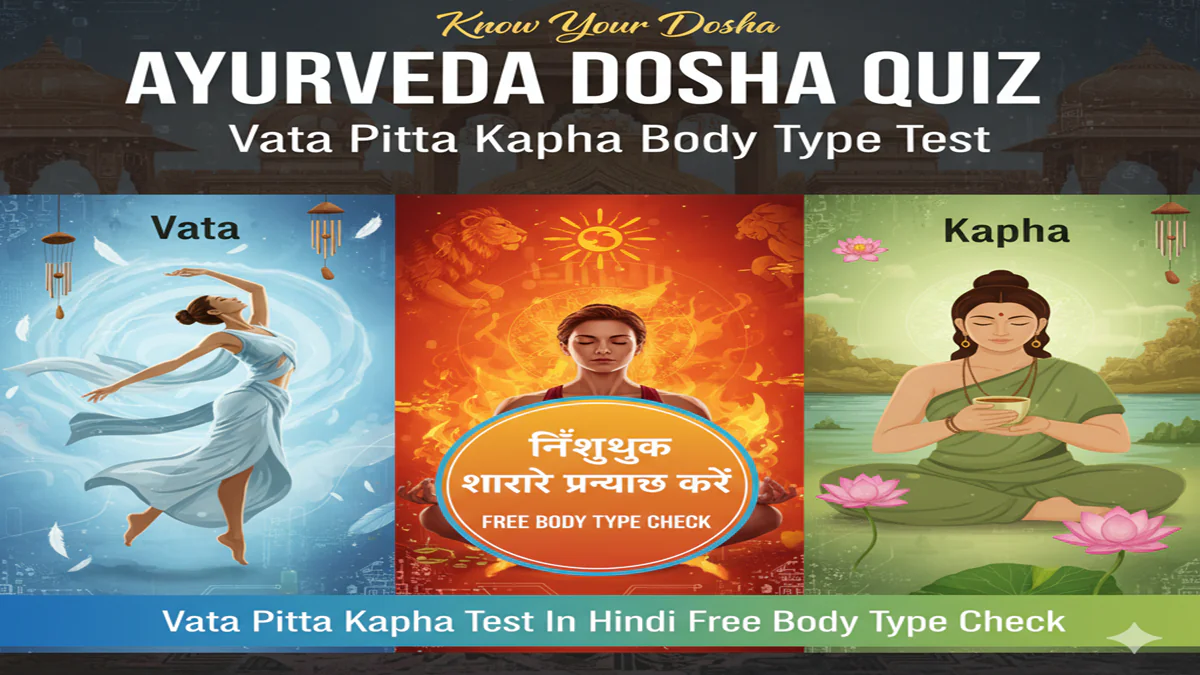
Vata Pitta Kapha : आरोग्याची गुरुकिल्ली आहे ‘त्रिदोष’ संतुलन; जाणून घ्या तुमची शरीर प्रकृती आणि उपाय!

Vata Pitta Kapha Test In Hindi Free Body Type Check

Vata, Pitta, Kapha: आरोग्याची गुरुकिल्ली आहे ‘त्रिदोष’ संतुलन; जाणून घ्या तुमची शरीर प्रकृती आणि उपाय!

Vata Pitta Kapha : आयुर्वेदामध्ये शरीराला निरोगी ठेवण्यासाठी ‘त्रिदोष’ म्हणजेच वात (Vata), पित्त (Pitta) आणि कफ (Kapha) यांचे संतुलन असणे अत्यंत आवश्यक मानले जाते. जेव्हा या तीनपैकी कोणताही एक दोष बिघडतो, तेव्हा शरीरात आजार निर्माण होतात. म्हणूनच, प्रत्येक व्यक्तीने आपली प्रकृती कोणती आहे हे जाणून घेणे गरजेचे आहे.

या लेखात आपण Vata, Pitta, Kapha बद्दल सविस्तर माहिती आणि ते संतुलित ठेवण्याचे उपाय पाहणार आहोत.


१. वात दोष (Vata Dosha) – हालचालींचे प्रतीक

Vata Pitta Kapha : वात हा आकाश आणि वायू या तत्त्वांपासून बनलेला असतो. शरीरातील सर्व प्रकारच्या हालचाली (रक्तभिसरण, श्वासोच्छवास) वात नियंत्रित करतो.

  • लक्षणे: त्वचा कोरडी पडणे, सांधेदुखी, बद्धकोष्ठता (Constipation), झोप न लागणे आणि सतत चिंता वाटणे.
  • संतुलित ठेवण्याचे उपाय:
    • नेहमी ताजे आणि गरम अन्न खावे.
    • आहारात तूप आणि तेलाचा योग्य वापर करावा.
    • नियमित शरीराला तिळाच्या तेलाने मालिश करावी.
    • भरपूर पाणी प्यावे आणि पुरेशी झोप घ्यावी.

२. पित्त दोष (Pitta Dosha) – ऊर्जेचे प्रतीक

Vata Pitta Kapha : पित्त हे अग्नी आणि जल तत्त्वांनी बनलेले असते. शरीरातील पचनक्रिया, चयापचय (Metabolism) आणि तापमान पित्त नियंत्रित करते.

  • लक्षणे: ॲसिडिटी, छातीत जळजळ, जास्त राग येणे, त्वचेवर पुरळ येणे किंवा डोळे लाल होणे.
  • संतुलित ठेवण्याचे उपाय:
    • मसालेदार, तळलेले आणि अति तिखट पदार्थ टाळावेत.
    • थंड प्रवृत्तीचे पदार्थ जसे की दूध, तूप आणि काकडी यांचा आहारात समावेश करावा.
    • उन्हात जास्त फिरणे टाळावे.
    • शीतली प्राणायाम करणे फायदेशीर ठरते.

३. कफ दोष (Kapha Dosha) – स्थिरतेचे प्रतीक

Vata Pitta Kapha : कफ हा पृथ्वी आणि जल तत्त्वांनी बनलेला असतो. शरीराची रचना, मजबुती आणि वंगण (Lubrication) राखण्याचे काम कफ करतो.

  • लक्षणे: शरीरात जडपणा जाणवणे, अति झोप येणे, वजन वाढणे, सर्दी-खोकला आणि आळस.
  • संतुलित ठेवण्याचे उपाय:
    • हलका आणि उष्ण आहार घ्यावा.
    • नियमित व्यायाम आणि योगासने करणे अनिवार्य आहे.
    • मध आणि कोमट पाण्याचे सेवन करावे.
    • दिवसा झोपणे टाळावे.

त्रिदोष संतुलित ठेवण्यासाठी ५ सुवर्ण नियम (2026 Health Guide)

  1. वेळेवर जेवण: भूक लागल्यावरच जेवा आणि रात्रीचे जेवण हलके ठेवा.
  2. ऋतुचर्या: ऋतूनुसार आपल्या आहारात बदल करा (उदा. हिवाळ्यात गरम, उन्हाळ्यात थंड).
  3. पाणी पिण्याची पद्धत: नेहमी बसून आणि कोमट पाणी पिणे त्रिदोषांसाठी उत्तम आहे.
  4. प्राणायाम: दररोज किमान १५ मिनिटे कपालभाती आणि अनुलोम-विलोम करा.
  5. नैसर्गिक वेग रोखू नका: शौच, लघवी किंवा शिंक यांसारखे नैसर्गिक वेग कधीही रोखून धरू नका.

निष्कर्ष (Conclusion)

Vata, Pitta, Kapha हे आपल्या शरीराचे आधारस्तंभ आहेत. तुमची प्रकृती कोणतीही असो, संयमित जीवनशैली आणि योग्य आहार घेतल्यास तुम्ही १०० वर्षे निरोगी जगू शकता. जर तुम्हाला गंभीर समस्या जाणवत असतील, तर जवळच्या आयुर्वेदिक तज्ज्ञांचा सल्ला नक्की घ्या.


Tridosha Comparison Table

वैशिष्ट्यवात (Vata)पित्त (Pitta)कफ (Kapha)
तत्ववायू + आकाशअग्नी + जलपृथ्वी + जल
स्वभावचंचल / कोरडाउष्ण / तीक्ष्णशांत / जड
मुख्य स्थानमोठे आतडेजठर (पोट)छाती / फुफ्फुस
असंतुलनाचे मुख्य फळवेदना (Pain)जळजळ (Inflammation)सूज / कफ (Congestion)

वात, पित्त, कफ टेस्ट: मुफ्त शरीर प्रकृति जांच और संपूर्ण मार्गदर्शन

परिचय: आयुर्वेद क्या है और दोष क्यों महत्वपूर्ण हैं?

Vata Pitta Kapha आयुर्वेद, जिसका अर्थ है “जीवन का विज्ञान”, 5000 साल पुरानी भारतीय चिकित्सा पद्धति है जो समग्र स्वास्थ्य और कल्याण पर केंद्रित है। इसकी नींव तीन मौलिक ऊर्जाओं या दोषों – वात, पित्त और कफ – के संतुलन में निहित है। ये दोष केवल शारीरिक विशेषताओं तक सीमित नहीं हैं, बल्कि ये हमारी मानसिक प्रवृत्ति, भावनात्मक प्रतिक्रियाओं और हमारे पर्यावरण के साथ संबंध को भी निर्धारित करते हैं।

Vata Pitta Kapha : प्रत्येक व्यक्ति में इन तीनों दोषों का अनूठा संयोजन होता है, जिसेप्रकृतिकहा जाता है। यह प्रकृति हमारे गर्भाधान के समय निर्धारित होती है और जीवन भर अपेक्षाकृत स्थिर रहती है। जब हमारी प्रकृति के अनुरूप जीवन जीते हैं, तो हम स्वास्थ्य, ऊर्जा और संतुलन का अनुभव करते हैं। जब हम इससे दूर हो जाते हैं, तो असंतुलन और बीमारी उत्पन्न होती है।

इस लेख में, हम आपकी शरीर प्रकृति की पहचान करने के लिए एक मुफ्त वात, पित्त, कफ टेस्ट प्रदान करेंगे, साथ ही प्रत्येक दोष की विस्तृत व्याख्या, संतुलन और असंतुलन के लक्षण, और उचित आहार एवं जीवनशैली संबंधी सिफारिशें देंगे।


भाग 1: तीन दोषों की गहन समझ

वात दोष: गति और परिवर्तन का सिद्धांत

Vata Pitta Kapha : वातसंस्कृत के मूल “वा” से आया है, जिसका अर्थ है “गति करना”। यह वायु और अंतरिक्ष तत्वों से बना है और शरीर में सभी गतियों के लिए जिम्मेदार है।

वात प्रधान व्यक्ति की विशेषताएं:

  • शारीरिक लक्षण: पतला, हल्का शरीर, त्वचा रुखी, ठंडे हाथ-पैर, अनियमित भूख और पाचन, हल्की नींद, तेज चलना
  • मानसिक लक्षण: रचनात्मक, उत्साही, तेज सीखने की क्षमता, लेकिन चिंता, भय और घबराहट की प्रवृत्ति
  • जब संतुलित हो: ऊर्जावान, रचनात्मक, अनुकूलनीय, उत्साही
  • जब असंतुलित हो: चिंता, अनिद्रा, कब्ज, सूखी त्वचा, जोड़ों में दर्द, वजन कम होना

पित्त दोष: परिवर्तन और चयापचय का सिद्धांत

Vata Pitta Kapha : पित्तअग्नि और जल तत्वों से बना है। यह शरीर में सभी चयापचय प्रक्रियाओं, पाचन और ऊर्जा उत्पादन को नियंत्रित करता है।

पित्त प्रधान व्यक्ति की विशेषताएं:

  • शारीरिक लक्षण: मध्यम निर्माण, गर्म शरीर, त्वचा संवेदनशील और मुहांसे prone, तेज पाचन, अच्छी भूख, पसीना अधिक आना
  • मानसिक लक्षण: तीक्ष्ण बुद्धि, नेतृत्व क्षमता, निर्णय लेने की क्षमता, लेकिन क्रोध, चिड़चिड़ापन और आलोचनात्मक होने की प्रवृत्ति
  • जब संतुलित हो: बुद्धिमान, नेतृत्व क्षमता, निर्णायक, उत्साही
  • जब असंतुलित हो: क्रोध, सूजन, अम्लता, त्वचा रोग, भड़काऊ स्थितियां

कफ दोष: संरचना और स्थिरता का सिद्धांत

Vata Pitta Kapha : कफपृथ्वी और जल तत्वों से बना है। यह शरीर की संरचना, स्थिरता और स्नेहन के लिए जिम्मेदार है।

कफ प्रधान व्यक्ति की विशेषताएं:

  • शारीरिक लक्षण: मजबूत, भारी शरीर, चिकनी त्वचा, बाल घने, धीमा लेकिन स्थिर पाचन, भरपूर नींद
  • मानसिक लक्षण: शांत, दयालु, वफादार, क्षमाशील, लेकिन आलस्य, लगाव और ईर्ष्या की प्रवृत्ति
  • जब संतुलित हो: शांत, स्थिर, वफादार, दयालु, क्षमाशील
  • जब असंतुलित हो: आलस्य, अवसाद, वजन बढ़ना, कफ जमाव, एलर्जी, मधुमेह

भाग 2: मुफ्त वात, पित्त, कफ टेस्ट (शरीर प्रकृति जांच)

Vata Pitta Kapha : निम्नलिखित प्रश्नावली में, प्रत्येक खंड के लिए वह विकल्प चुनें जो आप पर सबसे अधिक लागू होता है। ईमानदारी से उत्तर दें कि आप वास्तव में कैसे हैं, न कि आप कैसे होना चाहते हैं।

शारीरिक विशेषताएं

  1. आपके शरीर का प्रकार कैसा है?
    • क: पतला, हल्का, तेजी से वजन घटता-बढ़ता है
    • ख: मध्यम, अच्छी मांसपेशियों वाला, संतुलित
    • ग: बड़ा, भारी, वजन बढ़ने की प्रवृत्ति
  2. आपकी त्वचा की प्रकृति कैसी है?
    • क: पतली, शुष्क, ठंडी, रूखी
    • ख: गर्म, नम, लालिमा या मुहांसे prone
    • ग: मोटी, तैलीय, ठंडी, चिकनी
  3. आपके बाल कैसे हैं?
    • क: पतले, शुष्क, घुंघराले या भंगुर
    • ख: पतले, समय से पहले सफेद या गंजेपन की प्रवृत्ति
    • ग: मोटे, घने, तैलीय, गहरे रंग के

पाचन और आहार संबंधी प्रवृत्तियां

  1. आपकी भूख कैसी है?
    • क: अनियमित, कभी तो बहुत कम, कभी अचानक तेज भूख
    • ख: तीव्र, यदि भोजन समय पर न मिले तो चिड़चिड़ापन
    • ग: स्थिर लेकिन कमजोर, भोजन छूट जाए तो चिंता नहीं
  2. आपका पाचन तंत्र कैसा है?
    • क: अनियमित, गैस, सूजन, कब्ज की प्रवृत्ति
    • ख: तेज, अम्लता, जलन, दस्त की प्रवृत्ति
    • ग: धीमा लेकिन स्थिर, भारीपन महसूस होना

मानसिक और भावनात्मक विशेषताएं

  1. आपकी स्मरण शक्ति कैसी है?
    • क: तेज लेकिन अल्पकालिक, जल्दी सीखना और भूलना
    • ख: तीक्ष्ण, स्पष्ट, लक्ष्य-केंद्रित
    • ग: धीमी लेकिन दीर्घकालिक, एक बार सीखा हुआ लंबे समय तक याद रहता है
  2. भावनात्मक रूप से आपकी प्रवृत्ति क्या है?
    • क: चिंता, घबराहट, अत्यधिक उत्साह के बाद थकान
    • ख: क्रोध, चिड़चिड़ापन, आलोचनात्मक
    • ग: शांत, संतुष्ट, लेकिन आलस्य या उदासीनता
  3. आपकी नींद की गुणवत्ता कैसी है?
    • क: हल्की, टूटी-टूटी, अनिद्रा की प्रवृत्ति
    • ख: मध्यम, कम घंटों की आवश्यकता
    • ग: गहरी, लंबी, सुबह उठने में कठिनाई

पर्यावरण संबंधी प्रतिक्रियाएं

  1. आप मौसम के प्रति कैसे प्रतिक्रिया करते हैं?
    • क: ठंड बर्दाश्त नहीं, हमेशा गर्म कपड़े चाहिए
    • ख: गर्मी बर्दाश्त नहीं, पसीना अधिक आता है
    • ग: ठंड और नमी बर्दाश्त नहीं, आर्द्र मौसम में बेचैनी
  2. आपकी बोलने की शैली कैसी है?
    • क: तेज, अस्थिर, उत्साहपूर्ण
    • ख: तीक्ष्ण, स्पष्ट, प्रभावशाली
    • ग: धीमी, मधुर, विचारपूर्वक

परिणामों की गणना:

  • ज्यादातर क: आपकी प्रकृति वात प्रधान है
  • ज्यादातर ख: आपकी प्रकृति पित्त प्रधान है
  • ज्यादातर ग: आपकी प्रकृति कफ प्रधान है
  • दो या तीनों समान रूप से: आप द्विदोषी (जैसे वात-पित्त) या त्रिदोषी हैं

भाग 3: आपकी प्रकृति के अनुरूप आहार और जीवनशैली

Vata Pitta Kapha : वात प्रधान के लिए संतुलन योजना

Vata Pitta Kapha : आहार संबंधी सिफारिशें:

  • पसंद करें: गर्म, पकाया हुआ, नम और पौष्टिक भोजन। मीठे, खट्टे और नमकीन स्वाद। दूध, दही, घी, सूप, स्ट्यू, अनाज (चावल, गेहूं), पके हुए मीठे फल।
  • परहेज करें: ठंडा, सूखा, कच्चा भोजन। कड़वे, कसैले और तीखे स्वाद। ज्यादा सलाद, कच्ची सब्जियां, ठंडे पेय।
  • भोजन की आदतें: नियमित समय पर भोजन, शांत वातावरण में, भोजन के बीच में न ज्यादा पानी पिएं।

जीवनशैली सुझाव:

  • नियमित दिनचर्या बनाए रखें
  • पर्याप्त आराम और नींद लें
  • तेल की मालिश (विशेषकर तिल का तेल)
  • योग: धीमे, grounding आसन जैसे ताड़ासन, वृक्षासन
  • श्वास क्रिया: नाड़ी शोधन, भ्रामरी
  • गर्म, आरामदायक वातावरण में रहें

पित्त प्रधान के लिए संतुलन योजना

Vata Pitta Kapha : आहार संबंधी सिफारिशें:

  • पसंद करें: ठंडा या कमरे के तापमान का, मीठा, कड़वा और कसैला स्वाद। ताजे फल और सब्जियां, दूध, घी, सेम, दालें।
  • परहेज करें: गर्म, तीखा, तला हुआ और नमकीन भोजन। मिर्च, खट्टे फल, खमीर वाले भोजन, कॉफी, अल्कोहल।
  • भोजन की आदतें: भोजन को अच्छी तरह चबाएं, भोजन के समय काम न करें।

जीवनशैली सुझाव:

  • दिन के सबसे गर्म समय में आराम करें
  • ठंडे पानी से नहाएं
  • प्रकृति में समय बिताएं (विशेषकर ठंडे, हरे स्थान)
  • योग: शीतलन आसन जैसे चंद्र नमस्कार, शीतली प्राणायाम
  • मन को शांत रखने वाली गतिविधियाँ जैसे पढ़ना, संगीत सुनना
  • सहनशीलता और क्षमा का अभ्यास करें

कफ प्रधान के लिए संतुलन योजना

Vata Pitta Kapha : आहार संबंधी सिफारिशें:

  • पसंद करें: हल्का, गर्म, सूखा भोजन। कड़वे, कसैले और तीखे स्वाद। उबली हुई सब्जियां, सेम, दालें, हल्के अनाज (जौ, मक्का), शहद।
  • परहेज करें: भारी, तैलीय, ठंडा और मीठा भोजन। डेयरी उत्पाद, तला हुआ भोजन, मीठे फल, नमक।
  • भोजन की आदतें: दिन का मुख्य भोजन दोपहर में करें, रात में हल्का भोजन लें।

जीवनशैली सुझाव:

  • सुबह जल्दी उठें (6 बजे से पहले)
  • नियमित व्यायाम (विशेषकर कार्डियो)
  • गर्म पानी पिएं
  • योग: ऊर्जावान आसन जैसे सूर्य नमस्कार, कपालभाति
  • नई चुनौतियाँ और गतिविधियाँ तलाशें
  • सक्रिय और उत्साही बने रहें

भाग 4: दोष असंतुलन को पहचानना और सुधारना

Vata Pitta Kapha : असंतुलन के सामान्य कारण:

  • मौसमी परिवर्तन
  • तनाव और भावनात्मक उथल-पुथल
  • अनुचित आहार और जीवनशैली
  • उम्र के विभिन्न चरण (वात बढ़ती उम्र में बढ़ता है)

असंतुलन के लक्षण:

वात असंतुलन: कब्ज, गैस, सूखी त्वचा, चिंता, अनिद्रा, थकान

पित्त असंतुलन: अम्लता, सूजन, त्वचा में जलन, क्रोध, अधिक गर्मी लगना

कफ असंतुलन: वजन बढ़ना, आलस्य, अवसाद, कफ जमाव, एलर्जी

असंतुलन दूर करने के उपाय:

  1. वात असंतुलन के लिए:
    • गर्म तेल मालिश (विशेषकर तिल या बादाम का तेल)
    • गर्म, नम भोजन
    • नियमित दिनचर्या
    • आराम और ध्यान
  2. पित्त असंतुलन के लिए:
    • ठंडे तेल मालिश (नारियल या सूरजमुखी का तेल)
    • ठंडा, मीठा भोजन
    • प्रकृति में समय बिताना
    • शीतलन श्वास क्रिया
  3. कफ असंतुलन के लिए:
    • सूखी मालिश (सूखे ब्रश से)
    • हल्का, गर्म, सूखा भोजन
    • नियमित व्यायाम
    • उत्तेजक गतिविधियाँ

भाग 5: मौसमी दोष संतुलन

Vata Pitta Kapha : आयुर्वेद के अनुसार, विभिन्न मौसम विशेष दोषों को बढ़ाते हैं:

  • वसंत ऋतु (मार्च-मई): कफ बढ़ता है – हल्का, सूखा भोजन लें
  • ग्रीष्म ऋतु (जून-अगस्त): पित्त बढ़ता है – ठंडा, मीठा भोजन लें
  • शरद ऋतु (सितंबर-नवंबर): वात बढ़ता है – गर्म, नम भोजन लें
  • हेमंत ऋतु (दिसंबर-फरवरी): कफ फिर से बढ़ सकता है – गर्म, हल्का भोजन लें

निष्कर्ष

Vata Pitta Kapha : अपनीवात, पित्त, कफ प्रकृतिको समझना आयुर्वेदिक ज्ञान की पहली और सबसे महत्वपूर्ण सीढ़ी है। यह आत्म-जागरूकता की यात्रा है जो आपको अपने शरीर, मन और आत्मा की अनूठी आवश्यकताओं को समझने में मदद करती है। याद रखें कि शुद्ध प्रकृति (केवल एक दोष) वाले लोग दुर्लभ हैं; अधिकांश लोग द्विदोषी या त्रिदोषी होते हैं।

Vata Pitta Kapha : इस ज्ञान को दैनिक जीवन में लागू करके, आप न केवल बीमारियों को रोक सकते हैं, बल्कि इष्टतम स्वास्थ्य, ऊर्जा और जीवन संतुष्टि भी प्राप्त कर सकते हैं। आयुर्वेद कोई त्वरित समाधान नहीं है, बल्कि जीवन जीने का एक तरीका है जो प्रकृति के साथ सामंजस्य बनाता है।

स्वस्थ्यम् सर्वार्थ साधनम् – स्वास्थ्य सभी लक्ष्यों को प्राप्त करने का साधन है।


अक्सर पूछे जाने वाले प्रश्न (FAQs)

1. क्या मेरी दोष प्रकृति समय के साथ बदल सकती है?

Vata Pitta Kapha : आपकी मूल प्रकृति (प्रकृति) जन्म से निर्धारित होती है और जीवन भर स्थिर रहती है। हालांकि, आपकी वर्तमान स्थिति (विकृति) – दोषों का असंतुलन – लगातार बदलती रहती है। मौसम, आहार, जीवनशैली, उम्र और भावनात्मक स्थिति के आधार पर विभिन्न दोष बढ़ या घट सकते हैं। आयुर्वेद का लक्ष्य इन अस्थायी असंतुलनों को सही करना है।

2. अगर मेरे तीनों दोष बराबर हैं तो क्या करूं?

Vata Pitta Kapha : यदि आपकी प्रकृति त्रिदोषी (तीनों दोष समान) है, तो आप दुर्लभ और भाग्यशाली हैं! त्रिदोषी लोग आमतौर पर मजबूत स्वास्थ्य और लचीलेपन के साथ पैदा होते हैं। हालांकि, जब असंतुलन होता है, तो यह अधिक जटिल हो सकता है। सलाह है कि वर्तमान मौसम और अपनी वर्तमान लक्षणों के आधार पर जो दोष सबसे अधिक प्रभावित हो रहा है, उस पर ध्यान केंद्रित करें। मौसमी दोष संतुलन का पालन करना विशेष रूप से त्रिदोषी लोगों के लिए फायदेमंद है।

3. दोष परीक्षण कितना सटीक है?

Vata Pitta Kapha : यह स्व-मूल्यांकन परीक्षण एक उत्कृष्ट प्रारंभिक बिंदु है, लेकिन यह एक योग्य आयुर्वेदिक चिकित्सक द्वारा किए गए निदान की जगह नहीं ले सकता। एक चिकित्सक नाड़ी परीक्षण (पल्स डायग्नोसिस), जीभ, आंख और समग्र परीक्षण सहित अधिक गहन मूल्यांकन करते हैं। यदि आप गंभीर स्वास्थ्य समस्याओं का सामना कर रहे हैं, तो हमेशा एक पेशेवर से परामर्श लें।

4. क्या मैं अपनी प्रकृति के विपरीत भोजन खा सकता हूँ?

सामयिक रूप से हाँ, लेकिन नियमित रूप से नहीं। उदाहरण के लिए, एक पित्त प्रकृति व्यक्ति गर्मी में ठंडा भोजन करके लाभ उठाएगा, जबकि सर्दियों में वह अपने प्रकृति के विपरीत कुछ गर्म भोजन संतुलित रूप से ले सकता है। मुख्य सिद्धांत यह है:जो बढ़ा हुआ है उसे कम करो। यदि आपको लगता है कि कोई विशेष दोष बढ़ रहा है, तो उस दोष को शांत करने वाले खाद्य पदार्थ चुनें, भले ही वे आपकी मूल प्रकृति के अनुकूल न हों।

5. क्या आयुर्वेदिक प्रकृति आधुनिक चिकित्सा उपचार के साथ संगत है?

हाँ, बिल्कुल। आयुर्वेद आधुनिक चिकित्सा के पूरक के रूप में काम कर सकता है। कई स्वास्थ्य पेशेवर अब एकीकृत दृष्टिकोण अपना रहे हैं। हालांकि, यदि आप किसी चिकित्सा उपचार पर हैं या गंभीर स्वास्थ्य स्थितियां हैं, तो कोई भी आयुर्वेदिक उपचार शुरू करने से पहले अपने चिकित्सक और एक योग्य आयुर्वेदिक चिकित्सक से परामर्श करना आवश्यक है। दवाओं के साथ हर्बल पूरकों की संभावित अंतःक्रिया के बारे में सचेत रहें।

Joint Pain Relief: जोड़ों के दर्द से तुरंत राहत पाने के 5 घरेलू उपाय; घुटनों का दर्द होगा गायब।

Joint Pain Ka Permanent Ilaj Gharelu Ayurvedic Tips

Joint Pain (जोड़ों का दर्द): कारण, लक्षण और दर्द से राहत पाने के सबसे प्रभावी घरेलू उपाय!

Joint Pain Relief: Introduction: उम्र बढ़ने के साथ जोड़ों में दर्द (Joint Pain) होना एक आम समस्या मानी जाती थी, लेकिन आजकल खराब जीवनशैली और गलत खान-पान की वजह से युवा भी इसका शिकार हो रहे हैं। जोड़ों का दर्द न केवल चलने-फिरने में दिक्कत पैदा करता है, बल्कि यह इंसान की दिनचर्या को भी प्रभावित करता है।

चाहे वह घुटनों का दर्द हो, कंधों का या उंगलियों के जोड़ों का, Joint Pain Relief के लिए सही जानकारी होना बहुत जरूरी है। इस लेख में हम विस्तार से जानेंगे कि जोड़ों का दर्द क्यों होता है और आप घर पर ही इसका इलाज कैसे कर सकते हैं।


1. जोड़ों में दर्द के मुख्य कारण (Causes of Joint Pain)

Joint Pain Relief: जोड़ों में दर्द के पीछे कई कारण हो सकते हैं, जिनमें से प्रमुख ये हैं:

  • अर्थराइटिस (Arthritis): यह जोड़ों में सूजन और दर्द का सबसे बड़ा कारण है। इसके कई प्रकार हैं जैसे ऑस्टियोअर्थराइटिस और रूमेटाइड अर्थराइटिस।
  • यूरिक एसिड का बढ़ना: शरीर में यूरिक एसिड की मात्रा बढ़ने पर यह जोड़ों में क्रिस्टल के रूप में जमा हो जाता है (Gout), जिससे तेज दर्द होता है।
  • चोट या मोच: पुरानी चोट या लिगामेंट में खिंचाव भी लंबे समय तक दर्द का कारण बन सकता है।
  • कैल्शियम और विटामिन D की कमी: हड्डियों की मजबूती के लिए ये दोनों तत्व जरूरी हैं। इनकी कमी से हड्डियाँ कमजोर होकर आपस में रगड़ खाने लगती हैं।
  • मोटापा: शरीर का अधिक वजन घुटनों और कूल्हों के जोड़ों पर दबाव डालता है, जिससे दर्द शुरू हो जाता है।

2. जोड़ों के दर्द के लक्षण (Symptoms)

  • जोड़ों में सूजन और लाली आना।
  • सुबह उठते समय जोड़ों में जकड़न महसूस होना।
  • चलने-फिरने या सीढ़ियाँ चढ़ने पर कट-कट की आवाज आना।
  • जोड़ों का हिलना-डुलना मुश्किल हो जाना।

3. जोड़ों के दर्द के लिए प्रभावी घरेलू उपाय (Home Remedies for Joint Pain)

Joint Pain Relief: १. मेथी के दानों का जादू: मेथी के दानों में एंटी-इंफ्लेमेटरी गुण होते हैं। एक चम्मच मेथी दाना रात भर पानी में भिगो दें और सुबह खाली पेट इसे चबाकर खाएं और पानी पी लें। यह जोड़ों की सूजन कम करने में रामबाण है।

२. हल्दी और अदरक का सेवन: हल्दी में ‘करक्यूमिन’ होता है जो प्राकृतिक दर्द निवारक है। रोजाना रात को सोने से पहले हल्दी वाला दूध पिएं। साथ ही, अदरक की चाय या अदरक का रस जोड़ों के दर्द में राहत देता है।

३. लहसुन का तेल: सरसों के तेल में 4-5 लहसुन की कलियाँ डालकर उसे काला होने तक गर्म करें। इस गुनगुने तेल से जोड़ों की मालिश करने से रक्त संचार (Blood circulation) बढ़ता है और दर्द कम होता है।

४. सेंधा नमक का सिकाव (Epsom Salt Bath): नहाने के गर्म पानी में सेंधा नमक मिलाएं। इसमें मैग्नीशियम होता है जो मांसपेशियों को आराम देता है और जोड़ों के दर्द को सोख लेता है।


4. खान-पान और जीवनशैली में बदलाव

  • कैल्शियम युक्त आहार: दूध, दही, पनीर और रागी को अपनी डाइट में शामिल करें।
  • धूप लें: विटामिन D के लिए रोजाना 10-15 मिनट सुबह की धूप में बैठें।
  • एक्सरसाइज: जोड़ों को लचीला बनाए रखने के लिए हल्का व्यायाम और योग (जैसे ताड़ासन, भुजंगासन) करें।
  • पानी का खूब सेवन: शरीर को हाइड्रेटेड रखें ताकि जोड़ों के बीच का ‘ल्यूब्रिकेशन’ बना रहे।

5. कब डॉक्टर को दिखाएं?

Joint Pain Relief: अगर दर्द के साथ बुखार आ रहा हो, जोड़ पूरी तरह से जाम हो गया हो या सूजन बहुत ज्यादा हो, तो तुरंत डॉक्टर (Orthopedic) से सलाह लें। यह गंभीर अर्थराइटिस का संकेत हो सकता है।


4. अक्सर पूछे जाने वाले प्रश्न (FAQs)

Q1: घुटनों के दर्द के लिए सबसे अच्छा तेल कौन सा है?

Ans: महानारायण तेल या घर पर बना लहसुन और अजवाइन का सरसों तेल जोड़ों के दर्द के लिए सबसे अच्छा माना जाता है।

Q2: क्या यूरिक एसिड कम करने से जोड़ों का दर्द ठीक हो सकता है?

Ans: हाँ, अगर दर्द का कारण ‘गाउट’ (Gout) है, तो यूरिक एसिड कम करने वाली डाइट और दवाओं से दर्द पूरी तरह ठीक हो सकता है।

Q3: जोड़ों के दर्द में क्या नहीं खाना चाहिए?

Ans: अधिक खट्टा, बहुत ज्यादा नमक, ठंडी चीजें और मैदा जैसी चीजें जोड़ों के दर्द को बढ़ा सकती हैं, इनसे बचें।


Conclusion: स्वस्थ रहें, सक्रिय रहें!

Joint Pain Relief: Joint Pain को नजरअंदाज करना भविष्य में बड़ी समस्या बन सकता है। सही खान-पान, नियमित व्यायाम और घरेलू नुस्खों की मदद से आप जोड़ों के दर्द से मुक्ति पा सकते हैं। याद रखें, एक स्वस्थ शरीर ही सुखी जीवन का आधार है।

Joint Pain Ka Permanent Ilaj: 10 Gharelu Ayurvedic Tips aur Prakritik Upchar

Prakriti Se Judkar: Ayurvedic Drishtikon

Joint Pain Relief: Ayurved mein, sandhiyon ka dard (joint pain) ko “Aamvata” ya “Sandhigat Vata” ke naam se jaana jaata hai. Iska sambandh directly Vata dosha ke imbalance sehota hai. Vata, jo ki hawa aur aakash tatva se banta hai, sharir mein gati aur sansaran ka karya karta hai. Jab yeh prakrit se bahar ho jaata hai, toh yeh sandhiyon ko sookhata, dard aur akadpan ka karan banta hai. Parantu, Ayurved ka vishwas hai ki prakritik upchar, aahar-vihar mein sudhar aur ghar par upalabdh samaadhiyon ke prayog se is disha ko permanently theek kiya ja sakta hai.

Yeh keval dard ki davai nahi, balki ek poorn jeevan shaili ka transformation hai.

Mool Karan: Kyun Hota Hai Sandhiyon Mein Dard?

Joint Pain Relief: Gharelu ilaj shuru karne se pehle, yeh samajhna ati avashyak hai ki aapke sandhiyon mein dard ka karan kya hai:

  • Vata Dosha Prakop: Ati sheet, sookha ya tikshna aahar, ati chintan, aniyamit dincharya.
  • Aam (Toxins) ka Nirman: Kharaab pachan kriya, bhojan mein viruddha aahar ke sevan se sharir mein vishaelu padarth jama ho jaate hain, jo sandhiyon mein phans kar dard aur soojan paida karte hain.
  • Dhatu Kshaya: Asthi (bones) aur Majja (bone marrow) dhatu ka kshay ho jana, jiske liye poshak aahar ki kami ya pachan shakti kamjor hona jimmedar hai.
  • Age ya Injury: Parantu Ayurved kehta hai ki sahi dekhbhaal se in karanon ko bhi niyantrit kiya ja sakta hai.

10 Gharelu Ayurvedic Tips: Permanent Sukh ki Aur Kadam

Joint Pain Relief: Yeh gharelu nuskhe aapke kitchin aur backyard se hi aaye hain, par inme woh takat hai jo aapke jeevan ka dard door kar sake.

1. Haldi aur Dudh ka “Sona Doodh

  • Upyogita: Haldi mein curcumin hai, jo ek shaktishaali anti-inflammatory hai. Dudh iske gunon ko badhata hai aur Vata ko santulit karta hai.
  • Vidhi: Ek cup garam dudh mein aadha chammach haldi powder, chutki bhar kali mirch (jo iske gunon ko 2000% tak badha deti hai) aur thoda-sa ghee ya shahad milayein. Raat ko sone se pehle peeyein.
  • Permanent Fayda: Roz ke isewan se soojan kam hoti hai, rakt saf hota hai aur sandhiyon mein natural chiknai (lubrication) badhti hai.

2. Sonth (Sukha Adrak) ka Mahatva

  • Upyogita: Yeh ek uttam Vata shamak aur anti-inflammatory dravya hai. Yeh aam ko ghatati hai aur pachan agni ko tej karti hai.
  • Vidhi: Ek chammach sonth powder ko ek cup pani mein 5 minute tak ubaalein. Thanda hone par, isme shahad milakar peeyein. Iska lep banakar dard wale sandhiyon par bhi laga sakte hain (sarson ke tel ke saath).
  • Permanent Fayda: Pachan shakti sudharti hai, jisse naye toxins bannana band hote hain aur purane toxins ghatne lagte hain.

3. Maharashtriya Lep: Erand Tel aur Ajwain

  • Joint Pain Relief: Upyogita:Erand ka tel (castor oil) Vata dosha par gahara asar dalti hai. Ajwain se dard mein aashu aaram milta hai.
  • Vidhi: Do chammach erand tel ko garam karein, isme ek chammach ajwain daalein. Thanda hone par, is tel se dard wale sthan ki halki malish karein. Fir ek kapde ko garam pani mein bhigo kar nichodein aur use 10-15 minute tak sandhi par rakh kar seep karayein.
  • Permanent Fayda: Yeh tel gehrai tak jaa kar sandhiyon ko chikna karta hai, akadpan kam karta hai aur flexibility laata hai.

4. Ashwagandha: Shatav evam Bal Pradata

  • Joint Pain Relief: Upyogita:Yeh ek adaptogenic herb hai jo stress (jo Vata badhata hai) kam karti hai, immunity badhati hai aur anti-inflammatory gun rakhti hai.
  • Vidhi: Ek cup garam dudh ya pani mein aadha chammach ashwagandha powder milayein. Din mein ek baar, khaane ke baad peeyein.
  • Permanent Fayda: Yeh asthi dhatu ko majboot banati hai, sharir ki thakaan door karti hai aur dard ke prati sharir ki sahanshakta badhati hai.

5. Metthidana: Chhota Drava, Bada Asar

  • Upyogita: Metthi (fenugreek) ke beej rakta ki gandi safai karte hain, soojan kam karte hain aur sandhiyon ke liye lubrication ka kaam karte hain.
  • Vidhi: Ek chammach metthi ke dane raat bhar ek cup pani mein bhigoyein. Subah khali pet in danton ko chabayein ya pani ke saath nigal lein.
  • Joint Pain Relief: Permanent Fayda:Yeh sharir se toxic elements ko bahar nikalta hai aur naye joint tissue ke nirmaan mein madad karta hai.

6. Lahsun ka Tel: Prakritik Pain Relief

  • Joint Pain Relief: Upyogita:Lahsun mein sulfur-based compounds hote hain jo anti-inflammatory hote hain aur cartilage ke kshay ko rokne mein madad karte hain.
  • Vidhi: Sarso ya til ke tel mein 8-10 lahsun ki kaliyan daal kar dheemi aanch par kala hone tak pakayein. Tel thanda hone par chaan lein. Is tel se roz malish karein.
  • Permanent Fayda: Yeh rakta ki pravah ko sudhar kar sandhiyon tak poshak tatva pahunchane mein madad karta hai.

7. Aam Nashak Kadha

  • Joint Pain Relief: Upyogita:Giloy, haridra, sonth jaise dravya mil kar sharir ke toxins (aam) ko pighlate hain aur bahar nikalte hain.
  • Vidhi: Ek patili mein 2 cup pani, ek inch giloy ka tana, aadha inch sonth, aadha inch haldi daal kar taab dein. Jab ek cup rah jaaye, chaan kar thoda sa shahad milayein. Din mein ek baar peeyein.
  • Permanent Fayda: Yeh aamvata ke mool karan ko hatane ka kaam karta hai, jisse dard ka source hi khatm ho jaata hai.

8. Sahi Aahar: Apni Thali Badlein, Apna Dard Bhagayein

Joint Pain Relief: Kya Chhodein:Teekha, khatta, bhoona hua, fast food, cold drinks, besan, aalu, chana. Ati sheetal ya fridge ka thanda pani bilkul nahi peena chahiye.

Sevana: Vata ko santulit karne ke liye garam, narm aur thoda-sa sneh (chiknai) wala aahar lena chahiye.

Kya Khayein: Moong ki dal, basmati chawal, patali sabziyan (kaddu, tori, shalgam), pakke aam, jaggery, badam, doodh, ghee.

9. Vyayam aur Yog: Gati Hi Jeevan Hai

  • Joint Pain Relief: Upyogita:Vyayam se rakta pravah badhta hai, muscles majboot hote hain aur sandhiyon mein flexibility aati hai.
  • Suvidha: Vata prakriti ke liye kshamata anusar vyayam hi uchit hai. Ati vyayam se Vata badh sakta hai.
  • Yogasan: Tad-asana, Marjariasana, Setu Bandhasana, Pavanmuktasana (wind-relieving pose) dard mein aashu aaram dete hain. Surya Namaskar poorn sharir ke liye uttam hai.
  • Permanent Fayda: Yog na keval shareerik bal deta hai, balki man ko shaant karke Vata ko santulit karta hai.

10. Dinacharya: Niyamit Jeevan Hi Ilaj Hai

  • Joint Pain Relief: Abhyanga (Tel se Malish):Roz subah nahaane se pehle til ya mahua ke garam tel se po sharir ki malish karein. 15-20 minute baad garam pani se nahayein. Yeh Vata ko shant karne ka sarvottam tareeka hai.
  • Niyamit Nidra: Raat 10 baje tak sone ka prayas karein. Vata imbalance ko niyantrit karne ke liye 7-8 ghante ki nind ati avashyak hai.
  • Parmanu: Panchkarma jaise “Basti” (medicated enema) Vata nivaaran ki param upchaar paddhati hai, parantu iske liye kisi anubhavi Ayurvedic chikitsak se salah lein.

Nishkarsh: Dhairya aur Samay Lagta Hai

Joint Pain Relief: Yaad rakhiye, Ayurved ka ilaj tez davai nahi, balki mool se sudhar ka marg hai. Isme samay lagta hai, dhairya ki aavashyakta hoti hai. Par jo fayda milta hai, woh kewal dard se aazaadi nahi, balki ek nayi sehat, nayi urja aur naya jeevan hota hai. Ye gharelu upchar aapke sharir ko andar se majboot banate hain, taki aap bina kisi rok-tok ke apni zindagi ke har pal ka anand le saken.

Sawadhan: Agar aapka dard atyadhik hai, sandhiyaan deform ho rahi hain, ya aap kisi anya bimari se grasit hain, toh kisi qualified Ayurvedic vaidya ya doctor se avashya sampark karein. Ye gharelu upchar chikitsa ka ek hissa hain, poorn chikitsa nahi.


5 Aam Prashn aur Unke Uttar (FAQ)

1. Kya yeh gharelu nuskhe arthritis (gathiya) ke liye bhi kaam karte hain?

Jawaab:Ha, bilkul. Ayurved ke anusar “Aamvata” hi modern arthritis ke samaan hai. Ye upchar, khaas kar haldi, sonth, metthi aur ashwagandha, arthritis ke karan inflammation aur dard ko kam karne mein bada yogdaan dete hain. Parantu, kisi badi samasya mein Vaidya ki salah avashyak hai.

2. In upcharon se fayda dikhne mein kitna samay lagta hai?

Jawaab:Ye aapki samasya ke gambhirta aur aapki dincharya par nirbhar karta hai. Lagatar 3-4 hafto mein aap dard mein kami mehsoos kar sakte hain. Parantu, permanent aur gehre fayde ke liye kam se kam 3-6 mahine tak inhe apni jeevan shaili ka hissa banana hoga.

3. Kya main in sabhi dravyon ka ek saath prayog kar sakta hoon?

Jawaab:Nahi, aisa karne ki salah nahi di jaati. Ek saath bahut sare dravya aapake pachan tantra par bhojar daal sakte hain. Ek ya do upchar (jaise Haldi-Doodh aur Sonth ka Kadha) se shuru karein. Ek mahina tak prayog karein, fayda dekhein, phir anya upchar shamil karein. “Abhyanga” (tel malish) sabke saath jaari rakh sakte hain.

4. Kya diabetes ya high BP ke mareez bhi in nushkon ka prayog kar sakte hain?

Jawaab:Kuch savdhiyon ke saath haan. Jaise, diabetes mein shahad ki jagay gud (jaggery) bhi kam matra mein istemal karein ya chini bilkul na lein. High BP ke mareez ashwagandha ka istemal karne se pehle apne doctor se salah lein, kyunki ye BP ko thoda badha sakti hai. Hamesha kisi chikitsak se salah karna uchit rahega.

5. Kya aahar mein sirf Vata shamak bhojan hi khana hoga?

Jawaab:Hamesha nahi, lekin aapki thali ka mukhya hissa (takraib 60%) Vata ko santulit karne wala hona chahiye. Baki aap saatvik, hazme aasan aahar shamil kar sakte hain. Jyadhatar Vata prakop un logon ko hota hai jo aniyamit, sookha, fast food ya viruddha aahar (jaise dahi raat ko, fish ke saath doodh) lete hain. Inse parhej karna hi sabse bada kadam hoga.

How To Lose Weight Fast In 2 Weeks 10 Kg: 2 हफ्ते में 10 किलो वजन घटाएं; अपनाएं यह जादुई डाइट प्लान!

How To Lose Weight Fast In 2 Weeks 10 Kg Safe Indian Plan

How To Lose Weight Fast In 2 Weeks 10 Kg: 2 हफ्ते में 10 किलो वजन कम करने के असरदार उपाय और डाइट प्लान!

Introduction:

How To Lose Weight Fast In 2 Weeks 10 Kg: बढ़ता वजन आज के समय की एक गंभीर समस्या बन चुका है। खराब जीवनशैली और गलत खान-पान की वजह से हमारा शरीर बेडौल होने लगता है। जब कोई शादी, पार्टी या खास फंक्शन करीब आता है, तो हम सोचने लगते हैं कि— “How To Lose Weight Fast In 2 Weeks 10 Kg?”

2 सप्ताह में 10 किलो वजन कम करना एक बड़ा लक्ष्य है, लेकिन इसे कठिन अनुशासन, सही डाइट और एक्सरसाइज के मेल से हासिल किया जा सकता है। इस लेख में हम एक ऐसे ‘इंटेंस’ वेट लॉस प्लान के बारे में बात करेंगे, जो आपको मात्र 14 दिनों में शानदार नतीजे दे सकता है।


1. वजन घटाने के ‘गोल्डन रूल्स’ (The Golden Rules)

How To Lose Weight Fast In 2 Weeks 10 Kg: वजन कम करने के लिए सिर्फ एक्सरसाइज काफी नहीं है, आपकी सफलता में 80% योगदान आपकी डाइट का होता है।

  • कैलोरी डेफिसिट (Calorie Deficit): शरीर की जरूरत से कम कैलोरी का सेवन करें।
  • चीनी और नमक पर कंट्रोल: चीनी फैट जमा करती है और नमक शरीर में पानी (Water Retention) को रोक कर रखता है।
  • हाई प्रोटीन डाइट: प्रोटीन आपको लंबे समय तक भरा हुआ महसूस कराता है और मांसपेशियों (Muscles) को मजबूत बनाता है।

2. 14 दिनों का डाइट चार्ट (Sample Diet Plan)

समयक्या खाएं/पिएं?
सुबह खाली पेटगुनगुने पानी में नींबू और शहद या जीरा पानी।
नाश्ता (Breakfast)2 उबले अंडे (सफेद भाग) या 1 कटोरी ओट्स या मूंग दाल चीला।
दोपहर का खाना1 छोटी चपाती, खूब सारा सलाद (Salad) और 1 कटोरी दाल।
शाम का नाश्ताग्रीन टी (Green Tea) और मुट्ठी भर भुने हुए मखाने।
रात का खानाउबली हुई सब्जियां, सूप या ग्रिल्ड पनीर/चिकन।

3. प्रभावी एक्सरसाइज (Effective Exercises)

How To Lose Weight Fast In 2 Weeks 10 Kg: अगर आप 2 हफ्ते में 10 किलो वजन कम करना चाहते हैं, तो आपको रोजाना कम से कम 1 घंटा पसीना बहाना होगा।

  1. HIIT (High-Intensity Interval Training): यह कैलोरी बर्न करने का सबसे तेज तरीका है।
  2. तेज चलना (Brisk Walking): रोजाना सुबह या शाम 4-5 किमी तेज चलें।
  3. रस्सी कूदना (Skipping): यह पूरे शरीर के फैट को तेजी से कम करने में मदद करता है।
  4. भरपूर पानी पिएं: दिन में कम से कम 3-4 लीटर पानी पिएं। यह शरीर से टॉक्सिन्स बाहर निकालने में मदद करता है।

4. फैट बर्न करने वाले घरेलू ड्रिंक्स (Fat Burning Drinks)

  • दालचीनी की चाय: यह मेटाबॉलिज्म को बूस्ट करती है।
  • मेथी का पानी: रात भर मेथी दाने भिगोकर सुबह उसका पानी पीने से पेट की चर्बी कम होती है।

5. अक्सर पूछे जाने वाले प्रश्न (FAQs)

प्रश्न 1: क्या 2 हफ्ते में 10 किलो वजन घटाना सुरक्षित है?

उत्तर: यह काफी चुनौतीपूर्ण है। अगर आपको कोई बीमारी है, तो इसे शुरू करने से पहले डॉक्टर की सलाह जरूर लें। शरीर को बहुत अधिक भूखा न रखें।

प्रश्न 2: क्या मुझे रोटी और चावल पूरी तरह बंद कर देना चाहिए?

उत्तर: चावल बंद करना बेहतर है, लेकिन रोटी की मात्रा कम करके उसकी जगह दाल और हरी सब्जियों को बढ़ाएं।

प्रश्न 3: रात का खाना कब खाना चाहिए?

उत्तर: सोने से कम से कम 3 घंटे पहले, यानी शाम 7 से 8 बजे के बीच डिनर कर लें।


Conclusion: अनुशासन ही सफलता की कुंजी है!

How To Lose Weight Fast In 2 Weeks 10 Kg का सफर आसान नहीं है, लेकिन नामुमकिन भी नहीं। इन 14 दिनों के बाद भी अपनी लाइफस्टाइल को हेल्दी रखें ताकि घटा हुआ वजन दोबारा वापस न आए। याद रखें, आपकी मेहनत ही आपको मनचाहा शरीर दिला सकती है।

The 2-Week Indian Weight Loss Challenge: A Safe & Sustainable Guide to Lose Up to 10 Kg

How To Lose Weight Fast In 2 Weeks 10 Kg Safe Indian Plan The desire to lose weight quickly, especially for a special event or to kickstart a healthier lifestyle, is a common goal. The target of losing 10 kg (22 lbs) in 2 weeks is ambitious and sits at the extreme end of safe, rapid weight loss. It’s crucial to understand that a significant portion of this initial loss will be water weight and glycogen stores, not pure fat. However, with a disciplined, science-backed approach tailored to Indian dietary and lifestyle habits, it is possible to achieve a dramatic transformation and set a powerful foundation for continued loss.

Important Disclaimer: This plan is intensive. Consult with a physician before starting, especially if you have any pre-existing health conditions like diabetes, thyroid issues, or heart concerns. This is not a long-term maintenance plan but a short-term jumpstart.

The Core Philosophy: Caloric Deficit with Indian Nutritional Wisdom

How To Lose Weight Fast In 2 Weeks 10 Kg: Rapid weight loss boils down to creating a significantcaloric deficitburning more calories than you consume. To lose 1 kg of fat, you need a deficit of approximately 7,700 calories. For 10 kg in 14 days, that’s an average daily deficit of ~5,500 calories, which is extreme and not achievable through diet alone without professional supervision. Therefore, our safe plan combines a sharp but manageable dietary deficit with intense activity to maximize fat loss and water shedding.

We will achieve this by:

  1. Drastic Reduction in Simple Carbs and Sodium: To deplete glycogen and flush out water retention.
  2. High Protein Intake: To preserve muscle mass, boost metabolism, and increase satiety.
  3. Smart Use of Indian Spices: Leveraging their natural thermogenic and digestive properties.
  4. Strategic Hydration: To flush toxins and control hunger.
  5. Intense, Varied Exercise: To burn maximum calories and boost afterburn effect (EPOC).

Phase 1: The Dietary Blueprint (Days 1-14)

How To Lose Weight Fast In 2 Weeks 10 Kg: Forget starving. This plan is about strategic eating.

Foods to Eliminate Completely (For 2 Weeks):

  • Unhealthy Fats: Deep-fried snacks (samosa, pakora, chips), vadas, poori, bhatura.
  • Sugary Beverages: Packaged juices, sodas, sweetened lassi, shakes, alcohol.
  • High-Sodium Processed Foods: Pickles (achar), papad, ready-made sauces, canned foods, processed meats.

Foods to Embrace Wholeheartedly:

How To Lose Weight Fast In 2 Weeks 10 Kg: 1. Proteins (The Star of the Plan):

  • Vegetarian: Skim milk paneer (tofu can be added), lentils (dal – avoid heavy tadka), chana, rajma, moong, sprouts, low-fat dahi (curd), Greek yogurt.
  • Non-Vegetarian: Egg whites, whole eggs (in moderation), skinless chicken breast, fish (especially rohu, katla, surmai – grilled or steamed), lean turkey.

2. Fibrous Vegetables (Eat Liberally):

  • How To Lose Weight Fast In 2 Weeks 10 Kg: All leafy greens: Spinach (palak), fenugreek (methi), mustard greens (sarson), amaranth (chaulai).
  • Cruciferous vegetables: Cauliflower (gobi), cabbage, broccoli.
  • Others: Bottle gourd (lauki), bitter gourd (karela), pumpkin (kaddu), cucumbers, tomatoes, bell peppers (shimla mirch), onions (in moderation), french beans, bhindi (okra).

3. Complex Carbs (In Controlled Portions):

  • How To Lose Weight Fast In 2 Weeks 10 Kg: Grains:Oats, quinoa, broken wheat (daliya), millets (jowar, bajra, ragi atta for rotis).
  • Legumes: Whole lentils, chickpeas.
  • Replace white rice with cauliflower rice or 100-150g of cooked brown rice/quinoa only post-workout.

4. Healthy Fats (In Very Small Amounts):

  • How To Lose Weight Fast In 2 Weeks 10 Kg: Cooking: Mustard oil, coconut oil, ghee (1 tsp), groundnut oil.
  • Others: A handful of nuts (almonds, walnuts), seeds (flax, chia).

5. Indian Spices (Your Metabolic Boosters):

  • Turmeric (Haldi): Anti-inflammatory, aids fat metabolism.
  • Cumin (Jeera): Aids digestion, boosts metabolism.
  • Black Pepper (Kali Mirch): Enhances nutrient absorption.
  • Cinnamon (Dalchini): Helps regulate blood sugar.
  • Ginger (Adrak) & Garlic (Lehsun): Thermogenic properties.
  • Green Chilies/Cayenne Pepper: Contains capsaicin to boost calorie burn.
  • Fenugreek Seeds (Methi Dana): Helps control appetite and blood sugar.

Sample 2-Week Meal Plan (Vegetarian & Non-Veg Options)

How To Lose Weight Fast In 2 Weeks 10 Kg: Pre-Breakfast (6:30 AM):1 glass lukewarm water with juice of half a lemon + 1 tsp apple cider vinegar (optional) + a pinch of cinnamon.

Breakfast (8:00 AM):

  • How To Lose Weight Fast In 2 Weeks 10 Kg: Option 1:3 egg white omelette with spinach, tomatoes, and mushrooms, cooked in 1 tsp ghee.
  • Option 2: 1 bowl of vegetable daliya (broken wheat) with lots of veggies.
  • Option 3: Moong dal chilla (2 medium) with mint chutney.
  • Beverage: Black coffee or green tea without sugar.

Mid-Morning (11:00 AM):

  • How To Lose Weight Fast In 2 Weeks 10 Kg: A bowl of cucumber/carrot sticks with black salt and lemon OR 1 glass of buttermilk (chaas) with roasted jeera powder.

Lunch (1:30 PM):

  • Base: 1 large bowl of salad (cucumber, tomato, onion, lettuce) with lemon dressing.
  • Main: 1 big bowl of vegetable + dal sabzi (e.g., lauki dal, palak chana). OR 1 grilled chicken breast (150g) / 2 pieces of fish.
  • Carb: 1 small bajra/jowar/ragi roti (no ghee) OR 100g of cooked quinoa/brown rice (only on heavy workout days).
  • Side: 1 small bowl of low-fat curd (dahi).

Evening Snack (5:00 PM):

  • How To Lose Weight Fast In 2 Weeks 10 Kg: Green tea + a handful of roasted chana OR 1 cup of masala sprouts.

Dinner (7:30 PM – LATEST):

  • How To Lose Weight Fast In 2 Weeks 10 Kg: Light & Protein-Rich:A large bowl of vegetable and paneer/chicken clear soup.
  • Or: Grilled fish with stir-fried vegetables.
  • Or: A big bowl of vegetable salad with roasted paneer cubes (100g) or boiled chana.
  • Absolutely no carbs at dinner.

Hydration (Throughout the Day):

  • How To Lose Weight Fast In 2 Weeks 10 Kg: Target:4-5 liters of water.
  • Tips: Infuse with cucumber, mint, or ginger. Herbal teas (unsweetened) count.

Phase 2: The Accelerator – Exercise Regimen

How To Lose Weight Fast In 2 Weeks 10 Kg: Diet alone won’t create the necessary deficit. Your exercise plan must be intense and consistent.

Morning (6:00 AM – 45-60 mins): FASTED CARDIO

  • Activity: Brisk walking, jogging, cycling, or swimming.
  • Why Fasted? In a fasted state, your body is more likely to tap into fat stores for energy.

Evening (6:00 PM – 60 mins): HIGH-INTENSITY INTERVAL TRAINING (HIIT) & STRENGTH

  • How To Lose Weight Fast In 2 Weeks 10 Kg: Structure:5-min warm-up (jumping jacks, dynamic stretches). 20-25 mins of HIIT (e.g., 30 secs sprinting/30 secs rest, or burpees, high knees, mountain climbers). 25-30 mins of bodyweight strength (squats, lunges, push-ups, planks, tricep dips). 5-min cool down and stretch.
  • Why HIIT? It burns massive calories in short time and elevates metabolism for hours after (EPOC).

How To Lose Weight Fast In 2 Weeks 10 Kg: Daily Non-Exercise Activity:Take 5-10 minute walking breaks every 90 minutes, use stairs, stay active.


Phase 3: The Mind & Body Support System

  1. How To Lose Weight Fast In 2 Weeks 10 Kg: Sleep (7-8 hours):Non-negotiable. Poor sleep increases cortisol (stress hormone), which promotes belly fat storage and hunger.
  2. Stress Management: Practice 10 mins of meditation or deep breathing. High cortisol hinders weight loss.
  3. Meal Timing: Stick to the schedule. No eating after 8 PM.
  4. Track Progress: Weigh yourself every 3 days at the same time (morning, after bathroom). Take body measurements (waist, hips) weekly.

Realistic Expectations & Safety First

  • How To Lose Weight Fast In 2 Weeks 10 Kg: Week 1 Loss:You may lose3-5 kg. This is largely water and glycogen. You’ll feel lighter and less bloated.
  • Week 2 Loss: A further 2-4 kg of more substantive weight loss (fat and water). Hitting 10 kg is possible but not guaranteed for everyone; 6-8 kg is a highly successful and safe outcome.
  • Listen to Your Body: Extreme fatigue, dizziness, or brain fog means you need to adjust—perhaps add a small complex carb portion.
  • The “After” Plan: Do not return to old habits after Day 14. Gradually increase calorie intake by adding healthy carbs and fats over the next 2-3 weeks to transition into a sustainable maintenance plan, or continue with a less aggressive version for further loss.

Frequently Asked Questions (FAQs)

1. Is losing 10 kg in 2 weeks really safe?

For most healthy individuals, as a short-term, one-time intensive effort, it can be safe if done exactly as outlined—with a nutrient-dense diet, high protein, and no severe calorie starvation. It isnot safefor pregnant/breastfeeding women, adolescents, or those with chronic illnesses without direct medical supervision. The primary risk is muscle loss if protein is inadequate, and potential gallstones with extremely rapid loss.

2. I’m a vegetarian. How can I get enough protein?

The Indian vegetarian pantry is rich in protein sources. Focus on:
Dairy:Low-fat paneer, Greek yogurt (strained curd), skim milk.

Soy:Tofu is an excellent addition.
Others:Sprouts are a powerhouse—moong, chana, matki. Include a handful of nuts and seeds.
Supplement:Consider a plant-based protein powder (pea or brown rice protein) added to buttermilk or water if you struggle to meet targets.

3. Can I follow this plan without going to the gym?

Absolutely. The exercise regimen provided is designed to be done at home. Fasted cardio can be a brisk walk or jog in your neighborhood or park. The HIIT and strength training section uses bodyweight exercises (squats, lunges, burpees, planks) that require no equipment. Consistency and intensity are key, not the gym location.

4. What do I do after the 2 weeks are over to avoid regaining weight?

This is the most critical phase. Do not shock your system with old foods.
Week 3 & 4:Gradually reintroduce complex carbs (like whole wheat roti, brown rice, sweet potato) in your lunch and later in breakfast. Increase healthy fat portions slightly (more nuts, ghee).
Establish a New Baseline:Find your maintenance calories (online calculators can help) and eat at that level. Continue exercising 5-6 days a week, mixing cardio and strength.
Keep Habits:Continue drinking ample water, avoiding processed foods and sugar, and having early, light dinners.

5. I have hypothyroidism (PCOS, diabetes). Can I follow this?

The core principles—low glycemic index foods, high protein, high fiber, no processed foods—areexcellentfor these conditions.However,the extreme deficit and carb restriction may need modification.Consultation with your doctor and a registered dietitian is mandatory.They may adjust calorie levels, ensure medications are aligned, and tailor the plan (e.g., specific carb cycling for PCOS) to your health needs safely.


Final Motivation: This 2-week plan is as much a mental challenge as a physical one. It’s about breaking patterns, proving your discipline, and jumpstarting a healthier relationship with food and your body. Embrace the Indian flavors, spices, and ingredients that make this journey authentic and sustainable. Your transformation begins not just in the kitchen, but in your mind. Commit, plan, and execute. All the best