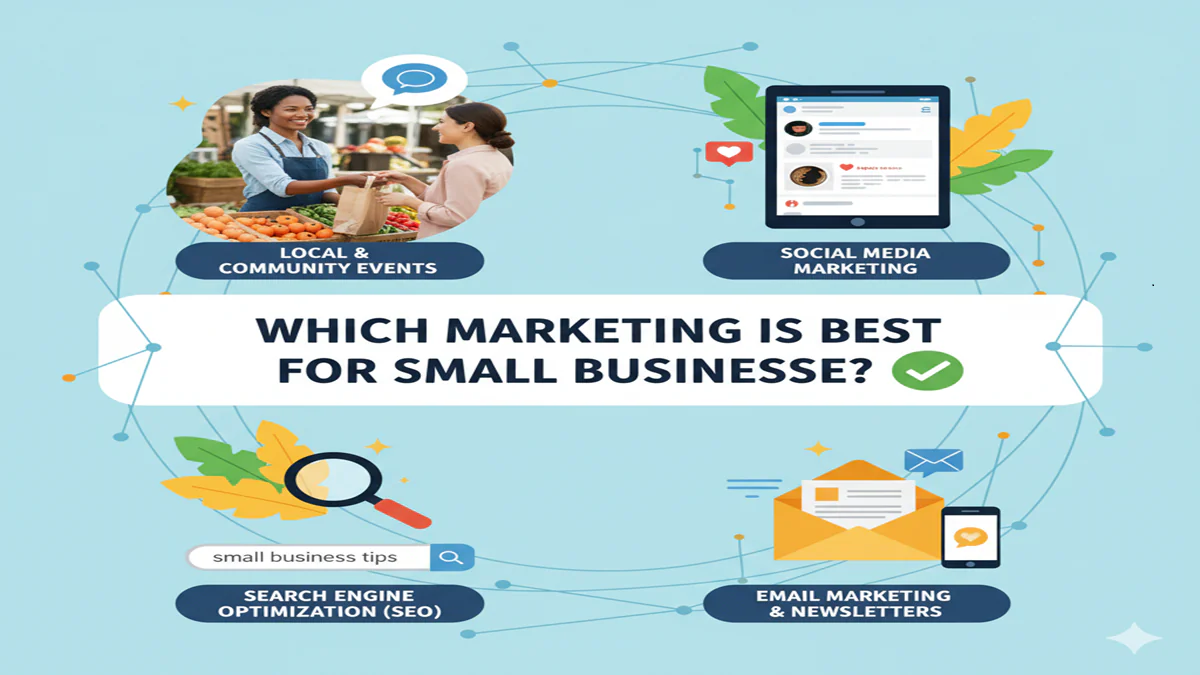
In today’s competitive landscape, small businesses face unique challenges when it comes to marketing their products and services. With limited budgets and resources, choosing the right marketing strategies can significantly impact their growth and success. This article explores various marketing options available to small businesses, from traditional approaches like print advertising to modern digital techniques such as social media and content marketing. By understanding the strengths and weaknesses of each strategy, small business owners can tailor their marketing efforts to effectively engage their target audience and achieve their business goals.
Understanding the Unique Needs of Small Businesses
Defining Your Target Audience
To effectively market your business, you need to know who you’re talking to. Identifying your target audience means understanding their age, interests, and where they hang out (online or in person). Create customer personas—fictitious characters that represent your ideal customers—to guide your marketing efforts. The more specific you are, the better your messaging will resonate and convert!
Budget Constraints and Resource Allocation
Let’s face it, small businesses don’t often have the luxury of deep pockets. Understanding your budget constraints is crucial. Prioritize your spending on marketing tactics that yield the highest return on investment (ROI). Allocate resources wisely: sometimes a little finesse in the right area can create more impact than overspending on a flashy campaign.
Measuring ROI in Small Business Marketing
Establish clear metrics to evaluate your marketing efforts—think sales, leads generated, or website traffic. Use tools like Google Analytics to track progress and adjust your strategies accordingly. Remember, in the world of small businesses, every penny counts, so knowing what delivers results is paramount!
Traditional Marketing Strategies: Pros and Cons
Print Advertising: Flyers, Brochures, and More
Print advertising can be a tangible way to reach your audience; think flyers and brochures effectively placed in local spots. The pros? People can hold it in their hands and it can create lasting impressions. The cons? It can be pricier and harder to measure than digital methods. Plus, if you don’t target your distribution, you might end up with a stack of glossy paper gathering dust in your storage room.
Networking and Community Events
Getting out there and meeting people is where networking shines. Community events allow for real connections and relationship-building. The pros? Personal interactions can lead to referrals and partnerships. However, the cons include time investment and the occasional awkward small talk. Just remember, networking is about building relationships—not just trading business cards!
Direct Mail Campaigns
Direct mail campaigns can cut through the digital noise and land right in someone’s mailbox. The pros? They can be highly targeted, resulting in higher engagement rates. On the flip side, they can be costly and take time to design, print, and send. Plus, they run the risk of being tossed in the recycling bin faster than you can say “junk mail.”
Digital Marketing: An Overview for Small Businesses
Understanding SEO Basics
Search Engine Optimization (SEO) might sound like marketing wizardry, but at its core, it’s about getting your website to show up on Google when someone searches for what you offer. Use relevant keywords, optimize your site structure, and ensure your content is valuable. Remember, SEO is a long game—results may not show overnight, but patience can pay off big time!
Pay-Per-Click Advertising Explained
The beauty of PPC is that you only pay when someone clicks on your ad, which can lead to highly targeted traffic. The downside? If you’re not careful, you could burn through your budget faster than you can say “clickbait.” Do your research, set clear goals, and monitor performance.
Webinars and Online Workshops as Marketing Tools
Hosting webinars and online workshops can position you as an expert in your field while engaging your audience. The pros? You can reach a wider audience and build trust through valuable content. The potential cons? If not executed well, they can flop, leaving you chatting with a handful of crickets. Plan thoroughly, promote effectively, and deliver great content!
Social Media Marketing: Choosing the Right Platforms
Identifying the Right Social Media Channels
Not all social media platforms are created equal! Where you share your content depends on your target audience. For instance, if you’re targeting millennials, Instagram might be your playground, but if you’re after professionals, LinkedIn could be your best bet. Focus your efforts where your audience hangs out to maximize engagement.
Creating Engaging Content for Social Media
Creating content that captures attention is an art form. Use visuals, storytelling, and authentic engagement to create posts that resonate. Don’t just sell—share tips, behind-the-scenes glimpses, and fun facts! Mix it up to keep your audience interested. And remember, consistency and authenticity are your best friends in the social media world.
Measuring Social Media Success
To know if your social media efforts are paying off, track key metrics like engagement rates, follower growth, and conversions. Tools like Facebook Insights or Hootsuite can help you analyze your performance. Don’t forget to adjust your strategy based on what the data tells you—think of it as a road map guiding you to where your audience wants you to be!
Content Marketing: Building Relationships Through Valuable Content
Content marketing is like the best first date ever—it’s all about showcasing your personality without asking for anything in return. By providing valuable, relevant content, you foster relationships that can turn into loyal customers. Think of it as a long-term game; you’re planting seeds that will grow into beautiful brand trees, not just chasing a quick sale.
Blogging as a Marketing Tool
Blogging is the quirky uncle of content marketing—often overlooked but packed with potential. Regular blog posts can drive traffic to your site, establish your expertise, and enhance your SEO. Plus, who doesn’t appreciate some well-placed humor or helpful tips? Whether you’re sharing how-to guides, industry insights, or even a heartfelt story about your business journey, a blog lets your personality shine through. And bonus: it’s a great excuse to break out your thesaurus!
Video Marketing: Engaging Your Audience
Video marketing is like the cool kid in school—everyone wants to be friends with them! Engaging and dynamic, videos can convey your message faster and more effectively than plain text. Whether it’s a behind-the-scenes look at your business, product demos, or customer testimonials, videos can capture attention and evoke emotions. Plus, with platforms like YouTube and TikTok, your video content can reach audiences you never knew existed—hello, new fans!
Utilizing Infographics and Visual Content
Infographics are the delicious eye candy of the content world. They present complex information quickly and clearly, making it easier for your audience to digest. Think graphs, charts, and illustrations that can break down anything from how your product works to market trends. When designed well, visual content can be shared widely, increasing your reach and boosting your brand visibility. Plus, let’s face it: we all love a good infographic more than a wall of text!
Email Marketing: Strategies for Effective Engagement
Email marketing is like the trusty sidekick of small business marketing—it’s reliable, cost-effective, and can really pack a punch when done right. Building and maintaining contact through emails allows you to nurture leads efficiently. Think of it as staying connected with the people who already love you, rather than shouting into the void.
Building an Email List from Scratch
Building an email list is like collecting friends; you want quality over quantity! Start by creating valuable lead magnets that entice visitors to subscribe—free ebooks, discounts, or exclusive content work wonders. Don’t forget to utilize your social media platforms and website to encourage sign-ups. The key is to make your list feel like an exclusive club; who doesn’t like a little VIP treatment?
Crafting Compelling Email Campaigns
Your emails should feel like cozy chats, not corporate memos. Craft compelling subject lines that pique curiosity and personalize your messages to make subscribers feel special. Remember to keep it concise and engaging—no one has time for a novel in their inbox! Including interactive elements, such as polls or quizzes, can spice things up and keep your audience excited about opening your emails.
Segmentation and Personalization Techniques
Segmentation is like organizing your sock drawer—much more efficient! By dividing your email list into specific segments based on customer behavior or demographics, you can tailor messages to the right people. Personalization can go beyond just using their name; send targeted offers based on their past purchases or interests. It’s about showing your subscribers that you understand them—because, let’s face it, we all appreciate a little personal touch!
Local Marketing: Targeting Your Community
Local marketing is like being the neighborhood superhero. By targeting your marketing efforts to your immediate community, you can build a loyal customer base that not only enjoys your products but also feels a sense of connection to your brand. It’s all about showing up and being part of your local scene!
The Importance of Local SEO
Local SEO is your secret weapon for standing out in the search results. By optimizing your website with local keywords, meta tags, and even the right Google My Business profile, you can ensure that customers in your area find you first. Think of it as a digital map leading customers straight to your door—complete with a flashing neon sign that says, “We’re awesome!”
Leveraging Google My Business
Google My Business is like having a digital business card that everyone can see—free advertising at its finest! By keeping your profile updated with accurate information, engaging customer photos, and positive reviews, you can enhance your online visibility and attract local customers. Plus, it’s a great way to showcase what makes your business special—like that time you donated to the local animal shelter or hosted a community event!
Community Partnerships and Sponsorships
Building partnerships with local organizations is a win-win. Consider sponsoring local events, teams, or charities to boost your visibility while supporting your community. Whether it’s donating goods for a charity raffle or sponsoring the local soccer team, these connections can create goodwill and positive buzz around your brand. Plus, who doesn’t want to be known as the friendly local business that gives back?
Measuring Success: Key Metrics for Small Business Marketing
Measuring your marketing success is like taking your business’s temperature—essential for understanding how things are going. By tracking the right metrics, you can identify what’s working, what’s not, and where to invest more energy.
Understanding Key Performance Indicators (KPIs)
KPIs are your marketing GPS. They help you navigate toward your goals by providing measurable indicators of success. Whether it’s website traffic, conversion rates, or social media engagement, knowing your KPIs allows you to adjust your strategy as needed. Remember, the only metric that matters is the one that aligns with your business objectives—so track wisely!
Tools for Tracking Marketing Performance
There are plenty of tools out there to help you track your marketing performance—think of them as your trusty sidekicks in the battle for insights. Google Analytics, social media insights, and email marketing dashboards can all provide valuable data. Use these tools to analyze trends, audience behavior, and campaign effectiveness, allowing you to make informed decisions. Because who doesn’t want to be the Sherlock Holmes of their marketing strategy?
Adjusting Strategies Based on Analytics
Analytics are only useful if you actually do something with them—like eating the pizza instead of just staring at it! Use the insights you gather to pivot your strategies as needed; if something isn’t working, don’t be afraid to switch gears. Stay flexible and open to change, because marketing is all about experimentation and finding what resonates best with your audience. So go ahead, try new things, and don’t be afraid to take risks!
In conclusion, selecting the best marketing strategies for small businesses requires careful consideration of their specific needs, target audience, and available resources. By exploring a mix of traditional and digital approaches, small business owners can create a well-rounded marketing plan that resonates with customers and fosters growth. As the marketing landscape continues to evolve, staying adaptable and informed will be key to achieving long-term success.
Frequently Asked Questions
Is social media marketing necessary for small businesses?
While not mandatory, social media marketing is highly beneficial for small businesses as it allows them to connect with customers, build brand awareness, and promote their products or services in a cost-effective manner.
How often should small businesses update their marketing strategies?
Small businesses should regularly review and update their marketing strategies, ideally on a quarterly or bi-annual basis, to adapt to changing market conditions, customer preferences, and emerging trends.