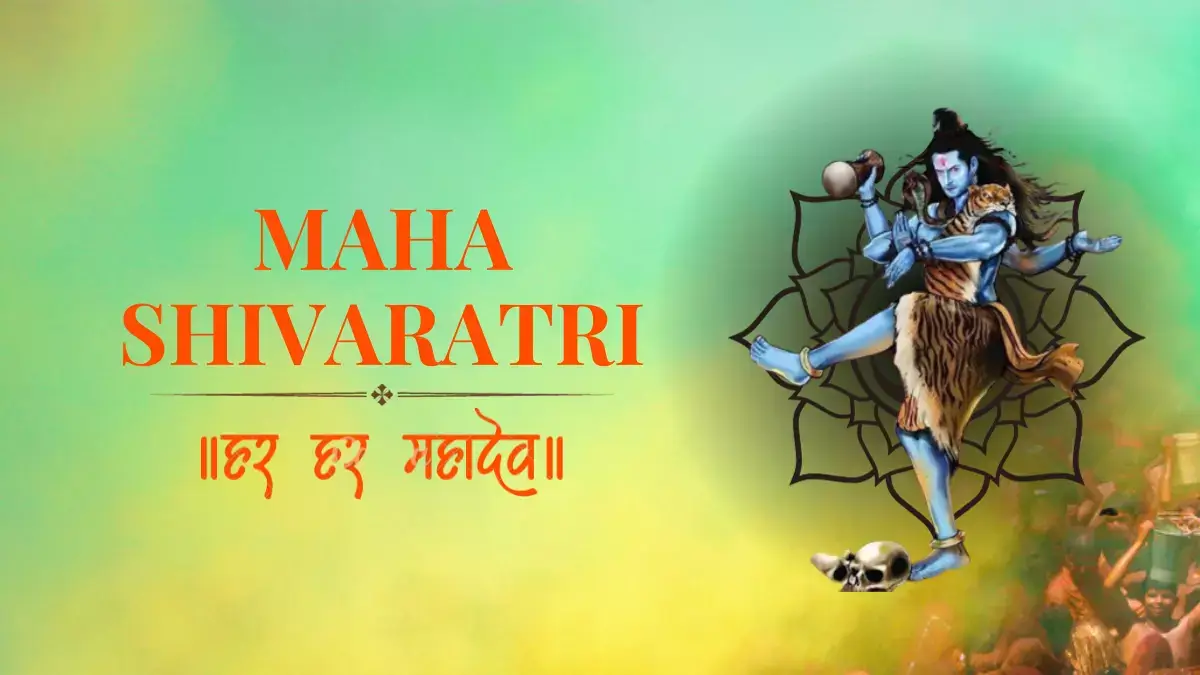

Mahashivratri 2026 Puja Vidhi: A Complete Step-by-Step Guide with Samagri List
Date in 2026:Thursday, February 12, 2026 (Based on traditional Hindu calendar calculations)
Introduction: The Significance of Mahashivratri
Mahashivratri, the “Great Night of Shiva,” is one of the most significant festivals in Hinduism, dedicated to Lord Shiva, the destroyer and regenerator within the Holy Trinity. In 2026, this powerful spiritual occasion falls on Thursday, February 12th, offering devotees a profound opportunity for spiritual elevation, self-discipline, and divine connection.
Unlike most Hindu festivals celebrated with daytime festivities, Mahashivratri is observed through a night-long vigil, fasting, meditation, and worship. The planetary alignment on this night is believed to create a natural upsurge of energy, making it especially conducive for spiritual practices. Devotees stay awake through the night, performing Abhishekam (ritual bathing of Shiva Linga), chanting mantras, and offering prayers to seek Shiva’s blessings for liberation (moksha), wisdom, and the dissolution of ignorance.
This comprehensive guide will walk you through the traditional Mahashivratri puja vidhi (ritual procedure) with detailed steps and a complete samagri (materials) list, enabling you to perform a meaningful worship at home or in a temple setting.
Part 1: Preparations for Mahashivratri 2026
Spiritual and Mental Preparation
Mahashivratri is not merely a ritual but a spiritual journey. Begin your preparations at least three days in advance with:
- Physical Purification:Maintain cleanliness, eat sattvic (pure) foods, and observe celibacy if possible.
- Mental Preparation:Engage in meditation, self-reflection, and study of Shiva scriptures.
- Setting Intentions:Clarify your spiritual goals—whether seeking knowledge, peace, dissolution of karma, or divine connection.
Preparing the Puja Space
- Clean Thoroughly:Clean your home and puja area on February 11th, 2026.
- Create an Altar:Set up a clean platform facing North-East (Ishanya corner) or East.
- Install Shiva Linga:Place a Shiva Linga (stone, crystal, or clay) at the center. If unavailable, a Shiva image or yantra is acceptable.
- Arrange Deities:Place idols/pictures of Goddess Parvati, Lord Ganesha, and Lord Kartikeya alongside Shiva if available.
- Sacred Kalash:Fill a copper or silver pot with water, place mango leaves on top, and cover with a coconut.
Part 2: Complete Samagri (Materials) List for Mahashivratri Puja
Essential Items
- Shiva Linga(or idol/picture of Lord Shiva)
- Panchamrit Ingredients:
- Milk (1 liter)
- Fresh yogurt/curd (1 cup)
- Ghee (clarified butter, ½ cup)
- Honey (½ cup)
- Sugar (½ cup)
- Sacred Waters:
- Gangajal (Ganges water) or clean water
- Rose water
- Abhishekam Items:
- Water
- Milk
- Yogurt
- Honey
- Ghee
- Sugarcane juice
- Coconut water
- Bilva Patra (Bel leaves)– 108 or 1008 leaves if possible
- Dhatura flowers/fruits(if available)
- Aak leaves(if available)
- Other Flowers:White, red, or purple flowers, especially Lotus, Jasmine, Marigold
- Sandalwood paste/powder
- Incense sticks(dhoop/agarbatti)
- Oil lamps(diyas) with ghee or oil
- Camphor(kapoor)
- Clothfor Shiva Linga (preferably white, red, or tiger print)
- Janeu(sacred thread)
Fruits and Food Offerings
- Fruits:Ber (jujube), wood apple, pomegranate, banana, coconut
- Sweets:Laddu, peda, fruits
- Bhang(if traditionally used in your family and regionally legal)
- Dry fruits:Almonds, walnuts, dates
Ritual Items
- Copper/silver vesselfor offering water
- Panchapatra(small vessel) and spoon
- Bell
- Chaurang(small wooden stool) for puja
- Asana(mat) for sitting
- Rudraksha mala(prayer beads)
Additional Items for Special Rituals
- For Maha Mrityunjaya Mantra Japa:Rudraksha rosary
- For Yajna/Havan:Havan samagri, firewood, ghee
- For Fasting:Samak rice, fruits, milk, rock salt (sendha namak)
Part 3: Step-by-Step Puja Vidhi for Mahashivratri 2026
Step 1: Sankalpa (Taking the Vow)
Time: Begin at sunset on February 12th, 2026
- Sit facing East or North on your asana.
- Hold water in your right palm, close your eyes, and recite:”Mamopatta samasta durita kshaya dwara Shri Parameshvara prityartham
Shri Mahashivaratri vratam karishye.” - Release the water to the ground gently.
Step 2: Establishing the Deities and Purification
- Place the Shiva Linga on the chaurang.
- Perform Achamana: Sip water three times from the base of your palm while chanting “Om Keshavaya Namah,” “Om Narayanaya Namah,” “Om Madhavaya Namah.”
- Sprinkle water around the puja area for purification.
- Light the lamp and incense.
Step 3: Shiva Linga Abhishekam (Ritual Bath)
Perform this at each of the four Prahars (night watches) if possible:
- First Prahar:6 PM – 9 PM
- Second Prahar:9 PM – 12 AM
- Third Prahar:12 AM – 3 AM
- Fourth Prahar:3 AM – 6 AM
Procedure for each Abhishekam:
- Start with Water:Pour plain water or Gangajal over Shiva Linga while chanting “Om Namah Shivaya.”
- Panchamrit Abhishekam:Bathe the Linga with each component of Panchamrit (milk, yogurt, ghee, honey, sugar) individually.
- For milk: “Om Somaya Namah”
- For yogurt: “Om Amriteshaya Namah”
- For ghee: “Om Vedaya Namah”
- For honey: “Om Madhavaya Namah”
- For sugar: “Om Shanmukhaya Namah”
- Sacred Water Abhishekam:Offer rose water, coconut water, and sugarcane juice.
- Final Water Rinse:Cleanse with plain water.
- Wipe the Linga gently with a clean cloth.
Step 4: Decoration and Offerings (Shodashopachara Puja)
- Apply Sandalwood paste:Three horizontal lines (Tripundra) on Shiva Linga.
- Offer Flowers:Place Bilva leaves (most important) and other flowers while chanting:”Om Tryambakam Yajamahe Sugandhim Pushtivardhanam
Urvarukamiva Bandhanan Mrityor Mukshiya Maamritat.” - Offer Fruits and Sweets
- Light the camphorand perform Aarti clockwise three times.
- Ring the bellduring Aarti.
Step 5: Mantra Japa and Meditation
- Chant the following mantras throughout the night:
- Basic Mantra:“Om Namah Shivaya” (108 or 1008 times)
- Mahamrityunjaya Mantra:For healing and protection
- Shiva Chalisa or Shiva Ashtakam
- Meditateon Shiva’s form or the Jyotirlinga during quiet periods.
- Listen to or singShiva bhajans and stotrams.
Step 6: Fasting Observance
- Nirjala Vrat:Strictest fast without food or water
- Phalahar Vrat:Consuming only fruits and milk
- Sattvic Vrat:One meal of root vegetables and non-cereal foods
- Breaking the Fast:On February 13th morning after bathing and performing morning puja. First offer food to Shiva, then consume fruits or a simple meal.
Step 7: Parana (Breaking the Fast)
On February 13th, 2026 morning:
- Perform morning puja with simple Abhishekam.
- Offer cooked food (if you observed phalahar) to Shiva.
- Donate food, clothes, or money to the needy.
- Break your fast between sunrise and before the end of Chaturdashi tithi (check local timings).
Part 4: Special Rituals for Mahashivratri 2026
1. Four Prahar Puja Significance
Each Prahar (3-hour period) has specific significance:
- First Prahar:Represents Tamas (ignorance) – pray for removal of darkness
- Second Prahar:Represents Rajas (activity) – pray for positive energy
- Third Prahar:Represents Sattva (purity) – pray for spiritual enlightenment
- Fourth Prahar:Represents Turiya (transcendence) – meditate on formless Shiva
2. Special Mantras for 2026
Given that 2026 is a normal year in the Hindu calendar (no extraordinary planetary combinations noted), focus on:
- Rudri Pathfrom Shiva Purana
- Laghunyasafrom Rudram Chamakam
- Shiva Panchakshara Stotram
3. Community Participation
- Visit Shiva temples for special night-long ceremonies
- Participate in group chanting (satsang)
- Join virtual pujas if unable to visit temples
Part 5: Common Mistakes to Avoid
- Using Withered Bilva Leaves:Always use fresh, three-leafed Bilva.
- Neglecting Purity:Maintain physical and mental purity throughout.
- Breaking the Fast Early:Wait until the prescribed time on February 13th.
- Skipping Charity:Donation (Daan) is integral to the observance.
- Sleeping Through the Night:The vigil (jaagaran) is essential for benefits.
FAQs: Mahashivratri 2026 Puja
Q1: What is the most auspicious time for Shiva Puja on Mahashivratri 2026?
A: While puja should be performed throughout the night, the Nishita Kaal (midnight period) from approximately 12:07 AM to 1:00 AM on February 13th, 2026, is considered most potent for Linga Abhishekam as this is when Shiva manifested as the Linga of light. However, all four Prahars have significance, and consistent worship through the night yields maximum spiritual benefits.
Q2: Can I perform Mahashivratri puja without a Shiva Linga?
A: Yes, you can use a Shiva idol, picture, or even a natural stone symbolizing Shiva. You can also draw a Shiva Yantra or use a Kalash (pot) representing the Linga. The most important aspect is devotion (bhava), not the physical form. If using alternatives, mentally invoke Shiva’s presence before beginning puja.
Q3: What if I cannot stay awake all night due to health reasons?
A: Shiva values sincere devotion over rigid observance. If health prevents all-night vigil, you may:
- Observe the fast during daylight hours
- Perform puja at sunset and sunrise
- Chant Shiva mantras before sleeping
- Have a family member continue the puja
- Listen to Shiva chants while resting
Q4: What should be done with the Abhishekam materials after puja?
A: All Abhishekam materials become prasad (sanctified offerings). Distribute Panchamrit and fruits as prasad to family. Water from Abhishekam should be poured at the base of a tree (preferably Bilva or Peepal) or in your garden. Never discard in undignified places. Flowers can be placed in flowing water or beneath trees.
Q5: How can working professionals observe Mahashivratri with limited time?
A: Even with limited time, you can:
- Observe a simple fast (fruit or milk only)
- Perform a condensed puja morning and evening
- Chant “Om Namah Shivaya” during breaks
- Listen to Shiva mantras while working
- Visit a temple during lunch break or after work
- Donate to a Shiva temple or needy person
- Maintain a sattvic diet and thoughts throughout the day
Conclusion: Embracing the Shiva Consciousness
Mahashivratri 2026 offers a powerful portal for spiritual transformation. Beyond the rituals and procedures, the essence lies in internalizing Shiva’s qualities—detachment, compassion, destruction of ignorance, and benevolent power. Whether you perform elaborate rituals or simple heartfelt prayers, what matters most is the sincerity of your devotion and your commitment to personal transformation.
As you prepare for this sacred night, remember that Shiva represents the consciousness that witnesses all without attachment. Your Mahashivratri observance is an opportunity to touch that witness consciousness within yourself, to dissolve the limitations of ego, and to awaken to your true nature.
May your Mahashivratri 2026 be filled with divine blessings, profound peace, and spiritual awakening. Om Namah Shivaya!
Note: This guide follows traditional practices. Regional variations exist, so you may incorporate family or local traditions. Consult with local priests or knowledgeable elders for specific community practices. All timings mentioned are approximate; check precise local timings for February 12-13, 2026, as the date approaches.