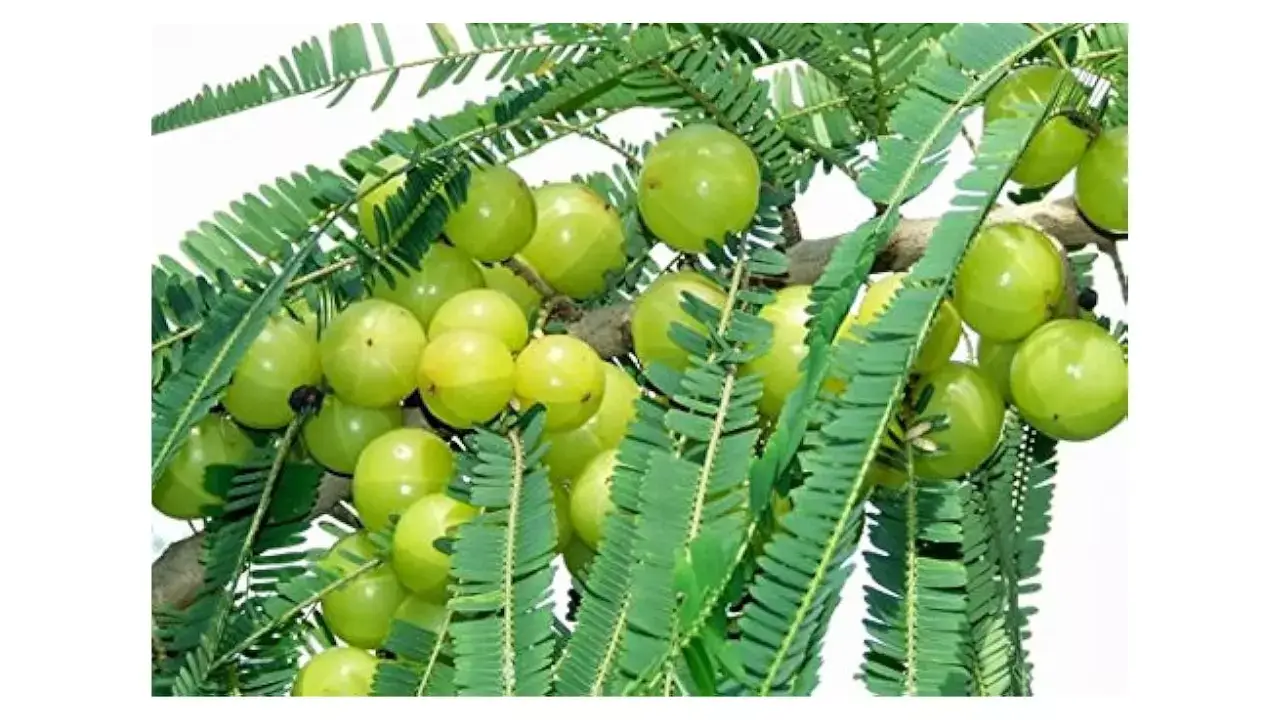
Introduction to Indian Gooseberry
Indian Gooseberry, also known as “Amla” in Hindi, is a small green fruit that has been cherished for its incredible health benefits and medicinal properties for centuries. This tangy and nutrient-rich fruit is native to the Indian subcontinent and has been an integral part of traditional Ayurvedic medicine.
Indian Gooseberry is highly regarded for its high vitamin C content, potent antioxidants, and various other essential nutrients. In this article, we will delve into the nutritional profile, health benefits, traditional uses, culinary applications, cultivation methods, and commercial potential of Indian Goose-berry, shedding light on this remarkable fruit’s versatility and significance in various aspects of life.
Indian Gooseberry: The Superfruit You Need in Your Life
Introduction to Indian Gooseberry
What is Indian Gooseberry?
Indian Goose-berry, also known as Amla, is a small, green fruit native to the Indian subcontinent. It is renowned for its numerous health benefits and has been used in traditional Ayurvedic medicine for centuries. The fruit is tart and slightly bitter, but don’t let that deter you – the benefits are worth it!
Historical Significance
Indian Goose-berry holds a special place in Ayurvedic medicine and Indian culture. It has been mentioned in ancient texts as a powerful rejuvenator and healer. In fact, it is considered one of the three most important herbs in Ayurveda, alongside turmeric and ginger. Its reputation as a potent medicinal fruit has stood the test of time and continues to captivate health enthusiasts today.
Nutritional Profile of Indian Gooseberry
Vitamins and Minerals
Indian Goose-berry is a nutritional powerhouse. It is packed with vitamin C, containing more of it than most citrus fruits. It is also a good source of vitamins A, B, and E, as well as minerals like calcium, iron, and potassium. Adding this fruit to your diet can help give your body a much-needed vitamin boost!
Antioxidants and Phytochemicals
Antioxidants are all the rage nowadays, and Indian Goose-berry has them in abundance. These powerful compounds help protect the body against free radicals and oxidative stress. Indian Goose-berry also contains phytochemicals like flavonoids and polyphenols, which have anti-inflammatory and anti-cancer properties. It’s like a superhero in fruit form!
Health Benefits of Indian Gooseberry
Boosting Immunity
Say goodbye to those frequent colds and sniffles! Indian Goose-berry is renowned for its immune-boosting properties. With its high vitamin C content, it enhances the production of white blood cells, strengthening your body’s defense against infections. It’s the ultimate shield for your immune system!
Improving Digestive Health
If you suffer from digestive issues, Indian Goose-berry is here to save the day. Its natural fiber content aids in digestion, prevents constipation, and promotes regular bowel movements. It also helps in the absorption of nutrients, ensuring your body gets the most out of what you eat. Your gut will thank you!
Enhancing Skin and Hair Health
Who doesn’t dream of flawless skin and lustrous hair? Indian Goose-berry can help make those dreams a reality. Its antioxidants and vitamin C promote collagen production, keeping your skin firm and youthful. Additionally, it strengthens hair follicles, promotes hair growth, and reduces dandruff.
Traditional Uses of Indian Gooseberry in Ayurveda
Ayurvedic Principles
In Ayurveda, Indian Goose-berry is considered a balancing fruit that works on all three doshas – Vata, Pitta, and Kapha. Its cooling properties help soothe inflammation, while its rejuvenating effects promote overall vitality and well-being. Ayurveda recognizes the power of this fruit in bringing harmony to the body and mind.
Ayurvedic Formulations and Remedies
Indian Goose-berry is a key ingredient in various Ayurvedic formulations and remedies. It is used in tonics, powders, and oils to address a wide range of health concerns. From supporting liver function to enhancing brain health, Ayurvedic practitioners have explored the potential of Indian Goose-berry in countless ways. It truly is a versatile fruit! So, don’t let the tangy taste scare you away. Embrace the incredible benefits of Indian Goose-berry and give your health a delicious boost. Whether you incorporate it in your diet or explore Ayurvedic remedies, this superfruit is sure to leave a lasting impression. Cheers to good health and a happy palate!
Culinary and Culinary Uses of Indian Gooseberry
Traditional Indian Cuisine
Indian cuisine is known for its vibrant flavors and incorporation of various spices and ingredients. Indian gooseberry, also known as amla, holds a special place in traditional Indian cooking. Its tangy and slightly bitter taste adds a unique dimension to many dishes. Amla is often used in pickles, chutneys, and curries, providing a delightful tartness that enhances the overall flavor profile.
Sweet and Savory Recipes
Apart from being a popular ingredient in traditional Indian cuisine, Indian gooseberry can also be used to create delicious sweet and savory dishes. Its natural tartness pairs wonderfully with sweet flavors, making it a great addition to desserts, jams, and jellies. You can also experiment with adding amla to salads, smoothies, and even cocktails for a refreshing twist.
Growing and Harvesting Indian Gooseberry
Climate and Soil Requirements
Indian gooseberry thrives in warm and tropical climates, making it suitable for growing in regions like India, Southeast Asia, and parts of Africa. It prefers well-draining soil with a pH level between 5.5 and 7.
Planting and Care
To grow Indian gooseberry, start by planting the seeds or saplings in a sunny spot with good air circulation.
Pruning can also be done to maintain the desired shape and size of the plant.
Harvesting and Storage
Indian gooseberries are typically ready for harvest in the winter months. They can be harvested when they have reached a firm, greenish-yellow color. To extend their shelf life, store them in a cool and dry place. Alternatively, you can also freeze the berries for later use.
Commercial and Industrial Applications of Indian Gooseberry
Health and Wellness Products
As a result, it is a popular ingredient in various health and wellness products like dietary supplements, herbal medicines, and herbal teas.
Cosmetics and Skincare
The rejuvenating properties of Indian gooseberry have made it a sought-after ingredient in the cosmetics and skincare industry. Its high vitamin C content helps promote healthy skin, while its antioxidant properties assist in fighting free radicals that cause premature aging. You can find amla in facial serums, moisturizers, and hair care products.
Food and Beverage Industry
Indian gooseberry’s unique taste and nutritional value have also made it a favored ingredient in the food and beverage industry. It can be found in a range of products, including amla juice, candy, jams, and even alcoholic beverages. Its tartness and versatility offer a refreshing and distinctive flavor to various food and drink creations.
Conclusion and Future Potential of Indian Gooseberry
Indian gooseberry, with its culinary uses, health benefits, and commercial applications, has emerged as a versatile and valuable ingredient. Its tangy taste adds a zing to traditional Indian dishes, while its medicinal properties have attracted attention in the health and wellness sector. As research continues, we may discover even more potential uses for this remarkable fruit. So, go ahead and embrace the vibrant world of Indian gooseberry, and let it spice up your culinary adventures and wellbeing pursuits!
Conclusion and Future Potential of Indian Gooseberry
In conclusion, Indian Gooseberry, or Amla, is a truly remarkable fruit that offers an array of health benefits and traditional uses. From boosting immunity to improving digestive health and enhancing skin and hair health, this fruit has been valued for its potent medicinal properties for centuries. Additionally, Indian Gooseberry holds great potential in the culinary and commercial sectors,
with its versatile applications in various industries. As we continue to explore and understand the numerous benefits and possibilities of Indian Gooseberry, it is evident that this humble fruit has a bright future ahead. Whether enjoyed fresh, incorporated into recipes, or used in health and wellness products, Indian Gooseberry is a treasure that enriches our lives in more ways than one.
Maya was known for her insatiable curiosity and her love for nature. She spent her days exploring the forests, discovering hidden treasures, and learning about the wonders of the world. One day, while wandering through the woods, she stumbled upon a peculiar tree with vibrant green fruits hanging from its branches. Intrigued, Maya plucked one of the fruits and took a bite. It was the Indian gooseberry, also known as Amla.
To her surprise, Maya found herself filled with an incredible burst of energy. Excited by this newfound power, she decided to share the Indian -gooseberry’s magic with her village. Maya gathered as many fruits as she could carry and rushed back to her home.
Word quickly spread about the magical Indian- gooseberry, and soon the entire village was buzzing with excitement. People from far and wide flocked to Maya’s house, eager to taste the fruit that promised boundless energy. Maya, being the kind-hearted soul she was, happily shared the Indian gooseberries with everyone.
As the villagers consumed the Indian gooseberries, they too experienced the surge of energy that Maya had felt. Suddenly, the village was alive with laughter, music, and dancing. People who had once been tired and weary now felt rejuvenated and full of life. The Indian -gooseberry had brought a wave of joy and vitality to the village.
But Maya soon realized that the Indian -gooseberry’s magic was not just limited to physical energy. It also had the power to heal. One day, an elderly woman named Leela approached Maya, her face etched with pain. Leela had been suffering from a chronic illness for years, and no medicine had been able to provide her relief.
Moved by Leela’s plight, Maya handed her an Indian gooseberry. Leela hesitated at first, unsure of its healing properties. However, she trusted Maya’s judgment and took a bite. To her astonishment, the pain that had plagued her for so long began to fade away. The Indian gooseberry had worked its magic once again, this time bringing healing and relief.
News of Leela’s miraculous recovery spread like wildfire, and soon people with various ailments began seeking out Maya and the Indian- gooseberry. Maya became a healer, using the fruit’s powers to bring comfort and hope to those in need. The village became renowned for its magical Indian gooseberries, attracting visitors from far and wide.
As the years passed, Maya’s village flourished. The Indian gooseberry became a symbol of hope, strength, and healing. People would often say, “If you seek energy, eat an Indian gooseberry. If you seek healing, find Maya.”
Maya’s story traveled across the land, reaching the ears of a wise king. Intrigued by the tales of the Indian gooseberry’s magic, he invited Maya to his palace. Maya, now a wise woman herself, accepted the king’s invitation and brought with her a basket full of Indian gooseberries.
Impressed by Maya’s wisdom and the power of the Indian gooseberry, the king declared that the fruit would be cherished and protected. He ordered the planting of Indian gooseberry trees throughout his kingdom, ensuring that its magic would be available to all.
And so, the Indian gooseberry’s legacy continued to grow, spreading its magic far and wide. Maya’s village became a place of pilgrimage, where people would come to seek the fruit’s blessings. And Maya, the master storyteller, continued to share the tale of the Indian gooseberry, reminding everyone of the power of nature and the wonders it holds.
Maya was known for her insatiable curiosity and her love for nature. She spent her days exploring the forests, discovering hidden treasures, and learning about the wonders of the world. One day, while wandering through the woods, she stumbled upon a peculiar tree with vibrant green fruits hanging from its branches. Intrigued, Maya plucked one of the fruits and took a bite. It was the Indian gooseberry, also known as Amla.
To her surprise, Maya found herself filled with an incredible burst of energy. Excited by this newfound power, she decided to share the Indian gooseberry’s magic with her village. Maya gathered as many fruits as she could carry and rushed back to her home.
Word quickly spread about the magical Indian gooseberry, and soon the entire village was buzzing with excitement. People from far and wide flocked to Maya’s house, eager to taste the fruit that promised boundless energy. Maya, being the kind-hearted soul she was, happily shared the Indian gooseberries with everyone.
As the villagers consumed the Indian gooseberries, they too experienced the surge of energy that Maya had felt. Suddenly, the village was alive with laughter, music, and dancing. People who had once been tired and weary now felt rejuvenated and full of life. The Indian gooseberry had brought a wave of joy and vitality to the village.
But Maya soon realized that the Indian gooseberry’s magic was not just limited to physical energy. It also had the power to heal. One day, an elderly woman named Leela approached Maya, her face etched with pain. Leela had been suffering from a chronic illness for years, and no medicine had been able to provide her relief.
Moved by Leela’s plight, Maya handed her an Indian gooseberry. Leela hesitated at first, unsure of its healing properties. However, she trusted Maya’s judgment and took a bite. To her astonishment, the pain that had plagued her for so long began to fade away. The Indian gooseberry had worked its magic once again, this time bringing healing and relief.
News of Leela’s miraculous recovery spread like wildfire, and soon people with various ailments began seeking out Maya and the Indian gooseberry. Maya became a healer, using the fruit’s powers to bring comfort and hope to those in need. The village became renowned for its magical Indian gooseberries, attracting visitors from far and wide.
As the years passed, Maya’s village flourished. The Indian gooseberry became a symbol of hope, strength, and healing. People would often say, “If you seek energy, eat an Indian gooseberry. If you seek healing, find Maya.”
Maya’s story traveled across the land, reaching the ears of a wise king. Intrigued by the tales of the Indian gooseberry’s magic, he invited Maya to his palace. Maya, now a wise woman herself, accepted the king’s invitation and brought with her a basket full of Indian gooseberries.
Impressed by Maya’s wisdom and the power of the Indian gooseberry, the king declared that the fruit would be cherished and protected. He ordered the planting of Indian gooseberry trees throughout his kingdom, ensuring that its magic would be available to all.
And so, the Indian gooseberry’s legacy continued to grow, spreading its magic far and wide. Maya’s village became a place of pilgrimage, where people would come to seek the fruit’s blessings. And Maya, the master storyteller, continued to share the tale of the Indian gooseberry, reminding everyone of the power of nature and the miracles it can bring into our lives.
FAQ
How can Indian Gooseberry be consumed?
Indian Gooseberry can be consumed in various ways. It can be eaten raw, juiced, or incorporated into recipes such as chutneys, jams, pickles, and desserts. Additionally, Indian Gooseberry is available in powdered or capsule form as a dietary supplement.
What are the potential side effects of consuming Indian Gooseberry?
Indian Gooseberry is generally safe for consumption, but in some cases, excessive intake may cause gastrointestinal discomfort such as diarrhea or stomach cramps. It is advisable to consume Indian Gooseberry in moderation and consult with a healthcare professional if you have any underlying medical conditions or are on medication.
Can Indian Gooseberry be grown in regions outside of India?
While Indian Gooseberry is native to the Indian subcontinent, it can be cultivated in regions with a similar climate, such as tropical and subtropical areas. With proper care and suitable growing conditions, Indian Gooseberry can thrive in different parts of the world.
Are there any alternative uses of Indian Gooseberry?
Apart from its culinary and medicinal applications, Indian Gooseberry finds various alternative uses. It is commonly used in natural hair care products, as its oil or powder helps promote hair growth, reduce dandruff, and enhance scalp health. Indian Gooseberry is also utilized in the manufacturing of herbal cosmetics and skincare products due to its antioxidant and rejuvenating properties.