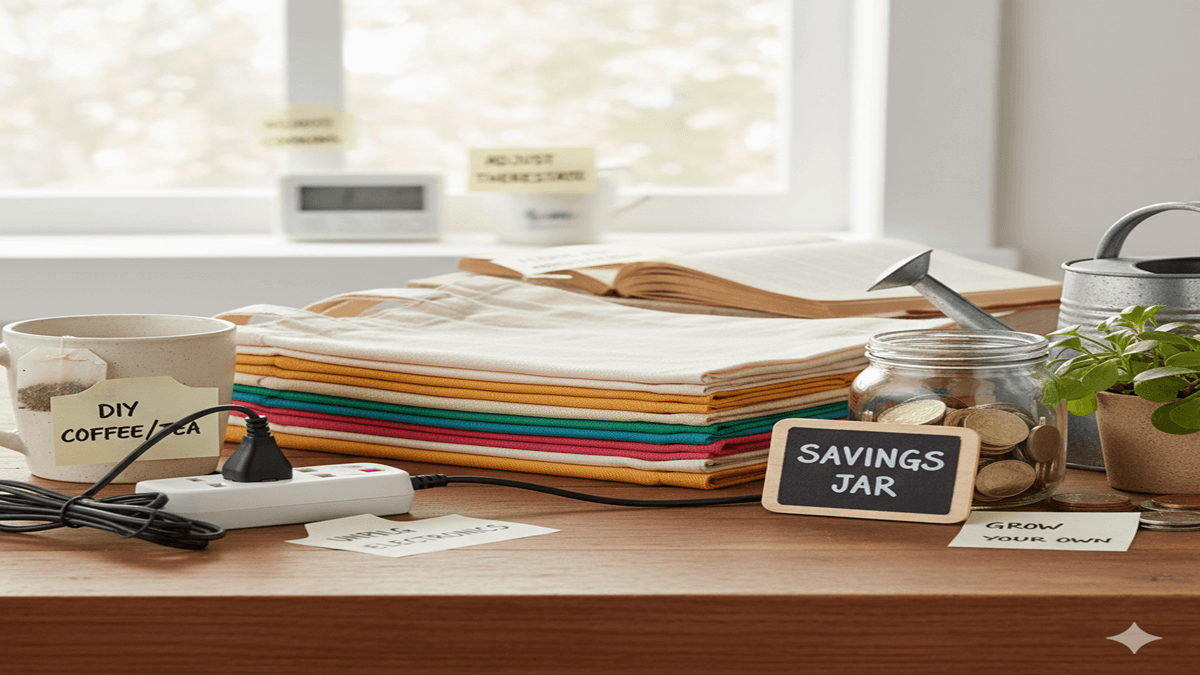
The Quiet Art of Abundance: Simple Money Saving Tips That Transform Homes and Habits
Simple Money Saving Tips At Home In an age of constant financial noise—subscription services, targeted ads, instant delivery, and the subtle pressure to keep up—the concept of saving money can feel overwhelming, even austere. Yet, the most powerful financial transformations often begin not with a dramatic windfall, but with a series of quiet, intentional choices made within the four walls of our own homes. The home is more than a shelter; it’s the headquarters of our financial life, the place where daily habits compound into significant fiscal health or chronic strain.
Saving money at home isn’t about deprivation. It’s about cultivating awareness, reducing waste, and redirecting resources toward what truly matters to you—be that security, freedom, travel, or peace of mind. This guide walks through practical, sustainable strategies across all major household domains, turning your home into an engine of savings.
I. The Philosophy of Home-Centered Savings: Mindset Over Mechanics
Before diving into the tips, a foundational shift is crucial. View your home not as a passive space, but as an active system. Every light switch, faucet, grocery bag, and appliance is part of your personal economy. The goal is conscious consumption—interrogating the necessity, cost, and value of every resource that flows in and out.
- The Audit Principle: You cannot manage what you do not measure. Start with a simple “home energy audit”: for one month, track every utility bill, grocery receipt, and discretionary home spend (like takeout or impulse online purchases for the house). No judgment, just observation. Patterns will emerge—the “vampire” electronics, the food that spoils, the premium brands you buy out of habit.
- The Efficiency Mindset: This isn’t about doing without; it’s about getting more value from less input. It’s applying the principle of “leanness” to domestic life.
- The Sustainability Link: A beautiful side effect of saving money at home is that it almost always aligns with sustainable, less wasteful living. Reducing food waste helps your budget and the landfill.
II. The Energy & Utilities Domain: Taming the Invisible Outflows
Utility bills represent a recurring, often flexible expense. Small changes here yield compound savings.
- Use smart power strips for entertainment centers and home offices. They cut power to peripherals when the main device (TV, computer) is turned off. Simply unplug chargers, small appliances, and game consoles when not in use.
- Embrace LED Alchemy: Swap every incandescent and CFL bulb for LEDs. They use at least 75% less energy and last 25 times longer. The upfront cost is recouped within months.
- Master Your Thermostat: A programmable or smart thermostat is a savings powerhouse. The DOE estimates savings of up to 10% annually by turning your thermostat back 7°-10°F for 8 hours a day from its normal setting. In winter, wear a sweater and set it lower while awake; drop it further at night or when out. In summer, use fans and set the AC higher.
- The Water Whisperer: Water heating accounts for about 18% of home energy use. Take shorter showers. Install low-flow showerheads and faucet aerators (they maintain pressure while using less water). Fix that dripping faucet—one drip per second wastes over 3,000 gallons a year. Wash clothes in cold water; modern detergents are designed for it.
- Appliance Intelligence: Run your dishwasher and washing machine only when full. Air-dry dishes using the “dry” setting’s off button and use a clothesline or drying rack instead of the dryer when possible. Keep fridge coils clean and ensure seals are tight.
The average family throws away nearly $1,500 worth of food annually. The kitchen is ground zero for budgetary transformation.
- The Sacred Ritual of Meal Planning: Plan a week’s meals based on sales flyers, what you already have, and a realistic schedule. Create a detailed shopping list from this plan and stick to it. This single habit slashes impulse buys and food waste.
- Become a Freezer Evangelist: Your freezer is a time machine that stops food waste. Freeze leftovers, bread, ripe fruit for smoothies, bulk meat purchases, and even portions of soups and sauces. Label and date everything.
- Embrace “Ugly” and Bulk: Choose store brands over name brands—the quality is almost always identical. Buy imperfect produce (often discounted). Purchase pantry staples like rice, beans, oats, and spices from bulk bins to save on packaging and buy only what you need.
- Cook with Intention, Repurpose with Creativity: Cook at home. Batch cook staples (grains, roasted veggies, proteins) for easy assembly. See “leftovers” not as boring repeats, but as ingredients. Last night’s roasted chicken becomes today’s chicken salad or tomorrow’s soup. Stale bread becomes croutons or breadcrumbs.
- Redefine Beverages: Bottled water, soda, and daily specialty coffops are budget drains. Invest in a good water filter and a reusable bottle. Brew coffee at home. Make your own iced tea or infused water.
IV. The Home & Household Goods Sphere: Conscious Consumption
We spend vast sums on products to clean, maintain, and decorate our homes. Often, simpler is cheaper and better.
- The DIY Cleaning Cabinet: Commercial cleaners are expensive and full of chemicals. A simple arsenal is more effective: white vinegar (a disinfectant and deodorizer), baking soda (a gentle abrasive), castile soap (an all-purpose cleaner), and some essential oils for scent. You can clean almost anything in your home for pennies.
- Learn basic repair skills—sew a button, fix a loose hem, patch a bike tire, unclog a drain. It saves the cost of replacement or a service call.
- Thrift stores, estate sales, and online marketplaces are treasure troves for furniture and decor. A fresh coat of paint or new hardware can work miracles.
- Rethink Disposables: The cost of paper towels, napkins, plastic wrap, and sandwich bags adds up. Switch to reusable alternatives: cloth napkins, microfiber or cotton cleaning cloths, beeswax wraps, and glass containers for storage.
These automated expenses are the modern-day equivalent of a slow drip.
- The Annual Purge: Audit all subscriptions—streaming services, apps, software, membership boxes, podcasts. Are you using them all? Could you rotate services monthly instead of carrying them all? Cancel anything not providing clear, frequent value.
- Negotiate Fixed Bills: Call your internet, cable, and phone providers. Speak to the retention department, mention competitor offers, and ask for any current promotions. Loyalty is rarely rewarded; polite inquiry often is.
- Leverage Your Library Digitally: Libraries offer free access to e-books, audiobooks (via Libby), movies (via Kanopy), magazines, and often free or discounted museum passes.
VI. Building a Savings Ecosystem: Making it Stick
Knowledge is powerless without implementation. Integrate these tips into your life systematically.
- Start Small: Pick one area (e.g., killing phantom load) or one habit (meal planning) for a month. Master it before adding another. Small wins build momentum.
- Make it Visual: Use a savings thermometer chart. Every time you save money via a home action (e.g., “air-dried laundry: $0.50”), add it to the chart. Watching it grow is motivating.
- Automate the Savings: The money you save isn’t real until it’s captured. Set up an automatic transfer from your checking to a savings or investment account for a portion of your estimated monthly savings. “Pay yourself first” with the money your home is generating.
- Involve the Household: Make it a family challenge. Kids can be energy detectives or help plan meals. Shared goals build teamwork and financial literacy.
Conclusion: The Wealth in Your Walls
True financial resilience is woven from the threads of daily life. By transforming your home from a place of passive spending to a hub of active resource management, you build more than just a savings account. You cultivate mindfulness, reduce environmental impact, and gain a profound sense of self-reliance and control. The path to financial peace isn’t found in a complex investment scheme you don’t understand; it’s found in the quiet hum of an efficient refrigerator, the satisfaction of a repurposed meal, and the deliberate choice to consume less and enjoy more. Start today, right where you are. Your home is waiting to become your greatest financial ally.
Frequently Asked Questions (FAQ)
Q1: I’m overwhelmed. What’s the absolute first thing I should do to start saving money at home?
A: Start with the “Audit Principle.” For one month, simply collect and review every bill and receipt related to your home—utilities, groceries, household purchases. Don’t change anything yet. Just look for patterns: Which bill is highest? What food do you throw out? What subscriptions are you paying for? Awareness is the essential, non-negotiable first step. You can’t fix what you can’t see.
Q2: Aren’t energy-efficient appliances and LED bulbs expensive? How do I save money by spending more?
A: This is about long-term cost of ownership. While the upfront cost is higher, these products save significant money over their lifespan. An LED bulb uses a fraction of the electricity and lasts for years, paying for itself many times over. For major appliances, consider the EnergyGuide label. A slightly more efficient model might cost $100 more upfront but save $25 a year on utilities, paying for the difference in just four years—and then putting money back in your pocket for the rest of its life.
Q3: Meal planning sounds time-consuming. Is it really worth it?
A: Absolutely. It actually saves time and reduces stress. The “time-consuming” part is the weekly planning session (30-60 minutes). In exchange, you eliminate daily dilemmas of “what’s for dinner?” and multiple, frantic trips to the store. You cook more efficiently, waste less food, and avoid expensive last-minute takeout. It’s a classic example of a small upfront investment of time yielding daily dividends in money and mental bandwidth.
Q4: I live in an apartment/rent. Can I really make a difference with utility savings?
A: Yes! While you may not be able to install solar panels or a new furnace, renters have significant power. You control your phantom load, lighting (swap bulbs, just keep the originals to re-install when you move), thermostat use, water consumption, and appliance habits. You can use window film for insulation, draft stoppers for doors, and negotiate with landlords about fixing leaky faucets or old appliances that are costing you money. Your behavior is the largest factor in your utility bills.
Q5: How do I stay motivated when the savings from each action seem so small?
A: Combat this with visual aggregation and “paying yourself.” First, track your savings. Use an app or a simple jar. When you skip takeout, add the $30 you saved. When the electricity bill is $15 lower, move that to savings. Seeing the small amounts add up to a tangible sum is incredibly motivating. Secondly, immediately automate a transfer of even part of that saved money into a separate savings account. This physically separates the “win” from your spending pool and lets you watch your goal—an emergency fund, a vacation—grow directly from your smart choices.