Introduction
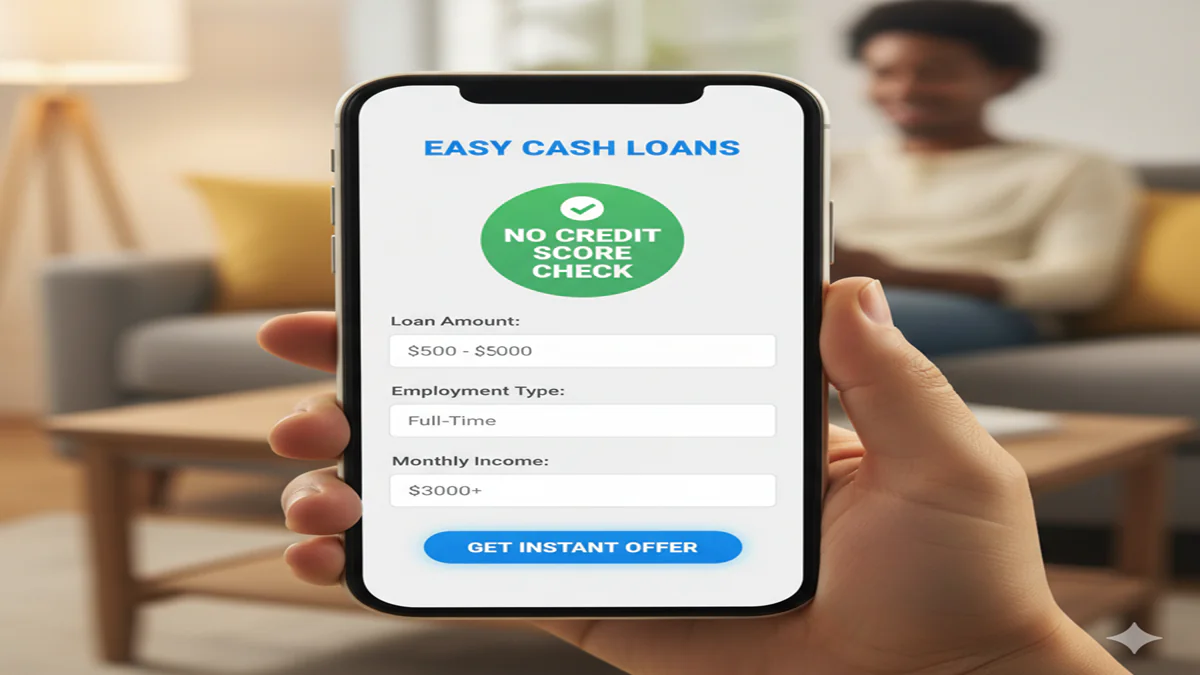
Loan App Without Credit Score Check In today’s fast-paced financial landscape, the traditional credit score system leaves millions of people underserved. According to recent studies, approximately 45 million Americans are considered “credit invisible” or have insufficient credit history to generate a score. This gap in the financial system has given rise to an innovative solution: loan apps that don’t rely on traditional credit score checks. These platforms are revolutionizing access to capital by evaluating borrowers through alternative data points, creating opportunities for those marginalized by conventional banking systems.
This comprehensive guide will explore the world of no-credit-check loan applications, examining how they work, their benefits and risks, and what borrowers should know before using these financial tools. Whether you’re rebuilding credit, facing a financial emergency, or simply seeking alternative lending options, understanding these platforms is essential for making informed financial decisions.
Understanding No-Credit-Check Loan Apps
What Are They?
No-credit-check loan apps are digital platforms that provide access to loans without performing traditional hard inquiries on major credit bureaus (Equifax, Experian, and TransUnion). Instead of relying solely on FICO or VantageScore metrics, these applications use alternative data to assess creditworthiness. They represent a paradigm shift in lending that acknowledges traditional credit scores don’t always reflect a person’s true financial responsibility or current capacity to repay debt.
How They Differ from Traditional Lenders
Traditional lenders typically require:
- Minimum credit score thresholds (often 620+ for personal loans)
- Extensive documentation of income and employment history
- Lengthy application processes
- Strict debt-to-income ratios
In contrast, no-credit-check loan apps:
- Use banking data, cash flow analysis, and other alternative metrics
- Offer faster approval decisions (sometimes within minutes)
- Have more flexible eligibility requirements
- May use different interest rate structures
The Technology Behind Alternative Credit Assessment
Data Points Used Instead of Credit Scores
- Banking Data Analysis: These apps connect to your bank accounts (with permission) through secure APIs to analyze:
- Income consistency and frequency
- Cash flow patterns
- Spending habits and financial behavior
- Account balances over time
- Bounced payments or overdraft frequency
- Utility and Rent Payment History: Many platforms now incorporate regular bill payments that don’t traditionally appear on credit reports.
- Employment and Education Data: Stable employment history and educational background can serve as positive indicators.
- Social and Behavioral Data: Some lenders analyze behavioral patterns, though this remains controversial due to privacy concerns.
- Device Data: Certain apps consider smartphone usage patterns, though this practice faces increasing regulatory scrutiny.
Machine Learning and AI Implementation
Advanced algorithms process thousands of data points to create proprietary “trust scores” that predict repayment likelihood. These models continuously learn from repayment outcomes, theoretically becoming more accurate over time. However, the opacity of these algorithms raises questions about fairness and potential bias that regulators are beginning to address.
Types of No-Credit-Check Loan Apps
1. Payday Loan Alternatives
- Characteristics: Small amounts ($50-$1,000), very short terms (until next payday), high fees
- Target Users: Those needing immediate cash for emergencies
- Examples: Earnin, Dave, Brigit
2. Installment Loan Platforms
- Characteristics: Larger amounts ($1,000-$5,000), longer terms (3-24 months), fixed payments
- Target Users: People needing substantial funds for consolidation or larger expenses
- Examples: OppLoans, LendUp (in some states)
3. Line of Credit Apps
- Characteristics: Revolving credit up to a certain limit, draw as needed
- Target Users: Those wanting flexible access to funds
- Examples: Kikoff, Possible Finance
4. Cash Advance Apps
- Characteristics: Advances on earned wages, small amounts, low or no interest
- Target Users: Employees between pay periods
- Examples: Earnin, DailyPay
5. P2P Lending Platforms with Alternative Criteria
- Characteristics: Connects borrowers with individual investors, varied terms
- Target Users: Those who might not qualify elsewhere but have compelling stories
- Examples: Upstart (uses education and employment data alongside credit)
Benefits of No-Credit-Check Loan Apps
Expanded Financial Inclusion
These platforms serve populations traditionally excluded from mainstream credit:
- Young adults with limited credit history
- Immigrants without U.S. credit history
- Those rebuilding after financial hardship
- The “credit invisible” (no established credit file)
Speed and Convenience
- Applications often take minutes instead of days
- Funding can occur within hours or next business day
- Entire process happens on mobile devices
Potential Credit Building Opportunities
Many apps report payments to credit bureaus (with borrower permission), helping users establish or rebuild credit through responsible use.
Transparent Fee Structures
While APRs can be high, reputable apps clearly disclose all costs upfront, unlike some traditional lenders that bury fees in fine print.
Flexible Eligibility Requirements
Focus on current financial behavior rather than past mistakes allows those with financial setbacks to access capital.
Significant Risks and Drawbacks
Higher Costs
- APRs can reach 400%for some payday loan alternatives
- Fees may be structured differently than traditional loans
- Compound interest can create debt traps if not managed carefully
Debt Cycle Dangers
- Rollovers or renewals that increase total costs
- Multiple simultaneous loans from different apps
- Prioritizing loan payments over essentials
Privacy Concerns
- Extensive data collection raises security questions
- Data sharing with third parties may occur
- Potential for data breaches affecting sensitive financial information
Limited Regulation
The alternative lending space evolves faster than regulations, creating potential for:
- Predatory practices by less scrupulous operators
- Inconsistent consumer protections across states
- Lack of standardized disclosure requirements
Potential Impact on Future Credit
While some apps report positive payment history, others may:
- Report only defaults to credit bureaus
- Use collection practices that damage credit if payments are missed
- Create hard inquiries if they do eventually check credit
Responsible Use: Best Practices
1. Borrow Only What You Can Repay
- Calculate repayment amounts against your budget
- Consider whether the need is truly an emergency
- Explore alternatives first (family, payment plans, local assistance)
2. Understand All Costs
- Calculate the APR yourself if necessary
- Account for all fees (origination, late payment, processing)
- Compare total repayment amounts across options
3. Read Reviews and Check Legitimacy
- Verify state licensing
- Check BBB ratings and consumer complaints
- Look for transparent disclosure of terms
4. Use for Building Credit Wisely
- Opt into credit reporting if offered
- Make every payment on time
- Keep balances low relative to limits
5. Have an Exit Strategy
- Plan how you’ll repay without needing another loan
- Build emergency savings simultaneously
- Know your rights regarding repayment difficulties
Regulatory Landscape and Consumer Protections
Federal Regulations
- Military Lending Act: Caps rates at 36% for active military and families
- Fair Debt Collection Practices Act: Governs how lenders can collect debts
State-Level Variations
Regulations vary dramatically:
- Some states cap interest rates (e.g., 36% in Colorado)
- Others have few restrictions on short-term lending
- Licensing requirements differ by state
CFPB Oversight
The Consumer Financial Protection Bureau has increased scrutiny of:
- Unfair, deceptive, or abusive acts and practices (UDAAP)
- Debt collection practices
- Data privacy and security
Emerging Legislation
Several proposed laws aim to:
- Create federal interest rate caps
- Standardize disclosure requirements
- Establish “ability-to-repay” standards for all lenders
Alternatives to Consider
Credit Builder Loans
Specifically designed to help establish credit, these hold funds in an account while you make payments.
Secured Credit Cards
Require a deposit that becomes your credit limit, with payments reported to bureaus.
Community Development Financial Institutions (CDFIs)
Mission-driven lenders offering fair terms to underserved communities.
Employer-Based Programs
Some companies offer:
- Payroll advances
- Emergency assistance funds
- Financial counseling services
Local Nonprofits and Religious Organizations
May provide no-interest emergency loans or grants.
The Future of No-Credit-Check Lending
Technological Advancements
- Open Banking: Secure data sharing between institutions
- Blockchain: Potentially reducing costs and increasing transparency
- Better AI Models: More accurate and fair credit assessments
Regulatory Evolution
- Likely increased federal oversight
- Standardization across states
- Greater focus on algorithmic fairness
Mainstream Integration
Traditional banks are beginning to:
- Incorporate alternative data into decisions
- Offer similar quick-access products
- Partner with fintech companies
Financial Education Integration
The most responsible apps are building:
- Budgeting tools
- Financial coaching
- Savings features alongside lending
Conclusion
Loan apps without credit score checks represent both opportunity and risk in the financial landscape. They fill a crucial gap for millions of people underserved by traditional systems, offering speed, convenience, and a chance to rebuild financial standing. However, their higher costs and potential for debt cycles demand cautious, informed use.
The most successful users approach these tools strategically—using them for genuine emergencies, understanding all terms, and having clear repayment plans. As the industry matures and regulations evolve, these platforms will likely become safer and more integrated into the broader financial ecosystem.
Ultimately, no-credit-check loan apps are tools, and like any tool, their value depends on how they’re used. With proper understanding and responsible use, they can serve as bridges to financial stability rather than obstacles to it.
Frequently Asked Questions
Q1: Are no-credit-check loan apps completely free of credit checks?
A: While most don’t perform traditional hard inquiries on major credit bureaus, many do use “soft pulls” that don’t affect your credit score. Some may check alternative credit reporting agencies or use proprietary algorithms that consider elements of your credit history indirectly. Always read the fine print to understand exactly what data they’re accessing.
Q2: Can using these apps help me build or improve my credit score?
A: Many apps now offer optional credit reporting to major bureaus. If you choose this feature and make timely payments, it can positively impact your credit history. However, this isn’t automatic—you typically need to opt in, and not all lenders report to all three bureaus. Ask specifically about their credit reporting policies before borrowing.
Q3: What’s the typical cost range for these loans?
A: Costs vary dramatically by lender type. Payday advance apps might charge small flat fees or operate on tipping models. Installment lenders often have APRs ranging from 30% to 400%. Cash advance apps may be the most affordable, sometimes with no interest but optional tips. Always calculate the APR to compare costs fairly across different products.
Q4: How quickly can I get funds from these apps?
A: Many apps provide instant decisions and can deposit funds within minutes to 24 hours. The speed depends on the app, your bank, and when you apply. Some offer instant funding for small fees, while standard transfers are typically free but take 1-3 business days. Emergency speed should be balanced against any additional costs for faster access.
- Payment extensions or due date changes (sometimes with fees)
- Installment plans for overdue amounts
- Rollovers (renewing the loan with additional costs)
- Collection activities after prolonged non-payment
The most reputable apps work with borrowers facing difficulties. Contact them immediately if you anticipate payment problems—proactive communication often leads to better outcomes than waiting until after you’ve missed payments.