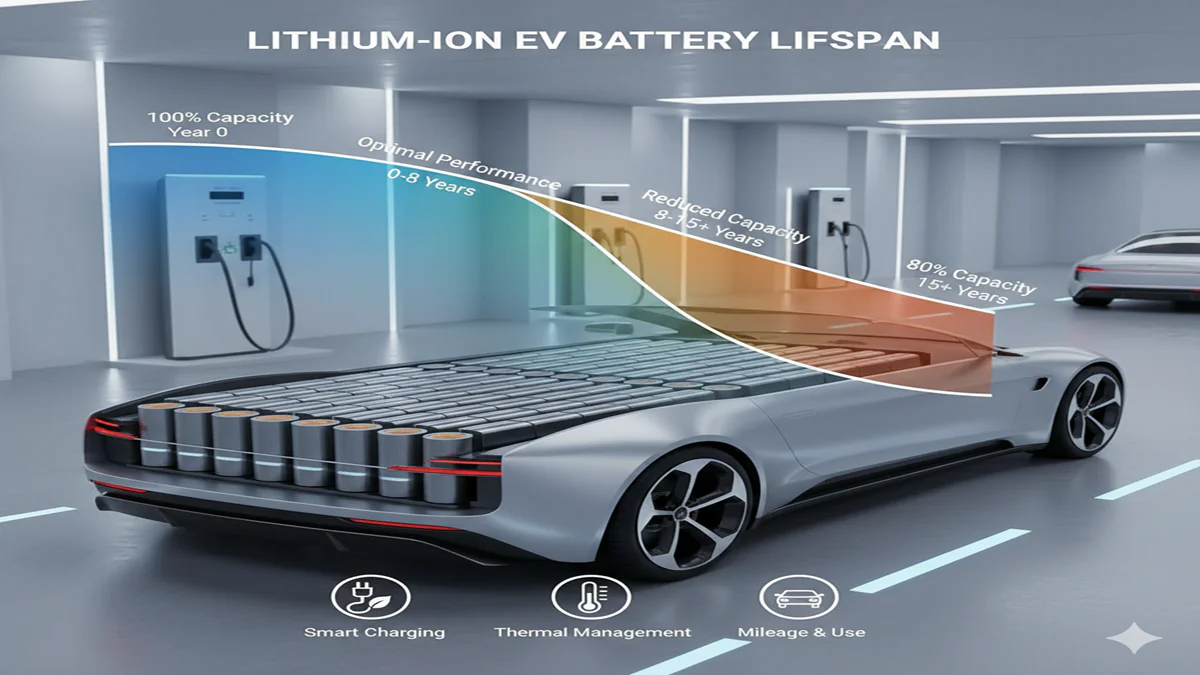
Lithium Ion Battery Lifespan For Ev As electric vehicles (EVs) continue to gain popularity, understanding the lifespan of their lithium-ion batteries becomes increasingly important for both consumers and manufacturers. Lithium-ion technology is at the heart of modern EVs, offering high energy density and efficiency.
However, these batteries are subject to various factors that can significantly impact their longevity, including usage patterns, environmental conditions, and charging habits. This article delves into the intricacies of lithium-ion battery lifespan in EVs, exploring the elements that influence performance, signs of degradation, best practices for maintenance, and the future of battery technology. By equipping EV owners with this knowledge, we can help maximize the life and efficiency of these crucial components in the transition to sustainable transportation.
Understanding Lithium-Ion Batteries in Electric Vehicles
Basic Principles of Lithium-Ion Technology
Lithium-ion batteries work by moving lithium ions between the anode and cathode during charging and discharging. It’s like a highly organized dance party where lithium ions shimmy back and forth, freeing up energy to power your sweet ride. When you plug in your EV, ions glide smoothly to the anode, storing energy. When you hit the accelerator, they rush back to the cathode, releasing that energy to make your car go “vroom.” Simple physics gives us range; just ensure the dance floor stays clean!
Lithium Ion Battery Lifespan For Ev
Advantages of Lithium-Ion Batteries for EVs
Lithium-ion batteries are the rock stars of the EV world, and for good reason. They pack a lot of energy into a compact package, meaning you get more miles per charge without the weight of a small elephant. They also have a longer lifespan compared to older battery technologies, like nickel-cadmium (yawn), thanks to their ability to handle numerous charge cycles without breaking a sweat. Plus, they’ve got a low self-discharge rate, so your car won’t be losing energy when parked. All in all, they’re like that reliable friend who always shows up on time—except they’re a battery.
Factors Affecting Lithium-Ion Battery Lifespan
Cycling and Usage Patterns
The way you drive (or dance) with your EV significantly impacts your battery’s lifespan. Frequent fast charging, deep discharges, and a high number of charge cycles can all contribute to wear and tear. Think of it like a treadmill workout; if you’re running marathons every day, you’re going to wear out your sneakers faster. To keep your battery happy, try to avoid the extremes—aim for a moderately paced charge and discharge. It might not sound thrilling, but your battery will thank you with a longer life.
Environmental Conditions
Lithium-ion batteries are a bit like Goldilocks; they don’t do too well in extreme conditions. High temperatures can cause them to overheat and degrade faster, while extremely cold weather can reduce their performance and efficiency. Ideally, keep your EV in a moderate climate—think of it as giving your battery the perfect cozy blanket. If you live in a hotter area, consider parking in the shade or using a garage. Your battery deserves some pampering!
Battery Management Systems
Battery Management Systems (BMS) are like the wise old sages of the battery world. They monitor and manage the health of lithium-ion batteries, ensuring they don’t overcharge, over-discharge, or overheat. A good BMS balances the charge of individual cells and keeps everything running smoothly. Think of it as the life coach every battery needs—keeping them in line and motivated for a longer, healthier life. Choosing an EV with a superior BMS is like picking a car with a personal trainer included!
Typical Lifespan of Lithium-Ion Batteries in EVs
Average Lifespan Estimates
On average, lithium-ion batteries in electric vehicles last between 8 to 15 years, depending on usage and care. That’s a range that can carry you through multiple car trends—think of it as the long-term relationship of vehicle ownership. Many manufacturers even offer warranties that cover battery life for up to 100,000 miles, making it a pretty safe bet. With proper care, these batteries can thrive well beyond their average lifespan, much like a fine wine.
Comparative Lifespan with Other Battery Technologies
When stacked up against older technologies like lead-acid and nickel-metal hydride batteries, lithium-ion batteries shine like a diamond. While lead-acid batteries might start showing signs of aging after just a few years, lithium-ion batteries can easily double that lifespan, making them the preferred choice for modern EVs. It’s like comparing a vintage sports car to that old clunky family sedan—sure, they both get you from point A to B, but one definitely has a bit more pizzazz and longevity!
Signs of Degradation in Lithium-Ion Batteries
Performance Indicators
As lithium-ion batteries age, their performance can start to wobble like an unbalanced tire. You might notice a decrease in range (the dreaded “range anxiety”), increased charging time, or perhaps your once-speedy acceleration feels more like a leisurely stroll. If you’re constantly on edge wondering if your battery will make it to the next charging station, it might be time for a check-up. Just like getting a routine physical, a battery health assessment can head off any potential issues before they become a full-blown crisis.
Common Issues and Symptoms
Keep an eye out for common symptoms of battery degradation, including swelling, unusual noises, or strange smells. Yes, batteries can make funny noises—science is weird like that! If your battery starts behaving oddly, it might be time to consult a professional (or maybe even a wizard). Having the right diagnostics in place can help you catch these issues early, so you’re not left stranded like a frosty snowman in a heatwave. After all, no one wants to deal with a battery emergency!
Best Practices for Extending Battery Lifespan
Optimal Charging Techniques
To keep your lithium-ion battery happy and healthy, treat it like a delicate flower—that loves a good charge. Ideally, aim to charge your EV when it’s between 20% and 80% full. Avoid letting the battery drop to 0% or consistently filling it to 100%. Think of those extremes as the emotional rollercoaster of battery life: too much excitement can lead to burnout. Also, using a Level 2 charger for regular top-ups can be a game changer, providing a balanced charge without the stress of fast charging.
Maintenance and Care Tips
Regular maintenance is key, and no, this doesn’t mean singing to your battery (though feel free if that’s your jam). Keeping your vehicle clean and periodically checking for software updates can significantly affect battery efficiency. Also, if you’re planning to store your EV for a while, make sure it’s at around 50% charge and check in on it every month. Treat it like an old friend—check in, but don’t smother it!
The Role of Temperature and Charging Habits
Impact of High Temperatures
Heat isn’t just a summer mood—it’s a battery killer. High temperatures can cause lithium-ion batteries to degrade faster than a forgotten sandwich in a hot car. Ideally, keep your EV parked in the shade or a garage. If your battery gets too hot, it can lead to reduced capacity and even swelling. No one wants a balloon battery!
Effects of Low Temperatures
On the flip side, frigid temperatures can make your battery grumpy. Cold weather can reduce battery efficiency and range, much like how you feel when you forget your jacket on a chilly day. While it won’t damage your battery permanently, it can lead to temporary underperformance. When the mercury dips, give your EV some extra time to warm up before hitting the road.
Charge Frequency and Depth of Discharge
Frequent, shallow charges are your friend, unlike the friend who always borrows money and never pays you back. Instead of waiting for that 0% warning, plug in your EV when it’s still got some juice left. Frequent charging combined with avoiding deep discharges (like letting it drop below 20%) can help prolong battery life. Think of this as frequent little meals instead of the occasional feast—much healthier for everyone involved!
Future Innovations in Lithium-Ion Battery Technology
Research and Development Trends
The lithium-ion battery world is buzzing with innovation! Researchers are focusing on increasing capacity and durability while reducing charge times. New chemistries and advanced materials, like solid-state batteries, promise to be safer and more efficient. Imagine a battery that charges in minutes instead of hours. Now that’s the kind of future we can all get behind!
Potential Alternatives and Enhancements
While lithium-ion is still the reigning champion of electric vehicle batteries, potential contenders are emerging. Technologies like lithium-sulfur and graphene batteries are making headlines, hinting at even longer lifespans and improved performance. Don’t worry, lithium-ion—your throne is safe for now, but competition is heating up, so it’s time to step up the game!
Conclusion: Maximizing the Life and Efficiency of EV Batteries
Summary of Key Points
In summary, taking care of your lithium-ion battery isn’t rocket science but rather a combination of smart charging habits, maintaining optimal temperatures, and keeping an eye on emerging technologies. Remember, a little care goes a long way in maximizing lifespan and efficiency.
Call to Action for EV Owners
So, EV owners, it’s time to channel your inner battery whisperer. Implement these best practices and keep your ride running smoothly. Share your tips with fellow EV enthusiasts, and let’s all ride into the future—fully charged, of course!In conclusion, understanding and managing the lifespan of lithium-ion batteries in electric vehicles is essential for optimizing their performance and longevity.
By being aware of the factors that affect battery health and following best practices for care and maintenance, EV owners can enhance their driving experience while contributing to a more sustainable future. As technology continues to advance, staying informed about innovations in battery design will further empower consumers to make the most of their electric vehicles.
Frequently Asked Questions
How long can I expect my lithium-ion battery to last in my electric vehicle?
Most lithium-ion batteries in electric vehicles typically last between 8 to 15 years, depending on various factors such as usage patterns, charging habits, and environmental conditions.
What are the signs that my lithium-ion battery is degrading?
Common signs of battery degradation include a noticeable decrease in driving range, longer charging times, and fluctuations in power delivery. Additionally, if you observe warning lights on your dashboard related to battery health, it’s essential to investigate further.
Can I extend the lifespan of my EV’s battery?
Yes, you can extend the lifespan of your EV’s battery by following best practices such as avoiding extreme temperatures, not fully discharging the battery regularly, and using optimal charging techniques.
Are there alternatives to lithium-ion batteries for electric vehicles?
While lithium-ion batteries are currently the most common choice for EVs, research is ongoing into alternative technologies, such as solid-state batteries and lithium-sulfur batteries, which may offer improved performance and lifespan in the future.