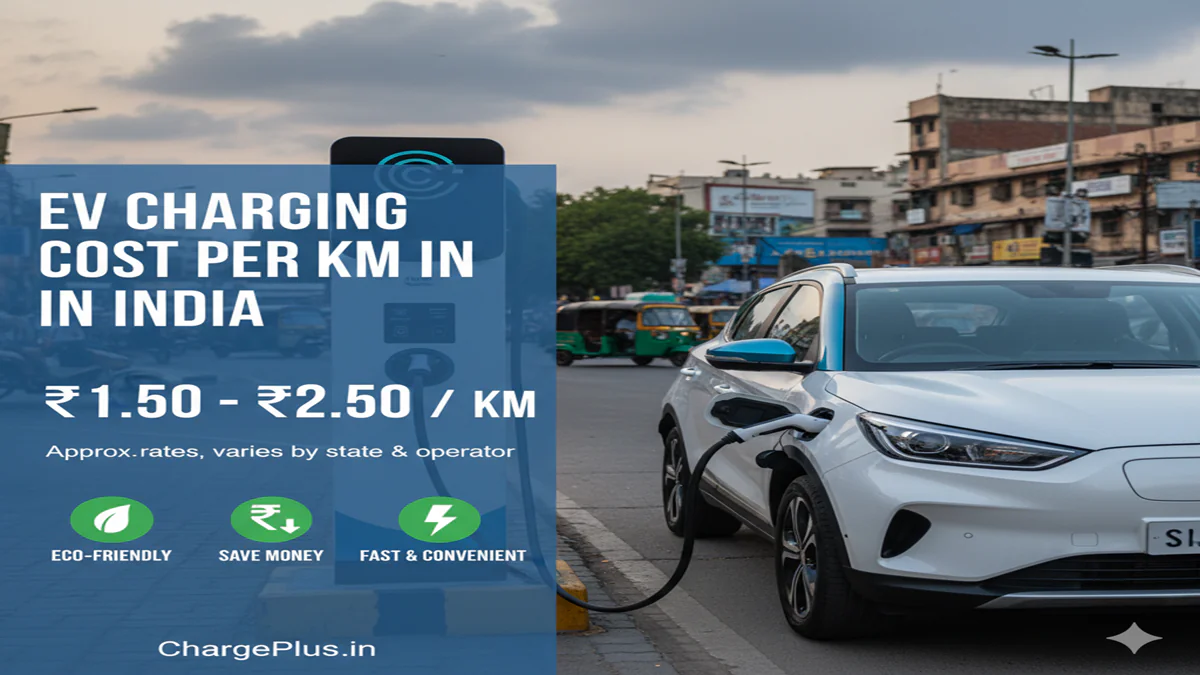
EV Charging Cost Per km in India: इलेक्ट्रिक गाडी चालवणे नक्की किती स्वस्त आहे? पेट्रोलच्या तुलनेत करा पैशांची मोठी बचत!
Introduction:
Ev Charging Cost Per km in India 2026: भारतात पेट्रोलचे दर गगनाला भिडले असताना, मध्यमवर्गीय भारतीयांसाठी ‘इलेक्ट्रिक व्हेईकल’ (EV) एक वरदान ठरत आहे. पण, ईव्ही खरेदी करण्यापूर्वी प्रत्येकाच्या मनात एकच प्रश्न असतो – “ही गाडी चार्ज करायला खर्च किती येतो?“ किंवा “प्रति किलोमीटर खर्च नक्की किती पडतो?”
२०२६ मध्ये ईव्ही टेक्नॉलॉजी खूप प्रगत झाली आहे. आज आपण या लेखात EV Charging Cost Per km in India बद्दल सविस्तर माहिती घेणार आहोत, ज्यामध्ये घरगुती चार्जिंग (Home Charging) आणि पब्लिक चार्जिंग स्टेशन (Public Charging) मधील फरकाचाही समावेश असेल.
१. ईव्ही चार्जिंग खर्चाचे गणित (The Math behind EV Charging)
Ev Charging Cost Per km in India 2026: इलेक्ट्रिक गाडीचा खर्च काढण्यासाठी आपल्याला दोन गोष्टी माहिती असणे आवश्यक आहे:
- बॅटरीची क्षमता (Battery Capacity): जी ‘kWh’ (Units) मध्ये मोजली जाते.
- वीज दर (Electricity Rate): तुमच्या राज्यातील प्रति युनिट विजेचा दर.
सूत्र: $एकूण खर्च = बॅटरी क्षमता (kWh) \times प्रति युनिट दर$
२. प्रति किलोमीटर खर्च (Cost Per km Comparison)
Ev Charging Cost Per km in India 2026: भारतातील सद्यस्थितीनुसार (२०२६), विविध वाहनांचा प्रति किलोमीटर खर्च खालीलप्रमाणे आहे:
| वाहनाचा प्रकार | चार्जिंगचा प्रकार | प्रति किमी खर्च (अंदाजे) |
| इलेक्ट्रिक स्कूटर | घरगुती (Home) | ₹०.२५ – ₹०.४० |
| इलेक्ट्रिक स्कूटर | पब्लिक (Fast) | ₹०.८० – ₹१.२० |
| इलेक्ट्रिक कार | घरगुती (Home) | ₹०.८० – ₹१.२० |
| इलेक्ट्रिक कार | पब्लिक (DC Fast) | ₹२.५० – ₹३.५० |
| पेट्रोल कार | – | ₹७.०० – ₹९.०० |
३. घरगुती चार्जिंग (Home Charging): सर्वात स्वस्त पर्याय
Ev Charging Cost Per km in India 2026: बहुतेक ईव्ही मालक आपली गाडी रात्री घरीच चार्ज करतात.
- खर्च: घरगुती विजेचा दर सरासरी ₹६ ते ₹९ प्रति युनिट असतो (उदा. दिल्लीत ₹३-५, तर महाराष्ट्रात ₹९-१२ पर्यंत असू शकतो).
- फायदा: जर तुम्ही टाटा नेक्सॉन ईव्ही (४० kWh बॅटरी) घरी चार्ज केली, तर पूर्ण चार्जिंगसाठी अंदाजे ₹३२० खर्च येतो आणि ती ३०० किमी धावते. म्हणजेच खर्च फक्त ₹१.०६ प्रति किमी!
४. पब्लिक चार्जिंग स्टेशन (Public Charging Cost)
Ev Charging Cost Per km in India 2026: जेव्हा तुम्ही प्रवासात असता, तेव्हा तुम्हाला हायवेवरील ‘DC Fast Chargers’ वापरावे लागतात.
- खर्च: कमर्शिअल वीज दर आणि स्टेशनच्या देखभालीमुळे येथे दर ₹१८ ते ₹२५ प्रति युनिट असू शकतात.
- वेळ: येथे गाडी ३०-४५ मिनिटांत ८०% चार्ज होते, पण खर्च घरगुती चार्जिंगच्या तुलनेत अडीच ते तीन पटीने जास्त असतो.
५. राज्यनिहाय वीज दर आणि सवलती
Ev Charging Cost Per km in India 2026: भारत सरकारने ‘EV Policy’ अंतर्गत अनेक राज्यांत ईव्ही चार्जिंगसाठी विशेष सवलती दिल्या आहेत.
- दिल्ली: ईव्ही चार्जिंगसाठी सर्वात कमी दर (अंदाजे ₹४.५०/युनिट).
- महाराष्ट्र व गुजरात: येथे दर थोडे जास्त असले तरी चार्जिंग स्टेशनचे जाळे मोठे आहे.
- सोलर चार्जिंग: जर तुमच्या घरी सोलर पॅनेल असतील, तर तुमचा ईव्ही रनिंग खर्च शून्य (₹०) सुद्धा होऊ शकतो.
६. २०२६ मध्ये ईव्हीचे भविष्य
Ev Charging Cost Per km in India 2026: २०२६ पर्यंत भारतात बॅटरी-अॅज-अ-सर्व्हिस (BaaS) मॉडेल लोकप्रिय होत आहे. यामुळे गाडीची सुरुवातीची किंमत कमी होते आणि तुम्हाला फक्त बॅटरी वापराचे पैसे द्यावे लागतात. तसेच, रिजनरेटिव्ह ब्रेकिंग (Regenerative Braking) मुळे शहरात गाडी चालवताना ८-१०% वीज पुन्हा तयार होते, ज्यामुळे तुमची रेंज वाढते.
Conclusion: ईव्ही खरेदी करणे फायदेशीर आहे का?
Ev Charging Cost Per km in India 2026: जर तुमचे दररोजचे फिरणे ४०-५० किमी असेल, तर पेट्रोलच्या तुलनेत ईव्ही तुमची वर्षाला ₹८०,००० ते ₹१,२०,००० पर्यंत बचत करू शकते. EV Charging Cost Per km in India पाहता, इलेक्ट्रिक वाहन हा केवळ पर्यावरणासाठीच नाही, तर तुमच्या खिशासाठीही एक स्मार्ट निर्णय आहे.
As India accelerates its transition towards sustainable mobility, understanding the cost of electric vehicle (EV) charging has become increasingly important for consumers and policymakers alike. With a growing number of electric vehicles on the roads, the cost per kilometer for charging these vehicles emerges as a critical factor influencing the overall accessibility and appeal of EV ownership.
Ev Charging Cost Per km in India 2026: This article delves into the various elements that impact EV charging costs in India, offering insights into the types of chargers available, regional price differences, and the implications of government incentives. By examining these aspects, we aim to provide a comprehensive overview of the economic landscape surrounding EV charging in India, empowering potential EV owners to make informed decisions.
Overview of EV Charging Costs in India
Ev Charging Cost Per km in India 2026: When it comes to electric vehicle (EV) charging costs in India, the landscape is evolving faster than a kid racing to the ice cream truck. On average, charging an EV can cost anywhere from ₹2 to ₹7 per kilometer, depending on various factors such as location, electricity tariffs, and the type of charger used. With more people hopping on the EV bandwagon, understanding these costs becomes crucial for future pocket planning!
Current Market Rates
Ev Charging Cost Per km in India 2026: As of now, the market rates for EV charging in India generally hover between ₹3 to ₹7 per kWh. For an EV that consumes about 15 kWh to travel 100 km, you’re looking at a cost of approximately ₹4.50 to ₹10.50 for 100 kilometers. Think of it like buying a cup of coffee: you can find options that are budget-friendly, and then there are those gourmet brews that could break the bank!
Comparison to Traditional Fuel Costs
Ev Charging Cost Per km in India 2026: When comparing EV charging costs to traditional fuel prices, the results are about as eye-opening as finding a 20-rupee note in your old jeans. The cost of petrol in India is generally around ₹100 per liter, and if your petrol car gives you around 15 km per liter, you’d be shelling out approximately ₹6.67 per kilometer. So, EV charging is not just a cleaner option; it’s also a friendlier choice for your wallet!
Factors Influencing EV Charging Costs
Ev Charging Cost Per km in India 2026: Charging costs aren’t just a random toss of the coin; several key factors come into play that can make your EV charging experience feel like a game of Monopoly.
Electricity Tariffs
Ev Charging Cost Per km in India 2026: Electricity tariffs can be as fickle as the weather in Mumbai—changing based on time of day and region. Some states in India offer lower tariffs for EV charging, especially during off-peak hours. If you’re savvy enough to charge during those times, you might save a pretty penny—or two!
Charger Type and Specifications
Ev Charging Cost Per km in India 2026: The type of charger you use can make a world of difference. Level 1 chargers, which use standard household outlets, are like waiting for the bus; you’ll get there eventually, but it takes time. Level 2 chargers speed things up, while DC fast chargers are akin to a turbo boost, getting you back on the road in a flash—albeit, at a higher cost.
Distance and Usage Patterns
Ev Charging Cost Per km in India 2026: If you’re a daily commuter or just someone who loves to take long, adventurous drives, your usage patterns will significantly affect your costs. For instance, city driving may require frequent charges due to stop-and-go traffic, while highway cruising allows for longer stretches without a top-up. The further you go, the more you’ll need to think about your wallet!
Types of Electric Vehicle Chargers
Navigating the world of EV chargers can feel a bit like choosing a dessert at a buffet—so many options, but you want the right one for your needs!
Level 1 Chargers
Level 1 chargers are the slow-and-steady tortoises of the EV world. They plug into standard household outlets and can take anywhere from 8 to 12 hours to fully charge an EV. If you’ve got a whole night to spare, they’re a good option for daily commuters who don’t drive much.
Level 2 Chargers
Level 2 chargers are the sprinters, offering a more moderate charge time of about 4 to 6 hours. They require a dedicated 240-volt circuit and are often found at public charging stations and home installations. Ideal for weekend outings or those who want a bit of convenience without breaking the bank!
DC Fast Chargers
DC fast chargers are the superheroes of rapid charging, capable of delivering an 80% charge in just 30 minutes! Perfect for road trips or those on the go, they come at a premium and are widely available at highways and urban areas. Just be prepared to pay extra for that super-speed experience.
Cost Comparison: Home Charging vs. Public Charging
Deciding whether to charge at home or use public stations? It can feel like choosing between staying in or hitting the town; both have their pros and cons!
Home Charging Setup Costs
Setting up home charging generally involves some initial investment, often ranging from ₹20,000 to ₹50,000 for a Level 2 charger, including installation. However, once set up, the cost per kilometer can drop significantly, making it an excellent long-term choice for daily drivers.
Public Charging Station Fees
Public charging can vary widely depending on the station—some are free (yes, please!), while others may charge a fee or even membership. The typical fee ranges from ₹10 to ₹20 per kWh, which can add up if you’re charging frequently.
Convenience and Accessibility
Home charging wins in the convenience department—no need to trek out in your pajamas to find a station. On the flip side, public chargers are great for those who don’t have a garage or for those spontaneous road trips. It’s all about your lifestyle and how often you want to deal with the great outdoors!
Regional Variations in Charging Costs
Metropolitan Areas vs. Rural Regions
In India, where the cities are bustling and the villages are tranquil, charging costs per kilometer for electric vehicles (EVs) can vary significantly. In metropolitan areas like Mumbai and Delhi, you might find a higher density of charging stations, but that convenience often comes with a slightly steeper price tag. Urban charging spots tend to be better equipped with faster chargers, leading to a cost of around ₹3-₹9 per kilometer. On the flip side, rural regions may have fewer charging points, potentially forcing drivers to rely on home charging, which can be more economical, averaging around ₹2-₹5 per kilometer. So, whether you’re cruising down a crowded highway or taking a serene countryside road, your wallet will feel the difference!
State-Specific Tariffs and Policies
Just when you thought it couldn’t get any more complicated, enter the state-specific tariffs! Each Indian state has its own policies governing electricity rates and EV charging costs, leading to further variations. For instance, states like Gujarat and Maharashtra have implemented encouraging tariff structures that promote EV usage by offering subsidized rates, making the cost per kilometer substantially lower. Meanwhile, states still grappling with the EV adoption curve may impose higher rates, making your drive more of a financial strain. Check before you charge—your state may just hold the secret to saving a few bucks!
Government Incentives and Subsidies
National Policies Supporting EV Adoption
The Indian government is well aware that EVs are the shiny new toys in town and has rolled out an array of national policies to drive adoption. Schemes such as the Faster Adoption and Manufacturing of Hybrid and Electric Vehicles (FAME) program offer financial incentives for both consumers and manufacturers. These incentives can effectively reduce the total cost of ownership, making it cheaper per kilometer to glide around in your electric chariot. With these policies, the government is not just putting out an olive branch—they’re offering a whole tree!
State-Level Initiatives
At the state level, the enthusiasm for EVs gets even more localized. Many states have introduced their own unique incentives, from tax rebates to subsidies on charging equipment. States like Karnataka and Delhi are leading the charge (pun intended) with policies that favor EV buyers, helping them save on upfront costs and operational expenses. If you play your cards right, you could find yourself eligible for a cornucopia of savings, transforming your charging experience from a budget-buster to a budget-buster-who-just-won-the-lottery!
Future Trends in EV Charging Costs
Technological Advancements in Charging Infrastructure
As the EV landscape continues to evolve, so too does the technology behind charging infrastructure. With advancements like ultra-fast chargers and wireless charging systems on the way, the future looks bright for reducing overall charging times and costs. This means less time plugged in and more time back on the road, with the potential to drive down the cost per kilometer as economies of scale kick in. Imagine charging at lightning speed—talk about turning your energy expenses into a fleeting thought!
Impact of Renewable Energy Sources
As society collectively starts to embrace renewable energy, the cost of powering EVs could drop like a hot potato. More solar and wind energy will mean reduced reliance on fossil fuels, which can lead to lower electricity prices and subsequently lower charging costs. In a dream world (spoiler: we’re getting there), imagine charging your EV with affordable clean energy, making every kilometer you drive feel like an environmentally friendly victory lap.
Conclusion: Cost Efficiency of Electric Vehicles in India
Long-term Financial Benefits of EVs
Despite the initial sticker shock that comes with purchasing an electric vehicle, the long-term financial benefits are hard to ignore. Lower running costs, government subsidies, and reduced maintenance expenses create a perfect storm of savings over time. While you might pay a little more upfront, driving an EV in India could translate to pennies saved per kilometer, making it a smart choice for both your wallet and the environment. So, who said saving money isn’t fun?
The Role of Policy in Shaping Future Costs
As we look toward the road ahead, it’s clear that policy will play an indispensable role in shaping the future of EV charging costs in India. With continued support from the government, consumers can expect a more favorable charging landscape with greater affordability.
conclusion, understanding the cost of EV charging per kilometer in India is essential for both current and prospective electric vehicle owners. As the infrastructure continues to evolve and government support strengthens, the financial viability of electric vehicles will likely improve, making them an increasingly attractive option for consumers. By staying informed about charging costs and leveraging available incentives, individuals can contribute to a more sustainable future while enjoying the benefits of electric mobility.
Frequently Asked Questions
What is the average cost of charging an electric vehicle in India?
The average cost of charging an electric vehicle in India varies based on location and electricity tariffs, but it typically ranges from ₹3 to ₹6 per kilowatt-hour, translating to approximately ₹1 to ₹2 per kilometer for most EVs.
Are there any government incentives for electric vehicle charging in India?
Yes, the Indian government offers various incentives and subsidies for electric vehicle purchases and charging infrastructure, which can significantly reduce overall costs for consumers.
Can I charge my electric vehicle at home, and what are the costs involved?
Yes, you can charge your electric vehicle at home using a Level 1 or Level 2 charger. The setup cost varies depending on the charger type and installation, but home charging typically results in lower costs compared to public charging stations.
How do charging costs compare between electric vehicles and traditional gasoline vehicles?
Charging an electric vehicle is generally more cost-effective than fueling a traditional gasoline vehicle. While prices can fluctuate, electric vehicles typically offer lower per-kilometer costs, making them an attractive alternative in the long run.