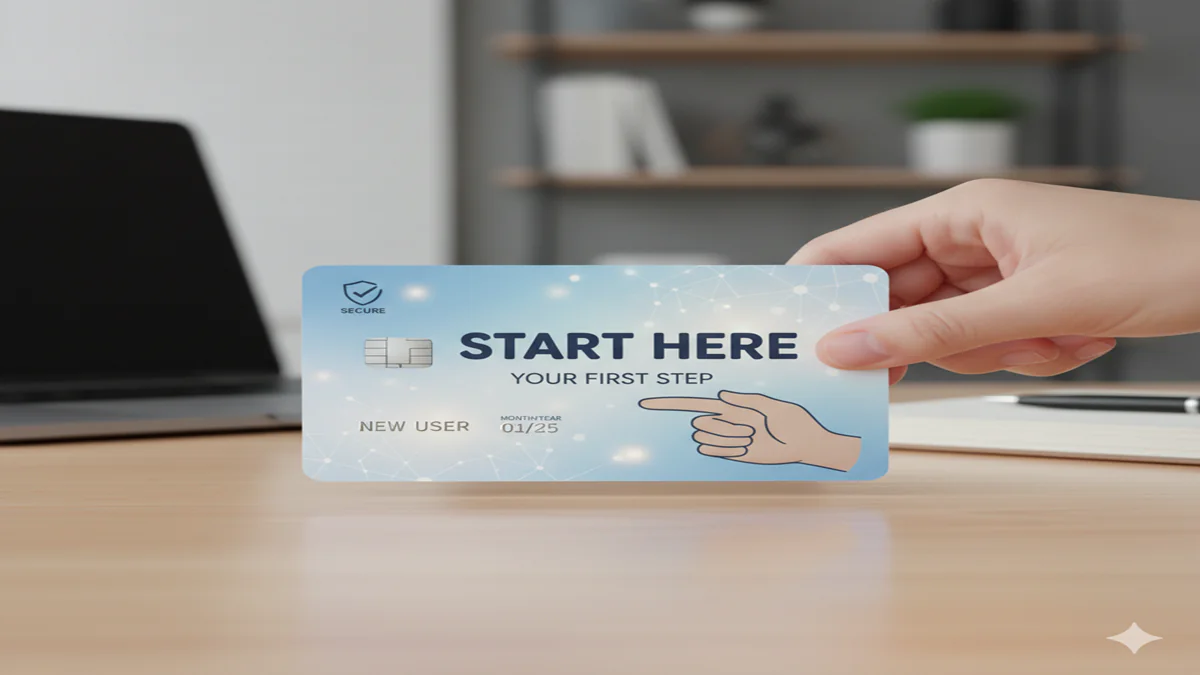
Navigating the world of credit cards can be daunting for first-time users, but understanding the basics can empower you to make informed financial decisions. Credit cards offer a convenient way to make purchases, build credit history, and even earn rewards, but they also come with responsibilities and potential pitfalls. This article will guide you through essential information, from the different types of credit cards available to tips for managing your card effectively and building a strong credit score. Whether you’re looking to establish your credit for the first time or simply want to learn how to use a credit card responsibly, this comprehensive guide will provide the .
Understanding Credit Cards: A Beginner’s Guide
What is a Credit Card?
A credit card is like a magical piece of plastic that allows you to borrow money from a bank to make purchases, pay for services, or even treat yourself to that fancy latte you’ve been eyeing. You’re not just spending your own hard-earned cash; you’re essentially getting a short-term loan that you promise to pay back later—usually with interest if you don’t pay it off in full. So yes, it’s a little like being a teenager with your parents’ credit card, but with added responsibility (and, unfortunately, no one to bail you out after 10 PM on a Saturday).
How Credit Cards Work
When you swipe your credit card, the bank fronts the money to the store, and you get the chance to pay it back later—not the next day, but in a month or so, on a set due date. Each month, you’ll receive a statement outlining what you spent, the minimum payment due, and the total you owe. If you decide to only pay the minimum (which is like choosing to eat only the frosting on a cake), interest charges will start to pile up, and before you know it, you’re wading through a sea of debt. So, unless you’re a fan of the maximum interest rate rollercoaster, aim to pay off your balance in full each month!
Types of Credit Cards for First-Time Users
Secured vs. Unsecured Credit Cards
Secured credit cards are like your safety net when you’re venturing into the credit world. They require a cash deposit that acts as collateral—kind of like paying your younger sibling to keep quiet after you accidentally broke mom’s favorite vase. Unsecured credit cards, on the other hand, don’t require a deposit but may be trickier to snag if you’re new to the credit game. Choose wisely based on your comfort level and financial goals!
Rewards and Cash Back Cards
For those of you who might enjoy a little perk for your spending, rewards and cash back cards can be a sweet treat! These cards give you points, miles, or a percentage of your money back on purchases you were going to make anyway. It’s like getting a tiny thank-you gift every time you buy groceries or fill up your gas tank. Just remember, the best rewards are the ones you earn while using the card responsibly—don’t overspend just to grab those points!
Student Credit Cards
Hey, students! If you’re looking to dive into the credit pool while managing classes and late-night ramen runs, student credit cards are tailored just for you. They often come with lower credit limits and more lenient approval criteria, making them a good option for first-timers. Plus, they sometimes offer perks like cash back on textbooks or discounts on streaming services, which is the real reason we signed up for college anyway, right?
How to Choose the Right Credit Card
Assessing Your Financial Needs
Before you jump into the credit card deep end, know what you’re diving into. Consider what you plan to use the card for: everyday purchases, building credit, or maybe pretending to be an adult? Identifying your financial needs will help you narrow down your options and avoid the all-too-common “I’ll take the shiny one” mistake.
Comparing Interest Rates and Fees
Not all credit cards are created equal, and some come with pesky fees and high-interest rates that can make you feel like you’re caught in a financial spiderweb. Take the time to compare the Annual Percentage Rate (APR) and any hidden fees, like foreign transaction or late payment fees. Finding a card with low rates and minimal fees could save you some serious cash down the line—leaving more money for that delightful takeout on Friday night!
Understanding Credit Limits
Your credit limit is like the bouncer at the club; it tells you how much you can spend before you get turned away—or worse, charged those dreaded overdraft fees. As a first-time user, your credit limit may be lower than you’d like, but don’t fret! This is to help you ease into the credit world without overindulging. Use your limit wisely and gradually improve your credit score, and that bouncer might just let you in for those higher spending privileges in no time!
Building Credit History: The Importance of Responsible Use
The Impact of On-Time Payments
Paying your credit card bill on time is like watering a plant—neglect it, and it wilts, but nurture it, and it grows strong! On-time payments are crucial for building a positive credit history, which can open doors to better financial opportunities, lower interest rates, and maybe even that dream apartment. So set up reminders, automate payments, or enlist a friend to help you remember (just don’t ask them to pay your bills!).
Keeping Your Credit Utilization Low
Your credit utilization ratio is the percentage of your total credit limit that you’re using, and keeping it low (ideally under 30%) can work wonders for your credit score. Think of it like a pizza: if you devour the entire thing by yourself, you’re going to feel stuffed, but sharing the pizza equally will keep everyone happy. Use your credit wisely, keep your balance manageable, and you’ll be in a good place when it comes to your credit history.
Common Fees and Charges to Watch Out For
Annual Fees
Ah, the annual fee—the sneaky little gremlin that can pop up on your credit card statement like an unwanted guest at a party. Some cards charge you a fee simply for the privilege of using them. Make sure to read the fine print; sometimes, a card with no annual fee can save you money. Because who wants to pay just for having access to more debt, right?
Late Payment Fees
Oops! Life happens, and sometimes payments slip through the cracks. If you miss your due date, you might find yourself facing late payment fees that can pile up faster than a cat video binge. To avoid these fees, set reminders or automate payments, unless you enjoy throwing your hard-earned cash into the abyss.
Foreign Transaction Fees
Planning to globe-trot? If your credit card has a foreign transaction fee, you might get dinged every time you swipe across borders. These fees typically hover around 1% to 3% of the transaction, which can add up faster than you can say “cheeseburgers and fries.” Consider a travel-friendly card to avoid these pesky charges when you’re sippin’ cocktails in far-off lands.
Tips for Managing Your Credit Card Effectively
Setting a Budget
Creating a budget may sound as fun as watching paint dry, but it’s your financial roadmap. Decide how much you can spend on your credit card each month and stick to it. Think of it like a monthly allowance for adults—only instead of slushies and candy, it’s about responsible spending and avoiding debt hangovers.
Monitoring Your Spending
Don’t let your credit card become a mysterious black hole where you throw money in and never see it again. Keep an eye on your transactions; after all, those impulse buys can sneak up on you like a raccoon in a trash can. Most banks offer apps or online tools to help you track your spending in real-time. Use them!
Using Alerts and Reminders
Set yourself some digital nudges—most banks let you configure alerts for spending limits, payment due dates, and even unusual transactions. Think of them as your financial fairy godmothers, ensuring you don’t accidentally turn your credit card experience into a pumpkin at midnight.
Understanding Credit Scores and Their Impact
What Factors Affect Your Credit Score?
Your credit score is like your financial GPA; it can determine whether you land that sweet car loan or apartment. Factors include your payment history, credit utilization, length of credit history, types of credit, and new credit inquiries. So, yes, it’s kind of a big deal. Play your cards right, and you’ll be the valedictorian of credit scores!
How to Improve Your Credit Score Over Time
Want to boost that credit score? Start by paying your bills on time—seriously, it’s like giving your score a warm hug. Keep your credit utilization low (ideally under 30%), mix it up with different types of credit (think loans and installment plans), and resist the urge to open too many new accounts at once. Patience is key; good things come to those who wait (and pay on time).
FAQs: What First-Time Users Need to Know
Can I Qualify for a Credit Card with No Credit History?
Absolutely, but it might feel like trying to join a secret club without a password. Some issuers offer secured credit cards or student cards designed for folks just starting out. You’ll probably need to prove your income or have a cosigner, so keep your chin up and ready to negotiate!
What Should I Do if I Miss a Payment?
First, don’t panic like you just lost your phone in a crowded place. Contact your issuer immediately; they may be kind enough to waive late fees if it’s a first-time mistake. Just don’t make it a habit—your credit score will thank you for it.
How Can I Increase My Credit Limit?
Want a higher credit limit to support that newfound adult spending? Ask politely! After demonstrating responsible usage (like paying your bill on time and not maxing out the card), you can usually request an increase. Just don’t use that extra limit to fund a shopping spree; we’re all about responsible adulting here!In conclusion, obtaining and using a credit card for the first time can be a valuable step toward achieving your financial goals.
By understanding the different types of cards, managing your spending wisely, and maintaining a good credit history, you can maximize the benefits of credit while minimizing potential pitfalls. Remember to stay informed and make decisions that align with your financial situation, and you’ll be well on your way to building a solid credit foundation for the future.