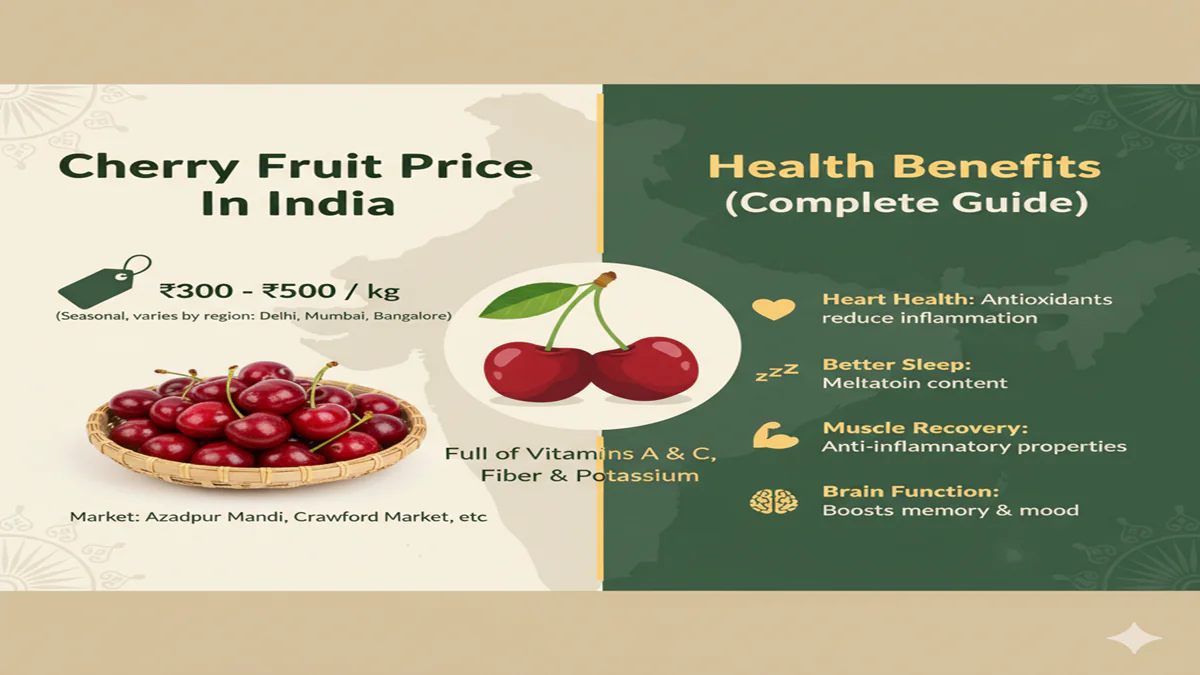
Cherry Benefits: छोट्याशा चेरीमध्ये लपले आहेत आरोग्याचे मोठे फायदे! जाणून घ्या का करावे या फळाचे सेवन.
Cherry Benefits: Introduction: लाल चुणूक, रसाळ आणि चवीला आंबट-गोड असणारे ‘चेरी’ (Cherry) हे फळ सर्वांनाच आवडते. केकची सजावट असो वा आइस्क्रीम, चेरीशिवाय ती अपूर्ण वाटते. पण तुम्हाला माहित आहे का? चेरी हे केवळ सजावटीचे फळ नसून ते एक ‘सुपरफूड’ आहे.
Cherry Benefits बद्दल बोलताना आहारतज्ज्ञ सांगतात की, यामध्ये असणारे अँटी-ऑक्सिडंट्स आणि विटामिन्स शरीराला अनेक गंभीर आजारांपासून वाचवतात. आजच्या या लेखात आपण चेरी खाण्याचे आरोग्यदायी फायदे, त्याचे पौष्टिक मूल्य आणि वापराच्या पद्धती सविस्तर जाणून घेणार आहोत.
१. चेरीचे पौष्टिक मूल्य (Nutrition Facts)
एक कप (सुमारे १५० ग्रॅम) चेरीमध्ये खालील घटक असतात:
- कॅलरीज: ९०-९५
- फायबर: ३ ग्रॅम
- व्हिटॅमिन सी: दैनंदिन गरजेच्या १६%
- पोटॅशियम: दैनंदिन गरजेच्या १०%
- इतर: व्हिटॅमिन के, मॅंगनीज आणि तांबे.
२. चेरी खाण्याचे ५ मुख्य फायदे (Top 5 Benefits)
१. Cherry Benefits: उत्तम झोपेसाठी उपयुक्त (Improves Sleep Quality): चेरीमध्ये ‘मेलाटोनिन’ (Melatonin) नावाचे हार्मोन नैसर्गिकरित्या आढळते, जे झोप नियंत्रित करते. ज्यांना निद्रानाशाचा (Insomnia) त्रास आहे, त्यांनी रात्री झोपण्यापूर्वी चेरी किंवा चेरी ज्यूस घेतल्यास शांत झोप लागते.
२. हृदयविकाराचा धोका कमी होतो (Heart Health): चेरीमध्ये पोटॅशियम आणि पॉलीफेनॉल अँटी-ऑक्सिडंट्स भरपूर असतात. हे घटक रक्तदाब नियंत्रित ठेवण्यास आणि हृदयाचे स्नायू मजबूत करण्यास मदत करतात. यामुळे हार्ट अटॅकचा धोका कमी होतो.
३. सांधेदुखी आणि गाउटवर गुणकारी (Relief from Arthritis/Gout): चेरीमध्ये दाहशामक (Anti-inflammatory) गुणधर्म असतात. रक्तातील युरिक ॲसिडची पातळी कमी करण्यासाठी चेरी अत्यंत प्रभावी ठरते, ज्यामुळे सांधेदुखीच्या रुग्णांना आराम मिळतो.
४. Cherry Benefits: व्यायामानंतरची रिकव्हरी (Exercise Recovery): अनेक ॲथलीट व्यायामानंतर चेरी ज्यूस पितात. हे स्नायूंचा थकवा आणि जळजळ कमी करण्यास मदत करते.
५. चमकदार त्वचा आणि केस (Skin & Hair Care): व्हिटॅमिन सी आणि अँटी-ऑक्सिडंट्समुळे चेरी त्वचेला अकाली वृद्धत्वापासून वाचवते. चेरीचा फेसपॅक लावल्याने चेहऱ्यावरील डाग कमी होऊन त्वचा गुलाबी दिसते.
३. चेरीचा आहारात समावेश कसा करावा? (How to use)
- ताजी फळे: चेरी धुवून थेट खाणे सर्वात उत्तम.
- स्मूदी: दही किंवा दुधामध्ये चेरी टाकून हेल्दी स्मूदी बनवा.
- सॅलड: फळांच्या सॅलडमध्ये चेरीचा वापर करा.
- ज्यूस: साखरेचा वापर न करता चेरीचा फ्रेश ज्यूस प्या.
४. चेरी खाण्याचे काही दुष्परिणाम (Side Effects)
Cherry Benefits: जरी चेरी फायदेशीर असली तरी, अतिसेवनामुळे काही समस्या होऊ शकतात:
- पोटाचे विकार: जास्त फायबरमुळे गॅस किंवा पोटदुखी होऊ शकते.
- ॲलर्जी: काही लोकांना चेरीची ॲलर्जी असू शकते.
- साखर: चेरीमध्ये नैसर्गिक साखर असते, त्यामुळे मधुमेहींनी (Diabetics) मर्यादित प्रमाणात सेवन करावे.
५. सतत विचारले जाणारे प्रश्न (FAQs)
Q1: दिवसाला किती चेरी खाव्यात?
Ans: एक सामान्य व्यक्ती दिवसाला १० ते १५ ताजी चेरी फळे खाऊ शकते.
Q2: चेरी वजन कमी करण्यास मदत करते का?
Ans: हो, चेरीमध्ये फायबर जास्त आणि कॅलरीज कमी असतात, ज्यामुळे दीर्घकाळ भूक लागत नाही आणि वजन कमी होण्यास मदत होते.
Q3: गरोदरपणात चेरी खाणे सुरक्षित आहे का?
Ans: हो, पण मर्यादित प्रमाणात. चेरीमधील विटामिन्स आई आणि बाळ दोघांसाठी चांगले असतात, तरीही डॉक्टरांचा सल्ला घेणे उत्तम.
Q4: सुकी चेरी (Dry Cherry) आणि ताजी चेरी यात काय फरक आहे?
Ans: ताज्या चेरीमध्ये व्हिटॅमिन सी जास्त असते, तर सुक्या चेरीमध्ये साखरेचे प्रमाण थोडे जास्त असू शकते.
Conclusion: आरोग्यासाठी चेरी नक्की खा!
Cherry हे फळ केवळ चवीलाच नाही तर आरोग्यालाही उत्तम आहे. कर्करोग प्रतिबंधापासून ते मेंदूच्या आरोग्यापर्यंत चेरीचे फायदे अफाट आहेत. त्यामुळे तुमच्या आहारात या लाल रसाळ फळाचा समावेश आजच करा!
The Complete Guide to Cherry Fruit in India: Prices, Health Benefits, and Buying Tips
Introduction
Cherry Cherries, with their vibrant colors and tantalizing sweet-tart flavor, have captured the hearts of fruit lovers worldwide. In India, these jewel-like fruits have transitioned from being exotic imports to increasingly accessible delicacies, appearing in upscale supermarkets, local fruit markets, and even online platforms. Though not native to the Indian subcontinent, cherries have carved out a niche in the country’s diverse fruit landscape, celebrated for their unique taste and impressive health benefits.
This comprehensive guide explores everything you need to know about cherries in India—from understanding price variations across seasons and regions to uncovering their remarkable nutritional profile and health advantages. Whether you’re a cherry enthusiast, a health-conscious consumer, or simply curious about this beautiful fruit, this article provides valuable insights for navigating the cherry market in India.
Understanding Cherry Varieties Available in India
Cherry Benefits: India primarily imports cherries, though small-scale cultivation has begun in some Himalayan regions. The varieties available differ in flavor, texture, color, and price:
1. Bing Cherries: The most common imported variety, known for their deep red, almost purple skin, and firm, juicy flesh with a perfect sweet-tart balance.
2. Rainier Cherries: Premium yellow cherries with a red blush, exceptionally sweet with honey-like notes, commanding higher prices due to their delicate nature and limited availability.
3. Morello Cherries: Sour cherries occasionally available, primarily used in processed foods, jams, and baking rather than fresh consumption.
4. Lambert Cherries: Dark red, heart-shaped cherries with firm texture, less common but prized by connoisseurs.
5. Indian-Grown Cherlies: Experimental cultivation in Himachal Pradesh and Jammu & Kashmir yields smaller crops of cherries adapted to local conditions, typically available in limited quantities from May to July.
Cherry Prices in India: A Detailed Analysis
Cherry Benefits: Cherry prices in India fluctuate significantly based on multiple factors. Understanding these can help you make informed purchasing decisions.
Seasonal Price Variations
Cherries are highly seasonal, with prices reflecting availability:
Peak Season (May-August): During the Northern Hemisphere summer, when the US, Canadian, and European harvests flood the market, prices drop to their lowest, ranging from ₹800-₹1,500 per kilogram depending on quality and variety.
Off-Season (November-April): With limited imports from Southern Hemisphere countries like Chile, Australia, and New Zealand, prices soar to ₹2,000-₹3,500 per kilogram, making cherries a luxury item.
Cherry Benefits: Shoulder Seasons (September-October, March-April):Prices moderate between these extremes as supply transitions between hemispheres.
Regional Price Differences
Cherry Benefits: Location significantly impacts cherry prices:
Metropolitan Cities (Mumbai, Delhi, Bangalore): Lower prices (₹800-₹2,500/kg) due to better supply chains, higher demand, and competitive markets.
Tier-2 Cities: Moderately higher prices (₹1,000-₹2,800/kg) due to transportation costs and lower volume purchases.
Tier-3 Cities and Rural Areas: Significantly higher prices (₹1,500-₹3,500/kg) if available at all, with limited supply increasing costs.
Quality and Grade Pricing
Cherries are graded by size, color, and firmness:
Premium/Extra Class: Large (28-30mm+), uniform dark red color, firm texture, perfect condition – ₹1,200-₹3,500/kg
Class I: Medium-large (26-28mm), good color with slight variations, firm – ₹900-₹2,500/kg
Class II: Smaller (22-26mm), variable color, slightly soft – ₹700-₹2,000/kg
Purchasing Channel Price Comparison
Online Grocery Platforms: BigBasket, Grofers, Nature’s Basket (₹850-₹3,000/kg) often offer discounts on bulk purchases
High-End Supermarkets: Food Hall, Le Marche, Nature’s Basket (₹1,000-₹3,500/kg) provide premium selection
Local Fruit Vendors/Markets: (₹700-₹2,800/kg) potential for negotiation but variable quality
Wholesale Markets: (₹600-₹2,200/kg) best prices but usually require bulk purchases (5kg+)
Price Trends Over Recent Years
Cherry prices have shown a gradual increase of 5-8% annually, driven by rising import costs, increased domestic demand, and currency fluctuations. However, expanded trade agreements and improved supply chains have made cherries more accessible than a decade ago when they were almost exclusively luxury hotel items.
The Remarkable Health Benefits of Cherries
Beyond their delightful taste, cherries pack an impressive nutritional punch. They’re low in calories but rich in vitamins, minerals, and plant compounds with powerful health effects.
Nutritional Profile
A 100-gram serving of fresh cherries contains approximately:
- Calories: 50-63 kcal
- Carbohydrates: 12-16g
- Fiber: 2-3g
- Vitamin C: 10-15% of RDI
- Potassium: 5% of RDI
- Copper: 5% of RDI
- Manganese: 5% of RDI
1. Potent Anti-Inflammatory and Antioxidant Properties
Cherries are among the highest antioxidant-containing fruits. They’re particularly rich in anthocyanins and cyanidin, which give cherries their red color and provide strong anti-inflammatory effects comparable to some anti-inflammatory drugs (without the side effects).
Health Impact: Regular consumption may help reduce risk of chronic diseases, alleviate arthritis symptoms, and decrease post-exercise muscle soreness.
2. Heart Health Support
The anthocyanins, potassium, and polyphenols in cherries work together to promote cardiovascular health. Potassium helps regulate blood pressure, while the antioxidants reduce inflammation and oxidative stress linked to heart disease.
Research Insight: Studies show that cherry consumption can reduce levels of triglycerides and cholesterol, particularly the harmful LDL cholesterol.
3. Improved Sleep Quality
Cherries, especially tart varieties, are one of the few natural food sources of melatonin, the hormone that regulates sleep-wake cycles. They also contain tryptophan and anthocyanins that help create serotonin, which converts to melatonin.
Practical Benefit: Consuming cherries or cherry juice may help improve sleep duration and quality, particularly beneficial for those with insomnia or irregular sleep patterns.
4. Exercise Recovery and Muscle Relief
The anti-inflammatory and antioxidant properties make cherries excellent for athletes and physically active individuals. Studies demonstrate that cherry juice can reduce muscle soreness, accelerate strength recovery, and decrease exercise-induced inflammation.
Application: Marathon runners and athletes often incorporate cherry juice into their recovery routines to minimize muscle damage.
5. Arthritis and Gout Relief
Cherries’ ability to lower uric acid levels makes them particularly beneficial for gout sufferers.
Mechanism: Anthocyanins inhibit inflammatory enzymes similarly to NSAIDs, providing natural pain relief for arthritis sufferers.
6. Diabetes Management Support
Despite their sweetness, cherries have a low glycemic index (GI of 22), meaning they cause a slower, more controlled rise in blood sugar. The anthocyanins may also improve insulin sensitivity.
Important Note: While beneficial for most, people with diabetes should still monitor portion sizes and consult healthcare providers.
7. Cognitive Function Enhancement
The antioxidants in cherries, particularly anthocyanins, may protect brain cells from oxidative stress and inflammation, potentially reducing risk of neurodegenerative diseases and age-related cognitive decline.
8. Weight Management Aid
With high water content, moderate fiber, and low calorie density, cherries can promote feelings of fullness while providing sweetness that may reduce cravings for less healthy sweets.
How to Select, Store, and Use Cherries in India
Selecting Quality Cherries
Given their premium price in India, selecting the best cherries is crucial:
- Color: Look for vibrant, uniform color. For red varieties, deeper red indicates higher anthocyanin content and ripeness.
- Stems: Fresh cherries should have green, flexible stems attached. Brown, dry stems indicate older stock.
- Firmness: Gently squeeze—cherries should be plump and firm, not soft or mushy.
- Size: While not always indicative of flavor, larger cherries often command higher prices.
- Blemishes: Avoid cherries with cuts, bruises, or mold spots, as they deteriorate quickly.
Proper Storage Methods
To maximize your investment:
- Refrigeration: Store unwashed cherries in a breathable container or perforated plastic bag in the refrigerator’s crisper drawer (0-4°C).
- Washing: Only wash right before eating to prevent premature spoilage.
- Freezing: For longer storage, pit and freeze cherries on a baking sheet before transferring to airtight containers (lasts 8-12 months).
- Avoid: Don’t store cherries at room temperature for more than a few hours in India’s climate.
Incorporating Cherries into Your Diet
Given their cost in India, creative usage extends their value:
- Fresh: Enjoy as a snack, in fruit salads, or as dessert garnishes.
- Cooked: Use in sauces, chutneys, or compotes that can be refrigerated.
- Baked: Add to cakes, tarts, or clafoutis.
- Beverages: Blend into smoothies or make infused water.
- Preserved: Make jams, preserves, or pickled cherries to extend enjoyment.
Economic and Cultural Aspects of Cherries in India
The Import Economics
India imports approximately 500-800 metric tons of cherries annually, primarily from the United States, Chile, and Australia. The import duty on cherries ranges from 30-50%, significantly impacting retail prices. Recent trade discussions have considered reducing these duties, which could make cherries more affordable.
Cultural Significance and Consumption Patterns
While not traditional to Indian cuisine, cherries have gained popularity among:
- Health-conscious urban professionals
- Upper-middle and high-income households
- Hotels and fine dining establishments
- Expatriate communities
- During Christmas and New Year celebrations as a luxury item
Emerging Domestic Production
Experimental cultivation in Himalayan regions shows promise but faces challenges:
- Advantages: Suitable climate in high-altitude areas, reduced import costs
- Challenges: Small fruit size compared to imported varieties, limited knowledge, infrastructure issues
- Future Potential: With research and development, domestic production could reduce prices by 20-30% during the local season.
Environmental and Sustainability Considerations
Carbon Footprint of Imported Cherries
Cherries consumed in India typically travel 15,000-20,000 kilometers, contributing to significant carbon emissions. Consumers increasingly consider this when purchasing, with some opting for seasonal consumption or exploring locally-grown alternatives when available.
Pesticide Concerns and Organic Options
Imported cherries often contain pesticide residues, though within permissible limits. Organic cherries are occasionally available at 30-50% premium prices, appealing to health-conscious consumers despite the cost.
Future Outlook for Cherries in India
The cherry market in India is poised for growth due to:
- Rising disposable incomes and willingness to spend on premium fruits
- Increased health awareness and recognition of cherries’ benefits
- Expansion of modern retail and online grocery platforms
- Potential free trade agreements that could reduce import duties
- Development of domestic cultivation capabilities
Price premiums are expected to gradually decrease as supply chains improve and domestic production develops, though cherries will likely remain a premium fruit category compared to locally abundant fruits.
Conclusion
Cherries in India represent more than just a fruit—they embody changing consumption patterns, growing health consciousness, and the globalization of food preferences. While their prices remain substantial, particularly off-season, their exceptional nutritional profile and health benefits offer compelling value for those who can incorporate them into their diet.
By understanding seasonal price variations, selecting carefully, storing properly, and utilizing cherries creatively, Indian consumers can maximize both the economic and health value of this remarkable fruit. As domestic cultivation develops and import barriers potentially decrease, cherries may transition from exclusive luxury to more regular indulgence for India’s growing middle class.
Whether enjoyed fresh during summer months, savored as a special treat in winter, or used medicinally for their anti-inflammatory properties, cherries offer a unique combination of pleasure and wellness that justifies their status as one of nature’s most prized fruits.
Frequently Asked Questions (FAQs)
Q1: Why are cherries so expensive in India compared to other fruits?
A: Cherries are expensive due to multiple factors: they’re primarily imported with 30-50% customs duties, have high perishability requiring expensive cold chain logistics, are available only seasonally, and have limited domestic production. Additionally, they’re delicate fruits with relatively low yield per tree compared to other fruits, and their harvesting is labor-intensive as it’s done mostly by hand to prevent bruising.
Q2: What is the best time to buy cherries in India for the lowest prices?
A: The most affordable period is typically June through August when Northern Hemisphere harvests (from the USA, Canada, and Europe) flood the market. During this peak season, prices can drop to ₹800-₹1,200 per kilogram for good quality cherries. For the best value, shop at wholesale markets or online platforms offering bulk discounts during these months.
Q3: Can people with diabetes safely consume cherries?
A: Yes, in moderation. Cherries have a low glycemic index (GI of 22), meaning they cause a slower rise in blood sugar compared to many other fruits. They also contain anthocyanins that may improve insulin sensitivity. However, people with diabetes should limit portions to about ½ cup (approximately 10-12 cherries) per serving, monitor blood sugar responses, and ideally consume them as part of a balanced meal rather than alone. Always consult with a healthcare provider for personalized advice.
Q4: How can I identify if cherries are fresh or about to spoil?
A: Check these signs: Fresh cherries have green, flexible stems firmly attached; shiny, smooth skin without wrinkles; firm texture when gently squeezed; no mold, dark spots, or leaking juice; and a fresh, sweet aroma. Signs of spoilage include brown/dry stems, soft/mushy flesh, dull/wrinkled skin, brown discoloration around the stem, sour or fermented smell, and visible mold. In India’s climate, cherries typically last 3-5 days in the refrigerator once purchased.
Q5: Are Indian-grown cherries different from imported ones in taste and quality?
A: Currently, yes. Indian-grown cherries from Himalayan regions like Himachal Pradesh and Jammu & Kashmir are typically smaller in size (18-24mm compared to imported 26-32mm), have thinner flesh, and may be more tart than imported varieties like Bing or Rainier. They’re also available only briefly (May-July) and in limited quantities. However, they’re often fresher by the time they reach local markets and have a lower carbon footprint. As cultivation techniques improve, the quality gap is expected to narrow.