

Bhabhi: आईनंतर घर सांभाळणारी ‘भाभी’; जाणून घ्या भारतीय कुटुंबातील वहिनीचे महत्त्व आणि स्थान!

Bhabhi Ka Role Indian Joint Family Me

भारतीय कुटुंबाचा आधारस्तंभ ‘भाभी’: केवळ एक नाते नाही, तर प्रेमाची सावली! Bhabhi: भारतीय संस्कृतीमध्ये ‘कुटुंब’ या संकल्पनेला सर्वोच्च स्थान आहे. या कुटुंबाला एकत्र बांधून ठेवण्याचे काम जसे आई-वडील करतात, तसेच एक नवीन नाते जेव्हा घरात येते, तेव्हा ते संपूर्ण घराचे वातावरण बदलून टाकते. ते नाते म्हणजे ‘भाभी’ (वहिनी). भाभी किंवा वहिनी हे केवळ एक नाव … Read more

Bisleri Dealership कैसे लें? 2026 में बिसलेरी के साथ शुरू करें अपना बिजनेस और कमाएं मोटा मुनाफा।

Bisleri Dealership

Bisleri Dealership 2026: बिसलेरी की डिस्ट्रीब्यूटरशिप कैसे लें? Bisleri Dealership 2026: Introduction: भारत में जब भी पीने के पानी (Packaged Drinking Water) की बात आती है, तो सबसे पहला नाम Bisleri का आता है। बिसलेरी केवल एक ब्रांड नहीं, बल्कि शुद्धता का पर्याय बन चुका है। आज के समय में बोतलबंद पानी की मांग हर … Read more

Restaurant Style Panir Bhaji: हॉटेलसारखी चमचमीत पनीर भाजी आता बनवा घरच्या घरी; पहा सोपी रेसिपी

Panir Bhaji Recipe – Easy Dhaba Style Paneer Bhaji at Home

Paneer Bhaji Recipe in Marathi: हॉटेलसारखी दाटसर आणि चमचमीत पनीर भाजी बनवण्याची सर्वात सोपी पद्धत! Panir Bhaji Recipe in Marathi: Introduction: भारतीय जेवणात पनीरला (Paneer) एक विशेष स्थान आहे. शाकाहारी लोकांसाठी पनीर हा प्रथिनांचा (Protein) उत्तम स्त्रोत आहे. घरी पाहुणे येणार असोत किंवा काहीतरी खास खाण्याची इच्छा असो, सर्वांच्या मनात पहिला विचार येतो तो म्हणजे … Read more

Mahashivratri 2026: महाशिवरात्री कधी आहे? शुभ मुहूर्त, पूजा विधी आणि महादेवाच्या पूजेचे महत्त्व

Mahashivratri 2026 Puja Vidhi Step By Step (With Samagri)

Mahashivratri 2026: महाशिवरात्रीचे महत्त्व, शुभ मुहूर्त आणि भगवान शंकराच्या पूजेचा शास्त्रोक्त विधी!

Mahashivratri 2026: Introduction: हिंदू धर्मात महाशिवरात्रीला अनन्यसाधारण महत्त्व आहे. भगवान शिव आणि माता पार्वतीच्या विवाहाचा हा दिवस म्हणजे शिवभक्तांसाठी आनंदाचा सोहळा असतो. Mahashivratri’ हा केवळ एक उपवास नसून तो स्वतःच्या अंतर्मनातील अंधकार दूर करून ज्ञानाचा प्रकाश मिळवण्याचा दिवस आहे.

२०२६ मध्ये महाशिवरात्री नेमकी कधी आहे, पूजेचा शुभ मुहूर्त कोणता आणि शिवरात्रीला बेल का अर्पण करतात? या सर्व प्रश्नांची उत्तरे आपण या सविस्तर लेखात पाहणार आहोत.


१. महाशिवरात्री कधी आहे? (Mahashivratri 2026 Date & Muhurat)

Mahashivratri 2026: हिंदू पंचांगानुसार, माघ महिन्याच्या कृष्ण पक्षातील चतुर्दशीला महाशिवरात्री साजरी केली जाते.

  • निशिता काळ (पूजा वेळ): मध्यरात्री १२:०९ ते पहाटे १:०० (१६ फेब्रुवारी) पर्यंत.
  • चतुर्दशी तिथी प्रारंभ: १५ फेब्रुवारी २०२६ रोजी सकाळी १०:०० वाजता.
  • चतुर्दशी तिथी समाप्ती: १६ फेब्रुवारी २०२६ रोजी सकाळी ७:३० वाजता.

२. महाशिवरात्रीचे पौराणिक महत्त्व (Significance)

Mahashivratri 2026: महाशिवरात्री का साजरी केली जाते, यामागे अनेक कथा आहेत:

  • शिव-पार्वती विवाह: असे मानले जाते की, या दिवशी भगवान शिव आणि माता पार्वती यांचा विवाह संपन्न झाला होता. हा सण ‘प्रकृती’ आणि ‘पुरुष’ यांच्या मिलनाचा उत्सव आहे.
  • हलाहल विष प्राशन: समुद्रमंथनातून निघालेले ‘हलाहल’ विष जगाला वाचवण्यासाठी भगवान शिवाने प्राशन केले आणि ते आपल्या कंठात साठवले, त्यामुळे ते ‘नीलकंठ’ बनले. हा दिवस त्यांच्या ऋणातून मुक्त होण्याचा दिवस मानला जातो.
  • शिव तांडव: काही पुराणांनुसार, या रात्री भगवान शिवाने सृष्टीच्या निर्मिती, रक्षण आणि विनाशाचे प्रतीक असलेले ‘तांडव’ नृत्य केले होते.

३. महाशिवरात्री पूजा विधी (Puja Vidhi & Rituals)

शिवरात्रीची पूजा प्रामुख्याने चार प्रहरांत केली जाते. पूजेसाठी खालील गोष्टींची आवश्यकता असते:

  • अभिषेक: शिवशंभूला पाणी, दूध, दही, मध आणि तूप यांनी अभिषेक करावा.
  • बेलपत्र (Bilva Leaf): शिवाला तीन पाने असलेले बेलपत्र अर्पण करणे अत्यंत फलदायी मानले जाते. ‘त्रिदलं त्रिगुणाकारं’ असे बेलपत्राचे महत्त्व सांगितले आहे.
  • भस्म आणि रुद्राक्ष: पूजेच्या वेळी भस्म कपाळावर लावणे आणि रुद्राक्षाची माळ धारण करणे शुभ मानले जाते.
  • जागरण: शिवरात्रीला रात्री जागरण करून ‘ॐ नमः शिवाय’ या मंत्राचा जप केल्याने मानसिक शांतता लाभते.

४. महाशिवरात्री व्रताचे नियम (Fasting Rules)

Mahashivratri 2026: जर तुम्ही या दिवशी उपवास करत असाल, तर काही गोष्टी लक्षात ठेवा:

  1. सात्विक आहार: शक्य असल्यास केवळ फलाहार करावा. साबुदाणा खिचडी किंवा वरीचा तांदूळ मर्यादित खावा.
  2. पाणी: दिवसभर भरपूर पाणी प्या जेणेकरून शरीरातील ऊर्जा टिकून राहील.
  3. वर्ज्य गोष्टी: या दिवशी राग, लोभ आणि नकारात्मक विचारांपासून दूर राहावे.

५. सतत विचारले जाणारे ५ प्रश्न (FAQs)

Q1: महाशिवरात्रीला शिवलिंगावर दूध का अर्पण करतात?

Ans: भगवान शिवाने हलाहल विष प्राशन केले होते, त्या विषाची उष्णता कमी करण्यासाठी आणि शांतता मिळवण्यासाठी शिवलिंगावर थंड दूध किंवा पाणी अर्पण केले जाते.

Q2: महाशिवरात्रीच्या उपवासात काय खावे?

Ans: उपवासात फळे, दूध, साबुदाणा, राजगिरा आणि सुका मेवा खाऊ शकता. मीठ वापरताना शक्यतो सैंधव मिठाचा वापर करा.

Q3: महिला शिवरात्रीचे व्रत करू शकतात का?

Ans: हो, सुवासिक महिला अखंड सौभाग्यासाठी आणि कुमारिका चांगला पती मिळवण्यासाठी हे व्रत आनंदाने करू शकतात.

Q4: शिवरात्रीला ‘बेल’ का वाहतात?

Ans: बेलाची पाने ही शीतल असतात. भगवान शंकराचा क्रोधाग्नी शांत करण्यासाठी आणि त्यांना प्रसन्न करण्यासाठी बेलपत्र वाहिली जातात.

Q5: महाशिवरात्री आणि मासिक शिवरात्रीमध्ये काय फरक आहे?

Ans: दर महिन्याच्या कृष्ण पक्षातील चतुर्दशीला ‘मासिक शिवरात्री’ असते, पण माघ महिन्यातील शिवरात्रीला सर्वात मोठी किंवा ‘महाशिवरात्री’ म्हटले जाते.


Conclusion: शिवभक्तीत लीन व्हा!

Mahashivratri हा केवळ धार्मिक सण नसून तो संयम आणि आत्मचिंतनाचा काळ आहे. या दिवशी श्रद्धेने केलेली पूजा तुमची सर्व दुःखे दूर करून जीवनात सकारात्मकता आणते. तुम्हा सर्वांना महाशिवरात्रीच्या मनःपूर्वक शुभेच्छा!

Mahashivratri 2026 Puja Vidhi: A Complete Step-by-Step Guide with Samagri List

Introduction: The Significance of Mahashivratri

Mahashivratri, the “Great Night of Shiva,” is one of the most significant festivals in Hinduism, dedicated to Lord Shiva, the destroyer and regenerator within the Holy Trinity. In 2026, this powerful spiritual occasion falls on Thursday, February 12th, offering devotees a profound opportunity for spiritual elevation, self-discipline, and divine connection.

Unlike most Hindu festivals celebrated with daytime festivities, Mahashivratri is observed through a night-long vigil, fasting, meditation, and worship. The planetary alignment on this night is believed to create a natural upsurge of energy, making it especially conducive for spiritual practices. Devotees stay awake through the night, performing Abhishekam (ritual bathing of Shiva Linga), chanting mantras, and offering prayers to seek Shiva’s blessings for liberation (moksha), wisdom, and the dissolution of ignorance.

Mahashivratri 2026: This comprehensive guide will walk you through the traditional Mahashivratri puja vidhi (ritual procedure) with detailed steps and a complete samagri (materials) list, enabling you to perform a meaningful worship at home or in a temple setting.


Part 1: Preparations for Mahashivratri 2026

Spiritual and Mental Preparation

Mahashivratri is not merely a ritual but a spiritual journey. Begin your preparations at least three days in advance with:

  • Physical Purification: Maintain cleanliness, eat sattvic (pure) foods, and observe celibacy if possible.
  • Mental Preparation: Engage in meditation, self-reflection, and study of Shiva scriptures.
  • Setting Intentions: Clarify your spiritual goals—whether seeking knowledge, peace, dissolution of karma, or divine connection.

Preparing the Puja Space

  1. Clean Thoroughly: Clean your home and puja area on February 11th, 2026.
  2. Create an Altar: Set up a clean platform facing North-East (Ishanya corner) or East.
  3. Install Shiva Linga: Place a Shiva Linga (stone, crystal, or clay) at the center. If unavailable, a Shiva image or yantra is acceptable.
  4. Arrange Deities: Place idols/pictures of Goddess Parvati, Lord Ganesha, and Lord Kartikeya alongside Shiva if available.
  5. Sacred Kalash: Fill a copper or silver pot with water, place mango leaves on top, and cover with a coconut.

Part 2: Complete Samagri (Materials) List for Mahashivratri Puja

Essential Items

  1. Shiva Linga (or idol/picture of Lord Shiva)
  2. Panchamrit Ingredients:
    • Milk (1 liter)
    • Fresh yogurt/curd (1 cup)
    • Ghee (clarified butter, ½ cup)
    • Honey (½ cup)
    • Sugar (½ cup)
  3. Sacred Waters:
    • Gangajal (Ganges water) or clean water
    • Rose water
  4. Abhishekam Items:
    • Water
    • Milk
    • Yogurt
    • Honey
    • Ghee
    • Sugarcane juice
    • Coconut water
  5. Bilva Patra (Bel leaves) – 108 or 1008 leaves if possible
  6. Dhatura flowers/fruits (if available)
  7. Aak leaves (if available)
  8. Other Flowers: White, red, or purple flowers, especially Lotus, Jasmine, Marigold
  9. Sandalwood paste/powder
  10. Incense sticks (dhoop/agarbatti)
  11. Oil lamps (diyas) with ghee or oil
  12. Camphor (kapoor)
  13. Cloth for Shiva Linga (preferably white, red, or tiger print)
  14. Janeu (sacred thread)

Fruits and Food Offerings

  1. Fruits: Ber (jujube), wood apple, pomegranate, banana, coconut
  2. Sweets: Laddu, peda, fruits
  3. Bhang (if traditionally used in your family and regionally legal)
  4. Dry fruits: Almonds, walnuts, dates

Ritual Items

  1. Copper/silver vessel for offering water
  2. Panchapatra (small vessel) and spoon
  3. Bell
  4. Chaurang (small wooden stool) for puja
  5. Asana (mat) for sitting
  6. Rudraksha mala (prayer beads)

Additional Items for Special Rituals

  1. For Maha Mrityunjaya Mantra Japa: Rudraksha rosary
  2. For Yajna/Havan: Havan samagri, firewood, ghee
  3. For Fasting: Samak rice, fruits, milk, rock salt (sendha namak)

Part 3: Step-by-Step Puja Vidhi for Mahashivratri 2026

Step 1: Sankalpa (Taking the Vow)

Mahashivratri 2026: Time:Begin at sunset on February 12th, 2026

  1. Sit facing East or North on your asana.
  2. Hold water in your right palm, close your eyes, and recite:”Mamopatta samasta durita kshaya dwara Shri Parameshvara prityartham
    Shri Mahashivaratri vratam karishye.”
  3. Release the water to the ground gently.

Step 2: Establishing the Deities and Purification

  1. Place the Shiva Linga on the chaurang.
  2. Perform Achamana: Sip water three times from the base of your palm while chanting “Om Keshavaya Namah,” “Om Narayanaya Namah,” “Om Madhavaya Namah.”
  3. Sprinkle water around the puja area for purification.
  4. Light the lamp and incense.

Step 3: Shiva Linga Abhishekam (Ritual Bath)

Mahashivratri 2026: Perform this at each of the four Prahars (night watches) if possible:

  • First Prahar: 6 PM – 9 PM
  • Second Prahar: 9 PM – 12 AM
  • Third Prahar: 12 AM – 3 AM
  • Fourth Prahar: 3 AM – 6 AM

Procedure for each Abhishekam:

  1. Start with Water: Pour plain water or Gangajal over Shiva Linga while chanting “Om Namah Shivaya.”
  2. Panchamrit Abhishekam: Bathe the Linga with each component of Panchamrit (milk, yogurt, ghee, honey, sugar) individually.
    • For milk: “Om Somaya Namah”
    • For yogurt: “Om Amriteshaya Namah”
    • For ghee: “Om Vedaya Namah”
    • For honey: “Om Madhavaya Namah”
    • For sugar: “Om Shanmukhaya Namah”
  3. Sacred Water Abhishekam: Offer rose water, coconut water, and sugarcane juice.
  4. Final Water Rinse: Cleanse with plain water.
  5. Wipe the Linga gently with a clean cloth.

Step 4: Decoration and Offerings (Shodashopachara Puja)

  1. Apply Sandalwood paste: Three horizontal lines (Tripundra) on Shiva Linga.
  2. Offer Flowers: Place Bilva leaves (most important) and other flowers while chanting:”Om Tryambakam Yajamahe Sugandhim Pushtivardhanam
    Urvarukamiva Bandhanan Mrityor Mukshiya Maamritat.”
  3. Offer Fruits and Sweets
  4. Light the camphor and perform Aarti clockwise three times.
  5. Ring the bell during Aarti.

Step 5: Mantra Japa and Meditation

  1. Chant the following mantras throughout the night:
    • Basic Mantra: “Om Namah Shivaya” (108 or 1008 times)
    • Mahamrityunjaya Mantra: For healing and protection
    • Shiva Chalisa or Shiva Ashtakam
  2. Meditate on Shiva’s form or the Jyotirlinga during quiet periods.
  3. Listen to or sing Shiva bhajans and stotrams.

Step 6: Fasting Observance

  • Nirjala Vrat: Strictest fast without food or water
  • Phalahar Vrat: Consuming only fruits and milk
  • Sattvic Vrat: One meal of root vegetables and non-cereal foods
  • Breaking the Fast: On February 13th morning after bathing and performing morning puja. First offer food to Shiva, then consume fruits or a simple meal.

Step 7: Parana (Breaking the Fast)

On February 13th, 2026 morning:

  1. Perform morning puja with simple Abhishekam.
  2. Offer cooked food (if you observed phalahar) to Shiva.
  3. Donate food, clothes, or money to the needy.
  4. Break your fast between sunrise and before the end of Chaturdashi tithi (check local timings).

Part 4: Special Rituals for Mahashivratri 2026

1. Four Prahar Puja Significance

Each Prahar (3-hour period) has specific significance:

  • First Prahar: Represents Tamas (ignorance) – pray for removal of darkness
  • Second Prahar: Represents Rajas (activity) – pray for positive energy
  • Third Prahar: Represents Sattva (purity) – pray for spiritual enlightenment
  • Fourth Prahar: Represents Turiya (transcendence) – meditate on formless Shiva

2. Special Mantras for 2026

Given that 2026 is a normal year in the Hindu calendar (no extraordinary planetary combinations noted), focus on:

  • Rudri Path from Shiva Purana
  • Laghunyasa from Rudram Chamakam
  • Shiva Panchakshara Stotram

3. Community Participation

  • Visit Shiva temples for special night-long ceremonies
  • Participate in group chanting (satsang)
  • Join virtual pujas if unable to visit temples

Part 5: Common Mistakes to Avoid

  1. Using Withered Bilva Leaves: Always use fresh, three-leafed Bilva.
  2. Neglecting Purity: Maintain physical and mental purity throughout.
  3. Breaking the Fast Early: Wait until the prescribed time on February 13th.
  4. Skipping Charity: Donation (Daan) is integral to the observance.
  5. Sleeping Through the Night: The vigil (jaagaran) is essential for benefits.

FAQs: Mahashivratri 2026 Puja

Q1: What is the most auspicious time for Shiva Puja on Mahashivratri 2026?
A: While puja should be performed throughout the night, the Nishita Kaal (midnight period) from approximately 12:07 AM to 1:00 AM on February 13th, 2026, is considered most potent for Linga Abhishekam as this is when Shiva manifested as the Linga of light. However, all four Prahars have significance, and consistent worship through the night yields maximum spiritual benefits.

Q2: Can I perform Mahashivratri puja without a Shiva Linga?
A: Yes, you can use a Shiva idol, picture, or even a natural stone symbolizing Shiva. You can also draw a Shiva Yantra or use a Kalash (pot) representing the Linga. The most important aspect is devotion (bhava), not the physical form. If using alternatives, mentally invoke Shiva’s presence before beginning puja.

Q3: What if I cannot stay awake all night due to health reasons?
A: Shiva values sincere devotion over rigid observance. If health prevents all-night vigil, you may:

  • Observe the fast during daylight hours
  • Perform puja at sunset and sunrise
  • Chant Shiva mantras before sleeping
  • Have a family member continue the puja
  • Listen to Shiva chants while resting

Q4: What should be done with the Abhishekam materials after puja?
A: All Abhishekam materials become prasad (sanctified offerings). Distribute Panchamrit and fruits as prasad to family. Water from Abhishekam should be poured at the base of a tree (preferably Bilva or Peepal) or in your garden. Never discard in undignified places. Flowers can be placed in flowing water or beneath trees.

Q5: How can working professionals observe Mahashivratri with limited time?
A: Even with limited time, you can:

  • Observe a simple fast (fruit or milk only)
  • Perform a condensed puja morning and evening
  • Chant “Om Namah Shivaya” during breaks
  • Listen to Shiva mantras while working
  • Visit a temple during lunch break or after work
  • Donate to a Shiva temple or needy person
  • Maintain a sattvic diet and thoughts throughout the day

Conclusion: Embracing the Shiva Consciousness

Mahashivratri 2026 offers a powerful portal for spiritual transformation. Beyond the rituals and procedures, the essence lies in internalizing Shiva’s qualities—detachment, compassion, destruction of ignorance, and benevolent power. Whether you perform elaborate rituals or simple heartfelt prayers, what matters most is the sincerity of your devotion and your commitment to personal transformation.

As you prepare for this sacred night, remember that Shiva represents the consciousness that witnesses all without attachment. Your Mahashivratri observance is an opportunity to touch that witness consciousness within yourself, to dissolve the limitations of ego, and to awaken to your true nature.

May your Mahashivratri 2026 be filled with divine blessings, profound peace, and spiritual awakening. Om Namah Shivaya!


Note: This guide follows traditional practices. Regional variations exist, so you may incorporate family or local traditions. Consult with local priests or knowledgeable elders for specific community practices. All timings mentioned are approximate; check precise local timings for February 12-13, 2026, as the date approaches.
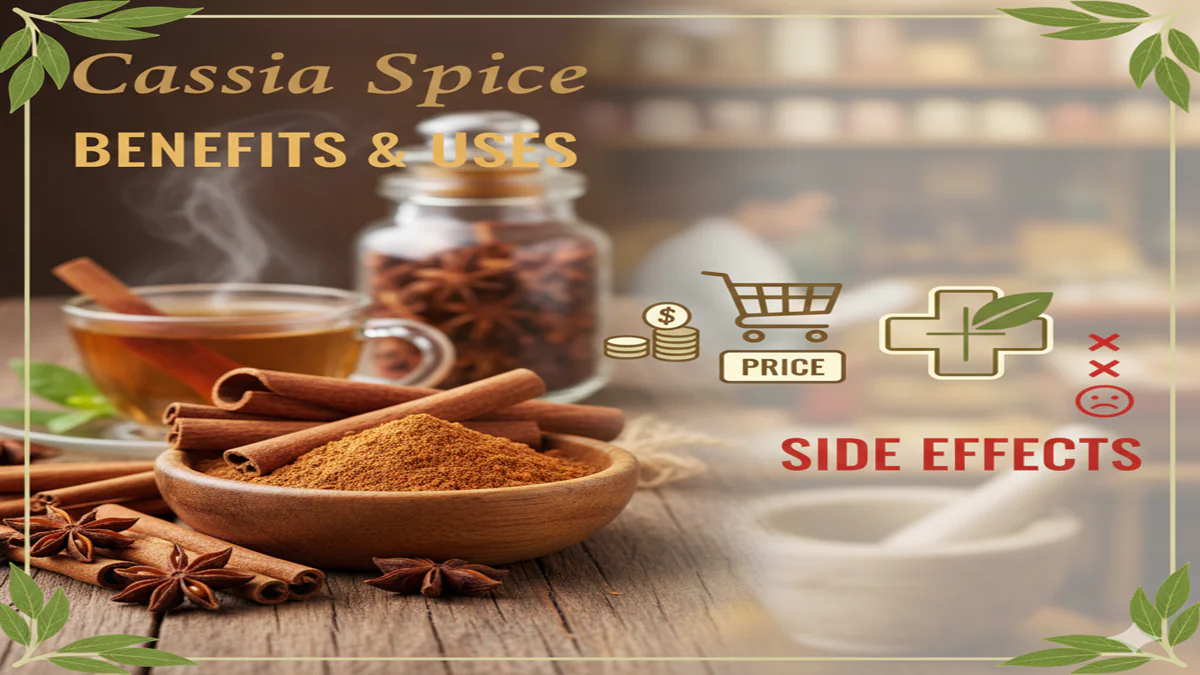
Cassia vs Cinnamon: क्या आप असली दालचीनी खा रहे हैं? कैसिया के फायदे और इसके छिपे हुए राज।

Cassia Spice Benefits: Uses, Price & Side Effects

Cassia (कैसिया) क्या है? इसके फायदे, उपयोग और असली दालचीनी से इसका अंतर; पूरी जानकारी!

Cassia vs Cinnamon: Introduction: जब भी हम रसोई में मसालों की बात करते हैं, तो ‘दालचीनी’ का नाम सबसे पहले आता है। लेकिन क्या आप जानते हैं कि बाजार में मिलने वाली ज्यादातर दालचीनी असल में कैसिया (Cassia) होती है? कैसिया, जिसे ‘चीनी दालचीनी’ भी कहा जाता है, अपनी तेज खुशबू और औषधीय गुणों के लिए दुनिया भर में मशहूर है।

Cassia Benefits केवल खाने का स्वाद बढ़ाने तक सीमित नहीं हैं, बल्कि आयुर्वेद में इसे कई बीमारियों के इलाज के लिए इस्तेमाल किया जाता है। इस लेख में हम जानेंगे कि कैसिया क्या है, यह हमारी सेहत के लिए कितनी फायदेमंद है और खरीदते समय आपको किन बातों का ध्यान रखना चाहिए।


1. कैसिया (Cassia) क्या है?

कैसिया ‘सिनामोमम कैसिया’ (Cinnamomum cassia) नामक पेड़ की छाल से प्राप्त होता है। यह मुख्य रूप से चीन, वियतनाम और इंडोनेशिया में पाया जाता है। इसकी छाल असली दालचीनी (Ceylon Cinnamon) की तुलना में थोड़ी मोटी और सख्त होती है। इसका रंग गहरा भूरा होता है और स्वाद काफी तीखा होता है।

2. कैसिया के जबरदस्त स्वास्थ्य लाभ (Health Benefits of Cassia)

१. ब्लड शुगर को नियंत्रित करना (Blood Sugar Control): कैसिया का सबसे बड़ा फायदा डायबिटीज के मरीजों के लिए है। शोध बताते हैं कि कैसिया में मौजूद तत्व इंसुलिन सेंसिटिविटी को बढ़ाते हैं, जिससे शरीर में ग्लूकोज का स्तर नियंत्रित रहता है।

२. पाचन तंत्र में सुधार (Digestive Health): कैसिया पेट की समस्याओं जैसे गैस, कब्ज और मरोड़ में बहुत राहत देता है। यह मेटाबॉलिज्म को तेज करता है, जिससे खाना आसानी से पचता है।

३. वजन घटाने में सहायक (Weight Loss): कैसिया शरीर की चर्बी को कम करने में मदद करता है। इसके सेवन से भूख कम लगती है और शरीर की कैलोरी बर्न करने की क्षमता बढ़ती है। सुबह गुनगुने पानी और शहद के साथ कैसिया पाउडर का सेवन वजन कम करने का एक प्रभावी तरीका है।

४. संक्रमण से लड़ने की शक्ति (Anti-Microbial Properties): कैसिया में एंटी-बैक्टीरियल और एंटी-फंगल गुण होते हैं। यह दांतों के संक्रमण, सांस की बदबू और त्वचा की समस्याओं को दूर करने में बहुत प्रभावी है।

५. जोड़ों के दर्द में राहत (Joint Pain): इसमें एंटी-इंफ्लेमेटरी गुण होते हैं, जो शरीर की सूजन और अर्थराइटिस (गठिया) के दर्द को कम करने में मदद करते हैं।


3. कैसिया और असली दालचीनी में अंतर (Cassia vs Ceylon Cinnamon)

विशेषताकैसिया (Cassia)असली दालचीनी (Ceylon)
रंगगहरा भूरा और लालिमा लिए हुएहल्का भूरा
छालमोटी और एक ही परत में मुड़ी हुईपतली और कई परतों वाली
स्वादतेज और तीखामीठा और हल्का
कौमारिन (Coumarin)अधिक मात्रा में (ज्यादा सेवन नुकसानदेह)बहुत कम मात्रा में (सुरक्षित)

4. कैसिया का उपयोग कैसे करें? (How to Use Cassia)

  • मसाले के रूप में: पुलाव, सब्जी या मीट करी में साबुत कैसिया की छाल का उपयोग करें।
  • काढ़ा या चाय: पानी में कैसिया की छाल उबालकर उसकी चाय पिएं। यह सर्दी-खांसी में बहुत असरदार है।
  • फेस पैक: कैसिया पाउडर और शहद मिलाकर चेहरे पर लगाने से कील-मुहासे ठीक होते हैं।

5. सावधानी और नुकसान (Side Effects)

कैसिया में ‘कौमारिन’ (Coumarin) नामक तत्व होता है। अगर इसे बहुत अधिक मात्रा में लिया जाए, तो यह लिवर को नुकसान पहुंचा सकता है। इसलिए दिन भर में 1-2 ग्राम से ज्यादा कैसिया का सेवन न करें। गर्भवती महिलाओं और लिवर के मरीजों को इसके सेवन से पहले डॉक्टर की सलाह जरूर लेनी चाहिए।


4. अक्सर पूछे जाने वाले प्रश्न (FAQs)

Q1: क्या कैसिया और दालचीनी एक ही हैं?

Ans: ये दोनों एक ही परिवार के हैं, लेकिन अलग-अलग हैं। कैसिया सस्ता और तीखा होता है, जबकि सीलोन दालचीनी महंगी और अधिक औषधीय गुणों वाली होती है।

Q2: क्या कैसिया लिवर के लिए बुरा है?

Ans: केवल तभी जब आप इसका बहुत अधिक मात्रा में सेवन करें। इसमें मौजूद कौमारिन लिवर के लिए भारी हो सकता है।

Q3: क्या कैसिया से वजन कम होता है?

Ans: हाँ, यह मेटाबॉलिज्म बढ़ाकर वजन कम करने में मदद करता है, लेकिन इसके साथ सही डाइट और एक्सरसाइज भी जरूरी है।


Conclusion: सेहत के लिए सही चुनाव करें!

Cassia एक बेहतरीन मसाला और औषधि है, बशर्ते इसका उपयोग सीमित मात्रा में किया जाए। अगर आप केवल स्वाद के लिए इसका उपयोग कर रहे हैं, तो कैसिया बेहतरीन है, लेकिन यदि आप गहरे स्वास्थ्य लाभ चाहते हैं, तो सीलोन दालचीनी की तलाश करें। अपनी डाइट में इसे शामिल करें और इसके औषधीय गुणों का लाभ उठाएं!

Cassia Spice: The Pungent Ancient Healer in Your Kitchen Cabinet

Nestled among the cinnamon, nutmeg, and cloves in spice racks worldwide, cassia often goes unnoticed, frequently mistaken for its more celebrated cousin, “true cinnamon” (Cinnamomum verum). Yet, this humble, robust bark has carved a deep and enduring legacy across millennia and continents. Known for its bold, sweet, and slightly pungent warmth, cassia is more than just a flavoring agent; it is a botanical powerhouse woven into the fabric of traditional medicine, global cuisine, and modern wellness. This comprehensive guide delves into the world of cassia spice, exploring its rich history, multifaceted benefits, diverse uses, economic considerations, and important safety precautions.

What is Cassia? Untangling the Cinnamon Confusion

First, a crucial distinction. The term “cinnamon” in most Western grocery stores, especially in North America, is almost always Cassia (Cinnamomum cassia, also called Chinese cinnamon). True cinnamon, or Ceylon cinnamon, is a different species with a milder, more complex flavor and a crumbly, multi-layered quill structure.

Key Identifiers:

  • Cassia: Thick, hard, single-scroll quills with a rough texture. Rusty brown color. Strong, spicy-sweet flavor with a notable “kick.”
  • Ceylon Cinnamon: Thin, brittle, multiple layers of bark rolled into a quill. Tan-brown color. Delicate, sweet, and nuanced flavor.

While both share a family and core aromatic compounds, cassia is the workhorse—more affordable, more intensely flavored, and the cornerstone of many classic dishes. Its potency extends beyond taste into its chemical profile, which is rich in cinnamaldehyde, the compound responsible for most of its health effects and the primary reason for its noted safety considerations.

A Historical Journey: From Ancient Herbals to Global Trade

Cassia’s history is as rich as its aroma. Mentioned in Chinese herbals as early as 2700 BC (like the Shennong Ben Cao Jing), it was revered as a remedy for colds, flu, digestion, and circulatory issues. In ancient Egypt, it was used in embalming and as a precious incense. The Romans held it in such high regard that Emperor Nero famously burned a year’s supply at his wife’s funeral as an extravagant tribute.

For centuries, the source of cassia was a closely guarded secret by Chinese and Arab traders. The quest for this spice, along with its cousin cinnamon, fueled exploration and shaped trade routes. Today, China, Indonesia, and Vietnam are the primary producers, supplying the world with this indispensable spice.

The Multifaceted Benefits of Cassia: Modern Science Meets Ancient Wisdom

Cassia’s benefits stem primarily from its high concentration of bioactive compounds, especially cinnamaldehyde, along with antioxidants, anti-inflammatory agents, and essential oils.

1. Metabolic Powerhouse: Blood Sugar Regulation
This is one of cassia’s most researched and celebrated benefits. Numerous studies suggest it can improve insulin sensitivity and help lower blood sugar levels.

  • Mechanism: Compounds in cassia appear to mimic insulin, increase glucose uptake by cells, and inhibit enzymes that break down carbohydrates in the gut, slowing the rush of sugar into the bloodstream.
  • Evidence: A meta-analysis in the Annals of Family Medicine concluded that cinnamon (predominantly cassia in these studies) significantly reduced fasting blood glucose and improved lipid profiles in patients with type 2 diabetes. It is considered a valuable adjunct therapy, never a replacement for prescribed medication.

2. Guardian of the Heart: Cholesterol and Blood Pressure
Closely tied to metabolic health, cassia shows promise in supporting cardiovascular function.

  • Lipid Profile: Research indicates it can help reduce levels of total cholesterol, LDL (“bad”) cholesterol, and triglycerides, while potentially maintaining or boosting HDL (“good”) cholesterol.
  • Circulation & Pressure: Its mild anti-inflammatory and circulatory-stimulating properties may contribute to healthy blood pressure, though evidence is more preliminary. The improvement in overall metabolic markers indirectly benefits heart health.

3. Potent Antioxidant and Anti-inflammatory Agent
Cassia is loaded with polyphenol antioxidants that combat oxidative stress—the cellular damage caused by free radicals that underlies aging and chronic diseases like cancer, heart disease, and neurodegenerative disorders.

  • Inflammation: Cinnamaldehyde exhibits significant anti-inflammatory properties, potentially helping to alleviate conditions linked to chronic inflammation, such as arthritis and certain bowel diseases.

4. Antimicrobial and Antifungal Warrior
Long used as a natural food preservative, cassia’s essential oils are effective against a broad spectrum of pathogens.

  • Scope: It has demonstrated activity against bacteria like E. coli and Salmonella, fungi like Candida albicans, and even some viruses.
  • Application: This makes it useful not just in food safety but also in traditional applications for oral health (fighting bad breath and cavities) and topical treatments for minor fungal infections.

5. Digestive Support and Relief
A classic remedy in many cultures, cassia carminative properties help alleviate gas, bloating, and indigestion. It stimulates digestive enzymes and may help soothe stomach discomfort.

6. Cognitive and Neurological Potential
Emerging research is exploring cassia’s role in brain health. Its antioxidants may help protect neurons, and some studies suggest compounds in cinnamon (including cassia) can inhibit the buildup of tau protein, a hallmark of Alzheimer’s disease. While far from conclusive, it points to a fascinating area of future study.

Culinary and Practical Uses: Unleashing Cassia in Kitchen and Home

Cassia’s bold flavor makes it a versatile star in both sweet and savory dishes.

  • Baking & Desserts: The definitive spice for classic apple pies, snickerdoodle cookies, cinnamon rolls, rice puddings, and churros. Its robust flavor stands up well to baking.
  • Beverages: Essential in mulled wine, chai tea, apple cider, and coffee blends.
  • Savory Applications: A key component in Chinese five-spice powder, Moroccan ras el hanout, and Indian garam masala. It adds depth to meat rubs (especially for lamb and pork), hearty stews, curries, and pilafs.
  • Breakfast Staples: Sprinkled on oatmeal, yogurt, or toast.
  • Preserving: Used in pickling and chutneys.
  • Fragrance & Home: A staple in potpourri, holiday simmers (orange, cloves, cassia), and natural DIY cleaning solutions for its fresh scent and antimicrobial properties.

Tip: For maximum flavor and benefit, buy whole cassia quills (or “cinnamon sticks”) and grind them as needed. Pre-ground spice loses potency much faster.

Price and Market: An Accessible Luxury

Cassia is remarkably affordable, contributing to its global popularity.

  • Whole Quills: $3-$8 per ounce, depending on origin and quality (Vietnamese/Cassia Vera often commands a premium).
  • Ground Cassia: $2-$5 per ounce.
  • Comparison: It is generally 2-5 times cheaper than true Ceylon cinnamon. When a recipe simply calls for “cinnamon,” especially in baked goods or robust dishes, cassia is the intended and economical choice.
  • Forms: Available as quills, chips (for decoctions/teas), powder, and essential oil (for aromatherapy or topical dilution—never ingest pure essential oil).

Critical Considerations: Side Effects and Safe Consumption

The very potency of cassia demands respect and caution. The primary concern is its high concentration of coumarin, a natural compound that can be liver toxic and cause damage in high doses over time.

  • Coumarin Content: Cassia contains approximately 1-5% coumarin. Ceylon cinnamon contains only trace amounts (about 0.004%).
  • Tolerable Daily Intake (TDI): The European Food Safety Authority sets a TDI of 0.1 mg of coumarin per kilogram of body weight per day. For a 70 kg (154 lb) adult, this is just 7 mg.
  • Practical Translation: Just 1-2 teaspoons of ground cassia can exceed this daily limit. Chronic excessive intake has been linked to liver toxicity in sensitive individuals.

Who Should Exercise Extra Caution?

  1. Individuals with Liver Conditions: Those with hepatitis, cirrhosis, or other liver diseases should avoid high, regular intake.
  2. People on Medication: Especially blood thinners (like warfarin, as coumarin also has anticoagulant properties), diabetes drugs (risk of hypoglycemia), and hepatotoxic drugs. Consult a doctor.
  3. Pregnant and Breastfeeding Women: While culinary amounts are safe, therapeutic doses or supplements should be avoided due to a lack of comprehensive safety data.
  4. Children: Their lower body weight makes them more susceptible. Moderate culinary use is fine; supplements are not recommended.

Recommendation: Enjoy cassia liberally as a spice in food. Avoid consuming it in large, concentrated quantities daily (e.g., multiple teaspoons of powder in smoothies or tea). If you wish to consume cinnamon daily for therapeutic reasons (e.g., blood sugar management), switch to Ceylon cinnamon (Cinnamomum verum) for its low coumarin content.

Conclusion: A Spice of Power and Prudence

Cassia spice stands as a testament to nature’s pharmacy—a common bark with uncommon benefits. From flavoring our festive pies to offering potential support for modern metabolic ailments, it bridges the gap between the ancient and the contemporary. Its bold taste and potent effects make it a kitchen essential and a subject of ongoing scientific interest.

However, its power is double-edged, requiring informed and mindful use. By appreciating cassia for what it is—a delicious, potent culinary spice with beneficial properties that must be enjoyed in culinary, not megadose, quantities—we can safely harness its warmth and wellness potential. Let it spice your food, but let prudence guide your pursuit of its health benefits, opting for the safer Ceylon variety when regular, concentrated consumption is the goal. In this balance, the ancient healer can continue to enhance our health and our meals for generations to come.


Frequently Asked Questions (FAQ)

Q1: Is cassia the same as cinnamon I buy at the store?

A:In the United States, Canada, and many parts of Europe, the “cinnamon” sold in grocery stores is almost always Cassia (Cinnamomum cassia). True cinnamon, Ceylon cinnamon (Cinnamomum verum), is a different, milder, and often more expensive product typically found in specialty stores. Always check the label if you need a specific type.

Q2: What is the main health benefit of cassia?

A:Its most well-researched benefit is supporting healthy blood sugar metabolism. Compounds in cassia can improve insulin sensitivity and slow the absorption of sugar in the gut, making it a popular complementary approach for managing type 2 diabetes. However, it should not replace prescribed medication.

Q3: Why is there a warning about cassia and liver damage?

A:Cassia contains high levels of coumarin, a natural compound that can cause liver toxicity and damage when consumed in large amounts over time. Regular, high-dose cassia supplementation poses a risk. For daily therapeutic use, Ceylon cinnamon (very low in coumarin) is the safer choice.

Q4: How much cassia is safe to consume daily?

A:As a culinary spice in foods (e.g., in oatmeal, baked goods, curries), it is generally safe. For concentrated, daily intake, the European safety guideline suggests a limit of 0.1 mg of coumarin per kg of body weight. Since 1 tsp of cassia powder can contain 5-10 mg of coumarin, it’s easy to exceed this limit with supplements. Stick to culinary amounts.

Q5: Can I use cassia essential oil for health benefits?

A:Cassia essential oil is extremely potent and high in cinnamaldehyde. It shouldnever be ingested. It can be used in highly diluted form for aromatherapy (it’s very warming) or in topical applications (always diluted in a carrier oil) with caution, as it can be a skin irritant. For internal benefits, using the whole spice in food is the preferred and safer method.


badaudyog

Oh hi there
It’s nice to meet you.

Sign up to receive awesome content in your inbox, every month.

We don’t spam! Read our privacy policy for more info.