


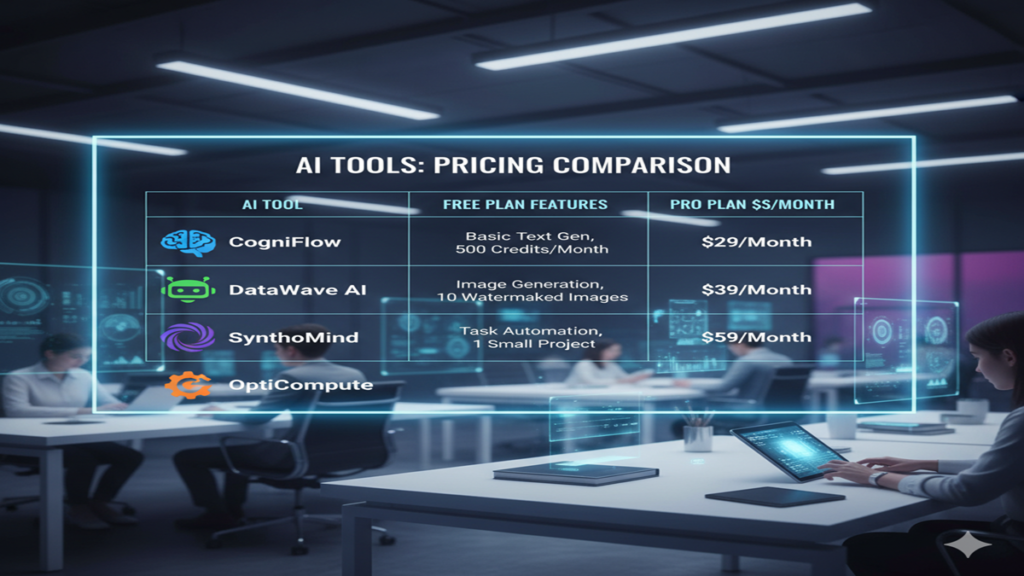
In today’s rapidly evolving digital landscape, the demand for artificial intelligence (AI) tools has surged, offering businesses and individuals innovative solutions to enhance productivity, efficiency, and decision-making. However, with a plethora of options available, each boasting different pricing structures and features, navigating the world of AI tools can be a daunting task. This article explores the various pricing models of popular AI tools, comparing subscription versus one-time payment options, highlighting hidden costs, and analyzing the value of free versus paid services. By the end, readers will gain a clearer understanding of the pricing landscape and be better equipped to choose the right AI tools that align with their needs and budget.
Overview of AI Tools Pricing Models
Types of Pricing Models
When it comes to AI tools, pricing models can be as varied as the tools themselves. Most commonly, you’ll find subscription-based models that charge users monthly or annually. Then there are pay-per-use models that bill you based on how much you actually use the tool—perfect for those who have commitment issues. Lastly, there are one-time payment models where you fork over a lump sum and hope your tool doesn’t go out of style anytime soon.
Common Factors Influencing Pricing
Several factors can send prices soaring or keep them from breaking the bank. Firstly, the complexity of the technology plays a big role; more sophisticated algorithms typically come with a heftier price tag. The level of customer support offered also affects pricing—if you want to chat with a real human, expect to pay for that. Additionally, the size of your team and the intended use case can influence costs, as bulk licenses might take the sting out of the price.
Comparative Analysis of Popular AI Tools
Feature Set Comparison
Not all AI tools are created equal, and comparing feature sets is akin to shopping for jeans; one size definitely doesn’t fit all. Some tools offer basic functionalities like text generation, while others boast advanced features such as predictive analytics and deep learning capabilities. Remember to check for integrations as well; a tool that plays well with others can be worth its weight in gold (or at least in caffeine-fueled late-night coding sessions).
User Experience and Interface Costs
A tool might have all the bells and whistles, but if its interface looks like it was designed in a different era, users will run for the hills. A poor user experience can lead to inefficiency and frustration, ultimately costing more in the long run. Investing in a tool with a user-friendly interface can save you time, reduce training costs, and ensure that your users actually want to use it instead of giving it the side-eye.
Case Studies of Selected AI Tools
Let’s dive into the nitty-gritty of a few popular AI tools to see how they stack up. Take Tool A, for instance; it’s got a killer feature set and a decent price, but users complain about support response times. Meanwhile, Tool B appeals to budget-conscious buyers while offering a user-friendly interface, but its features leave something to be desired. By comparing these case studies, you’ll be better equipped to make an informed decision based on real user experiences.
Subscription vs. One-Time Payment Options
Advantages of Subscription Models
Subscription models can be a lifesaver in many ways. They allow for lower upfront costs—perfect for cash-strapped startups or those who like to budget like it’s an Olympic sport. Regular updates and maintenance are usually included, so you won’t end up stuck with outdated tech. Plus, the flexibility to scale up or down as your needs change means you won’t be trapped in an unhappy marriage with software that no longer fits.
Pros and Cons of One-Time Purchases
On the flip side, one-time purchases can sometimes feel like finding that perfect vintage jacket—you pay once and it’s yours forever. However, you’ll often miss out on ongoing support and updates, leaving you high and dry if something goes wrong. Additionally, the initial cost can be daunting, and you might end up paying more in the long run for add-ons and upgrades. Weighing the pros and cons is key.
Cost-Benefit Analysis of Free vs. Paid AI Tools
Limitations of Free AI Tools
Free AI tools might sound like a dream come true, but they often come with strings attached. Limited features, reduced capabilities, and lackluster support might make you scratch your head in frustration. Plus, ads can be as intrusive as your aunt at family gatherings, making for an experience that’s anything but zen. Essentially, you get what you pay for, and sometimes “free” isn’t worth the price tag.
Value Proposition of Paid Options
Paid AI tools often provide a value proposition that free tools just can’t match. With a paid option, you typically gain access to advanced features, better customer support, and more frequent updates. The investment can pay off in terms of efficiency, productivity, and those coveted “aha” moments that make all the difference. So while your wallet may feel a pinch, your brain (and possibly your bank account) might thank you in the long run.
Hidden Costs and Additional Fees in AI Tools
Understanding Licensing Fees
When diving into the world of AI tools, it’s easy to get caught up in the sticker price. However, licensing fees often resemble that surprise charge you see on your phone bill. Depending on the tool, you may encounter various licensing models: per user, per feature, or even tiered access based on usage. So, before you get too cozy with a particular tool, make sure you read the fine print; the licensing fees can be as sneaky as a cat on a hot tin roof.
Integration and Maintenance Costs
So, you’ve nabbed your shiny new AI tool. But wait—there’s more! Integration and maintenance costs can sneak up on you like that last slice of pizza at a party. Integrating an AI tool with your existing systems might require additional software or even hiring some tech-savvy personnel to make sure everything plays nicely together. And don’t forget about maintenance! While you might think you’re all set, regular updates and potential troubleshooting can add to your ongoing expenses faster than you can say “debug.”
Pricing Trends in the AI Tools Market
Emerging Technologies and Their Impact on Pricing
The AI landscape is rapidly evolving, and with it, the pricing structure. New technologies such as Natural Language Processing (NLP) and machine learning initiatives are like the cool kids at school—everyone wants to be their friend, which can drive prices up. As these technologies become more mainstream, we might see greater competition, which could just result in more choices and some potentially wallet-friendly options. The trick is staying informed and knowing when to jump on trends without breaking the bank.
Market Competition and Pricing Strategies
In the world of AI tools, competition is fiercer than a Black Friday sale. Companies are constantly adjusting their pricing strategies to attract customers, whether that means bundling services or offering special deals. As more players enter the market, we may see a shift toward more subscription-based models or pay-as-you-go options. It’s a jungle out there, and keeping an eye on how these companies position themselves can make a huge difference in your budget.
Future Predictions for AI Tools Pricing
Expected Changes in Pricing Models
As AI tools mature, we may find ourselves in a world where ‘old-school’ pricing models are replaced with more flexible options. Expect to see subscription models becoming the norm, allowing for easier scaling as your needs grow. Furthermore, pay-as-you-go models might make a comeback as companies seek to appeal to smaller businesses that want to keep their expenses tightly controlled. It’s like evolving from flip phones to smart devices—better functionality with a sharper focus on affordability.
Impact of AI Advancements on Cost
The advancements in AI technology could lead to reduced costs in the long run—think of it as an investment in your future self. As algorithms become more efficient and capable, the resources required to run them may decrease, leading to better pricing for consumers. However, keep your eyes peeled for that balancing act; as more functionalities are added, don’t be surprised if prices adjust accordingly. It’s all about finding that sweet spot where innovation meets your budget.
Conclusion: Choosing the Right AI Tool for Your Budget
Key Takeaways for Decision Making
Before you jump headfirst into the swirling sea of AI tools, take a moment to weigh your options. Be sure to account for hidden costs, emerging trends, and potential pricing changes. The key is to align the tool not just with your immediate needs but also with your long-term goals and budget constraints. Remember, a tool should serve you, not the other way around.
Final Recommendations
In conclusion, choose wisely! Look for tools that offer transparent pricing structures, provide adequate support, and scale with your needs. Don’t hesitate to ask providers about those pesky hidden fees, and always read reviews from others who have been there, done that. With the right approach, you can navigate this exciting landscape without finding yourself in a financial labyrinth.
Happy hunting!In conclusion, understanding the pricing structures and options available for AI tools is essential for making informed decisions that align with your specific needs and financial constraints. By considering the various models, hidden costs, and value of different offerings, you can select the right tools that not only fit your budget but also enhance your productivity and efficiency. As the AI landscape continues to evolve, staying informed about pricing trends will empower you to adapt and leverage these powerful technologies to your advantage.
Frequently Asked Questions
What are the most common pricing models for AI tools?
The most common pricing models for AI tools include subscription-based pricing, one-time purchases, pay-as-you-go plans, and freemium models, where basic features are offered for free while advanced features require payment.
Are free AI tools worth using?
Free AI tools can be valuable for basic tasks or for individuals and small businesses with limited budgets. However, they may come with limitations in features, support, and capabilities compared to paid options.
How can I determine if an AI tool is worth its price?
To determine if an AI tool is worth its price, consider factors such as the features offered, user reviews, case studies, return on investment, and how well it meets your specific needs compared to similar tools.
Do AI tools have hidden costs I should be aware of?
Yes, AI tools may have hidden costs such as licensing fees, integration expenses, ongoing maintenance fees, and charges for additional features or support. It’s important to review the pricing details thoroughly before making a decision.