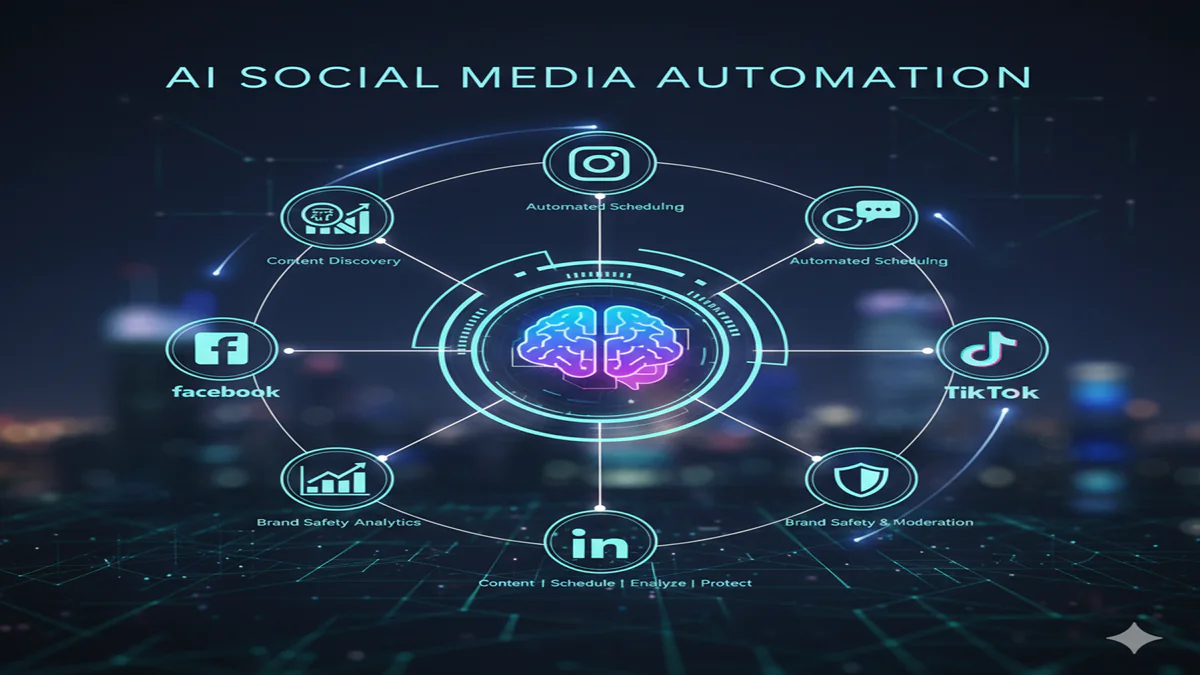
Ai Tools For Social Media Automation: 2026 में अपने सोशल मीडिया को ऑटोपायलट पर डालें; ये 5 एआई टूल्स बदल देंगे आपका काम करने का तरीका!
Ai Tools For Social Media Automation: Introduction: आज 29 मार्च 2026 है और सोशल मीडिया पर प्रतिस्पर्धा अपने चरम पर है। अगर आप अभी भी हाथ से कैप्शन लिख रहे हैं, मैन्युअली पोस्ट शेड्यूल कर रहे हैं और हर प्लेटफॉर्म के लिए अलग-अलग कंटेंट बना रहे हैं, तो आप बहुत पीछे हैं। वर्तमान समय में “Ai Tools For Social Media Automation” का इस्तेमाल करना स्मार्ट वर्किंग का सबसे बड़ा उदाहरण है।
एआई टूल्स न केवल आपका समय बचाते हैं, बल्कि वे डेटा का विश्लेषण करके यह भी बताते हैं कि आपकी ऑडियंस को क्या पसंद है। इस लेख में हम उन टॉप 5 एआई टूल्स के बारे में विस्तार से जानेंगे जो आपके फेसबुक, इंस्टाग्राम, लिंक्डइन और ट्विटर (X) को पूरी तरह ऑटोमेट कर सकते हैं।
1. सोशल मीडिया ऑटोमेशन में AI के फायदे (Benefits)
- Consistency (निरंतरता): एआई सुनिश्चित करता है कि आपके पेज पर हर दिन कंटेंट पोस्ट हो, भले ही आप व्यस्त हों।
- Smart Content Creation: एआई खुद ट्रेंड्स को पढ़कर वायरल होने वाले आइडियाज जनरेट करता है।
- Time Saving: एक महीने का कंटेंट आप केवल एक दिन में तैयार और शेड्यूल कर सकते हैं।
- Personalized Engagement: एआई चैटबॉट्स आपके फॉलोअर्स के कमेंट्स और मैसेज का तुरंत जवाब देते हैं।
2. टॉप 5 Best Ai Tools For Social Media Automation (2026)
Ai Tools For Social Media Automation:1. Predis.ai (The All-in-One King) यह टूल 2026 में सबसे ज्यादा लोकप्रिय है। यह केवल पोस्ट शेड्यूल नहीं करता, बल्कि एक सिंगल प्रॉम्प्ट से पूरी रील (Reels), कैप्शन और हैशटैग तैयार कर देता है।
- खासियत: यह आपके प्रतिस्पर्धियों (Competitors) के कंटेंट का विश्लेषण भी करता है।
Ai Tools For Social Media Automation: 2. Ocoya (Best for E-commerce & Marketing) अगर आप ऑनलाइन स्टोर चलाते हैं, तो Ocoya बेस्ट है। इसमें हजारों टेम्पलेट्स और एआई राइटिंग असिस्टेंट (Travis AI) मिलता है।
- खासियत: कैनवा (Canva) के साथ इसका इंटीग्रेशन इसे ग्राफिक्स के लिए लाजवाब बनाता है।
Ai Tools For Social Media Automation: 3. ContentStudio (Best for Multi-Platform Management) अगर आप एक साथ 10-15 सोशल मीडिया अकाउंट्स मैनेज करते हैं, तो ContentStudio आपके लिए है।
- खासियत: इसका एआई ‘Content Discovery’ फीचर आपको इंटरनेट पर चल रहे सबसे ट्रेंडिंग टॉपिक्स ढूंढ कर देता है।
Ai Tools For Social Media Automation: 4. FeedHive (Best for Strategy & Growth) यह टूल एआई का उपयोग करके यह बताता है कि आपकी पोस्ट के वायरल होने की कितनी संभावना है।
- खासियत: इसका ‘Recycle’ फीचर आपकी पुरानी सफल पोस्ट को दोबारा नए तरीके से पोस्ट करता है।
Ai Tools For Social Media Automation: 5. Lately.ai (Best for Video to Text) Lately का एआई आपके लंबे वीडियो या पॉडकास्ट को छोटे-छोटे सोशल मीडिया स्निपेट्स और थ्रेड्स में बदल देता है।
- खासियत: यह बड़े ब्रांड्स के लिए सोशल मीडिया आरओआई (ROI) बढ़ाने में मदद करता है।
Ai Tools For Social Media Automation: 3. एआई ऑटोमेशन कैसे शुरू करें? (Step-by-Step Guide)
- Goal Setting: तय करें कि आप किस प्लेटफॉर्म (Instagram/LinkedIn) पर फोकस करना चाहते हैं।
- Tool Selection: अपनी जरूरत के हिसाब से ऊपर दिए गए टूल्स में से एक चुनें।
- Connect Accounts: अपने सोशल मीडिया हैंडल्स को टूल के साथ सुरक्षित रूप से जोड़ें।
- Create & Schedule: एआई से कंटेंट जनरेट करवाएं, उसे थोड़ा कस्टमाइज करें और अगले 30 दिनों के लिए ‘Schedule’ बटन दबाएं।
4. अक्सर पूछे जाने वाले प्रश्न (FAQs)
Q1: क्या एआई से ऑटोमेशन करने पर अकाउंट बैन हो सकता है?
Ans: नहीं, यदि आप आधिकारिक एपीआई (API) आधारित टूल्स (जैसे Predis.ai या Buffer) का इस्तेमाल करते हैं, तो आपका अकाउंट पूरी तरह सुरक्षित रहता है।
Q2: क्या एआई टूल्स इस्तेमाल करना बहुत महंगा है?
Ans: अधिकतर टूल्स के फ्री वर्जन या ‘Starter’ प्लान्स उपलब्ध हैं। छोटे क्रिएटर्स के लिए $10-$20 प्रति माह में बेहतरीन फीचर्स मिल जाते हैं।
Q3: क्या एआई से बना कंटेंट इंसानी (Human) लगता है?
Ans: 2026 के एआई मॉडल बहुत एडवांस हैं, लेकिन हम हमेशा सुझाव देते हैं कि एआई द्वारा लिखे गए कैप्शन में 10% बदलाव अपनी ‘पर्सनल टच’ के लिए जरूर करें।
Conclusion: स्मार्ट बनें, एआई अपनाएं!
Ai Tools For Social Media Automation का सही इस्तेमाल आपको एक ‘कंटेंट क्रिएटर’ से ‘कंटेंट बिजनेस ओनर’ बना सकता है। अगर आप चाहते हैं कि आपका सोशल मीडिया बिना आपकी फिजिकल मौजूदगी के भी बढ़ता रहे, तो आज ही इन टूल्स को अपनी स्ट्रेटेजी में शामिल करें।
In today’s fast-paced digital landscape, social media has become a vital tool for brands and businesses to connect with their audiences.
Ai Tools For Social Media Automation: This is where AI tools for social media automation come into play, offering innovative solutions to streamline processes, enhance engagement, and optimize content strategy. By leveraging artificial intelligence, businesses can not only save time but also gain valuable insights that drive decision-making and improve overall performance. This article explores the benefits, top tools, best practices, and future trends of AI in social media automation, providing a comprehensive guide for those looking to harness the power of technology to elevate their social media efforts.
Understanding Social Media Automation
Definition and Importance
Ai Tools For Social Media Automation: Social media automation refers to the use of software tools to schedule, publish, and manage posts across various social media platforms without constant manual input. Think of it as a digital assistant that takes care of your social media life while you enjoy a coffee (or three). The importance? It allows businesses—big and small—to maintain a consistent online presence, engage audiences, and glean insights, all while giving you back precious moments of your day.
How Automation Enhances Efficiency
Ai Tools For Social Media Automation: Imagine trying to juggle three flaming swords while riding a unicycle—that’s what social media management can feel like without automation. By automating posts, replies, and analytics, you free up time to brainstorm your next viral cat video or strategize your world takeover. Automation enhances efficiency by ensuring your content goes live at peak times, streamlining responses to followers, and providing data at your fingertips, so you can focus on what really matters: crafting puns about your product.
Benefits of Using AI Tools for Social Media
Time Savings and Resource Allocation
Ai Tools For Social Media Automation: In a world where “busy” seems to be the new status symbol, AI tools swoop in like a superhero to save the day. By automating routine tasks, these tools can save you hours each week, allowing you to allocate resources to more creative endeavors—like finding the perfect meme to resonate with your audience. With AI handling the mundane, you can focus on strategies that drive engagement and growth.
Enhanced Targeting and Personalization
Ai Tools For Social Media Automation: Gone are the days of mass marketing! AI tools come with advanced algorithms that analyze user behavior and preferences to help you hit the bullseye with your audience. With enhanced targeting, you can create highly personalized content that speaks to individual segments, making each follower feel like you’re speaking directly to them. It’s like having a secret weapon that knows exactly what your audience wants—kinda like a mind reader, but less creepy.
Data-Driven Insights for Decision Making
Ai Tools For Social Media Automation: If knowledge is power, then data is like a superhero cape. AI tools offer valuable insights into what’s working and what’s flopping faster than a lead balloon. By analyzing engagement metrics, audience demographics, and trends, these tools empower you to make informed decisions that lead to better outcomes. So, while others guess, you’ll be confidently strutting your stuff, backed by solid data.
Top AI Tools for Social Media Automation
Overview of Popular Tools
Ai Tools For Social Media Automation: The world of AI tools is like a candy store for marketers—filled with sweet options like Hootsuite, Buffer, and Sprout Social. These popular tools offer various functionalities, including scheduling, analytics, and even content suggestions that ensure your social media game is always on point. Whether you’re a solopreneur or part of a large marketing team, there’s an AI tool out there that fits your needs like a glove (or a comfy pair of slippers).
Comparative Analysis of Features
Ai Tools For Social Media Automation: When it comes to choosing the right tool, it’s essential to weigh your options. Hootsuite shines with its comprehensive analytics, while Buffer offers a user-friendly interface perfect for beginners. Sprout Social excels with its engagement features, making it easy to connect with your audience. By comparing these tools’ features side-by-side, you can find your perfect match—kinda like dating but for tech.
User Reviews and Ratings
Ai Tools For Social Media Automation: What’s better than hearing it straight from the horses’ mouths? User reviews and ratings provide a treasure trove of insight into real-life experiences with these tools. You’ll find everything from enthusiastic praise for speedy customer support to cautious advice about potential learning curves. Dive into the reviews to get a feel for what works best and avoid the dreaded buyer’s remorse.
Content Creation and Curation
Ai Tools For Social Media Automation: A good AI social media tool should be a creative accomplice, helping you whip up engaging content and curate the best of the internet for your audience. Look for features that suggest trending topics, assist in crafting posts, and even generate visuals. After all, every great social media campaign starts with eye-catching content—nobody likes a bland post, unless it’s a food review.
Analytics and Reporting Capabilities
Ai Tools For Social Media Automation: If you can’t measure it, can you really manage it? Robust analytics and reporting capabilities are your best friends in the world of social media automation. Look for tools that provide in-depth performance tracking, engagement metrics, and easy-to-understand reports. This way, you’ll know exactly how your posts are performing without needing a degree in rocket science.
Integration with Other Platforms
Ai Tools For Social Media Automation: In today’s interconnected digital landscape, integration is key. The best AI social media tools seamlessly connect with CRM systems, email marketing platforms, and analytics software to ensure you have a holistic view of your digital strategy. So, whether you’re responding to DMs or analyzing campaign performance, everything should work together like a well-oiled machine—no awkward tech hiccups allowed!
Best Practices for Implementing AI in Social Media Strategy
Setting Clear Goals and Objectives
Ai Tools For Social Media Automation: Before you dive headfirst into the AI rabbit hole, take a moment to determine what you want to achieve. Are you aiming to increase brand awareness, boost engagement, or maybe generate leads? Set SMART goals—Specific, Measurable, Achievable, Relevant, Time-bound. This way, your AI tools will have a clear target, and you won’t end up launching a social media campaign that’s as aimless as a cat chasing a laser pointer.
Monitoring and Adjusting Strategies
Ai Tools For Social Media Automation: Remember, even the best-laid plans can go awry, especially in the fast-paced world of social media. Continuously monitor your AI-driven campaigns and be ready to pivot when necessary. Utilize analytics tools to assess performance—if something isn’t working, don’t be afraid to tweak your strategy. Think of it as your daily workout: if lifting weights isn’t getting you the gains, maybe it’s time for a little jog (or, let’s be honest, just a snack break).
Training and Support for Teams
Even the most sophisticated AI tools can’t replace a well-trained team. Invest in training and support so your staff can harness AI’s full potential. Provide them with resources, share best practices, and keep the lines of communication open. After all, a confused team member is like a lost puppy in a pet store—adorable but not exactly helpful.
Case Studies: Success Stories of AI in Social Media
Brands That Improved Engagement
Several brands have harnessed the power of AI to enhance their social media engagement. For instance, a global coffee chain utilized AI-driven chatbots to interact with customers in real-time, answering queries and sharing promotions. The result? A 30% increase in customer interactions and a digital community that buzzes louder than your morning coffee.
Impact on Lead Generation and Sales
Imagine a world where your social media ads target the right audience without breaking a sweat. That’s exactly what a popular fashion retailer achieved by employing AI to analyze consumer behavior and preferences. By automating personalized ad placements, they saw a staggering 40% increase in lead generation and sales conversions. Talk about a win-win—if only it were that easy to pick out an outfit!
Challenges and Considerations When Using AI Tools
Data Privacy and Security Concerns
As much as we love AI, we can’t ignore the elephant in the room: data privacy. With great power (or in this case, data) comes great responsibility. Ensure you have robust data protection measures in place and that your audience is aware of how their information is being used. Because let’s face it, no one wants to be that brand that gets caught with its hand in the data cookie jar.
Dependence on Technology
Relying too heavily on AI can sometimes lead to a digital crutch situation. While it can be your trusty sidekick, don’t forget the importance of human insight. Balancing automation with personal touch is key. After all, it’s called “social” media for a reason—you don’t want your audience feeling like they’re talking to a robot (even if that robot is pretty clever).
Maintaining Authenticity and Human Touch
With all the AI buzz, it can be tempting to let algorithms take the wheel. However, authenticity is what sets brands apart in the noisy social media landscape. Keep your brand voice human, relatable, and genuine. Remember, followers are people, not just data points—don’t treat them like a number in your AI report, or you might just find them hitting that “unfollow” button faster than you can say “algorithm.”
The Future of AI in Social Media Automation
Emerging Trends and Innovations
As technology evolves, so does the role of AI in social media. From advanced sentiment analysis to predictive modeling, the tools are only going to get smarter. Expect to see more AI-driven content creation, where algorithms not only suggest ideas but also generate entire posts that resonate with your audience. Just imagine the possibilities—your content calendar could practically write itself!
Predictions for AI Development in Social Media
Looking ahead, we might witness a shift towards hyper-personalized experiences thanks to AI. Picture this: your social media feeds tailored to your preferences so finely that they feel like they read your mind. AI will likely play a pivotal role in creating this depth of interaction, improving targeting, and enhancing user engagement. Just be prepared—when AI can predict what you want for lunch, you might need to rethink your life choices.
As social media continues to evolve, embracing AI tools for automation By leveraging these technologies, businesses can enhance their efficiency, improve engagement, and make data-driven decisions that propel their brands forward. As you consider integrating AI into your social media strategy, keep in mind the insights and best practices discussed in this article. With the right approach, AI can transform your social media efforts and help you connect more effectively with your audience.
Frequently Asked Questions
What are the primary benefits of using AI tools for social media automation?
AI tools for social media automation offer several benefits, including time savings, enhanced targeting and personalization, improved analytics and insights, and streamlined content management. These tools help businesses engage more effectively with their audience while freeing up resources for other strategic initiatives.
How do I choose the right AI tool for my social media needs?
When selecting an AI tool, consider factors such as the features it offers (e.g., content creation, analytics, scheduling), its ease of integration with existing platforms, user reviews, and your specific goals for social media. Conducting a comparative analysis of different tools can also help you make an informed decision.
Are there any risks associated with using AI in social media automation?
Yes, some risks include potential data privacy and security concerns, over-reliance on technology which may lead to a lack of human touch, and the possibility of misinterpreting data without proper analysis. It’s essential to balance automation with authentic human engagement and maintain oversight of AI-generated content.
How can I measure the success of AI tools in my social media strategy?
Success can be measured through various metrics such as engagement rates, follower growth, conversion rates, and overall return on investment (ROI). Analyzing these metrics before and after implementing AI tools can help assess their impact on your social media strategy.